
Reviewed · MUSEUMS AND GALLERIES
Kyoto Railway Museum Admission Ticket
Kyoto’s best museum may run on rails. The Kyoto Railway Museum brings Japan’s train story to life with 53 real trains, hands-on displays, and a working steam locomotive. I especially like the mix of giant machines and small technical details, plus the chance to step inside famous trains rather than only view them behind glass.
I also like that the museum works for different ages: children can try realistic train-driving simulators while adults study steam engines, Shinkansen design, and railway dioramas. The main drawback is simple: the museum is closed every Wednesday, and popular attractions may involve queues, so you should check the official opening hours before setting out.
In This Review
- Kyoto Railway Museum at a glance
- Why this museum works so well in Kyoto
- Start with the full-size train collection
- Step inside famous trains instead of only viewing them
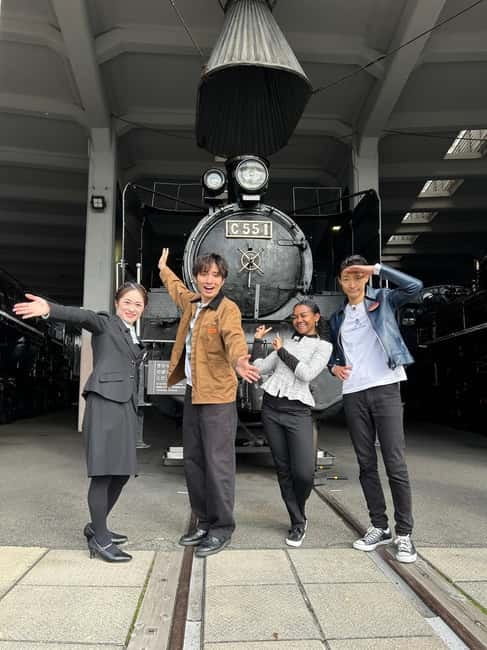
- The steam locomotive ride adds a real sense of occasion
- Watch the roundhouse turntable rotate
- Try the simulators and hands-on displays
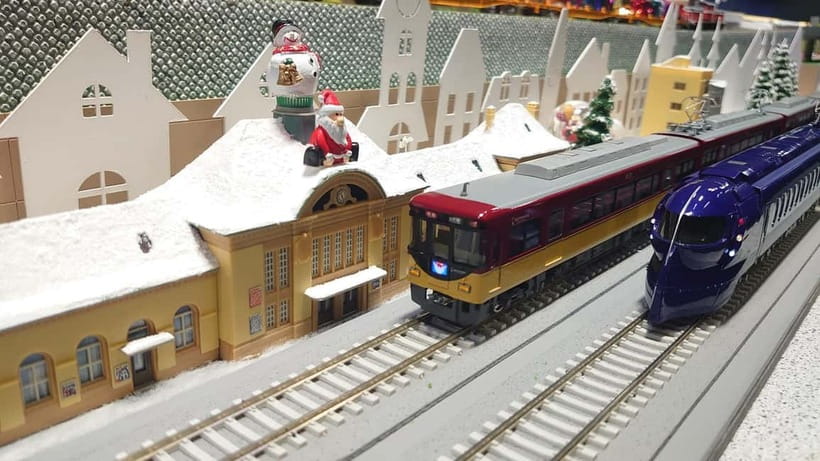
- Study the railway dioramas at a slower pace
- Take a break at the Sky Terrace
- How long should you spend inside?
- Price, access, and practical planning
- Who will enjoy the Kyoto Railway Museum most?
- Should you book the Kyoto Railway Museum?
- FAQ
- Where is the Kyoto Railway Museum?
- How much does admission cost?
- How long is the ticket valid?
- Is the museum open every day?
- Are children under three free?
- How much do children aged three to seven pay?
- Can I re-enter the museum?
- Is the museum wheelchair accessible?
- Does admission include the steam locomotive ride?
Kyoto Railway Museum at a glance

- 53 real trains: See everything from vintage steam locomotives to Japan’s celebrated Shinkansen.
- A working steam ride: Add an old-fashioned train journey to your museum visit for a small taste of railway travel from another era.
- The roundhouse turntable: Watch the historic turntable rotate, one of the museum’s most striking mechanical displays.
- Hands-on learning: Try train-driving simulators, explore railway dioramas, and examine how the railway system works.
- Sky Terrace views: Take a break above the exhibits and watch the wider railway world from the museum’s outdoor viewing area.
- Good value for a full day: At about $9 per person, standard admission gives you plenty to see without the cost of a major theme park.
Why this museum works so well in Kyoto
Kyoto is famous for temples, gardens, and old wooden streets. The railway museum offers a useful change of pace. It shows another side of Japan, a country where trains are not only transport but also part of daily life, engineering, industry, and popular culture.
I like the way the museum makes this subject easy to grasp. You do not need to know the difference between every locomotive class or understand railway engineering before you arrive. The exhibits let you start with the big visual appeal of the trains, then move toward the technical details at your own speed.
The collection includes 53 full-size trains, which gives the museum real weight. You are not simply looking at models or photographs. You can walk around substantial machines, step into selected train interiors, and compare different periods of Japanese rail travel.
That variety also helps prevent the visit from becoming repetitive. Steam locomotives provide the old-world charm. The Shinkansen brings the story into modern Japan. Between them, you get a look at how trains changed in form, speed, and purpose.
More Museums and Galleries in Kyoto
- teamLab Biovortex Kyoto ticket
★ 4.8 · 3,186 reviews - Kyoto: Tea Museum Tickets and Matcha Grinding Experience
★ 4.9 · 739 reviews - Skip the lines Basic Ticket at SAMURAI NINJA MUSEUM KYOTO
★ 4.5 · 632 reviews
Start with the full-size train collection
The main attraction is the collection itself. Vintage steam engines and newer trains sit within the same museum experience, allowing you to see the changes in Japanese rail travel at a glance.
A steam locomotive has an immediate visual pull. The wheels, pipes, metalwork, and sturdy shape make it easy to understand why these machines still attract attention. The Shinkansen offers a different thrill. Its smooth lines and famous profile represent speed, precision, and the modern image of Japan.
I recommend taking time to look beyond the most recognizable trains. The museum’s value comes from its range, not just from the bullet train. You can compare older and newer designs, see how passenger spaces changed, and notice how railway technology developed over time.
The collection is especially useful for families because the subject is physical and clear. A child may not want a long lecture on railway development, but a full-size locomotive is hard to ignore. Adults can read the displays and connect the machines with Japan’s wider industrial story.
Some exhibits may be more technical than others. If you prefer a fast-moving museum visit, you can focus on the trains and interactive areas. If you enjoy machinery, allow more time for the explanations and working parts.
Step inside famous trains instead of only viewing them
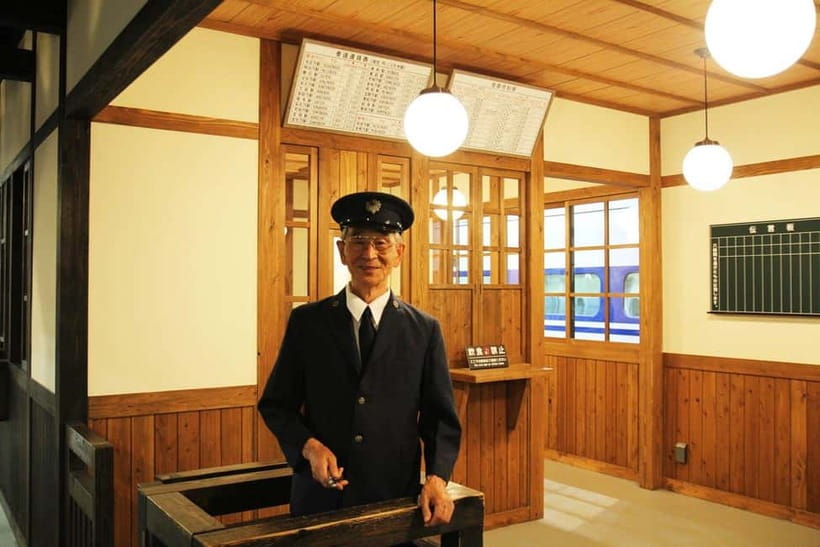
Many transport museums ask you to admire vehicles from behind a barrier. Here, you can step inside selected iconic trains. That small difference changes the experience.
Once you enter a carriage or cab area, railway travel becomes easier to picture. You can consider the space from the passenger’s point of view and see how the design of a train shapes the journey. It also gives children a more active role, since they can move through the train rather than simply look at it.
The Shinkansen is likely to be a major draw. For many people, seeing the bullet train up close is one of the clearest reasons to visit. The museum gives you a chance to appreciate its shape and interior in a way that a quick station sighting cannot provide.
I would not rush through the interiors. Look at the seats, doors, controls, and layout. These details explain why railway design matters. A train is both a machine and a public space, and the museum lets you see both sides.
Crowds may gather around the most famous trains, particularly during busy periods. If you want a quieter look, move between the major highlights instead of staying only at the first popular exhibit you find.
The steam locomotive ride adds a real sense of occasion
The working steam locomotive is one of the museum’s most appealing features. It changes the visit from a display of railway history into a short experience of railway movement.
The ride offers a nostalgic contrast to the high-speed Shinkansen. Steam power feels slower, heavier, and more visible. You can appreciate the effort involved in moving a train before modern electric technology made speed and efficiency the main goals.
I see this as one of the best additions for families, but it also has value for adults who enjoy the character of older rail travel. The ride gives context to the locomotives on display. You are not only looking at an old engine. You are seeing what it feels like to travel behind one.
The supplied details do not specify the ride’s exact timetable, length, or separate cost, so check current information when planning your day. Do not build your entire schedule around a precise departure until you have confirmed it.
The steam ride may be especially memorable for younger children, while older children and adults may prefer the simulators. Having both options is part of the museum’s strength.
More Entry Tickets in Kyoto:
- Nidec Kyoto Tower Ticket
★ 4.6 · 2,454 reviews - Kyoto Aquarium Admission Ticket
★ 4.6 · 771 reviews - UZUMASA KYOTO VILLAGE Ticket
★ 4.4 · 763 reviews - Kyoto: Nidec Kyoto Tower Observation Deck Admission Ticket
★ 4.5 · 273 reviews
Watch the roundhouse turntable rotate
The roundhouse and turntable provide one of the most distinctive sights at the museum. A turntable rotates locomotives so they can be directed toward different tracks. It is a simple idea, but seeing a large railway engine move in this way makes the machinery feel surprisingly alive.
I would make a point of checking when the rotation is scheduled during your visit. The exact timing is not provided here, so ask museum staff or consult the current information on arrival.
This is also a good example of why the museum feels more interesting than a static collection. The turntable shows railway infrastructure in action. You see not only the train but also the system that stores, organizes, and moves it.
The roundhouse is likely to appeal to anyone interested in mechanical design. Children may enjoy the movement itself, while adults can better understand how railway depots once handled large numbers of locomotives.
Try the simulators and hands-on displays
The realistic train-driving simulators give you a chance to take part rather than simply observe. They are designed to show what operating a train involves, making the experience more physical and engaging.
I like this feature because it turns an abstract job into something you can attempt yourself. Driving a train looks easy from a passenger seat. A simulator can show that speed, stopping, and control require attention.
The displays also include hands-on exhibits that explain how railways function. The museum is not limited to famous trains and historical photographs. It explores the technical side of rail travel, including the systems and ideas that support a railway network.
Expect the interactive areas to be popular. If a simulator has a queue, you may need to decide if the wait fits your schedule. Families should agree in advance on which activities matter most, especially if younger children want to try everything.
The museum’s appeal reaches beyond railway fans here. If you enjoy learning through controls, moving parts, and demonstrations, you can get a lot from these areas even if you arrived mainly to accompany someone else.
Study the railway dioramas at a slower pace
The railway dioramas offer a smaller-scale view of the subject. After seeing full-size trains, it can be helpful to watch an entire railway scene represented in miniature.
Dioramas show how tracks, stations, trains, and surrounding activity fit together. They help connect the individual exhibits to the larger railway system. I would give them time rather than treating them as decoration between the bigger attractions.
They also provide a calmer change of rhythm. The museum includes large machines, rides, and simulators, but not every part of the visit needs to be loud or active. The dioramas let you pause and look closely.
For children, miniature railways can hold attention in a different way from the full-size engines. Adults may appreciate the detail and the chance to see railway operation as a complete scene instead of one vehicle at a time.
Take a break at the Sky Terrace
The Sky Terrace offers views from above the museum. It is a useful place to pause after moving through large indoor exhibits and technical displays.
The supplied information does not specify exactly what can be seen from the terrace, so treat it as a viewing area rather than expecting a particular landmark. Its main value is the change of perspective and the opportunity to rest during a full museum day.
I would use the terrace as part of a natural break. Look out over the surroundings, regroup, and decide which sections you still want to visit. A museum with 53 trains can become tiring if you try to inspect every object at the same pace.
The indoor museum is described as cool and comfortable in one recent visit, but conditions can vary. The terrace gives you an outdoor pause regardless of the season, so dress sensibly for the day.
How long should you spend inside?
Your ticket is valid for one day, and the collection is large enough to support more than a quick stop. You could see the headline trains in a shorter visit, but the simulators, steam ride, turntable, dioramas, and terrace make a longer stay worthwhile.
I would plan this as a substantial part of the day rather than squeezing it into a spare hour. The museum has several kinds of activity, and the best visit includes both moving quickly through favorite trains and slowing down for the explanations.
Your ideal length depends on your group. A dedicated rail fan may want to study nearly everything. A family with small children may prefer a focused route built around the steam locomotive, interactive exhibits, and a few major trains.
Because the ticket lasts for one day, re-entry is possible as long as you present the admission ticket to staff. That can be useful if you need a break or want to leave and return later, though you should confirm the current procedure at the entrance.
Price, access, and practical planning
Standard admission costs about $9 per person, which is strong value for a museum with 53 real trains and a full day of possible activities. The price is especially reasonable if you use the simulators, watch the turntable, ride the steam locomotive, and spend time with the technical displays rather than making a brief photo stop.
Children younger than three enter free. Children between three and seven can buy tickets on-site for 200 yen. The information provided does not list a separate price for older children, so check the current ticket details before booking for a family group.
The museum is wheelchair accessible. That makes the attraction easier to consider for groups with different mobility needs, though the information does not describe every route or exhibit in detail.
The museum is closed every Wednesday. Opening hours may change, so check the official website before you go. This is particularly important because the admission ticket is non-refundable.
For entry, go directly to the Kyoto Railway Museum at 34.9870986, 135.7422732 and present your admission ticket to staff. If the entrance queue is long, follow the instruction to wait in the line marked Early Bird Advance Ticket.
The activity is provided by GlobalTix JP. The information supplied does not list tour-guide services or a guided language option, so plan for a self-directed museum visit.
Who will enjoy the Kyoto Railway Museum most?
I would recommend this museum first to railway enthusiasts, families, and anyone curious about Japan’s technology and transport culture. The full-size collection gives train fans plenty to study, while the simulators and steam ride keep the visit active for children.
It also suits adults who want an indoor attraction with more substance than a simple photo stop. The museum explains how railways work, not only which trains look impressive.
You may enjoy it less if you have very little interest in trains and want only a short attraction near central Kyoto. The museum is designed for exploration, and its value increases when you give it time.
The best approach is to treat the visit as a journey through several periods of Japanese railway development. Start with the big machines, add the interactive exhibits, watch the turntable, and finish with the terrace or dioramas at a slower pace.
Should you book the Kyoto Railway Museum?
Book it if you want an affordable, hands-on museum with real machines rather than a purely display-based history lesson. The combination of 53 trains, a steam locomotive ride, train simulators, a rotating turntable, and Shinkansen access gives you plenty to do for the price.
I would skip it only if your Kyoto schedule is extremely tight or if no one in your group has interest in transport, machinery, or interactive exhibits. Check the Wednesday closure and current opening hours first, then plan enough time to make the one-day ticket worthwhile.
FAQ
Where is the Kyoto Railway Museum?
The museum is in Kyoto on Honshu, Japan. The listed coordinates are 34.9870986, 135.7422732.
How much does admission cost?
Standard admission is listed at about $9 per person.
How long is the ticket valid?
The admission ticket is valid for one day.
Is the museum open every day?
No. The museum is closed every Wednesday. Opening hours may change, so check the official website before visiting.
Are children under three free?
Yes. Infants under three years old can enter free of charge.
How much do children aged three to seven pay?
Children between three and seven years old can purchase tickets on-site for 200 yen.
Can I re-enter the museum?
Yes. You must present your admission ticket to staff when re-entering.
Is the museum wheelchair accessible?
Yes. The activity information identifies the museum as wheelchair accessible.
Does admission include the steam locomotive ride?
The listed inclusion is standard museum admission. The supplied information highlights the working steam locomotive ride but does not clearly state whether it requires an additional payment, so check the current details at the museum.
More Train Experiences in Kyoto
- [Kyoto & Nara Day Tour] Sagano Scenic Railway & Nara Park & Fushimi Inari Taisha Thousand Torii Gates & Togetsukyo Bridge & Bamboo Grove & Kimono Forest (Departing from Osaka)
★ 4.9 · 10,942 reviews - Kyoto Arashiyama Scenic Train & Hozugawa River Boat Ride Day Trip (From Osaka / Kyoto)
★ 4.8 · 604 reviews - From Osaka: Sagano Train Ride and Kyoto Guided Day Tour
★ 4.3 · 180 reviews - Kyoto: Arashiyama Tour with optional Sagano Romantic Train
★ 4.7 · 18 reviews
Just added in Kyoto
- Kyoto Nara Day Trip │ Kiyomizu-dera Temple + Fushimi Inari-taisha Shrine + Nara Park (Departing from Osaka/Kyoto)★ 4.7 · 3,408 reviews
- Kyoto Kimono Rental Experience (Optional Elegant Hairstyle/Japanese Makeup/Photography) (Ookini Kimono Rental Yasaka Shrine Gion Store)★ 4.8 · 1,091 reviews
- Nidec Kyoto Tower Ticket★ 4.6 · 2,454 reviews
- Kyoto Sumo Show with Experience & Photo, 2 Drinks Included★ 5.0 · 941 reviews
- Kyoto Kimono Rental Experience (Optional Exquisite Hair Styling/Japanese Makeup/Photography) (Ookini Kiyomizu-dera Main Store)★ 4.7 · 1,700 reviews
- Kyoto Arashiyama Scenic Train & Hozugawa River Boat Ride Day Trip (From Osaka / Kyoto)★ 4.8 · 604 reviews
- Kyoto Aquarium Admission Ticket★ 4.6 · 771 reviews
- Kyoto: Ring Making Workshop : Vintage Japanese Coin Ring★ 5.0 · 1,900 reviews
Museums and Galleries, compared.

teamLab Borderless Tickets: MORI Building DIGITAL ART MUSEUM
Read our review →

teamLab Planets TOKYO Digital Art Museum Entry Ticket
Read our review →



Browse the lists this tour appears in