Reviewed · TEA CEREMONIES
KYOTO Tea Ceremony with kimono near by Imamiya Jinjya Shrine
Slow down for a cup of tea. This Kyoto experience combines the careful dressing of a traditional kimono with a guided tea ceremony near Daitoku-ji Temple, an area closely tied to Japanese tea culture. I like the chance to choose a kimono from a Nishijin collection, have your hair arranged, and take photographs before the ceremony begins. I also like that a tea master with 30 years of study demonstrates the ritual, then lets you prepare tea yourself. The main consideration is time: 90 minutes goes quickly, and the kimono dressing process can feel rushed if everyone arrives at once.
This is a polished cultural activity, but it does not feel like a quick costume rental and photo stop. You learn why the ceremony is performed in certain steps, how to behave in the tea room, and what the kimono patterns mean. The room has been used by three generations, which adds a personal sense of place. Still, the activity is held in an older building, and private transportation is not included, so you need to plan your route to the meeting point at 74-4 Murasakino Daitokujicho.
In This Review
- Key points at a glance
- Why this Kyoto tea ceremony feels different
- Choosing your kimono in Nishijin
- Hair styling and photographs before tea
- Watching a tea master with 30 years of study
- Seasonal sweets, matcha, and your turn at the bowl
- The meaning of the kimono adds real context
- How authentic is the experience?
- Group size, timing, and the location near Daitoku-ji
- Is $99.49 a fair price?
- Who should book this experience?
- Booking, cancellation, and practical advice
- Should you book it?
- FAQ
- Where does the tea ceremony take place?
- How long does the experience last?
- Is kimono use included?
- Is hair styling included?
- Can I make my own tea?
- Is transportation included?
- How many people can join the activity?
- What is the cancellation policy?
Key points at a glance
- Choose a Nishijin kimono: Pick a preferred color and pattern from a substantial collection before being dressed.
- Hair styling is included: Women can have their hair arranged as part of the preparation.
- Learn from a seasoned tea master: The demonstration is led by an instructor with 30 years of tea ceremony study.
- Make your own tea: After watching the formal presentation, you get a chance to prepare a cup yourself.
- Small group setting: The experience accepts no more than 12 people, keeping the session fairly personal.
- Photos are part of the fun: Staff help pose you and take pictures while you are dressed in traditional clothing.
Why this Kyoto tea ceremony feels different
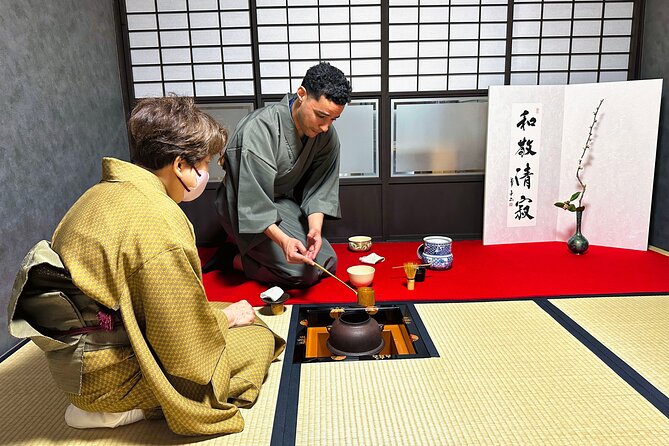
Kyoto offers plenty of activities where you put on a kimono for photographs. This one goes a step further by connecting the clothing to a formal tea gathering. The tea ceremony is not simply a performance that you watch from the edge of the room. You learn the basic manners, see the preparation close up, and take a turn making tea.
That combination matters. The kimono changes how you sit, walk, and move your hands, while the ceremony asks you to slow down and pay attention. Even if your tea-making technique is far from perfect, the attempt helps you understand the precision involved.
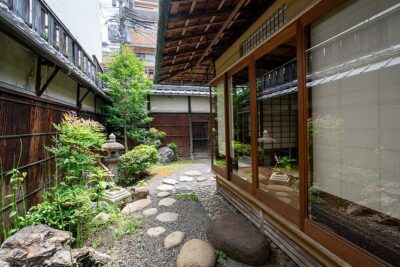
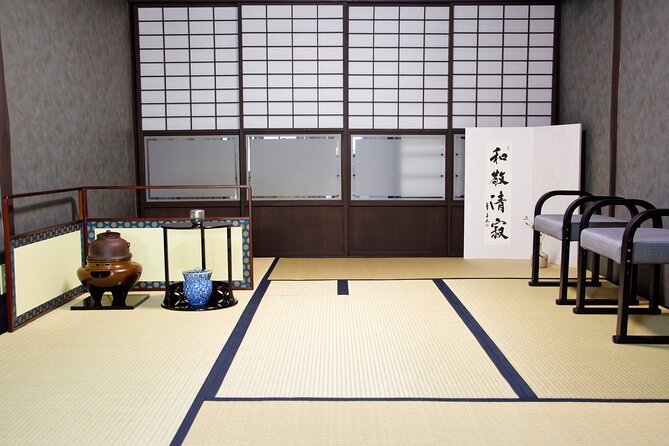
I also appreciate the setting. The tea room has been used for three generations and sits near Daitoku-ji Temple, a place strongly linked with Japanese tea culture. The building is described as somewhat old, so you should not expect a sleek modern studio. For many people, that lived-in quality will make the experience feel more grounded.
The activity is near Imamiya Jinjya Shrine as well, making it a useful choice if you are already visiting northern Kyoto. It is not in the middle of the main Gion sightseeing zone, so you should allow time to reach the address before the scheduled start.
More Kimono Experiences in Kyoto
- [Kyoto & Nara Day Tour] Sagano Scenic Railway & Nara Park & Fushimi Inari Taisha Thousand Torii Gates & Togetsukyo Bridge & Bamboo Grove & Kimono Forest (Departing from Osaka)
★ 4.9 · 10,942 reviews - Kyoto Geisha Walking Tour: Gion District & Hidden Gems
★ 4.7 · 3,273 reviews - Kyoto: Gion Magical Night Walking Tour with Geisha Trivia
★ 4.9 · 2,393 reviews
Choosing your kimono in Nishijin
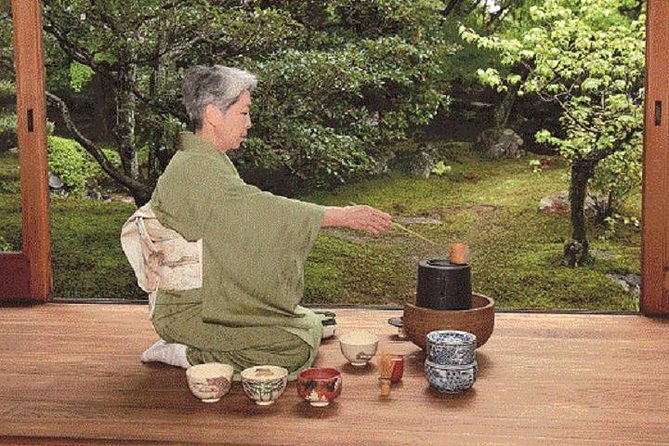
The experience begins with a choice of kimono. You select your favorite color and pattern from a collection associated with Nishijin, Kyoto’s famous textile district. This is not a tiny rack with only two or three options, so you can take a moment to think about the look you want in photographs.
A practical tip: decide in advance whether you prefer bright colors, soft shades, or a more traditional pattern. The dressing team works efficiently, and one useful piece of advice is to arrive with a general color choice in mind. If several people arrive together, selecting outfits can become hectic.
The dressing process is one of the most worthwhile parts of the experience. A kimono is not a single garment that you slip on over ordinary clothes. It involves several layers and careful adjustments. Staff help arrange everything properly, giving you a better sense of the work and skill involved in traditional dress.
This is also where the activity moves beyond simple dress-up. You begin to understand that wearing a kimono changes your posture and movement. The layers are carefully fitted, and the finished outfit feels formal rather than theatrical.
Men and women can take part. Women have hair styling included, with staff creating an updo to suit the kimono. The hair preparation is handled quickly, which helps the group stay on schedule, though the pace may feel brisk if you hoped for a long personal styling session.
Hair styling and photographs before tea
Once you are dressed, staff arrange a short photo session. This is a strong feature for couples, families, and solo visitors who want a record of the experience without having to arrange a separate photographer.
The staff do more than simply point a camera. They help with poses and take pictures while you are fully dressed, including the accessories and hairstyle. One guide, Akira, is specifically praised for helping people pose and for adding historical details during the session. Another guide name that appears in the experience feedback is Mera, though the spelling may vary.
You should think of this as a friendly photo opportunity rather than a formal portrait appointment. The time is shared with the rest of the group, and the main focus remains the tea ceremony. Still, the staff make an effort to ensure that solo visitors and family groups get photographs.
Arriving a little early is sensible. The group size can reach 12 people, and the dressing process involves several staff members working with multiple people. If everyone arrives at the same time, the first few minutes may feel busy. Getting there early gives the team more room to work and gives you a calmer start.
Watching a tea master with 30 years of study
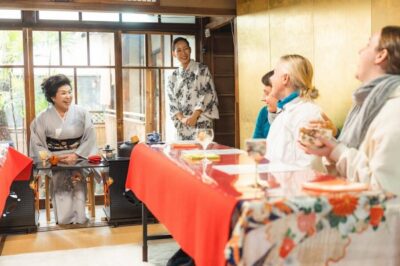
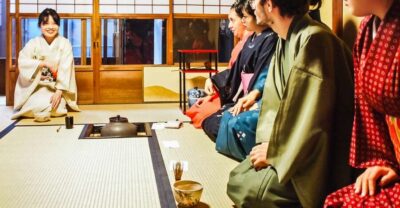
After the kimono preparation and photographs, you go upstairs to the tea room. The tea master first demonstrates the ceremony while an interpreter or guide explains what is happening.
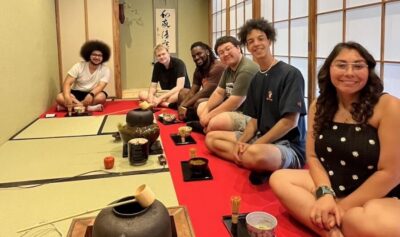
The demonstration is the heart of the experience. You see how the tea is prepared, how the utensils are handled, and how each movement has a purpose. The pace is measured and quiet, which makes a pleasant break from Kyoto’s crowded sightseeing areas.
The guide explains the background of the ceremony and the meaning behind its etiquette. You learn how to receive the tea, how to appreciate the seasonal sweet, and how to conduct yourself in the room. The explanations are designed for beginners, so you do not need previous experience with Japanese tea.
The ceremony is performed in Japanese and translated for the group. This helps preserve the traditional character of the presentation instead of turning it into a casual demonstration in English. The translation also gives you the context needed to understand what you are seeing.
A tea master who has studied for 30 years leads the session. That experience shows in the careful movements and the calm tone of the presentation. You are not expected to memorize every rule. The goal is to notice the spirit of the ceremony and understand why the process values patience, respect, and attention.
More Tea Ceremonies in Kyoto
- Kyoto: Tea Ceremony in a Traditional Tea House in Kiyomizu
★ 4.9 · 3,519 reviews - Kyoto: Tea Ceremony Ju-An at Jotokuji Temple
★ 4.9 · 3,207 reviews - Kyoto: 45-Minute Tea Ceremony Lesson Experience
★ 4.3 · 2,378 reviews - Kyoto: Table-Style Tea Ceremony at a Kyo-Machiya
★ 4.9 · 1,211 reviews
Seasonal sweets, matcha, and your turn at the bowl
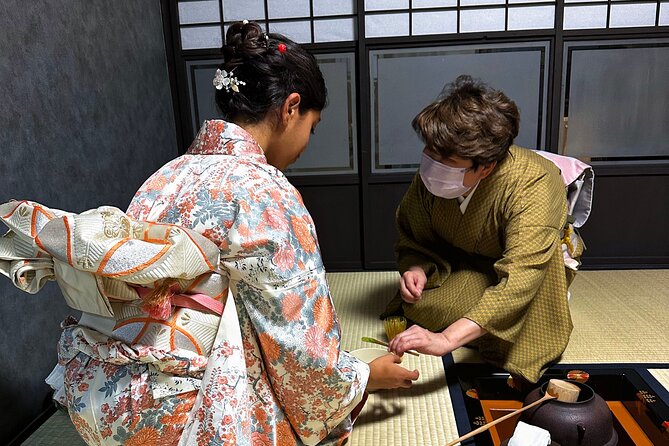
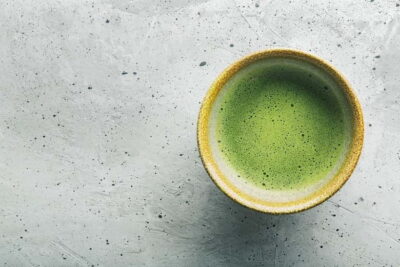
After the demonstration, you receive tea with a seasonal sweet. The sweet balances the bitterness of matcha and gives you a small but important part of the traditional sequence.
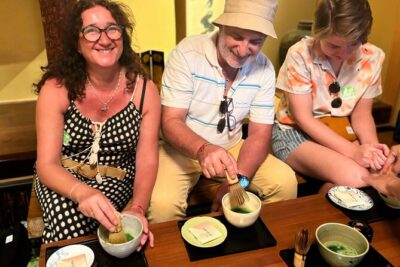
Then you get to prepare tea yourself. Depending on the group arrangement, you may make tea for another person, an especially enjoyable detail for couples, families, and friends. Solo participants are also included, so you are not left watching from the side.
Your first attempt may be clumsy. That is part of the charm. The tea master and assistants guide you through the basic actions, and the activity is meant to teach rather than test your skill.
I like this hands-on section because it changes the mood. The demonstration can feel formal, while making tea gives you permission to participate. You begin to notice how much control is needed to create the right texture and how much care goes into a drink that might otherwise seem simple.
The activity includes coffee and/or tea, along with a professional instructor. The listed price does not include private transportation, so food or extra sightseeing before and after the activity is your responsibility.
The meaning of the kimono adds real context
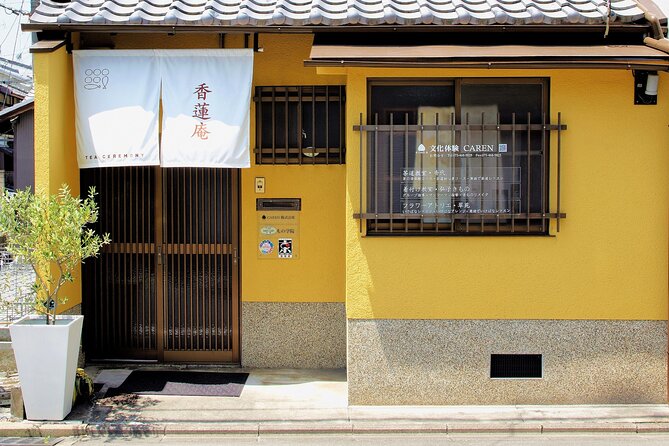
The kimono is not just decoration for photographs. The guide discusses the meaning of different patterns and colors, helping you see the clothing as part of Japanese culture rather than a costume.
This explanation adds value to the first half of the activity. Without it, choosing a kimono would still be fun, but the clothing could remain a surface-level prop. With the background, you can pay more attention to the fabric, design, and way the outfit is worn.
The layered dressing also gives you a more respectful understanding of traditional clothing. It takes several people to prepare the outfit correctly, and the process makes clear why kimono dressing is treated as an art. You may leave with more appreciation for the clothing than you expected.
That said, this is still a short introductory experience. You will not receive a full course in kimono history or tea ceremony school traditions. The explanations are broad enough for first-time visitors and designed to fit within the 90-minute schedule.
How authentic is the experience?
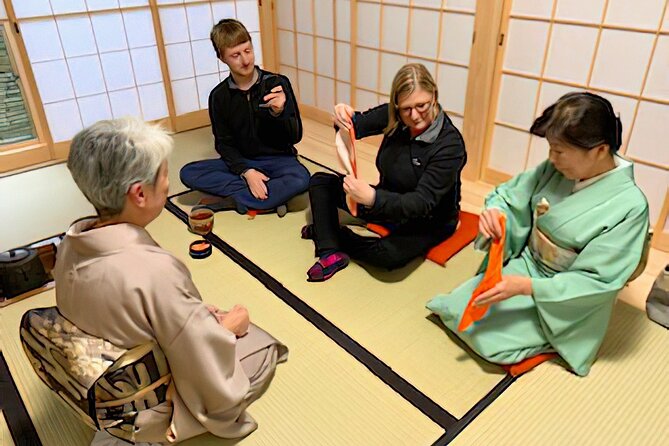
The strongest part of the experience is its balance. You get the enjoyable visual appeal of wearing a kimono, but the tea ceremony is treated seriously. Staff explain the rituals, the tea master performs the ceremony properly, and you learn basic etiquette before taking your turn.
The setting also helps. A tea room used for three generations feels different from a temporary event space. Its older condition may not suit someone seeking polished surroundings, but the age of the room supports the traditional character.
I would describe the activity as accessible rather than intensely formal. You are welcomed, photographed, and encouraged to ask questions. The presence of an interpreter makes the ceremony easier to follow, and the tone is warm enough for teenagers and first-time visitors.
This is not a silent meditation retreat. There is dressing, conversation, instruction, and a group photo session. If you want a private, highly solemn ceremony with no tourist elements, this may feel too organized. If you want a respectful introduction that lets you participate, it is a strong match.
Group size, timing, and the location near Daitoku-ji
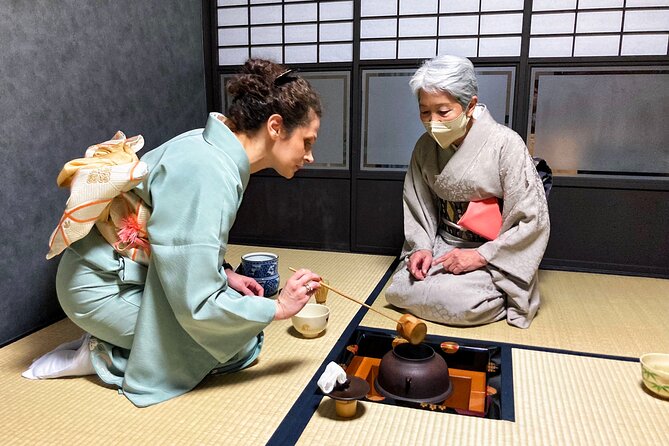
The maximum group size is 12 people. That is small enough for staff to help with dressing, photographs, and tea preparation, though the exact pace depends on how many people arrive together.
The full experience lasts about one hour and 30 minutes. The schedule includes kimono selection, dressing, hair styling for women, photographs, the tea master’s demonstration, explanations, a sweet, and hands-on tea preparation. You should arrive ready to use the time efficiently.
The meeting point is Tea Ceremony Caren at 74-4 Murasakino Daitokujicho in Kyoto’s Kita Ward. The activity ends back at this same meeting point. It is near public transportation, but private transportation is not part of the booking.
The area near Daitoku-ji is a good fit for a day focused on northern Kyoto. You can pair the activity with nearby temple and shrine visits, including Imamiya Jinjya Shrine. Keep your schedule flexible enough to account for transport and finding the exact address.
The experience requires good weather. If poor weather causes cancellation, you are offered another date or a full refund. A minimum number of participants is also required, and if that minimum is not met, you are offered a different date or experience or a full refund.
Is $99.49 a fair price?
At $99.49 per person, this is not the cheapest way to see or drink matcha in Kyoto. You are paying for much more than one bowl of tea, though. The price covers kimono use, assistance with dressing, hair styling for women, photographs, instruction, seasonal sweets, a tea master’s demonstration, and the chance to prepare tea yourself.
For me, the value depends on what you want from Kyoto. If your priority is a quick tasting, you can find simpler and less expensive tea experiences. If you want traditional clothing, cultural explanation, and active participation in one compact program, the package is easier to justify.
It is particularly good value for families and couples who would otherwise pay separately for kimono rental, hair styling, and photographs. Solo visitors also receive the main benefits, since the staff help with posing and make sure individuals can take part in preparing tea.
The very high recommendation rate and 5-star rating from hundreds of bookings suggest that the experience delivers what it promises. Still, price alone does not guarantee that it suits you. Someone uncomfortable with layered clothing, formal sitting, or a scheduled group format may prefer a more casual tea stop.
Who should book this experience?
I would recommend it to first-time visitors who want a clear introduction to Japanese tea culture. You do not need prior knowledge, and the guide explains the ceremony in a way that makes the formal steps easier to follow.
It also suits:
- Couples who want shared photographs and a hands-on activity
- Families with older children or teenagers
- Solo visitors who want a structured cultural experience
- Anyone interested in traditional clothing and textile patterns
- Visitors who enjoy learning by watching and then trying something themselves
- People already planning to visit Daitoku-ji or Imamiya Jinjya Shrine
I would be more cautious if you have limited time in Kyoto and are staying far from the meeting point. The session itself is only 90 minutes, but getting to northern Kyoto and continuing to another part of the city takes planning.
You should also know that the kimono dressing is an active process involving several layers. It is a highlight for many people, but it may feel restrictive or tiring if you are not comfortable sitting formally or wearing structured clothing.
Booking, cancellation, and practical advice
The experience offers mobile tickets and confirmation at the time of booking. Free cancellation is available until 24 hours before the start time for a full refund. Changes or cancellations made less than 24 hours before the start time are not accepted for a refund.
I would book a time that leaves room before and after the activity. Rushing from another Kyoto sight will make the kimono preparation less enjoyable, especially if several people arrive together.
Wear an attitude of patience. The ceremony rewards quiet attention, and the best part is not simply getting the perfect photograph. It is noticing the careful movements, the seasonal sweet, the texture of the clothing, and the way the tea master creates a calm room.
Should you book it?
Book this experience if you want photographs with real cultural substance behind them. You choose a kimono, have your hair arranged, learn about the clothing, watch a tea master with decades of study, and prepare tea yourself. That is a fuller experience than a standard dress-up session.
I would skip it only if you want a very private ceremony, a modern venue, or a quick and inexpensive cup of matcha. For most visitors who want one memorable, well-organized cultural activity in Kyoto, the $99.49 price is reasonable, especially for couples and families. Arrive early, plan your transport to northern Kyoto, and let the ceremony take its time.
FAQ
Where does the tea ceremony take place?
The meeting point is Tea Ceremony Caren at 74-4 Murasakino Daitokujicho, Kita Ward, Kyoto, 603-8231, Japan. The experience ends back at the same meeting point.
How long does the experience last?
The tea ceremony and kimono activity lasts approximately one hour and 30 minutes.
Is kimono use included?
Yes. You can choose a kimono from the collection and receive assistance putting it on.
Is hair styling included?
Hair styling is included for women before the kimono is put on.
Can I make my own tea?
Yes. After watching the tea master’s demonstration and learning about the ceremony, you have the opportunity to prepare your own tea.
Is transportation included?
No. Private transportation is not included. The meeting point is near public transportation.
How many people can join the activity?
The experience has a maximum group size of 12 people.
What is the cancellation policy?
You can cancel at least 24 hours before the start time for a full refund. Cancellations or changes made less than 24 hours before the start time are not refunded. If poor weather or an insufficient number of participants causes cancellation, you are offered another date or experience or a full refund.
More Temples and Shrines in Kyoto
- Kyoto: Fushimi Inari, Kinkakuji, Bamboo Grove 1 Day Bus Tour
★ 4.8 · 4,316 reviews - Kyoto Nara Day Trip │ Kiyomizu-dera Temple + Fushimi Inari-taisha Shrine + Nara Park (Departing from Osaka/Kyoto)
★ 4.7 · 3,408 reviews - Fushimi Inari Hidden Hiking Tour (Private Option Available)
★ 5.0 · 1,750 reviews - Kyoto Kimono Rental Experience (Optional Exquisite Hair Styling/Japanese Makeup/Photography) (Ookini Kiyomizu-dera Main Store)
★ 4.7 · 1,700 reviews
Just added in Kyoto
- The “Golden Route” and Ancient Japan by DIAMIR Erlebnisreisen – 14-Day Tour★ 2.0 · 2 reviews
- Japan: Castles & Cuisine by G Adventures – 6-Day Kyoto to Osaka Tour★ 4.5 · 4 reviews
- Cycle Japan by Explore! – 13-Day Kyoto to Tokyo Tour★ 4.7 · 12 reviews
- Cycle Japan by Intrepid Travel – 11-Day Kyoto to Tokyo Tour★ 4.8 · 2 reviews
- Classic Japan by Intrepid Travel – 11-Day Kyoto to Tokyo Tour★ 4.4 · 14 reviews
- Ancient & Modern Japan 14-Day Tour by Exodus Adventure Travels★ 4.4 · 40 reviews
- 5 Day Cultural Adventure of Kyoto, Nara & Osaka by Tourist Journey★ 2.5 · 2 reviews
- 12 Days Kinosaki Onsen Escape: A Journey Through Japan’s Timeless Towns by UME Travel★ 4.8 · 5 reviews
Tea Ceremonies, compared.
Tea Ceremony in a Traditional Tea House in Kiyomizu
Read our review →
World Heritage Kyoto & Nara Uji Authentic Matcha Experience
Read our review →