
Reviewed · TEA CEREMONIES
Kyoto: Wazuma Magic Show & Tea Ceremony
Magic in Kyoto has an old face. In a quiet Gion tea room, this one-hour experience pairs a close-up Wazuma performance with a bowl of Uji matcha, giving you something far less ordinary than a standard stage show. I like the private six-seat setting, where every gesture happens just a short distance away. I also like the calm tea service afterward, which gives the hour a graceful finish rather than ending with a quick trick and a goodbye.
The main consideration is the price: $77 per person for one hour is not a casual budget activity. You are paying for a private group, a rare art form, and a carefully controlled setting, not for a long sightseeing tour. The Gion location also means you must find your own way there, and the venue is not suitable for wheelchair users.
In This Review
- Key points to know before booking
- Why Wazuma feels different from a regular magic show
- Entering the private Gion tea room
- The first 30 minutes: Wazuma magic at close range
- The second 30 minutes: Uji matcha and clear English guidance
- What the private format is really worth
- How to fit it into a Kyoto day
- Who will enjoy this most
- Booking, cancellation, and small practical details
- Should you book the Wazuma experience?
- FAQ
- Where does the Wazuma magic show take place?
- How long is the activity?
- How is the hour divided?
- Is the show private?
- Is the activity offered in English?
- How early should I arrive?
- Is transportation included?
- Is photography allowed during the performance?
- Can wheelchair users join?
- Can I cancel for a refund?
Key points to know before booking
- Wazuma is a rare Japanese illusion art said to be about 1,000 years old, with fewer than ten masters still performing it.
- Your group has the tea room to itself, with only six seats available for each performance.
- The hour is split evenly, with 30 minutes of magic followed by 30 minutes of Uji matcha.
- Masaya and Tamaki are among the names connected with the experience, and the performers have been praised for warmth, personality, and close-up skill.
- English guidance is included, making the tea portion approachable even if you know little about Japanese tea customs.
- Arrive five minutes early, and remember that flash photography is not allowed during the show.
Why Wazuma feels different from a regular magic show
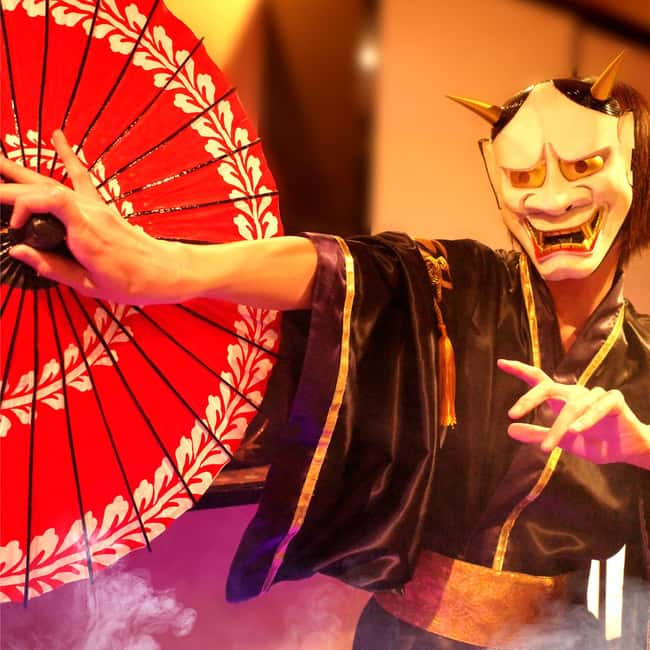
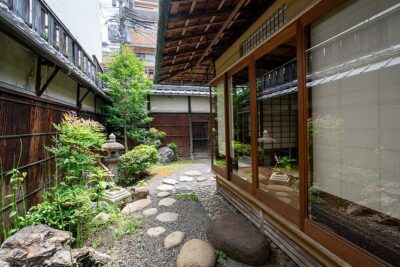
The word magic can bring to mind a theater, a large audience, and tricks viewed from a distance. Wazuma offers something much smaller and more personal. The performance takes place in a traditional tea room in Gion, with no more than six seats.
That scale matters. You are not watching a performer from the back row. The hand movements, props, and small gestures happen close enough for you to inspect them. Yet the appeal is not simply trying to catch a hidden mechanism. Wazuma is presented as an old Japanese art, with its own style, atmosphere, and ritual feel.
The tradition is described as roughly 1,000 years old and is recognized in Japan as intangible cultural heritage. Fewer than ten masters are said to remain. Those details give the show weight, but you should still think of it as entertainment shaped by tradition, not as a museum lecture.
I appreciate that distinction. You do not spend the hour listening to a long historical explanation. Instead, the cultural context comes through the setting, the measured movements, the intimate performance, and the quiet sense that you are seeing an art form rarely offered to visitors.
The small room also changes your role. You may feel less like an observer and more like part of the performance. Several people have described the show as interactive, and one especially useful detail is that some guests may be brought close to the sleight of hand. That can make the experience exciting, though it also means you should be comfortable with direct participation.
More Tea Ceremonies in Kyoto
- Kyoto: Tea Ceremony in a Traditional Tea House in Kiyomizu
★ 4.9 · 3,519 reviews - Kyoto: Tea Ceremony Ju-An at Jotokuji Temple
★ 4.9 · 3,207 reviews - Kyoto: 45-Minute Tea Ceremony Lesson Experience
★ 4.3 · 2,378 reviews
Entering the private Gion tea room
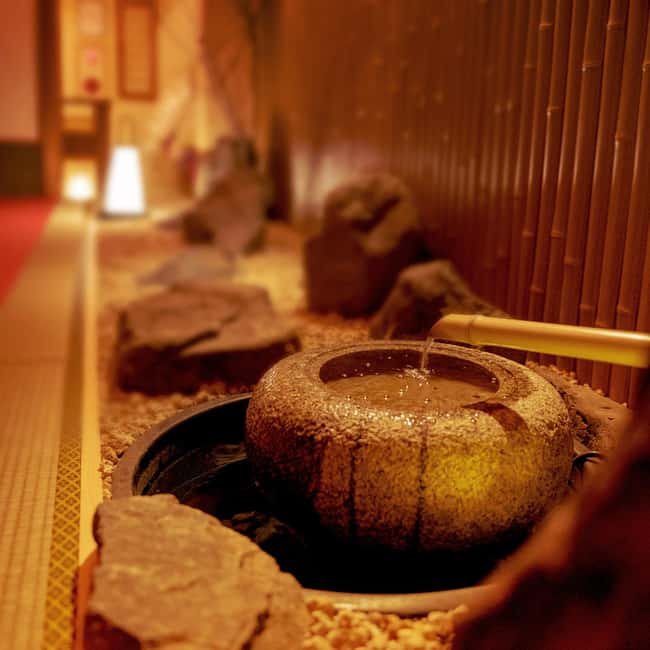
The activity takes place in a traditional tea room in Kyoto’s Gion area. A staff member waits in front of the building five minutes before the scheduled start, so this is not the kind of booking where you should arrive at the exact minute and expect a long check-in period.
Gion is a good match for the experience. Its traditional streets and old-style buildings help set the mood, but the venue itself is discreet and located down a quiet alley. You should plan your route in advance, since transportation to and from the activity is not included.
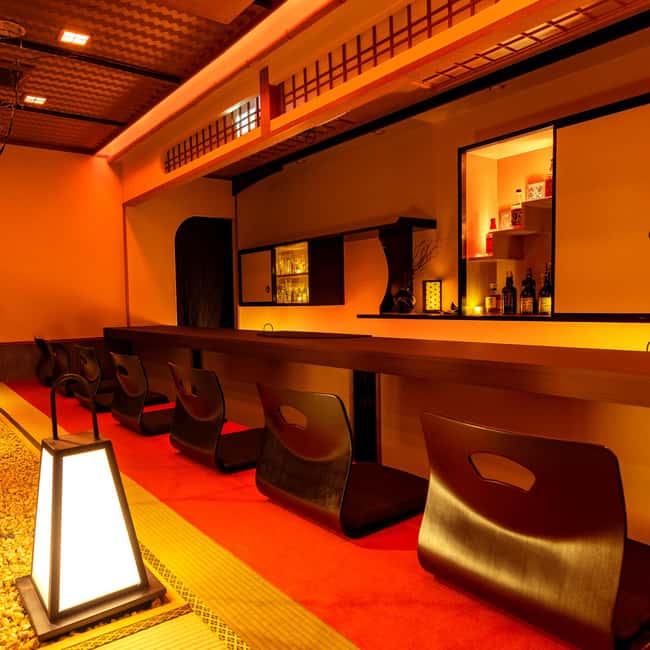
There are only six seats. The room is reserved for one private group, rather than mixed with strangers. For a couple, family, or small group of friends, this is one of the strongest features. You can react naturally, ask questions during the appropriate moments, and share the performance without a crowd around you.
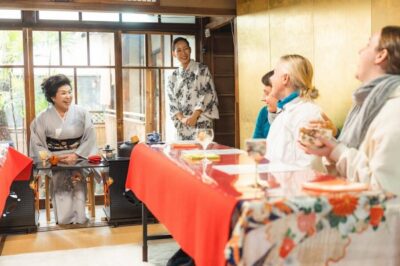
The setting has also received plenty of praise. It is described as beautiful, refined, and well arranged. That matters because a tea room is not a neutral theater space. The room, seating, and quiet atmosphere form part of the performance.
There is a practical limit here. The intimate design is not suitable for wheelchair users, and the six-seat capacity means availability may be limited. This is a reservation-only activity, not a show you can casually join after wandering through Gion.
The first 30 minutes: Wazuma magic at close range
The magic portion lasts about 30 minutes. That is long enough to create a complete performance but short enough to fit neatly into a busy Kyoto day.
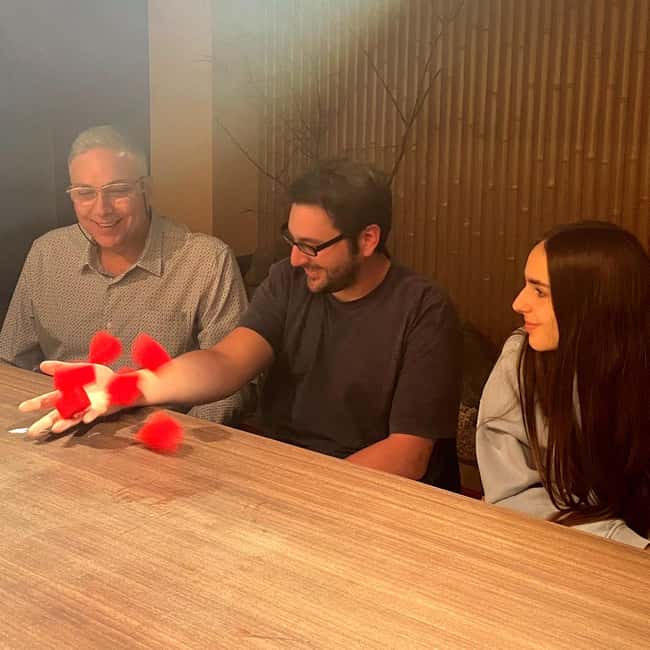
The central appeal is proximity. The tricks happen right in front of you, yet the method remains difficult to identify. That combination comes through repeatedly in the strongest reactions to the experience. People describe being amazed even when the performer’s hands are close and the action is easy to see.
That is a good sign for anyone who has watched plenty of modern stage magic. Wazuma does not depend on a large set or loud production. Its effect comes from control, timing, objects, gesture, and the performer’s connection with the small audience.
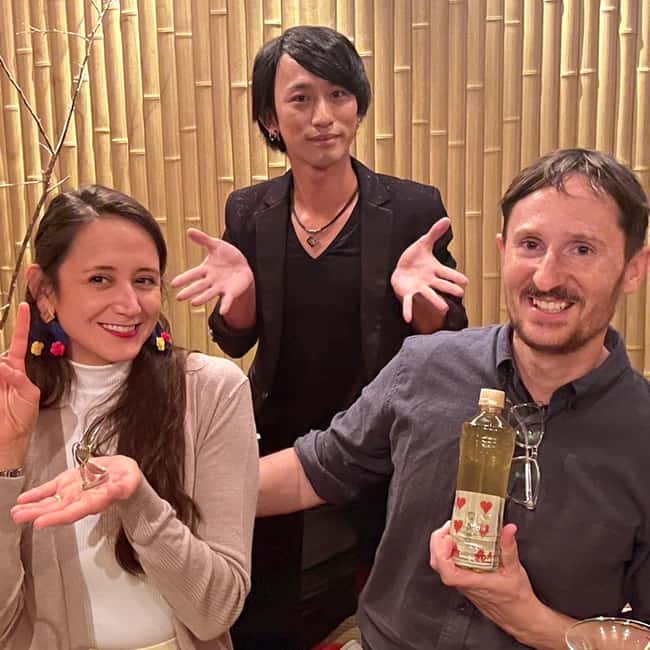
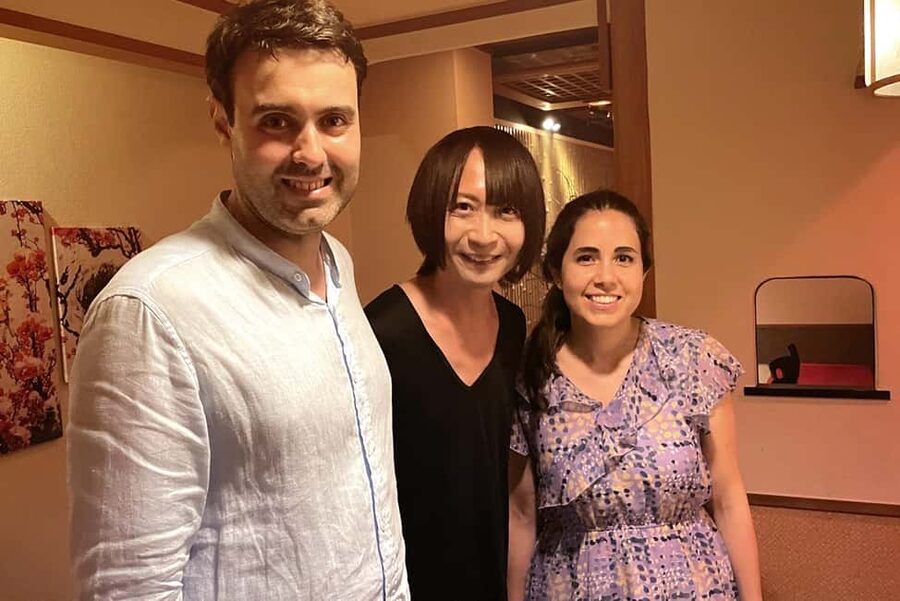
The performance has also been described as theatrical and full of personality. Masaya is named in several comments, with particular praise for his close-up style and friendly manner. Tamaki is also associated with the experience. Since the supplied information does not give a fixed performer schedule, you should not assume that both will appear at every booking.
Some guests receive a small souvenir or memento at the end. The exact item is not specified, so treat it as a pleasant extra rather than part of the main value calculation. It does, however, add a physical reminder of an art form that most people will not encounter elsewhere on a Kyoto itinerary.
Photography deserves a clear warning. Flash photography is not allowed during the performance. Given the close setting, you should also be prepared to put your phone away and give the performer your attention. The show is built around small visual details, and constant camera use would work against the atmosphere.
The possible weakness is that the 30-minute show may feel brief if magic is your main reason for booking. The format favors quality and intimacy over length. If you want a full evening performance with several acts, this is not that. If you want one focused cultural encounter, the shorter format works well.
The second 30 minutes: Uji matcha and clear English guidance
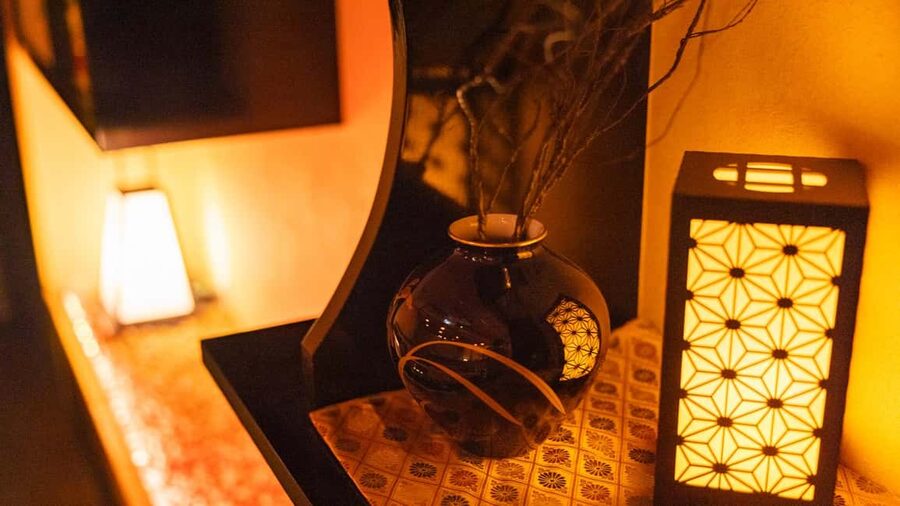
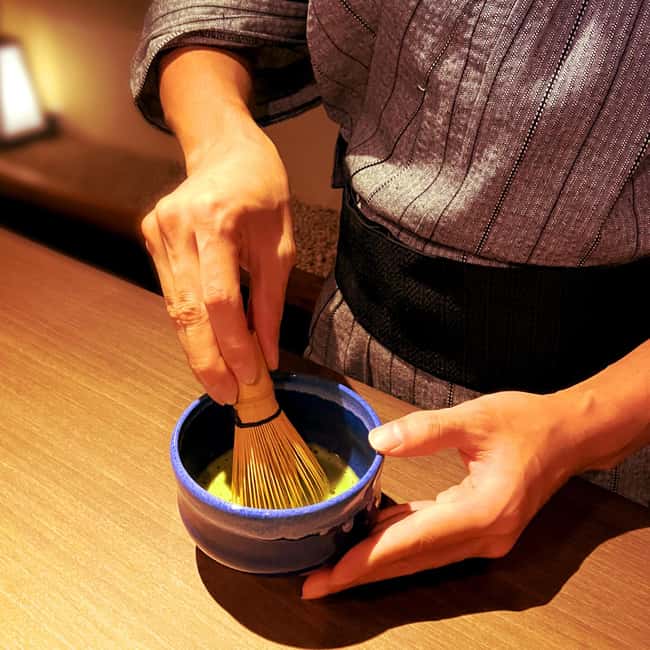
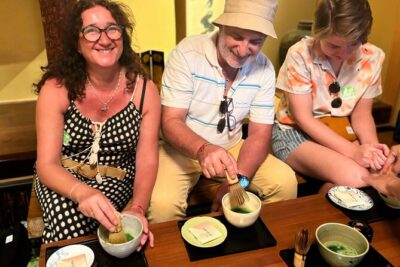
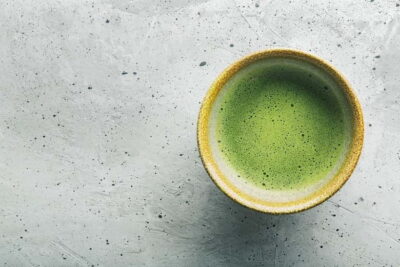
After the magic, the tone shifts. The second half is a 30-minute tea time featuring hand-whisked Uji matcha.
This change is one of the best choices in the format. The magic gives you surprise and energy. The tea portion slows things down and lets you pay attention to taste, preparation, and the room. A few people have specifically praised the matcha as tasty, while others liked the way the tea ceremony added a peaceful cultural touch.
You receive English guidance, which makes the experience easier to follow. The information provided does not promise an extended tea lesson, so I would think of this as guided tea time rather than a full formal tea-school course. You can expect help understanding what is being served and how the moment fits the Japanese tradition.
The use of Uji matcha is significant. Uji, near Kyoto, is closely associated with high-quality Japanese tea. Here, the point is not to visit a tea farm or learn every stage of production. It is to enjoy a carefully prepared bowl in an appropriate setting after the performance.
This is also where the private format pays off again. You are not being rushed through a crowded tasting line. The tea is served after the show, and the quiet shift from illusion to matcha gives the experience a balanced rhythm.
Still, visitors who dislike matcha should think carefully before booking. The tea is a central part of the activity, not an optional add-on. The supplied information does not state that another drink is available, so you should not book this expecting a substitute.
A completely different kind of day out:
- PERFECT KYOTO 1-Day Bus Tour
★ 5.0 · 13,518 reviews - [Kyoto & Nara Day Tour] Sagano Scenic Railway & Nara Park & Fushimi Inari Taisha Thousand Torii Gates & Togetsukyo Bridge & Bamboo Grove & Kimono Forest (Departing from Osaka)
★ 4.9 · 10,942 reviews - Kyoto: Fushimi Inari, Kinkakuji, Bamboo Grove 1 Day Bus Tour
★ 4.8 · 4,316 reviews - Kyoto: Gion Make Your Own Chopsticks with Engraving Option
★ 5.0 · 3,465 reviews
What the private format is really worth
At $77 per person, this is expensive compared with a basic tea tasting or a short public magic show. The price becomes easier to understand when you separate the parts of the experience.
You are paying for:
- A private group rather than a shared audience
- A traditional tea room in Gion
- A 30-minute Wazuma performance
- A 30-minute Uji matcha service
- English guidance
- A rare art form performed by one of very few remaining masters
- A small-capacity booking with only six seats
I would not call it the best choice for someone counting every yen. Kyoto offers many low-cost ways to enjoy tea, temples, gardens, and street life. This booking makes more sense when you want one polished, unusual event and are willing to pay for privacy.
For couples, the price can work well because the setting feels personal without requiring a long formal meal or an expensive evening show. It may also suit a small family group or friends who want something everyone can discuss afterward.
The value is less convincing if you mainly want a lesson. The experience includes English guidance, but there is no promise of hands-on tea preparation, a detailed history course, or an extended workshop. Its strength is the combination of viewing and tasting.
How to fit it into a Kyoto day
The activity lasts one hour, and starting times vary. You should check the available time before planning the rest of your day. Since transportation is not included, leave enough time to reach the Gion building and locate the meeting point.
Arriving five minutes early is not just a polite suggestion. The activity is reservation only, the group is small, and the staff member meets you outside shortly before the show. Late arrival may disrupt a performance designed around quiet concentration.
A useful plan is to place the experience near other Gion sightseeing, but do not assume it will be directly beside your previous stop. The precise building address and transit instructions are not included in the supplied details, so check the booking information carefully before setting out.
The one-hour length makes it easy to pair with a walk through Gion, an evening meal, or another short activity. I would avoid scheduling it between two distant parts of Kyoto. The show itself is compact, but city transport and finding a quiet alley can take longer than expected.
This is also an indoor activity, which gives you a dependable option in poor weather. The details do not specify footwear rules, seating style beyond the six-seat room, or temperature inside the venue, so follow any instructions sent after booking.
Who will enjoy this most
I would recommend the experience to you if you like:
- Traditional arts presented in a small setting
- Close-up magic rather than large stage productions
- Unusual cultural activities that are hard to find elsewhere
- Matcha and quiet tea-room atmospheres
- Private bookings with friends, family, or a partner
- Short activities that fit into a full Kyoto schedule
It is especially appealing for a repeat visitor who has already seen major temples and wants a different side of Kyoto. It can also make a memorable choice for a special afternoon, since the private room and rare performance give it a sense of occasion.
You may want to skip it if you need wheelchair access, dislike matcha, want a long activity, or prefer to spend $77 on several hours of sightseeing. It is also not ideal if you want to take lots of photos during the magic. Flash is prohibited, and the show is better enjoyed with your eyes on the performer.
The activity appears to work for both adults and older children, but the supplied information does not give a minimum age. If you are booking for young children, confirm the age policy before paying.
Booking, cancellation, and small practical details
The experience is available by reservation only, with a private group format and English-speaking host or greeter. You can reserve now and pay later, which helps if your Kyoto schedule is still changing.
Free cancellation is available up to 24 hours before the activity for a full refund. Check the exact starting time and meeting instructions when booking, since availability changes.
The experience is not a transportation tour. You are responsible for reaching the Gion meeting point and returning to your hotel or next stop. Personal expenses are also not included, though the listed tea service and magic performance are covered.
The overall rating is 4.8 from 29 reviews, and the most consistent praise centers on the same points: the beautiful room, the close-up magic, the friendly presentation, the tasty matcha, and the rare combination of entertainment with Japanese tradition. That consistency gives me confidence in the basic format, while the limited duration and price remain the main points to weigh.
Should you book the Wazuma experience?
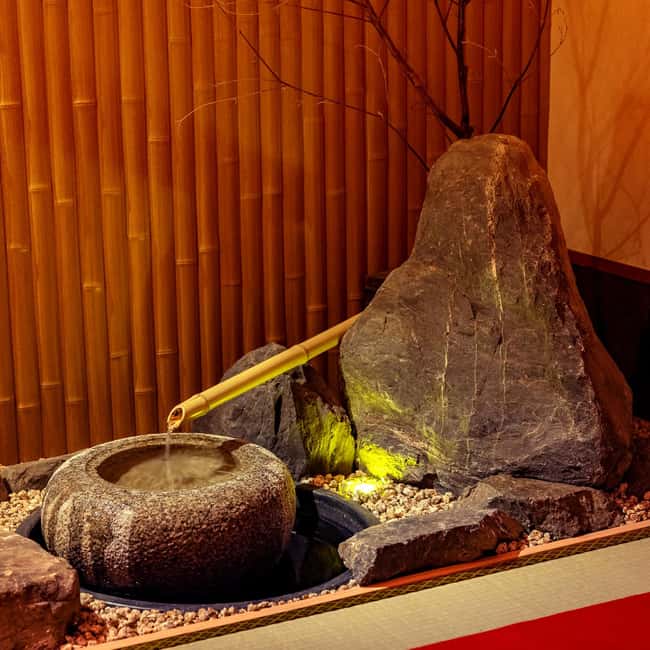
Book this if you want a polished, private Kyoto memory rather than another standard attraction. The strongest reason is the pairing: rare close-up Wazuma magic first, then a calm bowl of Uji matcha in the same intimate tea room.
I would especially choose it for a couple, a small private group, or anyone who has limited time but still wants something rooted in Japanese culture. The $77 price is fair for the private setting and unusual performance, though not a bargain.
Skip it if you want a long tea course, broad sightseeing, wheelchair access, or a low-cost activity. For everyone else, this is a smart one-hour addition to a Gion day, with enough surprise to make it memorable and enough quiet afterward to let the experience settle.
FAQ
Where does the Wazuma magic show take place?
It takes place in a traditional tea room in Kyoto’s Gion area.
How long is the activity?
The complete experience lasts one hour.
How is the hour divided?
The first 30 minutes are a traditional Japanese magic show. The final 30 minutes are Uji matcha tea time.
Is the show private?
Yes. The booking is for a private group, and the tea room has only six seats available.
Is the activity offered in English?
Yes. The host or greeter and the tea guidance are in English.
How early should I arrive?
You should arrive at the venue five minutes before the show begins. A staff member waits in front of the building.
Is transportation included?
No. Transportation to and from the activity location is not included.
Is photography allowed during the performance?
Flash photography is not allowed during the magic show.
Can wheelchair users join?
No. The activity is not suitable for wheelchair users.
Can I cancel for a refund?
Yes. You can cancel up to 24 hours in advance for a full refund.
More Show in Kyoto
- Kyoto Sumo Show with Experience & Photo, 2 Drinks Included
★ 5.0 · 941 reviews - Kyoto: Sumo Experience (with Live Show & Audience Challenge)
★ 5.0 · 519 reviews - Kyoto Gion Cultural Walk & Geisha Show with Dining Options
★ 5.0 · 518 reviews - Kyoto Gion Cultural Walk & Geisha Show with Dining Options
★ 5.0 · 483 reviews
Just added in Kyoto
- The “Golden Route” and Ancient Japan by DIAMIR Erlebnisreisen – 14-Day Tour★ 2.0 · 2 reviews
- Japan: Castles & Cuisine by G Adventures – 6-Day Kyoto to Osaka Tour★ 4.5 · 4 reviews
- Cycle Japan by Explore! – 13-Day Kyoto to Tokyo Tour★ 4.7 · 12 reviews
- Cycle Japan by Intrepid Travel – 11-Day Kyoto to Tokyo Tour★ 4.8 · 2 reviews
- Classic Japan by Intrepid Travel – 11-Day Kyoto to Tokyo Tour★ 4.4 · 14 reviews
- Ancient & Modern Japan 14-Day Tour by Exodus Adventure Travels★ 4.4 · 40 reviews
- 5 Day Cultural Adventure of Kyoto, Nara & Osaka by Tourist Journey★ 2.5 · 2 reviews
- 12 Days Kinosaki Onsen Escape: A Journey Through Japan’s Timeless Towns by UME Travel★ 4.8 · 5 reviews
Tea Ceremonies, compared.
Tea Ceremony in a Traditional Tea House in Kiyomizu
Read our review →
World Heritage Kyoto & Nara Uji Authentic Matcha Experience
Read our review →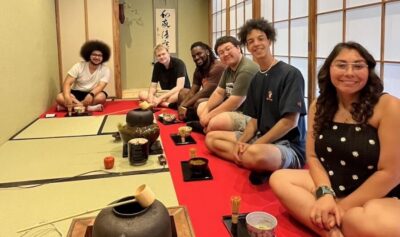
Browse the lists this tour appears in