
Reviewed · TEA CEREMONIES
Matcha Experience with of Japanese Tea Tasting in Tokyo
A cup of tea can tell a whole story. This intimate Tokyo class pairs seven or more Japanese teas with clear lessons from Chisei, a former Kyoto tea farmer, and hands-on matcha making. I especially like the small limit of five people and the chance to compare sencha, gyokuro, hojicha, genmaicha, Japanese black tea, and several matcha styles in one sitting. Rina’s homemade sweets add a warm, personal touch.
The main consideration is the price, about $57.98 per person, for roughly 90 minutes. That is more than you would spend ordering tea in a cafe, but you are paying for instruction, a wide tasting, snacks, and a practical skill you can repeat at home. If you only want a quick matcha drink, this is too much. If you want to understand what is in your cup, it is a strong value.
In This Review
- Key points at a glance
- Why this Tokyo tea class feels different
- Meeting Chisei and Rina in Taito City
- Starting with a seasonal welcome drink
- Comparing six Japanese green teas
- Japanese black tea and Rina’s homemade sweets
- Whisking your own usucha matcha
- Matcha lattes and hojicha lattes
- What the $57.98 price buys you
- Who should book this experience
- Should you book the Matcha Experience in Tokyo?
- FAQ
- Where does the matcha experience take place?
- Where does the experience end?
- How long does the class last?
- How many people can join?
- Which Japanese teas are included?
- Can I make my own matcha?
- Are snacks included?
- What is the cancellation policy?
Key points at a glance
- Chisei’s six years as a Kyoto tea farmer give the class first-hand insight into cultivation and processing.
- The group is limited to five people, so you can ask questions without shouting across a room.
- You taste a broad range of teas, including sencha, kabusecha, gyokuro, deep-steamed sencha, hojicha, brown rice tea, Japanese black tea, and matcha.
- Rina makes homemade sweets to pair with the tea, and the class may include the unusual chance to eat tea leaves with ponzu.
- You whisk your own usucha matcha, then try matcha and hojicha lattes.
- The class takes place near public transportation in Taito City and returns to its starting point.
Why this Tokyo tea class feels different
Many visitors first meet Japanese tea as a cafe menu item: matcha latte, iced hojicha, or a small pot of sencha. Those drinks are pleasant, but they do not explain why one green tea tastes grassy, another sweet, and another almost savory.
This class gives you that missing context. Chisei explains how tea is grown and processed, then lets you taste the results side by side. That comparison matters. You are not trying to remember an isolated cup from breakfast. You are tasting several teas in sequence, which makes the differences easier to notice.
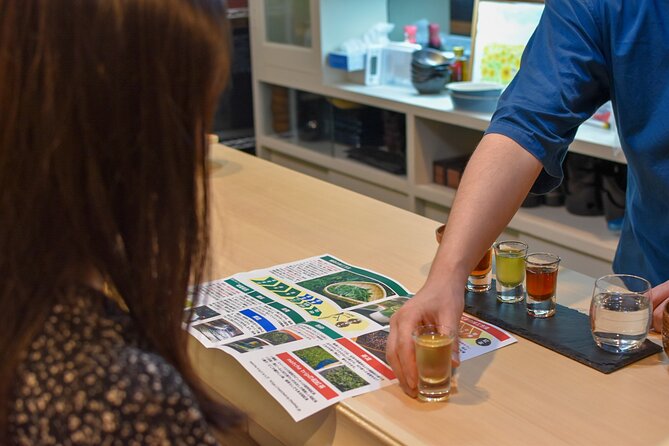
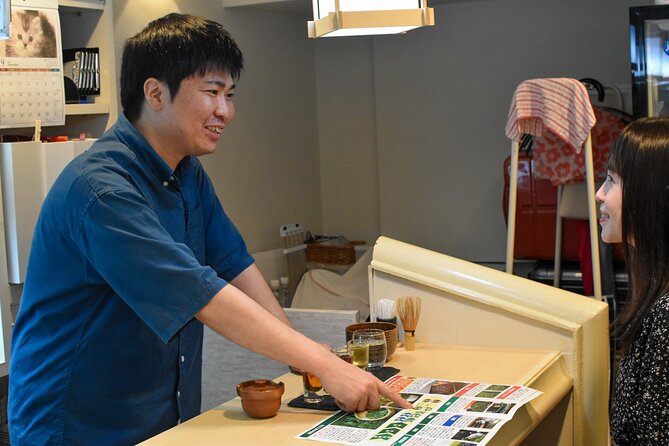
Chisei previously farmed tea in Kyoto for six years. His experience gives the lesson a practical angle. He can discuss cultivation methods from direct experience rather than treating tea as a set of abstract terms. He also uses diagrams and pictures to explain the farming and production process, which helps when several tea names start blending together.
The tone appears friendly and patient. Chisei is praised for answering questions carefully and encouraging curiosity, while Rina helps make the session feel more like a visit to a tea-loving home than a formal lecture. Their English is described as very good, though the experience is still a class, not a casual drink stop.
More Tea Ceremonies in Tokyo
- Matcha Making Class in Tokyo with Authentic Japanese Sweets Set
★ 5.0 · 744 reviews - Tokyo: Traditional Tea Ceremony with a Tea Master
★ 5.0 · 528 reviews - Tokyo: Matcha Making Experience with Mochi Sweets in Asakusa
★ 4.9 · 388 reviews
Meeting Chisei and Rina in Taito City
The meeting point is matcha tripJapan at 111-0042 Tokyo, Taito City, Kotobuki, 3-chōme 19, Henn Na Hotel, second floor, inside Sports Bar Leaf. The activity ends back at the same place, so you do not need to plan a separate return route.
Because the session is limited to five people, the room should feel focused rather than crowded. That small size is one of the best features for anyone who has detailed questions about tea, farming, or preparation. It also means the class may feel less suitable if you want to slip in and out unnoticed.
The experience lasts about one hour and 30 minutes. That is long enough for a proper tasting and demonstration, but short enough to fit into a Tokyo sightseeing day. You might pair it with other time in Taito City, though the supplied information does not give a full neighborhood itinerary.
A mobile ticket is provided, and confirmation comes at booking. Service animals are allowed, and the meeting point is near public transportation. If you have an allergy, mention it early. Chisei is reported to ask about allergy conditions proactively, which is useful since the session includes homemade sweets.
Starting with a seasonal welcome drink
The class begins with a seasonal welcome drink. While you enjoy it, Chisei introduces the Japanese teas you will taste and explains how the session will work.
This opening is more useful than it may sound. It gives you a first cup before the more detailed comparisons begin, and it helps set up the idea that tea changes with season, preparation, and ingredients. During hot weather, the welcome drink may be served cold, a welcome relief after getting across Tokyo.
Do not expect a long tea ceremony at this stage. The focus is on learning and tasting rather than sitting through a highly formal ritual. That makes the experience easier for beginners, especially if you know little about Japanese tea customs.
Comparing six Japanese green teas
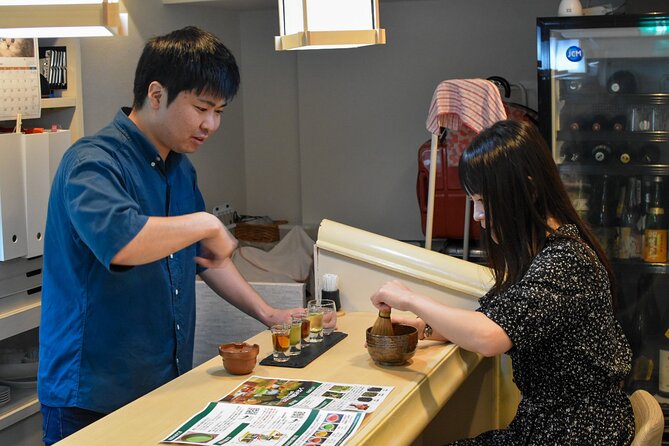
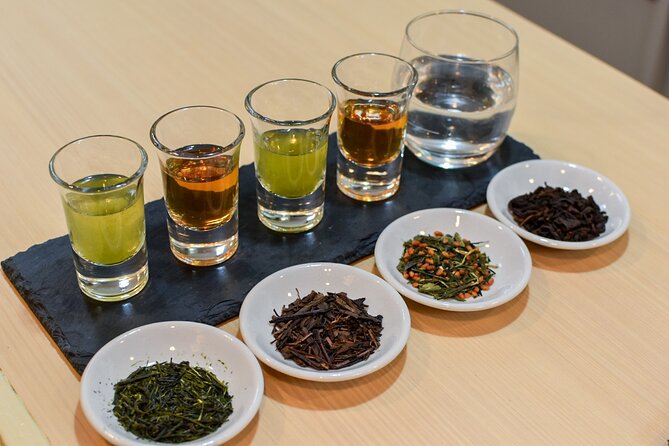
The central part of the class compares six teas prepared in ways intended to show their best qualities. You first look at the tea leaves, including their color and shape. Then the tea is prepared and served so you can consider its appearance, fragrance, and taste.
The comparison includes:
- Sencha
- Kabusecha
- Gyokuro
- Deep-steamed sencha
- Brown rice tea, also called genmaicha
- Hojicha, or roasted green tea
This is where the class earns much of its price. You are tasting tea types that can look similar on a menu but have very different character. Sencha is a familiar starting point for many people. Kabusecha and gyokuro introduce teas shaped by growing methods that affect flavor and body. Deep-steamed sencha gives you another example of how processing changes the finished drink.
Hojicha provides a useful contrast because it is roasted rather than simply presented as a fresh green tea. Brown rice tea adds toasted rice notes. The point is not to crown one tea as the best. It is to help you notice which style suits your own taste.
The pacing should appeal to curious beginners and people who already drink tea. Several people leave with a clearer sense of how cultivation and production affect the cup. If you already have a working knowledge of tea, you may ask more detailed questions. If you are new to it, the side-by-side tasting gives you an easy way to learn.
One practical note: this is a lot of tea in 90 minutes. The experience includes multiple varieties, two matcha types, and latte samples, so anyone sensitive to caffeine should keep that in mind. The supplied details do not state whether smaller portions or caffeine-free alternatives are available, so ask the provider before booking if that is important to you.
A completely different kind of day out:
- Tokyo Disney Resort – Tokyo Disneyland & Tokyo DisneySea Park Tickets
★ 4.8 · 99,488 reviews - SHIBUYA SKY Ticket
★ 4.7 · 46,509 reviews - JR Whole Japan Rail Pass
★ 4.8 · 29,150 reviews - Mt Fuji and Hakone 1-Day Bus Tour Return by Bullet Train
★ 5.0 · 26,383 reviews
Japanese black tea and Rina’s homemade sweets
After the green tea comparison, you try Japanese black tea selected to match homemade sweets made by Rina. This pairing broadens the lesson beyond the assumption that Japanese tea means only green tea.
The sweets are repeatedly praised as a highlight. One especially enthusiastic account calls them the best sweets of a Japan trip. That is personal taste, of course, but the repeated attention tells you that Rina’s contribution is not an afterthought. Her food gives the tea tasting a hospitable, homemade feel.
The session has also included tea leaves served with ponzu. Eating tea leaves is not the sort of detail most people expect from a standard tasting, and it offers another way to think about tea as an ingredient rather than only a drink. Since this is not listed as a guaranteed part of every session, treat it as a possible extra rather than a promise.
The sweets also make this segment useful for people who are unsure about matcha. You may find that a tea you would not choose by itself works well with food. The class presents several flavor profiles, so you do not have to be a devoted matcha drinker to enjoy it.
Whisking your own usucha matcha
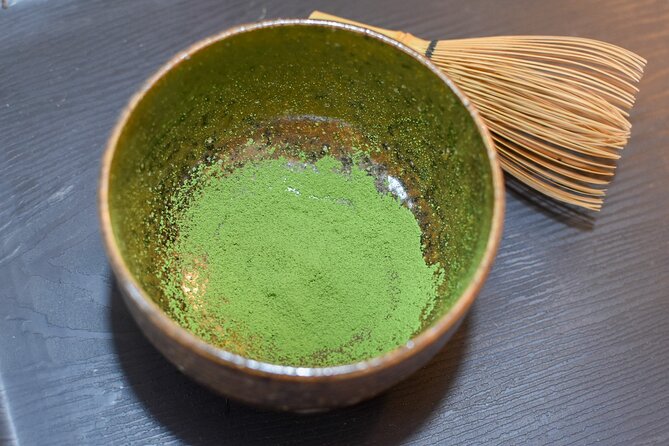
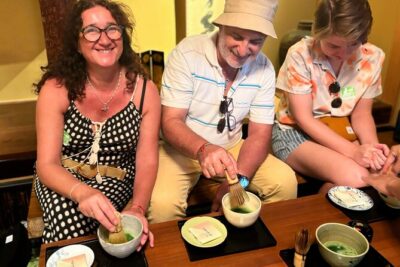
The hands-on portion comes near the end. You learn to make usucha, the lighter style of matcha, with a bamboo tea whisk.
This is more practical than simply watching a demonstration. Chisei shows you how the whisk is used, and you make your own bowl. Once you finish, you have the basic method needed to prepare matcha at home. You do not need to become a tea master in one sitting. The value is that the whisking stops being mysterious.
The activity also gives context to the matcha ceremony. You learn not only how to consume matcha but how preparation shapes the experience. The act of whisking slows things down and asks you to pay attention to texture, aroma, and foam.
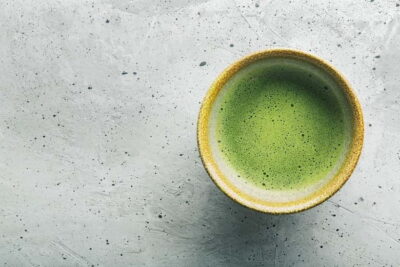
The class includes two types of matcha, so you can compare them rather than treating all matcha as the same product. The exact serving order and quantities are not specified, but the session is designed to show differences in style and use.
Matcha lattes and hojicha lattes
The final tasting broadens the appeal with matcha lattes and hojicha lattes. The included information refers to three kinds of matcha latte, as well as hojicha latte.
This is a smart addition for anyone who likes modern Japanese cafe drinks. You get to see how traditional tea behaves in a milk-based drink, and hojicha offers a roasted alternative to matcha’s more familiar flavor. It also helps connect the class to drinks you may order elsewhere in Tokyo.
The latte portion is not a replacement for the tea lesson. Think of it as a relaxed finish after the more focused tasting and matcha preparation. You can compare pure tea with blended drinks and decide what you would want to buy or prepare at home.
The details describe the class as serving seven varieties of Japanese tea, while the full session description names eight tea styles and several matcha and latte options. In practical terms, expect a broad selection rather than a fixed cafe-style menu. The exact lineup may vary, especially for the seasonal welcome drink.
What the $57.98 price buys you
At $57.98 per person, the cost makes sense if you value guided comparison. You receive about 90 minutes of instruction, a small-group setting, several Japanese teas, matcha preparation, latte samples, and homemade sweets.
You could certainly spend less on a cup of tea in Tokyo. That cheaper option would not give you Chisei’s farming background, the visual comparison of leaves, or the chance to taste several styles one after another. You also would not leave knowing how to whisk usucha.
The class is especially good value for people who plan to buy tea or matcha in Japan. The information can help you make a more informed choice between gyokuro, sencha, hojicha, matcha for drinking, and matcha intended for lattes. Tea products are also available for sale, according to the experience details, though purchases are not part of the listed price.
The price is less convincing if you dislike tea, avoid caffeine, or want a formal ceremony in a historic tea house. This is an educational tasting with a practical workshop. It is not presented as a grand architectural or ceremonial visit.
Who should book this experience
I would recommend it to first-time visitors who want a meaningful cultural activity without giving up half a day. The short duration, small group, and central Tokyo meeting point make it easy to fit into a packed schedule.
It also suits:
- Tea beginners who want a simple introduction
- Matcha fans who want to understand production and preparation
- Visitors interested in Japanese farming and food
- Couples or small groups who prefer conversation over a large class
- Anyone who wants to continue making matcha at home
You do not need advanced tea knowledge. In fact, the teaching style appears particularly helpful for beginners. At the same time, people with existing interest can ask about cultivation, processing, and differences between tea types.
I would hesitate if you want a silent, highly formal ceremony. The class involves discussion, tasting, questions, and modern drinks. It is welcoming and hands-on rather than solemn.
Free cancellation is available when you cancel at least 24 hours before the local start time. Changes or cancellations made inside that window are not refunded, so leave yourself some schedule room when you book.
Should you book the Matcha Experience in Tokyo?
Book it if you want to do more than order a matcha latte and take a photo. Chisei’s experience as a former tea farmer gives the class substance, while Rina’s homemade sweets and the small group keep it personal.
The strongest reasons to go are the range of tea, the direct farming perspective, and the chance to whisk matcha yourself. The only real drawbacks are the caffeine load, the short but busy schedule, and the price compared with a simple cafe visit.
For a curious visitor, this is a useful and enjoyable way to understand Japanese tea. You leave with better vocabulary, a clearer sense of what affects flavor, and a method you can try at home. That is a worthwhile souvenir, and it takes up no space in your suitcase.
FAQ
Where does the matcha experience take place?
It meets at matcha tripJapan, 111-0042 Tokyo, Taito City, Kotobuki, 3-chōme 19, Henn Na Hotel, on the second floor inside Sports Bar Leaf.
Where does the experience end?
The activity ends back at the meeting point.
How long does the class last?
The experience lasts approximately one hour and 30 minutes.
How many people can join?
The group has a maximum of five people.
Which Japanese teas are included?
The session includes varieties such as hojicha, sencha, kabusecha, gyokuro, deep-steamed tea, brown rice tea, and Japanese black tea. The full experience also includes matcha.
Can I make my own matcha?
Yes. You make usucha matcha with a bamboo tea whisk and learn a method you can use at home.
Are snacks included?
Yes. Homemade sweets are served with the tea, and the experience may also include tea leaves with ponzu.
What is the cancellation policy?
You can cancel for a full refund up to 24 hours before the experience start time. Cancellations or changes made less than 24 hours before the start time are not refunded.
Just added in Tokyo
- Very popular in Harajuku♡Animal petting zoo★ 4.6 · 39 reviews
- Yokohama Port: Private Customizable Tour with Transfer★ 5.0 · 19 reviews
- Yanaka District: Historical Walking Tour in Tokyo’s Old Town★ 4.8 · 117 reviews
- Wagyu & Sake 8 Course Tasting Dinner in Shinjuku★ 4.9 · 20 reviews
- Warner Bros. Studio Tour Tokyo – The Making of Harry Potter★ 4.8 · 181 reviews
- Tokyo: Classic Tsukiji Food Tour★ 4.9 · 78 reviews
- Tokyo: Tsukiji Fish Market Tour with 6 Stops & Seafood Lunch★ 4.5 · 165 reviews
- Tokyo Wagyu & Sake Pairing Tasting Experience with Local Flavors★ 5.0 · 108 reviews
Tea Ceremonies, compared.
Tea Ceremony in a Traditional Tea House in Kiyomizu
Read our review →
World Heritage Kyoto & Nara Uji Authentic Matcha Experience
Read our review →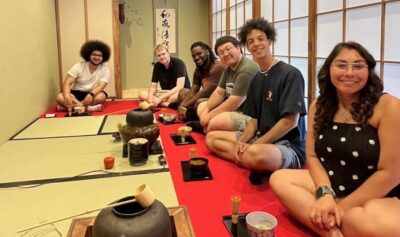
Browse the lists this tour appears in