
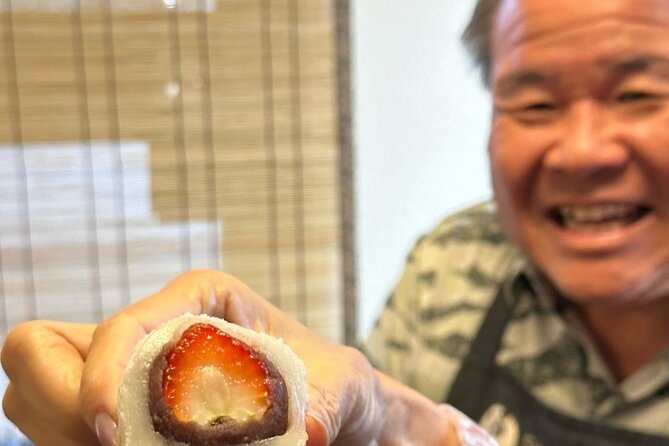
Reviewed · COOKING CLASSES
Mochi Sweets Making Class in Tokyo
Make mochi, then meet daily Tokyo. This 90-minute class combines hands-on wagashi making with Japanese food tradition, all in Satoko’s cozy home. I like the clear, step-by-step teaching and the chance to sample several sweets, not just one recipe. The main consideration is location: you must travel to Ota City, and cat allergies may make this a poor fit.
I also like that the recipes use plant-based ingredients you can usually find outside Japan. The class suits families, solo visitors, and vegetarians, with vegan options available. For roughly $75 per person, the price is fair if you value personal instruction, cultural context, photos, tea, and sweets to eat or carry home.
In This Review
- Key points at a glance
- Why this mochi class feels different from a quick food demonstration
- Arriving in Ota City for a quieter Tokyo hour
- Satoko’s friendly, patient way of teaching
- Making four kinds of mochi in 90 minutes
- Strawberry daifuku and seasonal fruit
- Dango with several flavors
- Warabi-mochi
- Isobe-mochi and mochi ice cream
- Tasting your work with green tea
- What the $75 price includes
- Dietary needs, children, and the cat question
- Who should book this Tokyo food experience
- Planning the visit around your Tokyo schedule
- The final call: is the mochi class worth it?
- FAQ
- How long does the mochi-making class last?
- Where does the class take place?
- How far is the class from central Tokyo?
- What kinds of mochi can I learn to make?
- Is the class suitable for vegetarians or vegans?
- Do I need to bring an apron or cooking tools?
- Can I take the mochi home?
- Are children allowed to join?
- Are pets present at the class location?
Key points at a glance
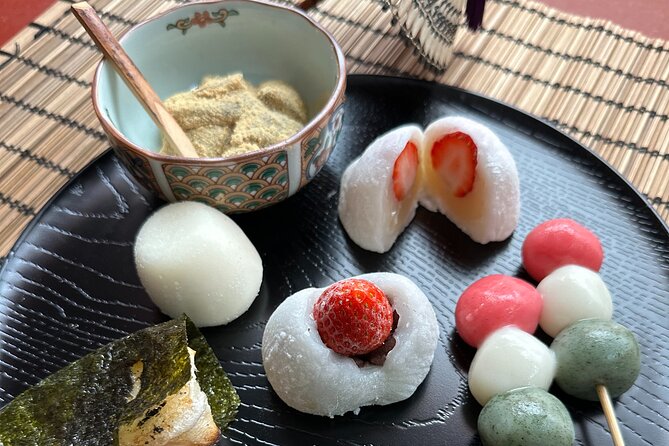
- Several Japanese sweets in one class: Make strawberry daifuku when strawberries are in season, plus dango, warabi-mochi, and isobe-mochi.
- A private-home setting: Groups of more than three receive a private lesson during the off-peak season at no extra cost.
- Satoko’s teaching is a major strength: Her patient, warm approach and strong English make the class easy for first-timers and children.
- A useful edible souvenir: You can taste your creations with green tea or hojicha, then pack them in a special box.
- A quieter side of Tokyo: The home is about 15 minutes by train or car from central Tokyo, near shops, cafés, a shrine, a supermarket, and a public bath.
- Practical for home cooks: The recipe can be downloaded, and the ingredients are designed to be easy to find in your own country.
Why this mochi class feels different from a quick food demonstration
Many Japanese food activities show you how something is made, then hand you a sample. This class asks you to do the work yourself. That matters with mochi, because the texture, timing, and shaping are part of the fun.
You work with glutinous rice flour and learn a simple method that does not depend on hard-to-find ingredients. Satoko explains each stage, demonstrates the technique, and lets you follow along at your own speed. The tone is friendly rather than formal, which helps if you have never cooked Japanese sweets before.
The class also gives mochi a place in Japanese life. You learn about its history, its connection to celebrations, and different ways to eat it. That cultural background gives more meaning to the sweets in front of you. You are not just shaping rice dough into little balls. You are learning why mochi appears at important times of year and how varied the category can be.
The experience has earned a 5 out of 5 rating from 15 published reviews, with 100 percent recommending it. The strongest praise centers on Satoko’s teaching style, her patience, her English, and the sense that the class is personal rather than rushed.
More Cooking Classes in Tokyo
- Sushi Making Tokyo Roll and Authentic Japanese Sushi Class
★ 5.0 · 3,971 reviews - Tokyo: Roll and Authentic Sushi Making Class in Asakusa
★ 4.9 · 1,957 reviews - Tokyo Shinjuku Chopsticks Making Class
★ 5.0 · 1,763 reviews
Arriving in Ota City for a quieter Tokyo hour
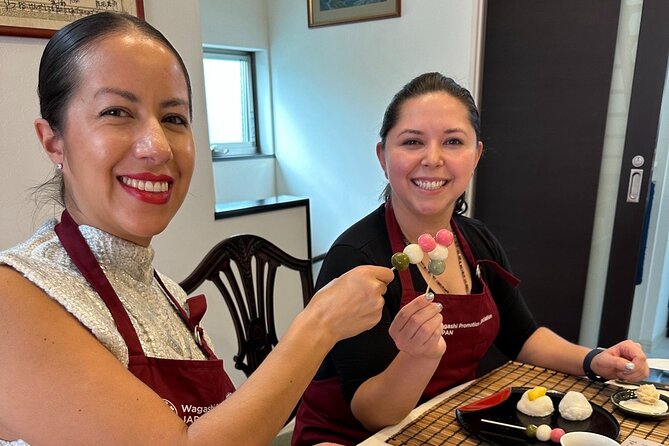
The meeting point is 20-15 Kitaminemachi, Ota City, Tokyo 145-0073. The class takes place in a private residence in a quiet neighborhood, around 15 minutes by train or car from central Tokyo.
That setting is part of the appeal. You leave the busiest sightseeing zones behind and get a short look at ordinary neighborhood life. Before or after class, you can visit local shops, a supermarket, cafés, a shrine, or a famous public bath. The activity ends back at the same meeting point.
You should allow time to find the home and reach the neighborhood without rushing. Private transportation is not included, so getting there is your responsibility. The location is near public transportation, but the experience does not include a station transfer or a dedicated vehicle.
For me, the best plan would be to make this a half-day neighborhood outing. Schedule the class when you can linger before or afterward. The class itself lasts about 1 hour and 30 minutes, but the nearby everyday sights give you a reason not to hurry back to central Tokyo.
Satoko’s friendly, patient way of teaching
Satoko is the host and instructor, and her personal style is one of the clearest reasons to book. The published feedback repeatedly praises her kindness, patience, clear demonstrations, and English. One family specifically highlighted how well the class worked with children, while first-time visitors appreciated the warm welcome and relaxed pace.
You can expect instruction that is hands-on and broken into manageable steps. That is useful because mochi dough can feel unfamiliar. It is soft, sticky, and easy to mishandle if you try to rush. A patient teacher makes a real difference here.
Satoko also adds small personal touches. Photos and videos taken during the class are provided, so you leave with a record of the activity as well as the food. A Japanese gift is included as a souvenir, adding something non-edible to the experience.
The class is private for your own group, according to the activity details. During the off-peak season, groups of more than three receive a private lesson at no additional cost. That arrangement is especially useful for families or friends who want to ask questions freely and work at their own pace.
Making four kinds of mochi in 90 minutes
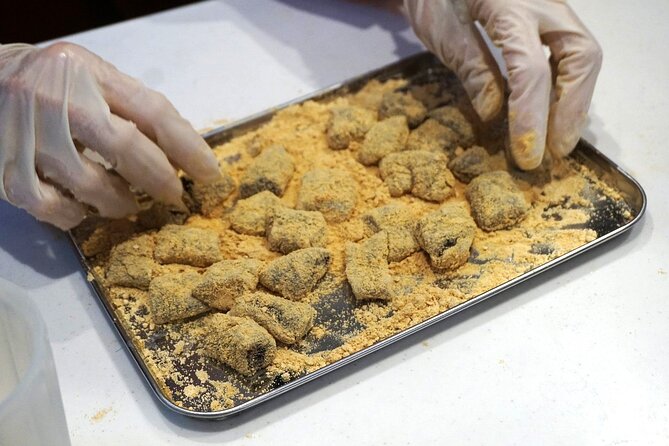
The menu gives you a good range of Japanese sweets. You use the same basic mochi-making skills in different forms, so the class feels varied without becoming too complicated.
A completely different kind of day out:
- Tokyo Disney Resort – Tokyo Disneyland & Tokyo DisneySea Park Tickets
★ 4.8 · 99,488 reviews - SHIBUYA SKY Ticket
★ 4.7 · 46,509 reviews - JR Whole Japan Rail Pass
★ 4.8 · 29,150 reviews - Mt Fuji and Hakone 1-Day Bus Tour Return by Bullet Train
★ 5.0 · 26,383 reviews
Strawberry daifuku and seasonal fruit
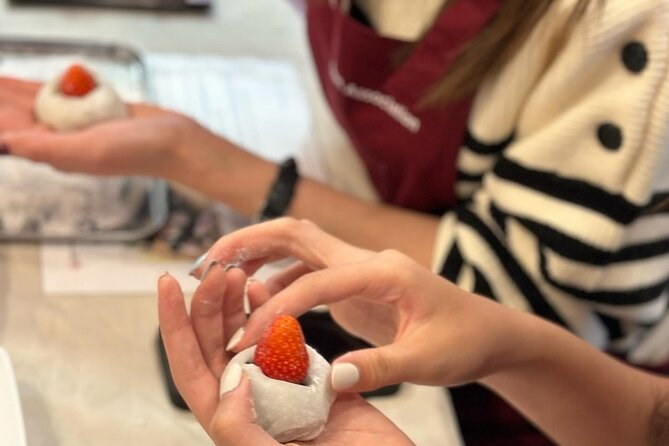
Strawberry daifuku is the best-known item on the menu. It pairs mochi with strawberry and sweet filling in a soft, rounded package. Outside strawberry season, the fruit may change to pineapple, kiwi, or another available option.
That seasonal change is practical, not a flaw. It keeps the recipe flexible and shows you how to adapt Japanese sweets to the ingredients at hand. If you have your heart set on strawberry daifuku, ask about the current fruit before booking.
Dango with several flavors
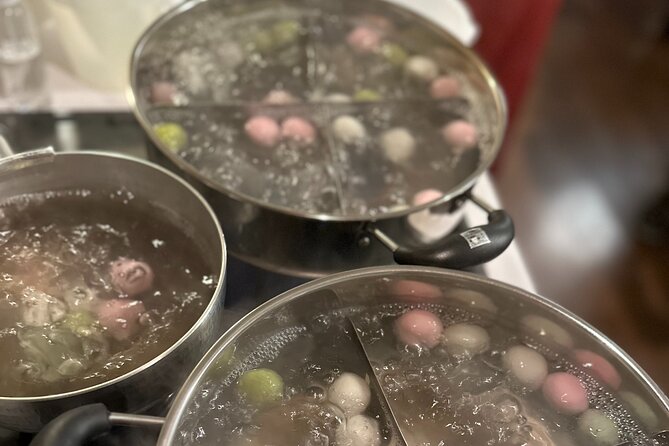
Dango are mochi balls served on skewers. The class covers several flavors, giving you a chance to compare the same basic texture with different tastes and finishes.
This is a good section for children because the shapes are simple and the skewers make the result feel like a finished treat. It also helps you understand that mochi is not one single dessert. Small changes in sauce, flavor, and presentation create a different sweet.
Warabi-mochi
Warabi-mochi has a softer, more delicate character than the chewier rice-flour sweets many people associate with mochi. Learning it alongside dango and daifuku gives you a wider sense of Japanese confectionery.
The benefit here is contrast. You are not making several versions of the exact same thing. The menu moves through different textures and forms, which makes the short class feel full.
Isobe-mochi and mochi ice cream
Isobe-mochi adds a savory direction to the lesson. It demonstrates that mochi is not limited to sugary desserts and can be enjoyed in a more savory style.
You can also download a mochi ice cream recipe. The class includes mochi ice cream for tasting, but the supplied details do not say that you make every part of it during the lesson. Think of it as an extra taste and a useful recipe to try later at home.
Tasting your work with green tea
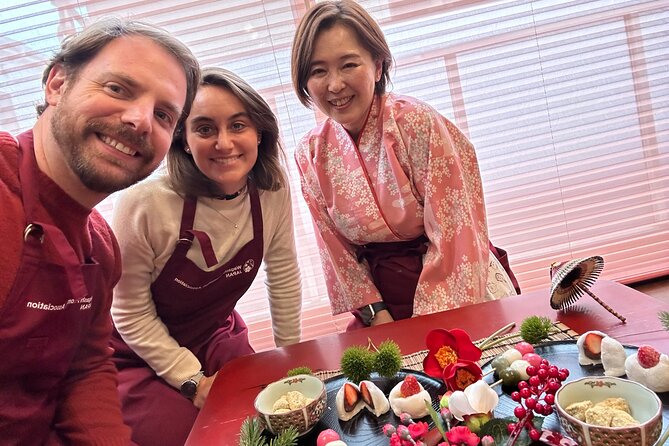
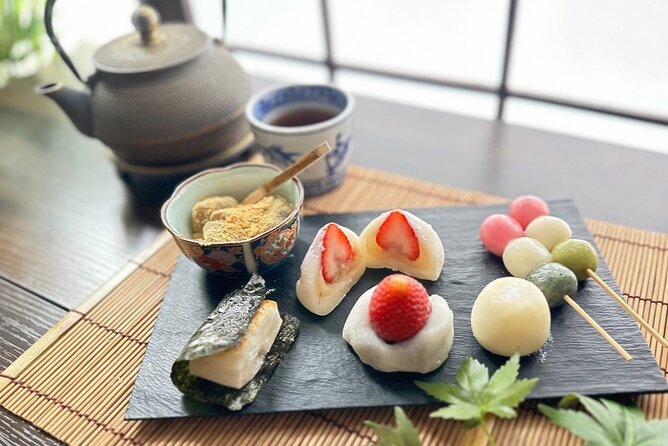
After the cooking, you can eat your creations with Japanese green tea or hojicha, the roasted green tea. This final tasting gives the class a natural ending and lets you compare the sweets while they are fresh.
You can also take the mochi with you in a special box. That is helpful if you are full, planning another meal, or want to share the results with someone back at your accommodation. Fresh mochi is best treated as a short-term food souvenir, so you should follow any storage advice given during class.
The tasting is also where the experience becomes social. You sit down with the food you made, rather than simply receiving a plate from someone else. Several strong comments about the class focus on how delicious the finished sweets were, but the value comes from both the flavor and the satisfaction of making them yourself.
What the $75 price includes
At about $75.12 per person, this is not the cheapest food activity in Tokyo. It is also more than a simple market snack or a short demonstration. The price makes better sense when you count the personal instruction and included items.
You receive:
- Apron rental
- Hand towel
- Special wagashi-making tools
- Drinking water
- Special takeaway box
- Guide and instruction
- Green tea or hojicha with the tasting
- Photos and videos taken during the class
- A downloadable mochi recipe
- A Japanese souvenir gift
The exact food menu can change with fruit season, but the class includes multiple mochi styles and a tasting portion. You also avoid buying or transporting your own tools, which is useful during a short Japan trip.
The value is strongest for a small group, a family, or anyone who wants a personal cultural activity rather than a large cooking workshop. It is less compelling if you only want to eat mochi or if you prefer a central Tokyo location with no extra travel.
Group discounts are available, though the supplied details do not specify the discount amount. Off-peak groups of more than three can receive a private lesson without an added fee. Check the final booking price for your dates before you commit.
Dietary needs, children, and the cat question
The recipes use plant-based products, and the class is suitable for vegetarians. Vegan options are available, but you should confirm the details for your particular booking, especially if you have strict dietary needs or allergies.
Families are welcome. The available feedback includes a positive account of a workshop with children, and the step-by-step format makes the activity approachable for younger participants. Still, mochi shaping involves sticky dough and kitchen tools, so adults should expect to take part rather than simply watch children work alone.
There are two short-haired cats in the home. They stay in the bedroom during the lesson, but the class is not recommended for anyone with a strong cat allergy. This is an important practical point because the setting is a private residence, not a public cooking studio.
The experience is private for your group, which can make it easier to discuss food needs, pace, and questions. Confirmation arrives at booking, and mobile tickets are accepted.
Who should book this Tokyo food experience
I would recommend this class to you if you want:
- A small, personal activity away from the busiest central districts
- A family-friendly lesson with plenty of hands-on work
- An introduction to wagashi and Japanese food customs
- Recipes you can recreate for family and friends at home
- Vegetarian or plant-based food options
- A compact activity that fits into a Tokyo sightseeing day
- Photos and videos to remember the experience
- A chance to meet a local host in a private home
It is particularly good for first-time visitors. One participant described it as an ideal first activity in Tokyo because it was welcoming, informative, and more meaningful than a basic food stop. That makes sense: you get an early cultural lesson, a local neighborhood, and a meal-sized taste of Japanese hospitality in one visit.
I would hesitate if you have a strong cat allergy, dislike home-based activities, or need a completely central location. You should also ask about the seasonal fruit if strawberry daifuku is your main goal.
Planning the visit around your Tokyo schedule
The class is short enough to pair with other plans, but the outlying neighborhood deserves more time than a quick in-and-out visit. You can browse local shops and cafés before the lesson, then visit the shrine or public bath afterward.
Keep your schedule flexible around the 90-minute class. Cooking activities can run on a comfortable human pace, especially when children or small groups are involved. The class is designed to let you learn step by step, which is more valuable than squeezing it between two tightly timed attractions.
Book early if your dates are fixed. The activity is booked an average of 42 days ahead, suggesting that planning several weeks in advance is sensible. Free cancellation is available until 24 hours before the start time. Cancellations or changes made less than 24 hours before the activity are not accepted for a refund.
The final call: is the mochi class worth it?
Yes, if you want a warm, hands-on food experience with real cultural context. Satoko’s patient teaching, strong English, family-friendly approach, and generous menu make this more than a recipe lesson. You leave with practical skills, several sweets, a drink, photos, a souvenir, and a quieter view of Tokyo.
The price is fair for a private-home class with tools and take-home food included, though transportation to Ota City is extra effort. I would book it well ahead, confirm the seasonal fruit and vegan details, and avoid it if cat allergies are a concern.
FAQ
How long does the mochi-making class last?
The class lasts approximately 1 hour and 30 minutes.
Where does the class take place?
It takes place at a private residence at 20-15 Kitaminemachi, Ota City, Tokyo 145-0073, Japan.
How far is the class from central Tokyo?
The home is approximately 15 minutes by train or car from central Tokyo.
What kinds of mochi can I learn to make?
The lesson covers strawberry daifuku when strawberries are in season, seasonal fruit alternatives at other times, several flavors of dango, warabi-mochi, and isobe-mochi. A mochi ice cream recipe can also be downloaded.
Is the class suitable for vegetarians or vegans?
The recipes use plant-based products and are suitable for vegetarians. Vegan options are available.
Do I need to bring an apron or cooking tools?
No. An apron, hand towel, special wagashi-making tools, and drinking water are provided.
Can I take the mochi home?
Yes. You can place your creations in a special takeaway box after the tasting.
Are children allowed to join?
Yes. The class is family-friendly, and a published account specifically describes it as a successful workshop with children.
Are pets present at the class location?
There are two short-haired cats in the home. They remain in the bedroom during the lesson, but the activity is not recommended for people with strong cat allergies.
More Dessert Tours in Tokyo
- Matcha Making Class in Tokyo with Authentic Japanese Sweets Set
★ 5.0 · 744 reviews - Tokyo: Matcha Making Experience with Mochi Sweets in Asakusa
★ 4.9 · 388 reviews - Make Traditional Nerikiri Sweets & Matcha experience in Shibuya
★ 5.0 · 130 reviews - Private Mochi Sweets Making class near Shibuya area
★ 5.0 · 93 reviews
Just added in Tokyo
- Manga Lesson with a Professional Japanese Manga Artist in Nakano★ 5.0 · 77 reviews
- Making a bento box with cute character look in Japan★ 5.0 · 15 reviews
- Tokyo/Ikebukuro Manga drawing workshop by pro-Manga artists★ 5.0 · 65 reviews
- Luxury Tokyo Sake, Cocktail, Whisky and Pairing Tour★ 5.0 · 18 reviews
- Tokyo Ueno Food & Nature & Localtown Tour: 10Dishes+ Drinks★ 5.0 · 34 reviews
- Make Your Own Bonsai with a Professional Bonsai Artist in Tokyo★ 4.5 · 18 reviews
- Make Traditional Nerikiri Sweets & Matcha experience in Shibuya★ 5.0 · 130 reviews
- Daikoku Parking Tokyo Drift & APIT Car Meet JDM Culture Tour★ 5.0 · 79 reviews
Cooking Classes, compared.
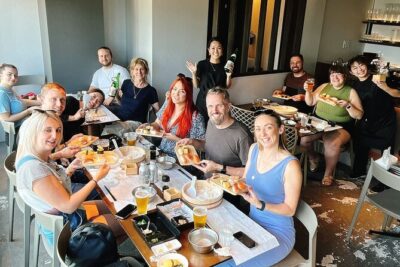
Sushi Making Tokyo Roll and Authentic Japanese Sushi Class
Read our review →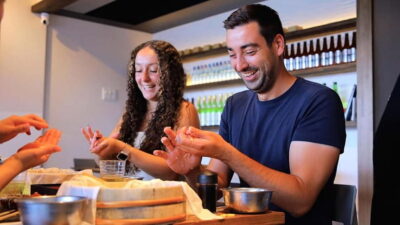
Roll and Authentic Sushi Making Class in Asakusa
Read our review →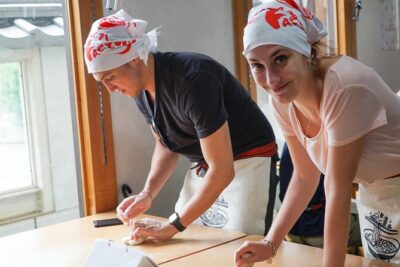
Ramen Cooking Class at Ramen Factory in Kyoto
Read our review →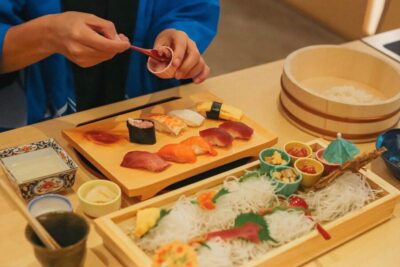
Sushi Making Class in a Happi Coat near a Famous Spot
Read our review →
Sushi Making Osaka Roll and Authentic Japanese Sushi Class
Read our review →
Tokyo Sushi Making Class in Tsukiji with Professional Chef
Read our review →
Ramen & Gyoza Cooking Class in Tokyo with Local Supermarket Visit
Read our review →Browse the lists this tour appears in