Reviewed · MORNING
Explore Hidden Alleyway with a Local Expert (Morning tour)
Kyoto opens up when you leave the main roads. This private morning e-bike tour links old geisha quarters, quiet lanes, the Imperial Palace, and the Kamo River without asking you to walk across half the city. I especially like the small private-group format and the way the electric bikes let you cover a wide part of Kyoto at an easy pace. The main drawback is rain: the tour operates, but a wet morning can turn a pleasant bike ride into a bus-and-metro outing.
You’ll have about three hours with a local guide, starting at 9:00 a.m. and returning to the meeting point. Guides such as Rich, Yuichi, and Annie have been praised for answering questions, adjusting the route, and offering useful Kyoto tips, though one rainy-day review found that communication in English was limited. At $103.04 per person, this is not a cheap bike rental, but it can be good value if you want transport, local context, and a private route in one package.
In This Review
- Key points before you book
- Why an e-bike works so well in Kyoto
- Miyagawacho: wooden houses and a quieter geisha quarter
- Gion: Kyoto’s best-known traditional quarter
- Tatsumi Bridge and the willow-lined stream
- Kyoto Imperial Palace on two wheels
- Kashiwayacho and a rest beside the Kamo River
- What $103.04 buys you
- The guide makes or breaks the morning
- Rain, heat, and the small practical details
- Who should choose this Kyoto e-bike tour?
- Should you book it?
- FAQ
- What time does the Kyoto e-bike tour start?
- Where does the tour begin and end?
- How many people can join the private tour?
- What happens if it rains?
- Are children allowed to participate?
- Is the tour refundable if I cancel?
Key points before you book
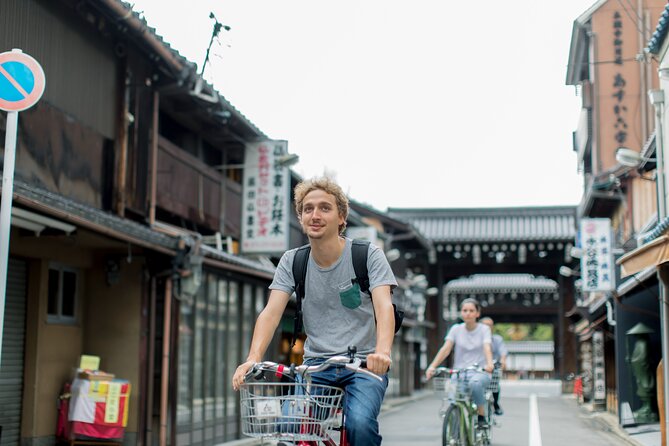
- Private groups of two to six: You ride only with your own party and guide, with an extra guide available for groups of seven to twelve.
- Five distinctive Kyoto stops: The route includes Miyagawacho, Gion, Tatsumi Bridge, Kyoto Imperial Palace, and the Kamo River.
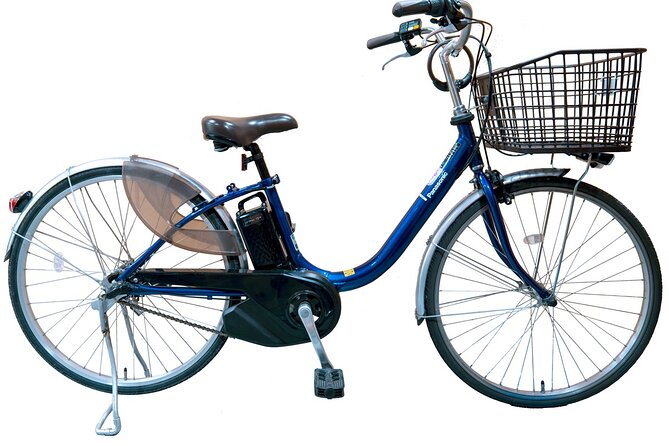
- Electric bikes and equipment included: The battery assistance helps on a hot day and reduces the effort needed to cross central Kyoto.
- A smart first or second-day activity: You can see several central areas, then return to them later with a better sense of direction.
- Rain plans are built in: You can continue by bike with a free poncho or switch to walking and public transport.
- Strict age and height rules: Children must be at least 10 years old, at least 145 centimeters tall, and able to ride safely on roads without help.
Why an e-bike works so well in Kyoto
Kyoto’s central sights look close on a map, but the walking adds up quickly. Gion, the Imperial Palace, and the Kamo River are not all next door to one another, and a warm summer morning can make several miles on foot feel like a poor use of your sightseeing energy.
An e-bike changes the equation. You still move slowly enough to notice wooden houses, narrow lanes, willows, and small streams, but you do not spend the whole morning trudging between famous areas. One especially useful detail from the experience is that the bikes are battery powered, which helped keep the ride comfortable on a very hot day.
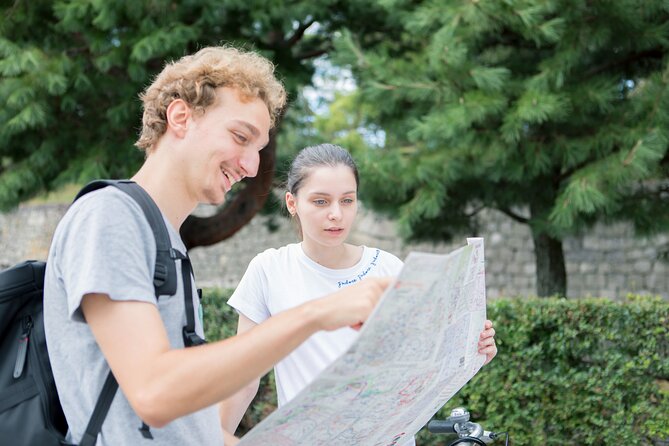
This is not a race or a long-distance cycling challenge. The advertised route gives you short stops of about 15 to 20 minutes, with time to pause, listen, take photographs, and ask questions. The private setup also means you can request a gentler pace, ask for a coffee break, or spend a little longer at a place that catches your attention.
The ride begins at 9:00 a.m. That early start matters in Kyoto. Streets are generally calmer than later in the day, and the cooler morning air makes the cycling more pleasant. You finish back at the original meeting point after roughly three hours, so you still have most of the day for temples, lunch, or another part of the city.
A few more options to weigh up in Kyoto
- PERFECT KYOTO 1-Day Bus Tour
★ 5.0 · 13,518 reviews - [Kyoto & Nara Day Tour] Sagano Scenic Railway & Nara Park & Fushimi Inari Taisha Thousand Torii Gates & Togetsukyo Bridge & Bamboo Grove & Kimono Forest (Departing from Osaka)
★ 4.9 · 10,942 reviews - Kyoto: Fushimi Inari, Kinkakuji, Bamboo Grove 1 Day Bus Tour
★ 4.8 · 4,316 reviews
Miyagawacho: wooden houses and a quieter geisha quarter
The first stop is Miyagawacho Kaburenjo, in Miyagawacho, one of Kyoto’s five traditional geisha districts. It is also the second largest of those districts. The area is known for a narrow alley lined with traditional Japanese wooden houses on both sides.
This is a good opening stop because it gives you an early look at Kyoto’s older streets without beginning at the busiest postcard locations. The wooden facades create a calm mood, and the close-packed alley helps you picture how different the city feels away from broad avenues and modern storefronts.
Your guide can add the cultural setting that you would likely miss while passing through alone. The district is associated with geiko and maiko, but you should treat it as a working neighborhood, not a stage set. Keep your voice low, avoid blocking doorways, and do not assume that every person in traditional dress wants a photograph.
The planned stop is about 15 minutes, with no admission charge. That is enough time to look closely at the buildings and hear the basic story of the district, but not enough for a full cultural presentation. If you want extensive information about geisha training or evening performances, you would need a separate activity.
Gion: Kyoto’s best-known traditional quarter
From Miyagawacho, the route continues to Gion, Kyoto’s most famous geisha district. Gion developed as a major area for geiko and maiko, and its traditional character remains one of the city’s strongest draws.
The appeal here is not one single monument. It is the texture of the streets: refined wooden buildings, narrow lanes, and the sense that the area still has a purpose beyond sightseeing. A guide helps you read those details instead of simply riding through and ticking off Gion on a list.
The stop lasts about 15 minutes and is free. That short visit is useful for orientation, though you should set your expectations correctly. This is a moving tour with several stops, not a slow walking tour devoted only to Gion. You will get a taste of the district and a chance to ask questions, then continue by bike.
I like the combination of Gion and Miyagawacho because the two stops show different sides of Kyoto’s traditional quarters. Gion is the name most people recognize, while Miyagawacho can feel more restrained and less obvious. Together, they offer a better picture than either one alone.
Tatsumi Bridge and the willow-lined stream
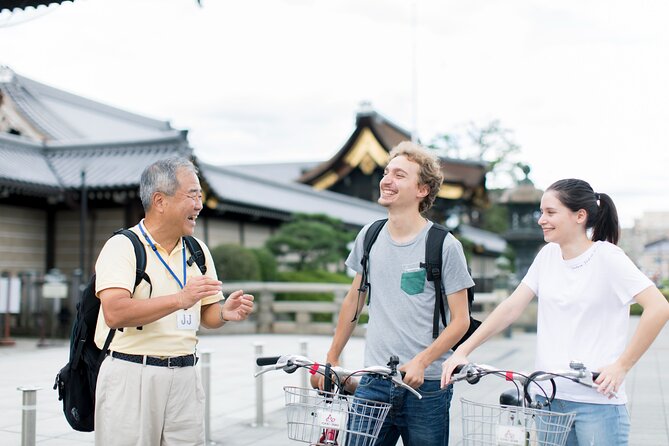
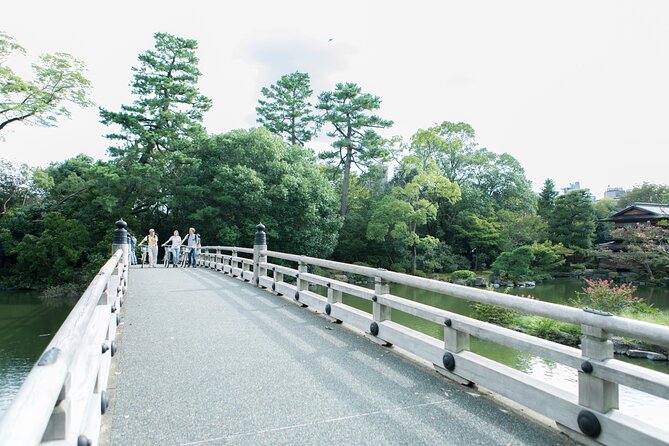
Tatsumi Bridge brings a change of pace. Here, the route follows a path beside a small, winding stream, with willows moving in the breeze. After the close streets of the geisha districts, the water and greenery provide a welcome pause.
This stop is only about 15 minutes, but it gives the morning a pleasant rhythm. Kyoto is not only temples and formal gardens. Small waterways, old bridges, and quiet paths also shape the city’s character, and a bicycle lets you reach these spaces without making a long detour on foot.
The bridge is a fine place to slow down rather than rush for a photograph. Your guide may explain the area and answer questions about Kyoto’s neighborhoods, religions, or daily life. The experience is strongest when you treat this as a brief local pause, not a major sightseeing site with a long list of things to see.
One practical point: the route includes roads and paths, so you need to ride safely and follow the guide. The tour is suitable for most people who can cycle independently, but it is not designed for anyone who needs an adult to control the bicycle or provide road assistance.
A completely different kind of day out:
- Kyoto: Tea Ceremony in a Traditional Tea House in Kiyomizu
★ 4.9 · 3,519 reviews - Kyoto: Gion Make Your Own Chopsticks with Engraving Option
★ 5.0 · 3,465 reviews - Kyoto Nara Day Trip │ Kiyomizu-dera Temple + Fushimi Inari-taisha Shrine + Nara Park (Departing from Osaka/Kyoto)
★ 4.7 · 3,408 reviews - Kyoto Geisha Walking Tour: Gion District & Hidden Gems
★ 4.7 · 3,273 reviews
Kyoto Imperial Palace on two wheels
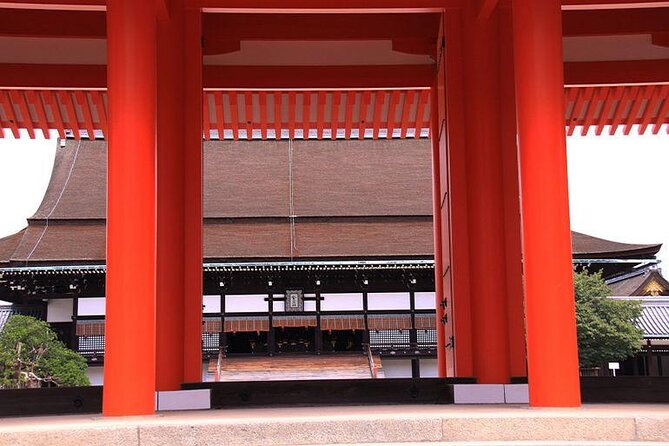
Kyoto Imperial Palace gives the tour its largest historical setting. It was once the residence of Japan’s Imperial Family and is now open to the public as a national garden with seasonal flowers.
The route cycles along gravel paths in the palace grounds. That detail makes the electric bikes useful, but it also means you should be comfortable handling a bicycle on a surface that is not perfectly smooth. If you are used to city pavement only, take the gravel slowly and listen to your guide’s instructions.
You have about 20 minutes here. That is enough for a broad introduction and a look at the grounds, but not a full palace visit. The tour focuses on cycling through the area rather than entering every building or spending hours on palace architecture.
I see this stop as a way to connect Kyoto’s courtly past with the city you are riding through today. The contrast matters. Earlier, you are in compact wooden quarters tied to geiko and maiko culture. Here, the setting opens into formal grounds linked to the Imperial household. The bike keeps the transition quick and helps you see how varied central Kyoto can be within one morning.
If the flowers are in season, the garden setting adds another reason to slow down. Still, the tour does not promise a specific bloom period, and the short stop means you should not book it solely for botany.
Kashiwayacho and a rest beside the Kamo River
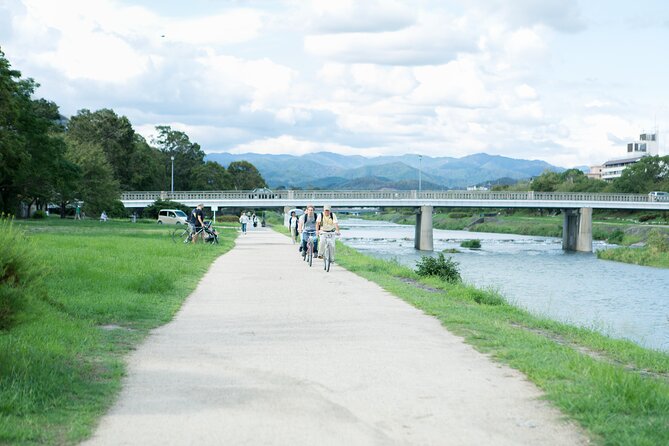
The final listed stop is Kashiwayacho, where you can relax beside the Kamo River, a favorite resting place for local residents. The stop lasts about 20 minutes and is the only one specifically marked as including admission, though there is no separate entrance fee described.
This is a smart way to end the ride. After several cultural districts and the Imperial Palace, sitting beside the river gives you time to cool down and talk with your guide. One group asked for a coffee break, and the guide fit it into the morning, which suggests that the private format can allow some flexibility when the schedule permits.
The river stop also helps you judge the pace of the tour. You are not pushed from sight to sight without a breath. You get a quiet break before returning to the start point, and you can use that time to ask for lunch ideas or other Kyoto suggestions.
Do not expect a long riverside meal or a formal refreshment service. The planned stop is a short rest, and the tour price does not describe food or drinks as included. If you want coffee, make the request early so the guide can decide what fits.
What $103.04 buys you
At $103.04 per person, the price sits well above a simple bicycle hire. The value comes from the package: an electric bike, equipment rental, a guide, a private group, and a route connecting several parts of central Kyoto.
For two people, the cost may feel easier to justify because you get a private activity without joining a large group. For six people, the per-person price buys a more personal ride than a standard group excursion, provided everyone is comfortable cycling. You are also paying to avoid route planning, map checking, and the risk of taking a wrong turn in unfamiliar streets.
The tour received a 4.9 rating from 61 reviews, with 98 percent recommending it. The strongest praise centers on the guides’ ability to explain Kyoto and Japan, answer a steady stream of questions, and maintain a comfortable pace. Rich was praised for clear explanations and for fitting in a coffee break. Yuichi was praised for making city riding easy and accepting route requests. Annie was described as attentive and generous with her explanations.
The main value question is your preferred way to sightsee. If you want long visits inside temples and museums, the three-hour route may feel too quick. If you want to get your bearings, see several neighborhoods, and learn as you move, the price makes more sense.
The guide makes or breaks the morning
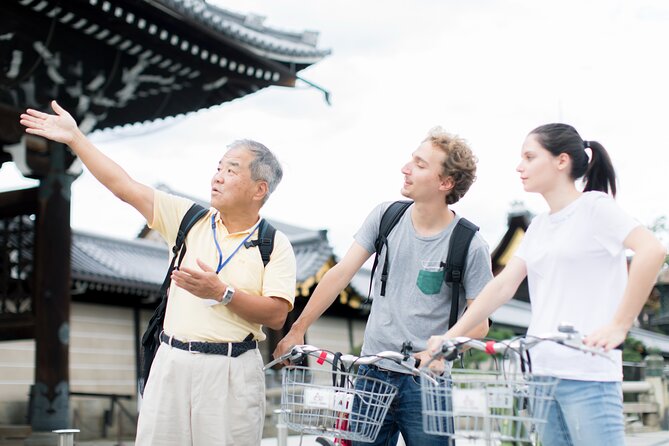
A bike tour is partly about transport, but the guide shapes the experience. The most praised guides here do more than lead the way. They explain history, culture, and religion, answer questions without seeming rushed, and offer practical suggestions for the rest of your time in Kyoto.
That matters because the stops themselves are mostly free public places. You are not paying for admission to a special attraction. You are paying for the connection between those places and for the confidence of moving through Kyoto with someone who knows the route.
Guide quality can vary. One review of a rainy morning found the guide pleasant but said the English level made detailed conversation difficult. That may not matter much if you mainly want transport and basic sightseeing, but it matters a great deal if your main goal is extended discussion about Japanese history or culture.
I would arrive with a few questions ready. Ask about the geisha districts, the Imperial Palace, local food, or where to go next. The private format gives you a better chance to shape the conversation than a large group would.
Rain, heat, and the small practical details
The tour operates in rain. You can continue by bicycle with a free rain poncho, or switch to a walking tour using buses or the metro, with public transport included in the tour fee.
That policy is helpful, but it does not make every weather day equally good. A light shower may be manageable on an e-bike. Heavy rain can make cycling less enjoyable, reduce visibility, and turn the experience into a transport-based tour. If the forecast is poor, contact the operator before the date and confirm which option will be available.
Heat is less of a problem because the electric assistance reduces physical strain. Still, you are outside for three hours, so bring water, sun protection, and clothes suited to the weather. Several hours on a bicycle can also be uncomfortable if you are not used to the saddle. One useful tip from the experience is to consider padded cycling shorts if you rarely ride.
Children must be at least 10 years old, at least 145 centimeters tall, and able to ride safely on roads without help. The minimum group size is two people, and one-person bookings are not accepted. Groups of seven to twelve can be accommodated with an additional guide.
The booking details need careful attention. One section says you can request a refund by 6:00 p.m. Japan time at least three days before the tour, while the stated cancellation policy says the experience is non-refundable and cannot be changed. Because those terms conflict, confirm the current rule before paying. If the operator cancels because the minimum number of participants is not met, you should be offered another date or experience, or a full refund.
Who should choose this Kyoto e-bike tour?
I would choose this tour for a first or second day in Kyoto. It gives you a broad orientation to central areas, and the guide can point out places worth returning to at a slower pace. It is also a good fit if you want to see more than your feet can manage but do not want a bus tour.
The tour suits couples, families with older children, and small groups of friends who want a private outing. It is particularly useful for people who enjoy asking questions and adjusting the pace. The battery assistance also helps if you are reasonably active but do not want a demanding cycling workout.
I would think twice if you dislike riding near traffic, struggle with gravel paths, or want a detailed visit inside the Imperial Palace. I would also avoid treating the tour as a guaranteed geisha sighting. The route takes you through historic geisha districts, but the point is to see the streets and understand their setting, not to chase people for photographs.
Should you book it?
Book this Kyoto e-bike tour if you want a personal introduction to central Kyoto and value local explanation as much as sightseeing. The route covers a lot in three hours, and the private guide, electric bike, and flexible pace give it more value than a basic rental.
Skip it if you want a slow, indoor, weather-proof morning or if cycling on public roads is not comfortable for you. Before booking, confirm the cancellation terms and check the weather forecast. For everyone else, this is a practical way to connect Gion, Miyagawacho, the Imperial Palace, and the Kamo River without exhausting yourself before lunch.
FAQ
What time does the Kyoto e-bike tour start?
The tour starts at 9:00 a.m. and lasts approximately three hours.
Where does the tour begin and end?
It begins at 552-13 Higashiaburanokōjichō, Shimogyo Ward, Kyoto, 600-8235, Japan. The tour ends back at the same meeting point.
How many people can join the private tour?
The regular private tour accepts a minimum of two and a maximum of six people per guide. Groups of seven to twelve can be arranged with an additional guide. One-person bookings are not accepted.
What happens if it rains?
The tour operates in rain. You can continue by bicycle with a free rain poncho or switch to a walking tour using buses or the metro, with the public transport cost included.
Are children allowed to participate?
Children must be at least 10 years old, at least 145 centimeters tall, and able to ride a bicycle safely on the road without assistance.
Is the tour refundable if I cancel?
The supplied booking information gives conflicting cancellation terms. One section says cancellation at least three days before the tour, by 6:00 p.m. Japan time, may qualify for a refund, while the stated cancellation policy says the experience is non-refundable and cannot be changed. Confirm the current policy before booking.
Just added in Kyoto
- The “Golden Route” and Ancient Japan by DIAMIR Erlebnisreisen – 14-Day Tour★ 2.0 · 2 reviews
- Japan: Castles & Cuisine by G Adventures – 6-Day Kyoto to Osaka Tour★ 4.5 · 4 reviews
- Cycle Japan by Explore! – 13-Day Kyoto to Tokyo Tour★ 4.7 · 12 reviews
- Cycle Japan by Intrepid Travel – 11-Day Kyoto to Tokyo Tour★ 4.8 · 2 reviews
- Classic Japan by Intrepid Travel – 11-Day Kyoto to Tokyo Tour★ 4.4 · 14 reviews
- Ancient & Modern Japan 14-Day Tour by Exodus Adventure Travels★ 4.4 · 40 reviews
- 5 Day Cultural Adventure of Kyoto, Nara & Osaka by Tourist Journey★ 2.5 · 2 reviews
- 12 Days Kinosaki Onsen Escape: A Journey Through Japan’s Timeless Towns by UME Travel★ 4.8 · 5 reviews
Morning, compared.
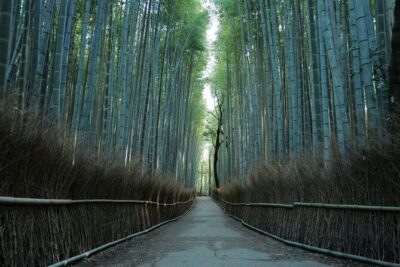
Kyoto Early Morning Tour with English-Speaking Guide
Read our review →Early Morning Tour with English-Speaking Guide
Read our review →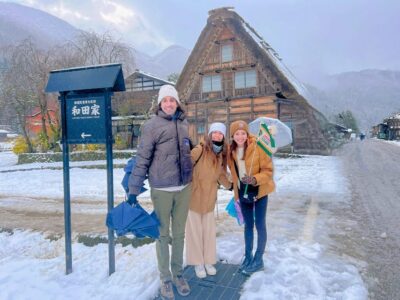
World Heritage Shirakawa-go Morning Guided Tour
Read our review →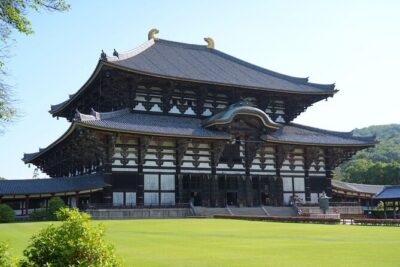
Nara Early Morning Tour (Kyoto or Osaka Departure Available)
Read our review →
Hiroshima in a Nutshell: Morning Bike Adventure
Read our review →