
Reviewed · DESSERT TOURS
Japanese Traditional Sweets ”Nerikiri” making
Tiny sweets, serious craft. This 65-minute workshop in Kyoto lets you make two seasonal nerikiri sweets with white and red bean paste from long-established Kyoto shops. I like the low $11 price and the fact that you can eat your creations on the spot, so there is no pressure to produce perfect souvenirs. The main drawback is language support: the instructor speaks Japanese, and English help is offered as much as possible rather than guaranteed.
I also like the calm pace and modest time commitment, which fit neatly into a busy Kyoto day. The flower-shaped sweet and kinton-style sweet give you two different forms to try. Just arrive on time, and check the stair access carefully if mobility is a concern, since the building has no elevator.
In This Review
- Key points to know before booking
- Why nerikiri makes a memorable Kyoto activity
- Finding the venue near Gojo Station
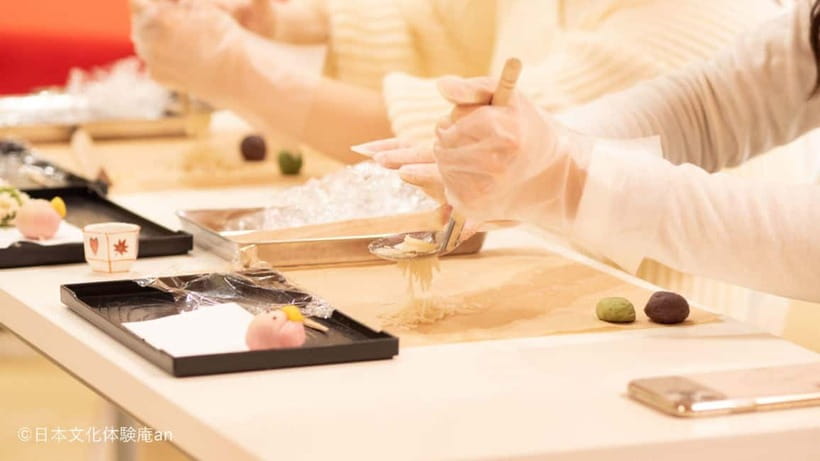
- Starting with the bean paste and seasonal shapes
- Making the kinton nerikiri
- Picture time, eating time, and the small extras
- How the language issue affects the experience
- Who will enjoy this 65-minute class
- Booking, timing, and cancellation details
- My verdict on value and overall quality
- Should you book Japanese traditional sweets nerikiri making?
- FAQ
- How long does the nerikiri-making experience last?
- How much does the activity cost?
- Where does the activity take place?
- Is English instruction available?
- Can I cancel for a full refund?
- Is the venue wheelchair accessible?
Key points to know before booking
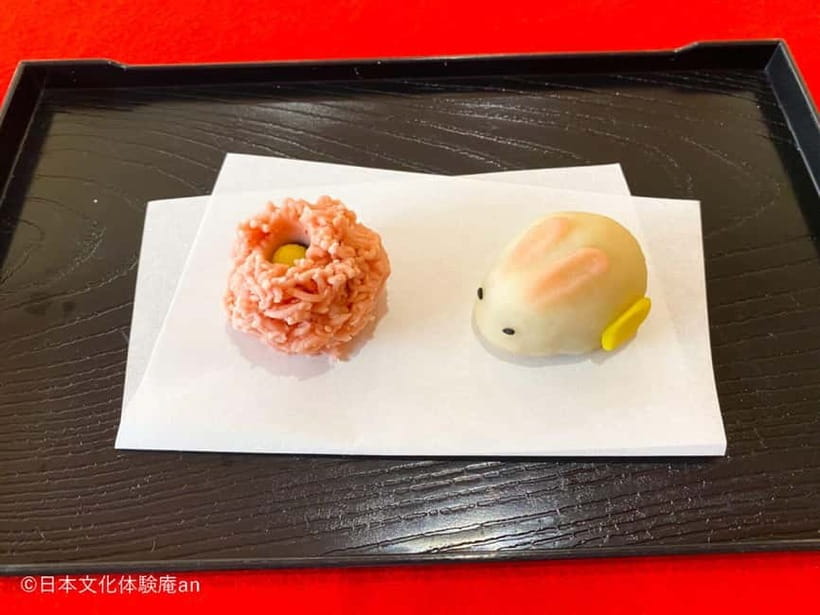
- Two seasonal sweets in 65 minutes: You make one flower-shaped nerikiri and one kinton nerikiri, then have time to photograph and eat them.
- Kyoto-made bean paste: The white and red bean pastes come from long-established Kyoto shops, giving the workshop a genuine local food connection.
- A short walk from Gojo Station: The venue is about one minute from Exit 1 of the Subway Karasuma Line, with the entrance facing Gojo-dori.
- Good value at $11: The price includes the full nerikiri-making session and is reasonable for a hands-on Kyoto activity.
- Japanese-language instruction: English translation may be provided when possible, but you should not expect a fully English-speaking class.
- Small extras are available: A takeout box costs 100 JPY, a completion certificate costs 300 JPY, and tatedashi matcha costs 500 JPY.
Why nerikiri makes a memorable Kyoto activity
Nerikiri is a traditional Japanese sweet made from bean paste and shaped into seasonal designs. It is not simply a snack pressed into a mold. The appearance matters, and the finished sweet is meant to suggest flowers, plants, seasons, or other natural forms.
That makes this workshop different from a standard cooking class. You are not preparing a large meal or learning a recipe you will recreate easily at home. You are learning how Japanese confectionery treats food as a small work of art.
The program uses white and red bean paste produced by long-established Kyoto shops. That detail matters because the paste is the heart of the sweet. Its texture must be smooth enough to shape, while its sweetness needs to balance the refined presentation.
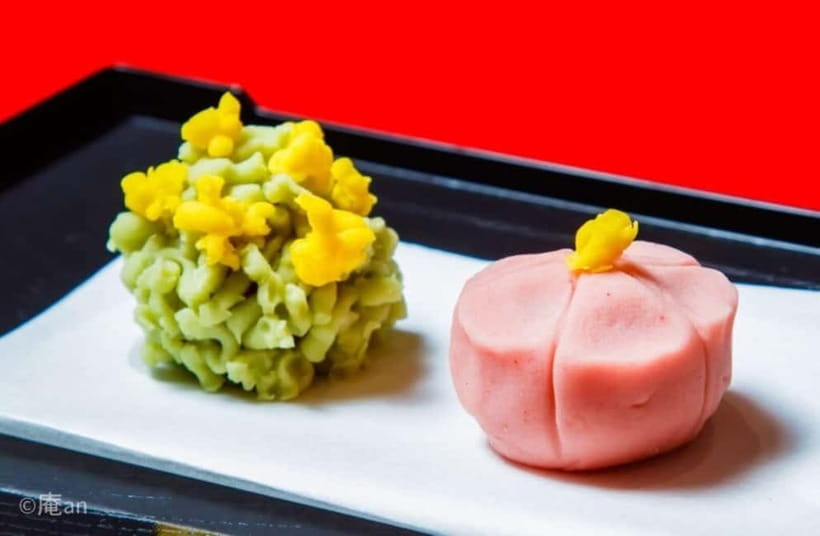
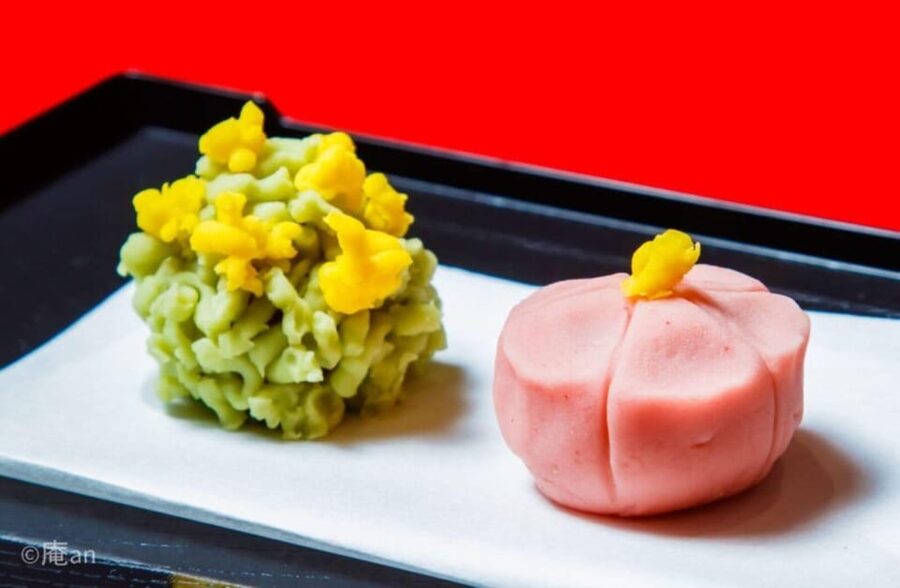
You make two pieces, not just one. That gives you a chance to try the technique twice and compare the styles. The flower-shaped nerikiri comes first, followed by a kinton nerikiri, which has a different look and texture on the outside.
I like this format because it keeps the class focused. You get a real activity, not a long lecture, and you leave with something you made yourself. At the same time, the short schedule means you should not expect a full lesson in Japanese confectionery traditions or a recipe book for home use.
A few more options to weigh up in Kyoto
- Kyoto: Japanese Traditional Sweets Making and Tea Ceremony
★ 4.4 · 314 reviews - Kyoto Wagashi(Japanese sweets) Cooking Class near Fushimiinari
★ 5.0 · 60 reviews - Kyoto: Wagashi (Japanese sweets) Cooking near Fushimiinari
★ 5.0 · 40 reviews
Finding the venue near Gojo Station
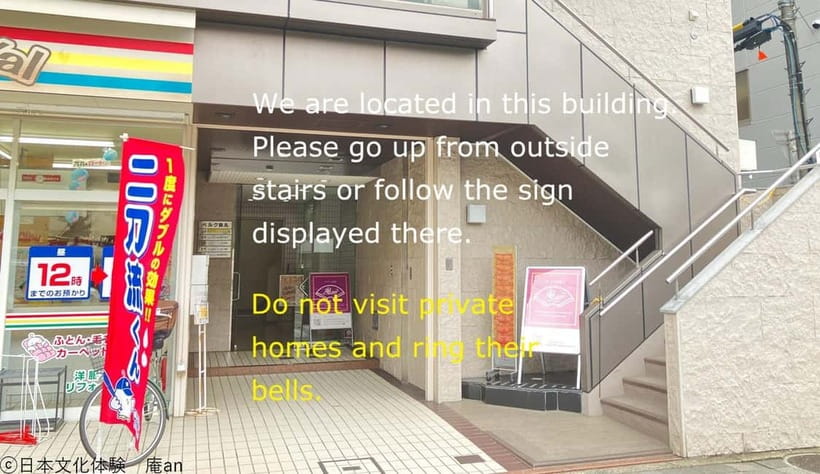
The meeting point is one minute from Exit 1 of Gojo Station on Kyoto’s Subway Karasuma Line. The entrance faces the main street, Gojo-dori, which should make it easier to find than a shop hidden down a narrow lane.
For a Kyoto schedule, this location is practical. You can fit the class between sightseeing stops without spending much time crossing the city. The activity lasts 65 minutes, and operating hours are from 10:00 to 17:00.
You should build in extra time to reach the venue. The class cannot be held for late arrivals, and the provider does not accommodate delays, regardless of the reason. Kyoto’s subway system is straightforward, but station exits, street crossings, and finding the correct building can still cost you a few minutes.
There is an important access point to check before reserving. The activity is described as wheelchair accessible, but the building has no elevator, and stairs are needed to reach each venue. If you use a wheelchair or have difficulty with stairs, contact AN KYOTO before booking and ask exactly how access will work for your session.
Starting with the bean paste and seasonal shapes
The class begins with an explanation of Japanese traditional sweets. This opening should help you understand what you are handling before you start shaping the paste.
The most useful part for beginners will be learning how the material responds to your hands. Nerikiri needs care. Push too hard and you can lose the clean shape. Handle it too much and the surface may not look as smooth as you hoped.
The instructor then guides you through the flower-shaped nerikiri. A flower is a fitting first project because it introduces the basic idea of creating a pleasing form from a simple mass of paste. The seasonal design also gives the sweet a visual link to the time of year.
This is where the class becomes more than a quick food sample. You are asked to pay attention to form, balance, and presentation. Even if your flower is not perfectly symmetrical, you will see why Japanese sweets are often appreciated with the eyes before the first bite.
English support is available as much as possible, but the instructor’s primary language is Japanese. One participant found the instructor kind and helpful but felt that the lack of English explanation made it difficult to understand how to recreate the paste and follow small details. Another participant said the instructor guided the group warmly despite limited English.
The practical lesson is simple: watch closely, copy the hand movements, and ask for help when you need it. If you want detailed explanations in English, contact the provider before the session and request language assistance.
Making the kinton nerikiri
The second sweet is a kinton nerikiri. This gives you a useful contrast with the flower design because the finished appearance is different, even though you are still working with traditional bean paste.
The schedule places the kinton after the flower. That order makes sense for a beginner. You get an early introduction to the material, then apply what you have learned to another shape.
Do not expect a free-form kitchen session where you can invent any design you want. The program specifies two seasonal sweets, so the instructor will guide you toward the planned forms. Still, the description points out that the possibilities are broad, and the final appearance depends on how you shape and arrange your work.
This is a good activity for children old enough to follow hand instructions. One participant described it as a relaxed way to spend an hour with a child around 10 to 12 years old. The activity is also presented as suitable for most ages and skill levels, though very young children may need close help from a parent.
Children under two who sit on a parent’s lap are free. Anyone who does not take part in the activity cannot enter the experience area, so plan the booking around the people who actually want to make the sweets.
A completely different kind of day out:
- PERFECT KYOTO 1-Day Bus Tour
★ 5.0 · 13,518 reviews - [Kyoto & Nara Day Tour] Sagano Scenic Railway & Nara Park & Fushimi Inari Taisha Thousand Torii Gates & Togetsukyo Bridge & Bamboo Grove & Kimono Forest (Departing from Osaka)
★ 4.9 · 10,942 reviews - Kyoto: Fushimi Inari, Kinkakuji, Bamboo Grove 1 Day Bus Tour
★ 4.8 · 4,316 reviews - Kyoto: Tea Ceremony in a Traditional Tea House in Kiyomizu
★ 4.9 · 3,519 reviews
Picture time, eating time, and the small extras
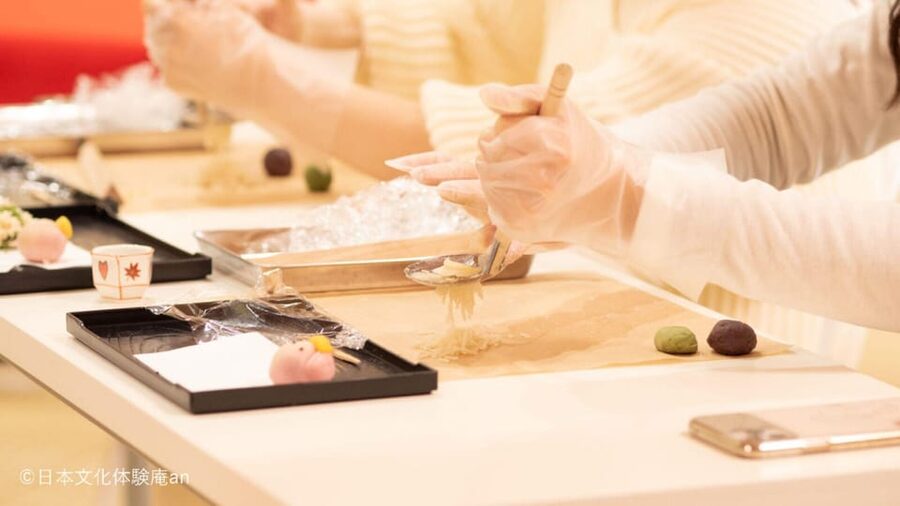
After the two sweets are made, the program includes picture time. This is worth using. Nerikiri is delicate, and your creations will look best before they are handled or eaten.
The visual side is part of the point. Place the sweets on a plate, take a few photographs, and enjoy the fact that you made a seasonal Japanese confection with your own hands. You do not need professional food photography equipment. A phone is enough to record the finished shapes.
Eating time follows the picture session. This is one of the strongest features of the activity. You are not left wondering how to carry soft handmade sweets through Kyoto, and you can taste the result while the workshop is still fresh in your mind.
If you want to take the sweets away, a box costs 100 JPY. That is a small and useful extra, especially if you want to save one for later or show it to someone who did not join the class.
You can also add tatedashi matcha for 500 JPY. The supplied information does not describe the exact serving details, so treat it as an optional tea addition rather than a central part of the class. A completion certificate is available for 300 JPY if you want a keepsake.
The standard $11 price includes the nerikiri-making session. At that rate, the value is strong for anyone who wants a hands-on Kyoto food activity without committing half a day or paying for a large meal.
How the language issue affects the experience
The instructor language is Japanese. English translation will be provided as much as possible, but the activity does not promise a fully English-speaking instructor.
That distinction is important. Nerikiri is visual and hands-on, so you can learn a good deal by watching. The shaping steps may be understandable even when spoken instructions are limited. Still, one participant felt the instructor did not come close enough to the tables to show fine details, and could not work out how to reproduce the paste afterward.
I would book this confidently if you are comfortable learning by demonstration. You should be ready to watch carefully and accept that some explanations may be brief. If you need precise English instruction at every stage, send a request before booking rather than assuming it will be available on the day.
The language issue does not erase the value of the workshop. Another participant found the instructor sympathetic and effective despite limited English, and a separate participant described the activity as fun and accessible. The mixed feedback points to a class that can work very well for patient, visual learners, but may frustrate someone seeking a detailed culinary lesson.
Who will enjoy this 65-minute class
I would recommend this activity to you if you want a quiet break from temples, shopping, and long walks. The short duration makes it easy to add to a Kyoto plan, especially near Gojo Station.
It is a particularly good choice for:
- First-time visitors who want a simple introduction to Japanese sweets
- Families with children who can follow guided handwork
- Couples or friends looking for a shared activity
- Solo visitors who enjoy making and photographing food
- People who want a small cultural activity at a low price
- Anyone curious about traditional Kyoto ingredients and presentation
It may be less suitable if you want a full cooking course, extensive English instruction, or a lesson that teaches you how to prepare the bean paste from raw ingredients. The paste is supplied, so the focus is shaping and presentation rather than making the base from scratch.
The experience also suits different comfort levels. You do not need advanced artistic ability. The aim is to try the process, not produce a pastry-shop masterpiece. The final sweets are edible even if your flower has a slightly lopsided petal or your kinton shape looks more abstract than planned.
Booking, timing, and cancellation details
The activity costs $11 per person, with reserve-now and pay-later availability. That option helps if you are arranging several Kyoto activities and do not want to pay immediately.
You can cancel up to 24 hours in advance for a full refund. After the cancellation deadline, a fee applies, and changing the date or time after a fee has been incurred can bring an additional specified charge. Reservations received after 17:00 are processed the next day.
Keep your schedule realistic. The class itself is 65 minutes, but you should allow time to reach the building, locate the entrance, and get settled. Since late arrivals cannot be accommodated, this is not a good booking to place immediately after a distant sightseeing stop.
The provider also notes that travel expenses to the venue are not compensated if you cancel. That is another reason to confirm your route and timing before the cancellation deadline.
My verdict on value and overall quality
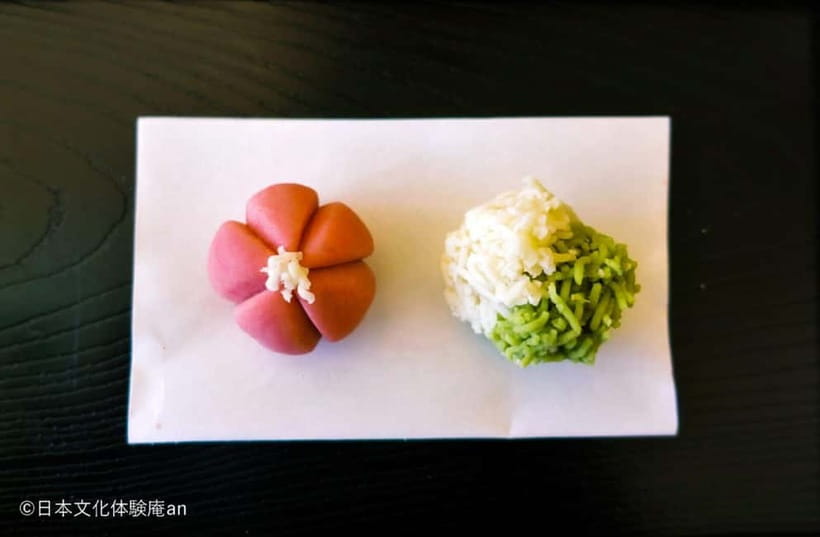
The strongest parts of this experience are its price, pace, and satisfying finish. For $11, you get to work with Kyoto-sourced bean paste, shape two seasonal sweets, photograph them, and eat what you made. That is a lot of hands-on activity for just over an hour.
The class also has a pleasant sense of purpose. You are not merely sampling a sweet behind glass. You are learning why shape and season matter in Japanese confectionery, then testing those ideas with your own hands.
The limitations are clear. English instruction may be uneven, and the workshop will not teach you every step needed to reproduce nerikiri at home. The no-elevator note also deserves attention, especially because the activity is described as wheelchair accessible while stairs are required inside the building.
The ratings and written comments point to a generally positive experience, with an overall score of 4.3 out of 5 from 17 ratings. The praise centers on the relaxing pace, attractive presentation, friendly guidance, fun for different ages, and the pleasure of eating the finished sweets.
Should you book Japanese traditional sweets nerikiri making?
Book it if you want a short, affordable Kyoto activity with a real edible result. It is especially worthwhile on a rainy afternoon, during a packed sightseeing day, or when you want something gentler than another major temple visit.
I would skip it if you need a detailed English cooking lesson, want to make the bean paste yourself, or cannot manage stairs without confirmed assistance. For everyone else, this is a pleasant way to spend 65 minutes, learn a little about Japanese sweets, and leave with two small works of art that do not have to survive the rest of your luggage journey.
FAQ
How long does the nerikiri-making experience last?
The experience lasts 65 minutes. The schedule includes an explanation, flower-shaped nerikiri making, kinton nerikiri making, picture time, and eating time.
How much does the activity cost?
The price is $11 per person. A takeout box costs 100 JPY, a completion certificate costs 300 JPY, and tatedashi matcha costs 500 JPY.
Where does the activity take place?
The venue is about a one-minute walk from Exit 1 of Gojo Station on the Subway Karasuma Line. The entrance faces Gojo-dori.
Is English instruction available?
The instructor’s language is Japanese. English translation will be provided as much as possible, and you can contact the provider in advance if you would like to request English support.
Can I cancel for a full refund?
You can cancel up to 24 hours in advance for a full refund. Cancellation fees apply after that deadline.
Is the venue wheelchair accessible?
The activity information describes it as wheelchair accessible, but it also states that the building has no elevator and that stairs are required to reach each venue. Contact the provider before booking to confirm access for your needs.
Just added in Kyoto
- The “Golden Route” and Ancient Japan by DIAMIR Erlebnisreisen – 14-Day Tour★ 2.0 · 2 reviews
- Japan: Castles & Cuisine by G Adventures – 6-Day Kyoto to Osaka Tour★ 4.5 · 4 reviews
- Cycle Japan by Explore! – 13-Day Kyoto to Tokyo Tour★ 4.7 · 12 reviews
- Cycle Japan by Intrepid Travel – 11-Day Kyoto to Tokyo Tour★ 4.8 · 2 reviews
- Classic Japan by Intrepid Travel – 11-Day Kyoto to Tokyo Tour★ 4.4 · 14 reviews
- Ancient & Modern Japan 14-Day Tour by Exodus Adventure Travels★ 4.4 · 40 reviews
- 5 Day Cultural Adventure of Kyoto, Nara & Osaka by Tourist Journey★ 2.5 · 2 reviews
- 12 Days Kinosaki Onsen Escape: A Journey Through Japan’s Timeless Towns by UME Travel★ 4.8 · 5 reviews
Dessert Tours, compared.

Matcha Making Class in Tokyo with Authentic Japanese Sweets Set
Read our review →
Matcha Making Class in Osaka with Authentic Japanese Sweets Set
Read our review →
Matcha Making Experience with Mochi Sweets in Asakusa
Read our review →
Japanese Traditional Sweets Making and Tea Ceremony
Read our review →
Japanese Traditional Sweets Making and Tea Ceremony
Read our review →
Private Mochi Sweets Making class near Shibuya area
Read our review →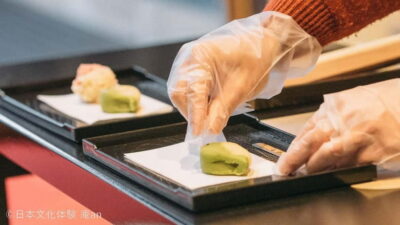
Japanese Traditional Sweets making and Tea Ceremony
Read our review →Browse the lists this tour appears in