
Reviewed · COOKING CLASSES
Kyoto Wagashi(Japanese sweets) Cooking Class near Fushimiinari
Japanese sweets are edible works of art. This small Kyoto class brings you into an authentic Japanese-style house near Fushimi Inari, where you prepare three types of wagashi, learn the basic techniques, and eat your results with matcha beside a garden view. I like the intimate group size of six or fewer, and I like that the class gives you recipes to take home rather than ending with a snack and a smile.
The class also gets high marks for its friendly instruction. Miho has hosted families, teenagers, couples, and solo participants with a relaxed hand, and the English-speaking guides are licensed guide interpreters. The main consideration is the price, about $79.26 per person, which is fair for a small, hands-on class but higher than a simple tea-and-sweets stop.
In This Review
- Key points to know before booking
- Why wagashi makes a good Kyoto activity
- Entering the traditional Japanese house near Fushimi Inari
- The first stage: watching before you cook
- Making three types of Japanese sweets
- Finishing with matcha and a garden view
- How the English instruction works
- A closer look at the $79.26 price
- Who will enjoy this class most
- Timing, transport, and cancellation details
- Dietary needs and practical expectations
- Should you book the Kyoto wagashi class?
- FAQ
- Where does the wagashi cooking class take place?
- Is the class near Fushimi Inari?
- How long does the class last?
- How many people can join the class?
- What will I make?
- Is tea included?
- Is the class taught in English?
- Are vegetarian and vegan participants welcome?
- Is hotel pickup included?
- Can I cancel for a full refund?
Key points to know before booking
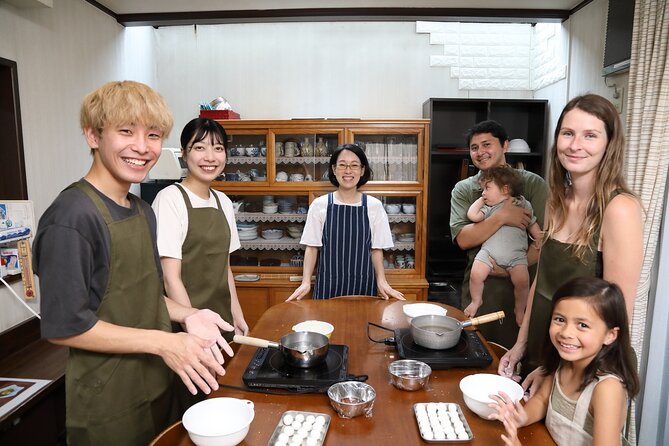
- Three wagashi in 2.5 hours: You prepare about three different Japanese sweets, not just watch a demonstration.
- A traditional house near Fushimi Inari: The setting gives the class a distinctly Japanese feel, with a tatami-style room and garden view.
- Small groups of six or fewer: You should have room to ask questions and receive help with shaping and cooking.
- Matcha and your own sweets: The session ends with everyone sitting together to enjoy the finished wagashi and tea.
- Recipes are included: You can try making the sweets again for family and friends after returning home.
- Vegetarian and vegan-friendly: Tell the provider about dietary restrictions in advance.
Why wagashi makes a good Kyoto activity
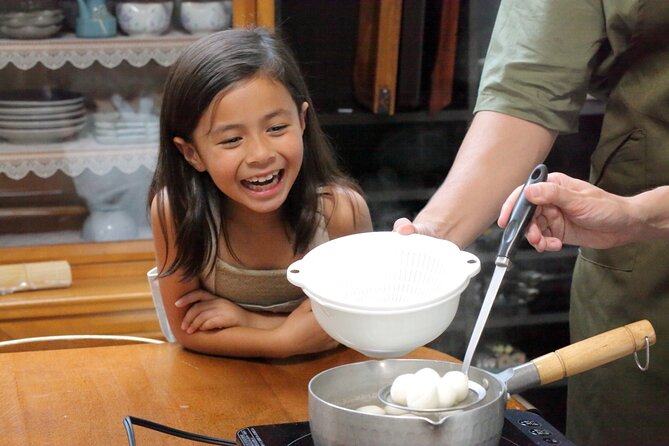
Kyoto is known for temples, gardens, shrines, and formal cultural experiences. Wagashi gives you another way to understand the city: through its seasonal sweets, careful shapes, soft textures, and balance with tea.
These are not ordinary bakery desserts. Japanese sweets often use ingredients and methods that can feel unfamiliar at first. Beans, rice flour, sesame, sweet sauces, and carefully prepared fillings all play a part. The point is not only sweetness. Shape, texture, color, and presentation matter too.
That makes this class useful for you if you want more than a picture at Fushimi Inari. You get to handle the ingredients and see how a finished sweet takes form. The process also helps explain why wagashi appears so often in Japanese animation and manga. The shapes are memorable, and the final pieces look almost too neat to eat.
The activity is especially appealing if you have already spent the morning visiting shrines and need a slower afternoon. You are not rushing from one sight to another. You sit down, listen, work with your hands, and share food with a small group.
More Cooking Classes in Kyoto
- Ramen Cooking Class at Ramen Factory in Kyoto
★ 5.0 · 1,937 reviews - Sushi Making in Kyoto! Same-day bookings welcome!
★ 5.0 · 713 reviews - Kyoto: Ramen Cooking Class at a Ramen Factory with Souvenir
★ 4.9 · 532 reviews
Entering the traditional Japanese house near Fushimi Inari
The meeting point is 38-4 Fukakusa Watamoricho in Kyoto’s Fushimi Ward. It is near public transportation, and the experience begins and ends at this same location. You will need to make your own way there because hotel pickup and drop-off are not included.
The house is an important part of the experience. You start by relaxing in a traditional Japanese room, rather than entering a large commercial kitchen or classroom. The setting is meant to feel like being invited to a friend’s home for tea. That gives the class a warmer, more personal tone than a standard cooking lesson.
A garden view adds to the appeal. You are not simply waiting for ingredients to be measured. The room and garden create a calm place to enjoy the sweets once they are ready.
I would allow extra time to find the address, especially if you are coming directly from Fushimi Inari or another Kyoto sight. The meeting point is specific, and a mobile ticket is provided, but the tour information does not promise hotel transport or a personal escort from the station.
The first stage: watching before you cook
The instructor begins with demonstrations. This matters with wagashi because the techniques can look simple until you try them yourself. The texture of a filling, the way dough is handled, and the final shaping all require attention.
After watching, you prepare the sweets yourself or work with a partner. The class does not leave you to guess your way through the process. The instructors explain what to do before you begin, and the English-language format should make the steps clear for English speakers.
The small group helps here. With a maximum of six people, you are less likely to feel lost in a crowd. You can ask about a technique, check the appearance of your sweets, and receive help if your first attempt looks more homemade than artistic. That is part of the fun. Wagashi rewards patience, but it does not demand perfection from a first-time cook.
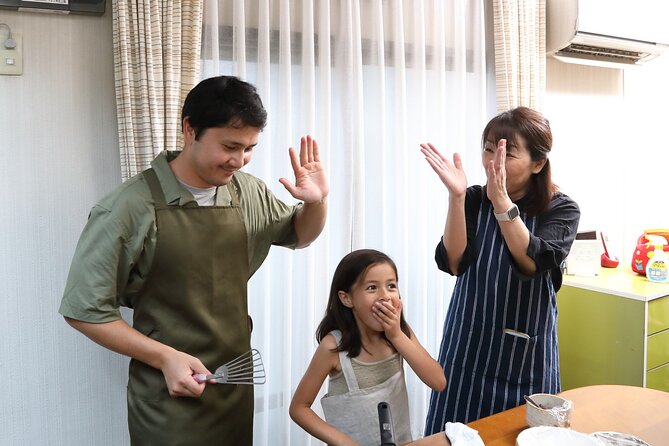
The class works well for families because the activity gives different ages something to do. Teenagers can take an active role instead of sitting through a long cultural talk. Parents may find that the results are surprisingly good, even if their own cooking skills are less dependable. The relaxed atmosphere is a better fit for a family than a highly formal workshop.
Making three types of Japanese sweets
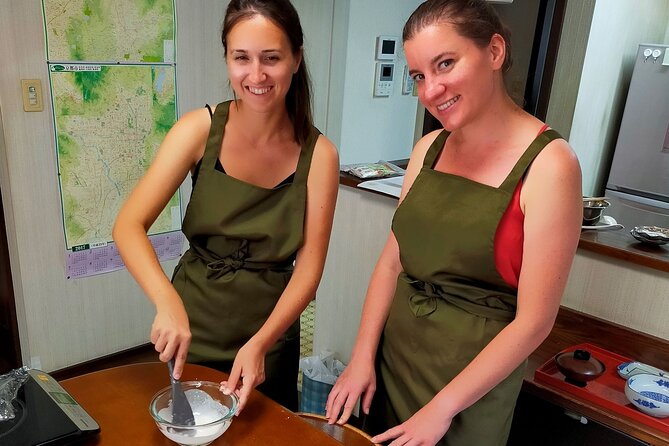
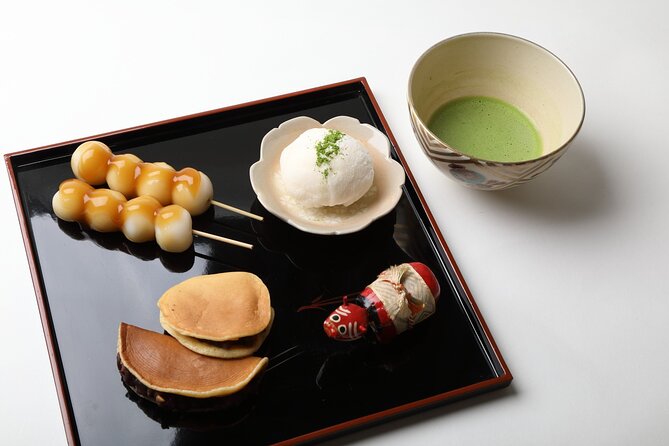
You prepare about three varieties of wagashi during the class. The exact sweets can vary, but the experience has included treats such as black sesame sweets and mitarashi dango.
Black sesame is worth noting if you have never tried it in a dessert. It brings a nutty, slightly earthy flavor that differs from the usual Western idea of a sweet. One particularly enthusiastic participant became obsessed with the black sesame mochi after tasting it. That is a useful clue for anyone who likes sesame or wants to try something beyond matcha-flavored desserts.
Mitarashi dango is another highlight. These chewy rice-flour dumplings are served with a sweet soy-based sauce. The combination of soft dumpling and glossy sauce gives you a good introduction to the balance of sweet and savory flavors found in Japanese cooking.
The third sweet gives you another process and texture to learn. The value of preparing several types is that you do not spend two and a half hours repeating one simple recipe. You see how different ingredients and techniques create different results.
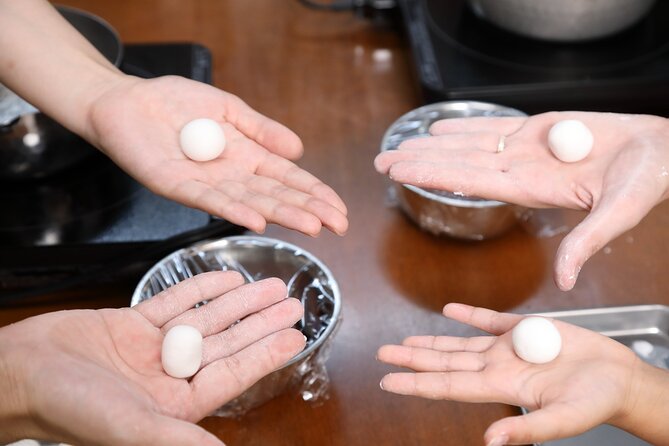
You should also expect some hands-on shaping. Wagashi often looks precise because the final form is carefully made. The class lets you see the work behind that appearance. If your pieces are not identical to the instructor’s, that is no failure. You are learning a craft, not producing sweets for a department store display.
A completely different kind of day out:
- PERFECT KYOTO 1-Day Bus Tour
★ 5.0 · 13,518 reviews - [Kyoto & Nara Day Tour] Sagano Scenic Railway & Nara Park & Fushimi Inari Taisha Thousand Torii Gates & Togetsukyo Bridge & Bamboo Grove & Kimono Forest (Departing from Osaka)
★ 4.9 · 10,942 reviews - Kyoto: Fushimi Inari, Kinkakuji, Bamboo Grove 1 Day Bus Tour
★ 4.8 · 4,316 reviews - Kyoto: Tea Ceremony in a Traditional Tea House in Kiyomizu
★ 4.9 · 3,519 reviews
Finishing with matcha and a garden view
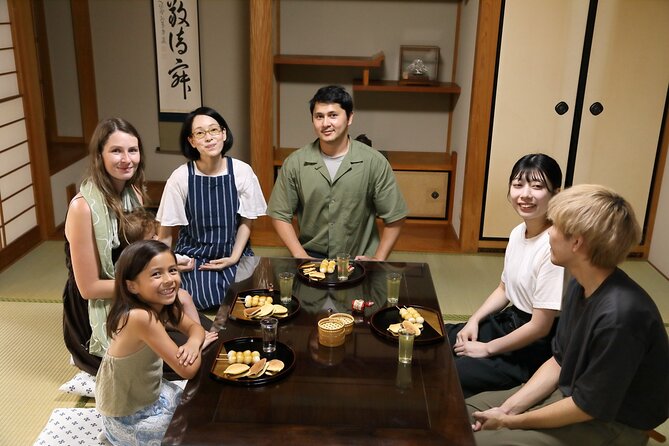
Once the cooking is finished, you sit with the other participants and eat the sweets you made. Coffee or tea is included, and the class specifically features matcha with the wagashi.
This final sitting is more than a tasting break. It gives you time to compare what you made, talk with the instructor, and enjoy the traditional room. The garden view provides a quiet backdrop, and the pace slows down after the concentration of cooking.
I like this structure because it connects the work with the reward. You do not simply receive a prepared sweet and move on. You see the ingredients, follow the instructions, shape the food, and then taste the result. That makes the flavors more memorable.
The class has also been praised for being relaxed rather than stiff. Miho’s teaching style has been described as well organized and friendly, with plenty of laughter and eating. That balance is important. A Japanese cultural activity should teach you something, but it should not feel like an exam.
How the English instruction works
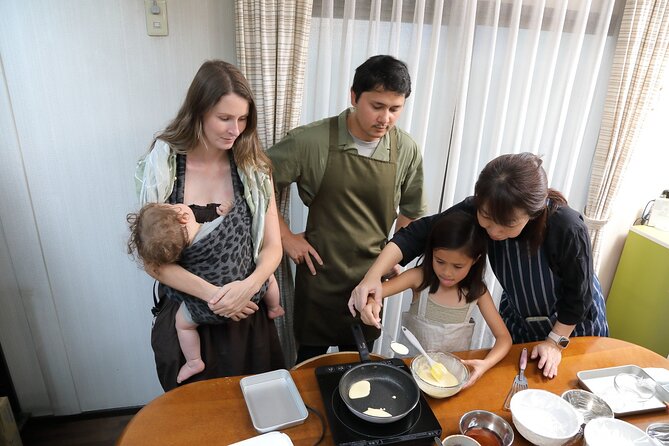
The classes are conducted in English. The instructors are licensed guide interpreters, so the provider presents the class as suitable for participants who need clear explanations of the cooking process.
That is useful because wagashi preparation can involve unfamiliar terms and techniques. You want to know not only what to do, but why a step matters. The demonstrations, followed by your own preparation, give you two ways to understand the process.
The information also says the class allows English and non-English speakers. Since the teaching itself is in English, you should contact the provider in advance if you have a serious language concern. The key point is that the class is designed to communicate clearly, not rely on silent imitation.
A closer look at the $79.26 price
At about $79.26 per person, this is not the cheapest food activity in Kyoto. You are paying for more than ingredients. The cost includes the instructor, all cooking ingredients and seasonings, tea or coffee, fees, taxes, the traditional home setting, and a small group capped at six people.
That price makes more sense if you value personal instruction. A large class might cost less, but you would likely have less time for questions and less space to work at your own pace. Here, the group size supports a more personal session.
The included recipes also add value. You can repeat the sweets at home and share them with family and friends. The recipes turn the class into something you can carry beyond Kyoto, although you may need to locate suitable ingredients once home.
The value is weaker if you only want to sample Japanese sweets. In that case, a tea shop or confectionery would be cheaper and quicker. Book this class when the making matters as much as the eating.
Who will enjoy this class most
I would recommend this experience to:
- Families looking for a shared activity near Fushimi Inari
- Teenagers who prefer doing something to listening to a long lecture
- Couples interested in Japanese food and home culture
- Solo participants who enjoy small, social classes
- Vegetarians and vegans who can provide dietary information in advance
- Anyone curious about sweets seen in Japanese manga or anime
- Visitors who want a slower cultural experience after shrine visits
The class is less suitable if you dislike sweet foods, have very limited time, or want a broad cooking lesson covering many savory Japanese dishes. This is focused on wagashi, with roughly three sweets prepared during one session.
Solo visitors should not worry about being left out. The maximum of six keeps the setting personal, and the provider specifically welcomes people who come alone. You may cook by yourself or with a partner, depending on the group.
Timing, transport, and cancellation details
The session lasts about two hours and thirty minutes. That is long enough for instruction, preparation, eating, and conversation, but short enough to fit into a Kyoto day.
The activity begins and ends at 38-4 Fukakusa Watamoricho, near public transportation. There is no hotel pickup or drop-off, so plan your route before leaving your hotel. A mobile ticket is available, and booking confirmation is provided at the time of booking.
Free cancellation is available if you cancel at least 24 hours before the local start time. Changes or cancellations made less than 24 hours before the start are not accepted for a refund. The activity also requires good weather, and if poor weather causes cancellation, you will be offered another date or a full refund.
That weather condition is worth checking before you build a tightly packed Kyoto itinerary. It may sound unusual for an indoor cooking class, but the provider includes it in the booking terms.
Dietary needs and practical expectations
Vegetarians are welcome, and the class is vegan-friendly. You must tell the provider about dietary restrictions in advance. Do not wait until you arrive, since the ingredients and preparation may need to be arranged beforehand.
All seasonings and ingredients are included. You do not need to bring cooking supplies, and you are not charged separate fees or taxes during the activity. Gratuity is not included, so you may choose to tip if you feel the instruction deserves it.
The class is held in an authentic Japanese-style home, so you should expect a traditional setting rather than a modern restaurant kitchen. The information does not provide specific accessibility details, so contact the provider directly if you need to know about room access or seating arrangements.
Should you book the Kyoto wagashi class?
Book it if you want to make, not merely taste, Japanese sweets. The strongest reasons are the small group, the traditional home, the friendly instruction, and the chance to prepare three different wagashi with recipes to take home.
The class also earns extra credit for its good family format. Teenagers can participate, parents can laugh at imperfect first attempts, and everyone gets to eat the results. Miho’s relaxed approach and the praise for black sesame sweets and mitarashi dango add a personal touch.
Skip it if your main goal is a quick snack or a low-cost food stop. At $79.26, the class is an activity and a cultural lesson, not just dessert. For visitors who enjoy hands-on learning, that makes the price reasonable. For everyone else, Kyoto has plenty of sweets waiting in shop windows.
FAQ
Where does the wagashi cooking class take place?
The class takes place at 38-4 Fukakusa Watamoricho in Fushimi Ward, Kyoto, Japan.
Is the class near Fushimi Inari?
Yes. The experience is described as being near Fushimi Inari and near public transportation.
How long does the class last?
The class lasts approximately two hours and thirty minutes.
How many people can join the class?
The class has a maximum of six participants.
What will I make?
You will prepare about three different types of wagashi, or Japanese sweets. Examples associated with the class include black sesame sweets and mitarashi dango.
Is tea included?
Yes. Coffee and/or tea is included, and the class finishes with the sweets and a cup of matcha in the traditional Japanese room.
Is the class taught in English?
Yes. The classes are conducted entirely in English, and the instructors are licensed guide interpreters.
Are vegetarian and vegan participants welcome?
Yes. Vegetarians are welcome, and the class is vegan-friendly. You should provide dietary information in advance.
Is hotel pickup included?
No. Hotel pickup and drop-off are not included. You must travel to and from the meeting point yourself.
Can I cancel for a full refund?
Yes, if you cancel at least 24 hours before the experience start time. Cancellations or changes made less than 24 hours in advance are not accepted for a refund.
More Dessert Tours in Kyoto
- Kyoto: Japanese Traditional Sweets Making and Tea Ceremony
★ 4.4 · 314 reviews - Kyoto: Wagashi (Japanese sweets) Cooking near Fushimiinari
★ 5.0 · 40 reviews - Kyoto: Traditional Tea Ceremony with Matcha & Sweets in Gion
★ 4.9 · 27 reviews - Japanese Traditional Sweets ”Nerikiri” making
★ 4.3 · 17 reviews
Just added in Kyoto
- The “Golden Route” and Ancient Japan by DIAMIR Erlebnisreisen – 14-Day Tour★ 2.0 · 2 reviews
- Japan: Castles & Cuisine by G Adventures – 6-Day Kyoto to Osaka Tour★ 4.5 · 4 reviews
- Cycle Japan by Explore! – 13-Day Kyoto to Tokyo Tour★ 4.7 · 12 reviews
- Cycle Japan by Intrepid Travel – 11-Day Kyoto to Tokyo Tour★ 4.8 · 2 reviews
- Classic Japan by Intrepid Travel – 11-Day Kyoto to Tokyo Tour★ 4.4 · 14 reviews
- Ancient & Modern Japan 14-Day Tour by Exodus Adventure Travels★ 4.4 · 40 reviews
- 5 Day Cultural Adventure of Kyoto, Nara & Osaka by Tourist Journey★ 2.5 · 2 reviews
- 12 Days Kinosaki Onsen Escape: A Journey Through Japan’s Timeless Towns by UME Travel★ 4.8 · 5 reviews
Cooking Classes, compared.
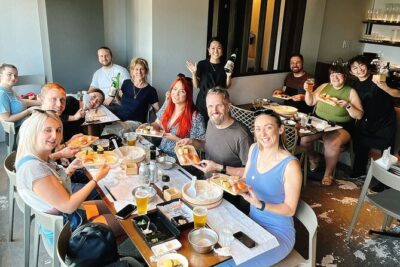
Sushi Making Tokyo Roll and Authentic Japanese Sushi Class
Read our review →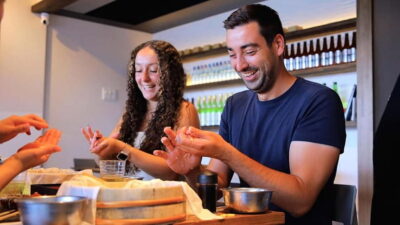
Roll and Authentic Sushi Making Class in Asakusa
Read our review →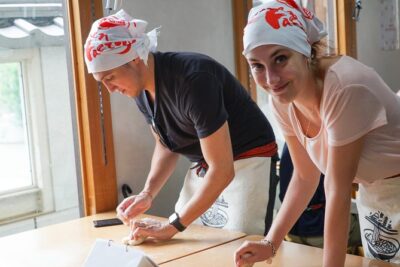
Ramen Cooking Class at Ramen Factory in Kyoto
Read our review →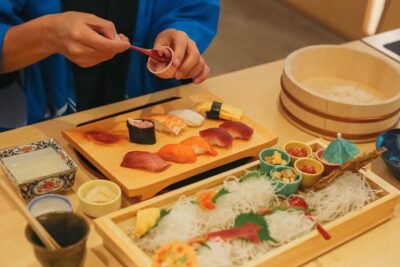
Sushi Making Class in a Happi Coat near a Famous Spot
Read our review →
Sushi Making Osaka Roll and Authentic Japanese Sushi Class
Read our review →
Tokyo Sushi Making Class in Tsukiji with Professional Chef
Read our review →
Ramen & Gyoza Cooking Class in Tokyo with Local Supermarket Visit
Read our review →Browse the lists this tour appears in