
Reviewed · COOKING CLASSES
Kyoto: Wagashi (Japanese sweets) Cooking near Fushimiinari
Sweet-making beats souvenir shopping.
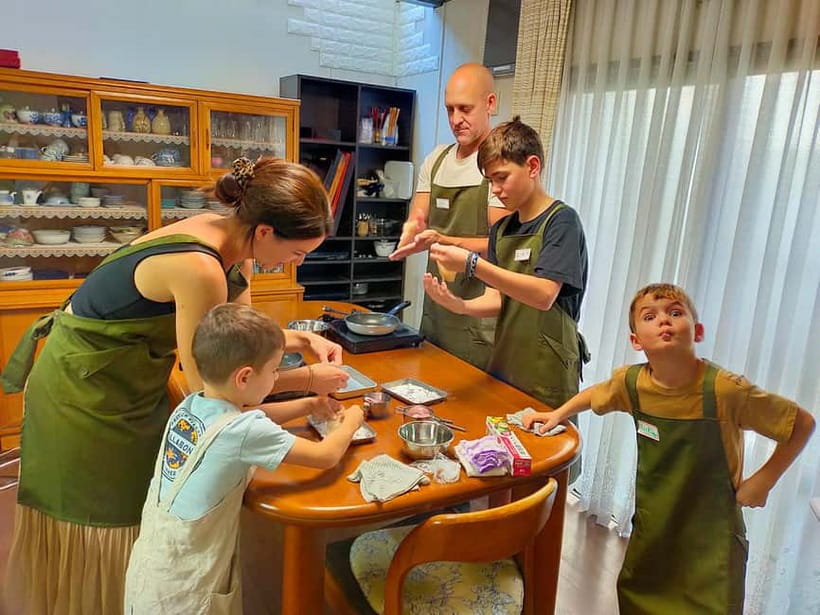
Near Fushimi Inari, this 150-minute class brings you into an authentic Japanese home for hands-on wagashi cooking, matcha, and a quiet garden view. I like the small group of six and the warm, personal teaching style of Miho, whose clear English and patient guidance help beginners get involved. I also like that you make about three sweets yourself, rather than simply watching a demonstration.
The main consideration is the price: $84 per person is not cheap for a cooking class, especially if you are traveling with a family. Still, the setting, instruction, tea service, cultural conversation, and sweets to enjoy or take away make this a stronger value than a basic recipe lesson.
In This Review
- Key points at a glance
- Why wagashi makes a good Kyoto activity
- Arriving at a traditional Japanese room
- Watching the demonstrations before you cook
- Making mochi, dango, and dorayaki
- Learning with Miho in clear English
- The matcha lesson and garden-view tasting
- Is $84 good value for 150 minutes?
- Who will enjoy this class most?
- Practical details before you book
- My verdict: book it for the welcome, not just the sweets
- FAQ
- How long does the wagashi cooking class last?
- How many people can join the class?
- Is the class taught in English?
- What sweets will I make?
- Can vegetarians and vegans join?
- Can children take part?
Key points at a glance
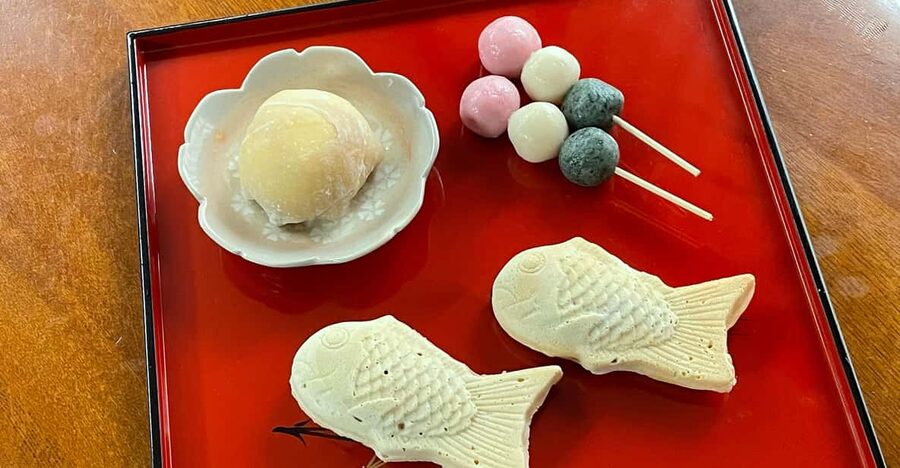
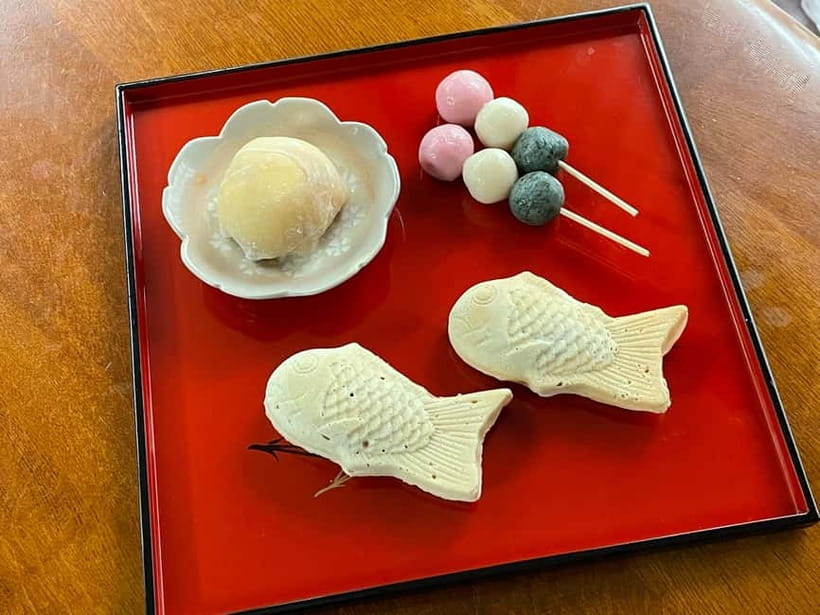
- Three hands-on Japanese sweets: Prepare different wagashi, with past classes including mochi, dango, dorayaki, and mochi ice cream.
- A real Japanese home: Relax in a traditional washitsu room with a garden view while you eat what you made.
- Miho’s personal teaching: Her calm, friendly style gives you useful tips, cultural background, and room to work at your own pace.
- English from start to finish: The class is conducted in English by a licensed guide interpreter.
- Good for families with older children: Children aged 6 and over can take part, but anyone 12 or younger needs a guardian.
- Vegetarian and vegan friendly: Tell the host about food restrictions in advance, since the seasonal menu can change.
Why wagashi makes a good Kyoto activity
Kyoto offers no shortage of temples, shrines, gardens, and shops. After a few days of sightseeing, a quiet activity where you sit down, use your hands, and talk with a local can feel like a welcome change of pace.
Wagashi are Japanese sweets tied closely to tea culture. Their appeal is not only sweetness. Shape, color, texture, and season all matter, so making them gives you a small lesson in how Japanese food is presented and enjoyed.
This class is especially useful if you have seen mochi, dango, or other sweets in manga and anime and want to understand what they are beyond their cartoon appearance. You learn how the ingredients behave, how the sweets are formed, and how they are served with tea.
I also appreciate the scale of the activity. With no more than six people, you are not lost at the back of a large cooking studio. The teaching can remain personal, and if fewer people book, you might receive a private or nearly private lesson. That happened to several people who attended on quieter dates.
More Cooking Classes in Kyoto
- Ramen Cooking Class at Ramen Factory in Kyoto
★ 5.0 · 1,937 reviews - Sushi Making in Kyoto! Same-day bookings welcome!
★ 5.0 · 713 reviews - Kyoto: Ramen Cooking Class at a Ramen Factory with Souvenir
★ 4.9 · 532 reviews
Arriving at a traditional Japanese room
The class takes place near Fushimi Inari in a home with traditional Japanese rooms and a garden view. The setting is a key part of the appeal. You are not just sitting at a modern counter under bright studio lights. You begin by relaxing in a washitsu, the kind of room associated with tatami, tea, and Japanese domestic life.
The exact menu changes with the season, so you should think of the class as a guided introduction to wagashi rather than a fixed recipe course. That seasonal change is a plus for repeat visits, but it means you should not book expecting one exact combination of sweets.
The welcome is relaxed and hospitable. Past sessions have included tea and a small sweet or sweet potato before the cooking begins. That gentle start helps set the tone. You are treated less like a customer being rushed through an attraction and more like someone who has been invited into a home for an afternoon activity.
The garden view matters most at the end, when the room becomes your tea room. You get time to sit, look outside, and enjoy the sweets without having to hurry straight back onto the sightseeing route.
Watching the demonstrations before you cook
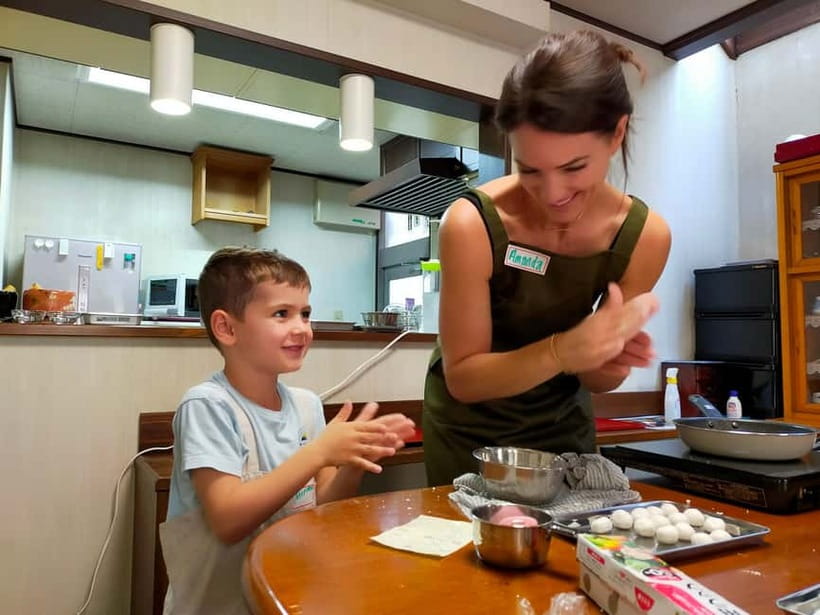
Miho first demonstrates the techniques, then you work through them yourself or with a partner. This order makes sense for wagashi because the methods can look simple until you try shaping, mixing, or handling the ingredients.
The class is not designed as a show where the instructor does all the work. You should expect to prepare the sweets with your own hands, following clear instructions one stage at a time. That is one of the strongest reasons to book it instead of watching a video at home.
You also get practical tips that recipes often leave out. The instruction covers ingredients, cooking methods, and ways to reproduce the sweets later. One participant even received advice about where to buy ingredients, which is useful if you want to continue cooking after returning home.
The pace can adjust to the group. If you are new to Japanese cooking, you can ask questions as you go. If you already cook, you can focus on the details of texture and shaping. A quiet day may offer more time for conversation and questions, while a full group will bring more shared energy.
Making mochi, dango, and dorayaki
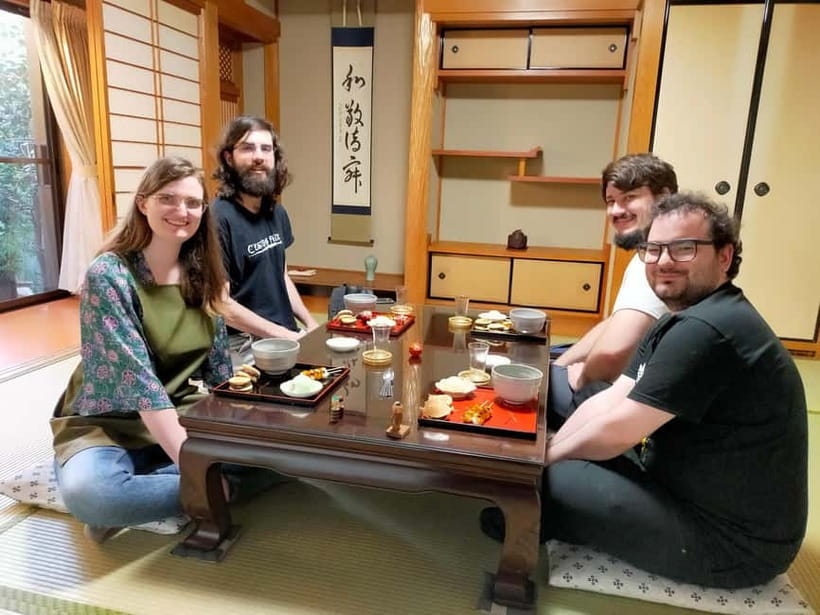
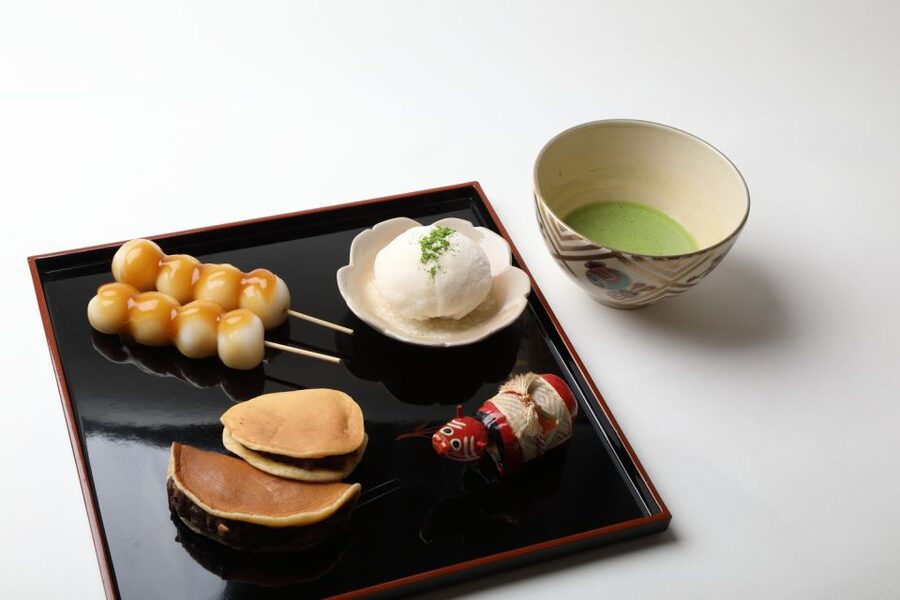
The menu is seasonal, but the sweets made in previous classes give you a good idea of the range. Mochi, dango, dorayaki, and mochi ice cream have all appeared in the hands-on work.
Mochi is likely to be the biggest draw for many people. Its soft, elastic texture can seem mysterious when you buy it ready-made, but the class breaks the process into manageable steps. One person described the method as easier than expected, which is encouraging if you are not confident in the kitchen.
Dango gives you a different experience. These chewy rice-flour dumplings are shaped and prepared before being served, and their texture is quite different from mochi. Making them helps you notice that Japanese sweets are not all the same, even when rice flour is involved.
Dorayaki adds another useful contrast. Rather than a stretchy sweet, it involves a soft pancake-style exterior with filling. Preparing three types gives you a broader sense of wagashi and keeps the session from feeling repetitive.
You should not expect professional pastry-school precision. The point is to learn the method, enjoy the process, and make sweets you can feel proud of. Your finished pieces may not look exactly like those in a Kyoto shop, but that is part of the fun. You get to see how a few uneven edges still taste perfectly good.
A completely different kind of day out:
- PERFECT KYOTO 1-Day Bus Tour
★ 5.0 · 13,518 reviews - [Kyoto & Nara Day Tour] Sagano Scenic Railway & Nara Park & Fushimi Inari Taisha Thousand Torii Gates & Togetsukyo Bridge & Bamboo Grove & Kimono Forest (Departing from Osaka)
★ 4.9 · 10,942 reviews - Kyoto: Fushimi Inari, Kinkakuji, Bamboo Grove 1 Day Bus Tour
★ 4.8 · 4,316 reviews - Kyoto: Tea Ceremony in a Traditional Tea House in Kiyomizu
★ 4.9 · 3,519 reviews
Learning with Miho in clear English
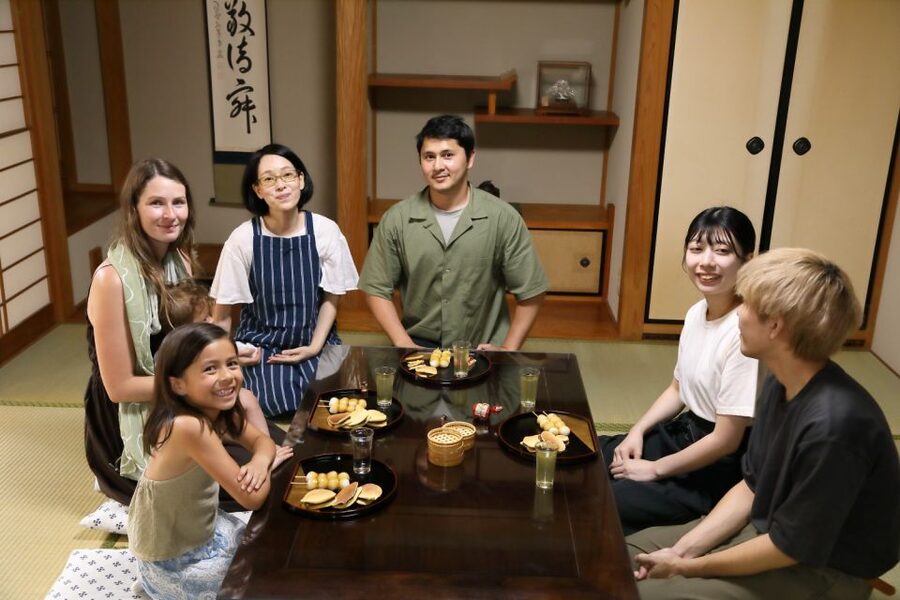
Miho receives especially strong praise for her kindness, patience, organization, and English. Those qualities matter here because wagashi preparation can involve small visual details that are easy to miss when instructions are rushed or translated poorly.
The class is conducted entirely in English, and the instructor is a licensed guide interpreter. That means you can ask about both the cooking and the cultural meaning behind it. You are not limited to memorizing steps.
The cultural conversation is one of the better parts of the activity. Miho has shared information about Japanese food and customs, answered questions about wagashi, and offered suggestions for places to visit based on personal interests. The conversation can make the class feel more like time spent with a helpful local than a standard food lesson.
You should also expect a friendly, informal atmosphere. People have described laughter, genuine conversation, and a sense of being welcomed into the home. If you prefer a fast, highly technical class with little talk, this may feel too gentle. If you want cooking mixed with human contact, it fits well.
The matcha lesson and garden-view tasting
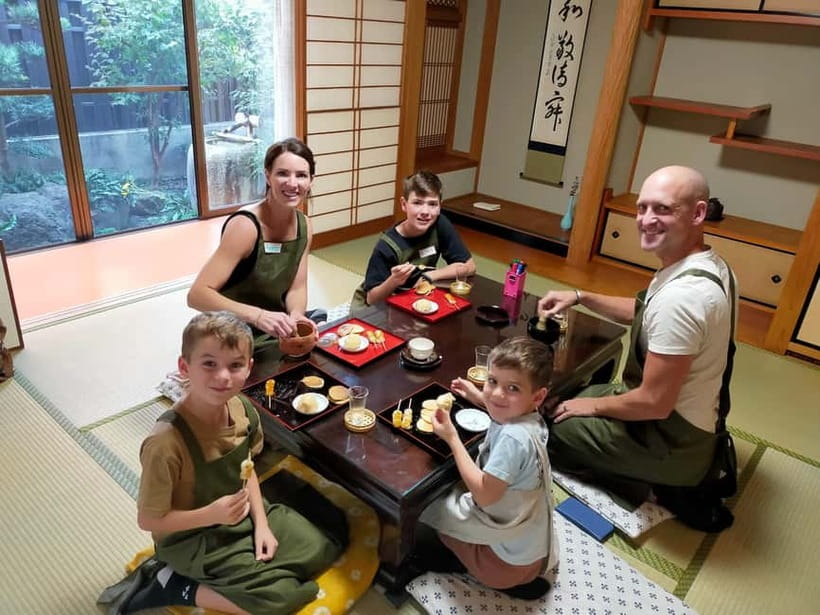
After the cooking, you prepare matcha and arrange the sweets on a tray. This final stage gives the class a satisfying shape: learn, make, serve, then eat.
You do not simply carry your creations away in a box. You sit in the traditional room, drink tea, and taste the sweets while looking toward the garden. That quiet pause is what turns the activity into a cultural experience rather than a two-hour cooking appointment.
The matcha lesson is a nice extra. You learn how the tea is whisked and then drink the cup with the sweets. For some people, matcha can be bitter or unfamiliar, but pairing it with wagashi shows why the two are served together. The sweetness balances the tea, while the tea keeps the meal from becoming heavy.
There can be quite a lot of food. If you cannot finish everything, some sweets may be available to take away. That makes the $84 price feel more reasonable, particularly when you count the ingredients, instruction, tea, and time in the home.
Is $84 good value for 150 minutes?
At $84 per person, this class sits above the price of a casual snack stop. You are paying for more than ingredients. The fee includes all cooking ingredients and seasonings, an English-speaking instructor, tea, and taxes.
The real value depends on what you want from Kyoto. If your only goal is to taste wagashi as cheaply as possible, buying sweets from a shop will cost less. If you want a personal lesson, a traditional setting, conversation with a local guide, and sweets you prepare yourself, the price is easier to justify.
A group of five can make good use of the format because everyone gets a role. The maximum group size is six, so the class does not become unwieldy. Couples and solo participants can also benefit, especially if the booking is quiet enough to create a private session.
Families should calculate carefully. Children aged 6 and over are allowed, and children aged 12 and below must attend with a guardian. Families with children aged 8 and 10 have enjoyed the practical tasks, while a 12-year-old has taken part successfully with a parent. Children under 6 cannot join.
Who will enjoy this class most?
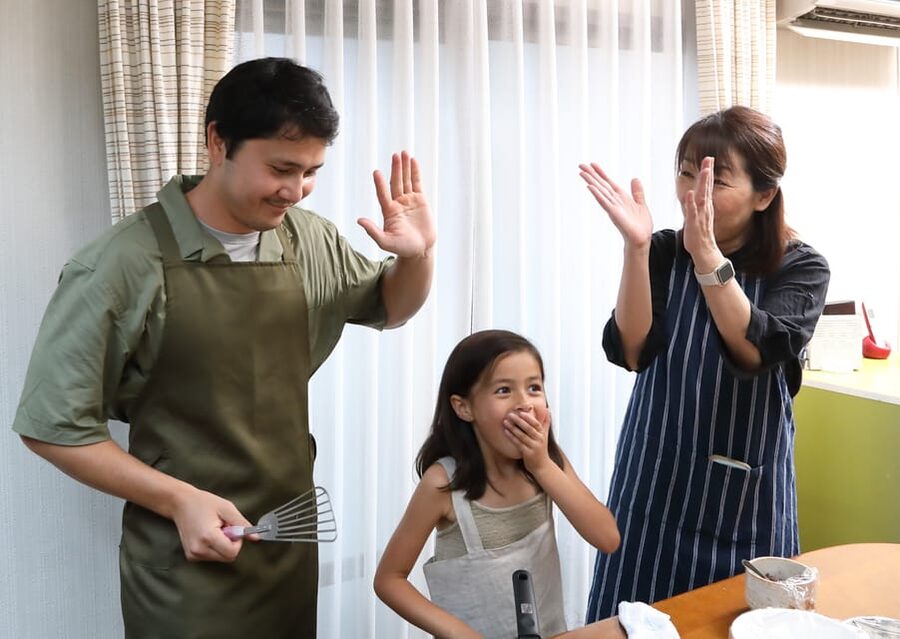
I would recommend it first to people who like sweets, cooking, Japanese culture, or small-group activities. You do not need advanced kitchen skills. The instruction is built for beginners, and the hands-on format lets you learn by copying the demonstration.
It is also a good choice for anyone who wants a break from temple visits. Fushimi Inari is one of Kyoto’s best-known areas, and pairing a shrine visit with a calm indoor class can give your day a useful rhythm.
This activity suits couples, families with older children, friends, and solo visitors. Solo participants may find the small group especially comfortable, and a low-booking date could result in a private class.
I would be more cautious if you use a wheelchair, since the experience is not suitable for wheelchair users. You should also tell the host about food restrictions ahead of time. Vegetarian and vegan cooking is welcomed, but advance notice is needed.
Practical details before you book
The total duration is 150 minutes, so allow a little over two hours. Starting times vary, and you need to check availability for the date you want.
Hotel pickup and drop-off are not included. Plan your own way to the class near Fushimi Inari, and leave enough time to arrive without turning the cooking session into a race.
The class is taught in English. Non-English speakers may still be able to enjoy the practical parts with visual demonstrations and support, but the stated instruction language is English, so you should be comfortable with basic English conversation.
The menu can differ by season. That is worth remembering if one particular sweet is your main reason for booking. Ask ahead if you need to know the planned menu or have dietary concerns.
Booking is flexible because you can reserve now and pay later. You can also cancel up to 24 hours before the activity for a full refund. Those terms are helpful in Kyoto, where weather, train delays, and changing sightseeing plans can affect your schedule.
My verdict: book it for the welcome, not just the sweets
I would book this class if I wanted a personal Kyoto memory that involved doing something, not just looking at something. The sweets are the hook, but Miho’s patient teaching, the traditional room, the matcha service, and the garden-view tasting give the activity its real character.
The price is the main hurdle, and the class is not right for children under 6 or wheelchair users. But for couples, families with older children, and anyone curious about Japanese food culture, the small group and hands-on work offer solid value.
Book it if you want to learn enough to try mochi, dango, or dorayaki at home, ask questions in English, and enjoy tea in a peaceful Japanese room. Skip it if you only want a quick dessert or a low-cost cooking demonstration.
FAQ
How long does the wagashi cooking class last?
The class lasts 150 minutes, or two and a half hours. You cook, prepare tea, and eat the sweets in a traditional Japanese room.
How many people can join the class?
The group is limited to six participants. If few people book on your date, the session may feel private or nearly private.
Is the class taught in English?
Yes. The class is conducted in English, and the instructor is a licensed guide interpreter.
What sweets will I make?
You prepare about three types of wagashi. The menu changes by season, and past classes have included mochi, dango, dorayaki, and mochi ice cream.
Can vegetarians and vegans join?
Yes. Vegetarians are welcome, and the class is vegan friendly. Tell the host about food restrictions in advance.
Can children take part?
Children aged 6 and over can participate. Children aged 12 and below must attend with a guardian, and children under 6 are not suitable for the class.
More Dessert Tours in Kyoto
- Kyoto: Japanese Traditional Sweets Making and Tea Ceremony
★ 4.4 · 314 reviews - Kyoto Wagashi(Japanese sweets) Cooking Class near Fushimiinari
★ 5.0 · 60 reviews - Kyoto: Traditional Tea Ceremony with Matcha & Sweets in Gion
★ 4.9 · 27 reviews - Japanese Traditional Sweets ”Nerikiri” making
★ 4.3 · 17 reviews
Just added in Kyoto
- The “Golden Route” and Ancient Japan by DIAMIR Erlebnisreisen – 14-Day Tour★ 2.0 · 2 reviews
- Japan: Castles & Cuisine by G Adventures – 6-Day Kyoto to Osaka Tour★ 4.5 · 4 reviews
- Cycle Japan by Explore! – 13-Day Kyoto to Tokyo Tour★ 4.7 · 12 reviews
- Cycle Japan by Intrepid Travel – 11-Day Kyoto to Tokyo Tour★ 4.8 · 2 reviews
- Classic Japan by Intrepid Travel – 11-Day Kyoto to Tokyo Tour★ 4.4 · 14 reviews
- Ancient & Modern Japan 14-Day Tour by Exodus Adventure Travels★ 4.4 · 40 reviews
- 5 Day Cultural Adventure of Kyoto, Nara & Osaka by Tourist Journey★ 2.5 · 2 reviews
- 12 Days Kinosaki Onsen Escape: A Journey Through Japan’s Timeless Towns by UME Travel★ 4.8 · 5 reviews
Cooking Classes, compared.
Sushi Making Tokyo Roll and Authentic Japanese Sushi Class
Read our review →
Roll and Authentic Sushi Making Class in Asakusa
Read our review →
Ramen Cooking Class at Ramen Factory in Kyoto
Read our review →
Sushi Making Class in a Happi Coat near a Famous Spot
Read our review →
Sushi Making Osaka Roll and Authentic Japanese Sushi Class
Read our review →
Tokyo Sushi Making Class in Tsukiji with Professional Chef
Read our review →
Ramen & Gyoza Cooking Class in Tokyo with Local Supermarket Visit
Read our review →Browse the lists this tour appears in