
Reviewed · COOKING CLASSES
Kyoto Home Cooking Class &Supermarket tour near Fushimiinari
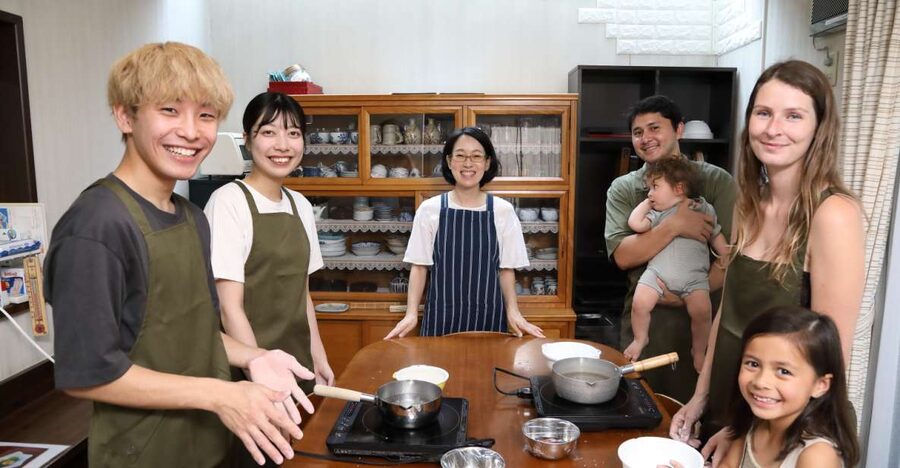
Come hungry, leave ready to cook. This four-hour Kyoto experience combines a small English-language cooking class, lunch in a traditional Japanese room, and a local supermarket visit near Fushimi Inari. I especially like the home setting with garden views and the practical supermarket lesson, which helps you recognize the ingredients again in Japan or back home. The main consideration is the $127 price, which is fair for a four-hour meal and class, but high if you only want a quick demonstration.
The class is limited to six people, so you get plenty of hands-on time. I also like that the instructors are licensed guide interpreters, not simply cooks reading from a recipe. The menu changes with the season, and some dishes may require advance notice for dietary needs, so check those details before booking.
In This Review
- Key points at a glance
- Why this class feels more personal than a standard cooking lesson
- Learning dashi before the dishes begin
- Preparing sushi, tempura, soup, and more
- Lunch with a garden view
- The supermarket walk makes the recipes useful
- What the four hours are really worth
- Who should book, and who should think twice
- Timing the class around Fushimi Inari
- Booking details worth knowing
- Should you book this Kyoto cooking class?
- FAQ
- How long does the Kyoto cooking class and supermarket tour last?
- How many people can join the class?
- Is the class taught in English?
- What food will I prepare?
- Can vegetarian and vegan participants join?
- What should I bring, and are there age restrictions?
Key points at a glance
- Start with dashi: Learn the Japanese soup stock that gives miso soup and many other dishes their savory base.
- Cook instead of watching: Prepare about five dishes yourself or with a partner after a clear demonstration.
- Eat in a real Japanese room: Sit down to lunch with garden views, traditional furnishings, and a calm home atmosphere.
- Shop like a local: Walk through a nearby supermarket and learn how to identify the seasonings and ingredients used in class.
- Small and English-speaking: The group has a maximum of six participants, and the class is taught entirely in English.
- Vegetarian-friendly stock: Vegetarian and vegan participants can be accommodated with advance notice, using dashi suited to their diet.
Why this class feels more personal than a standard cooking lesson
Many cooking classes take place in a studio built for tourists. This one takes place in an authentic Japanese home, where the room itself becomes part of the experience. You do not simply cook, eat, and leave. You see how a Japanese lunch can fit into a traditional domestic setting.
The home has a Japanese room with a garden view, described in some feedback as a lovely tea room or guest room. That setting matters. After working at the kitchen counter, you sit down in a more formal Japanese style and enjoy the meal you prepared. It gives the class a pleasing rhythm: learn, cook, eat, then shop.
Miho is the instructor most often named in the experience details. She is described as patient, friendly, direct, and careful with instructions. That combination is useful in a cooking class. Friendly instruction keeps the mood relaxed, while clear direction helps you avoid guessing at unfamiliar techniques.
The group limit of six is another strong point. You may work alone or with a partner, depending on the group. With so few participants, the instructor can watch how you handle each task and correct you before a small mistake becomes a ruined dish.
More Cooking Classes in Kyoto
- Ramen Cooking Class at Ramen Factory in Kyoto
★ 5.0 · 1,937 reviews - Sushi Making in Kyoto! Same-day bookings welcome!
★ 5.0 · 713 reviews - Kyoto: Ramen Cooking Class at a Ramen Factory with Souvenir
★ 4.9 · 532 reviews
Learning dashi before the dishes begin
The class begins with dashi, the Japanese soup stock used throughout the country’s cooking. This is one of the most useful lessons because dashi is not just a recipe ingredient. It is part of the basic flavor structure behind many Japanese dishes.
You learn what dashi is and how it is used before moving on to the menu. That gives the class a better foundation than simply assembling prepared ingredients. Once you understand the stock, miso soup and other dishes make more sense.
The class uses a vegetarian form of dashi for participants who do not eat fish or meat. Vegetarian and vegan participants should still communicate their requirements ahead of time. The supplied information confirms that this type of accommodation is available, but the menu can change by season, so you should not assume every dish will be identical on every date.
This lesson is especially useful if you already cook at home. You receive the recipes for the dishes prepared during the class, and the goal is clearly practical: you should be able to make at least some of them for family and friends after returning home.
Preparing sushi, tempura, soup, and more
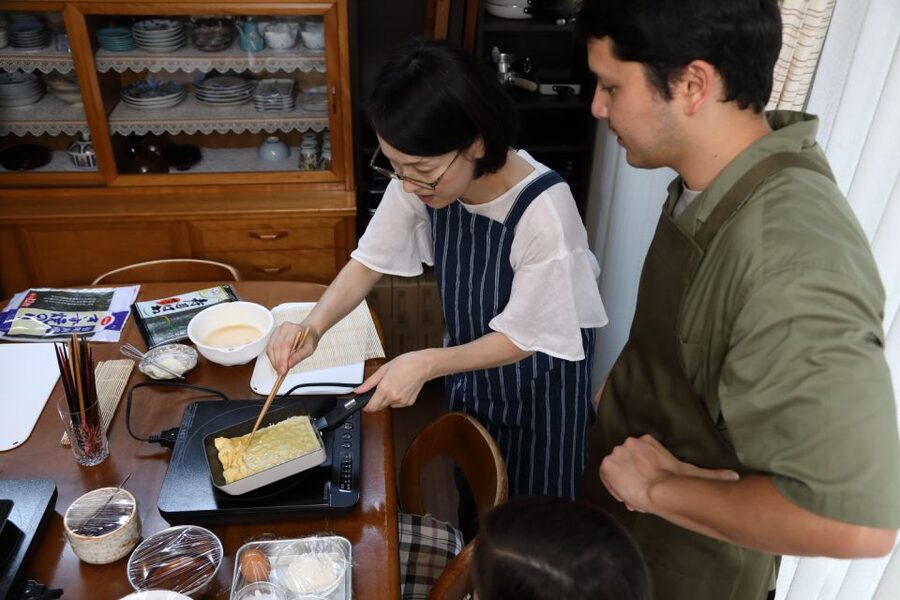
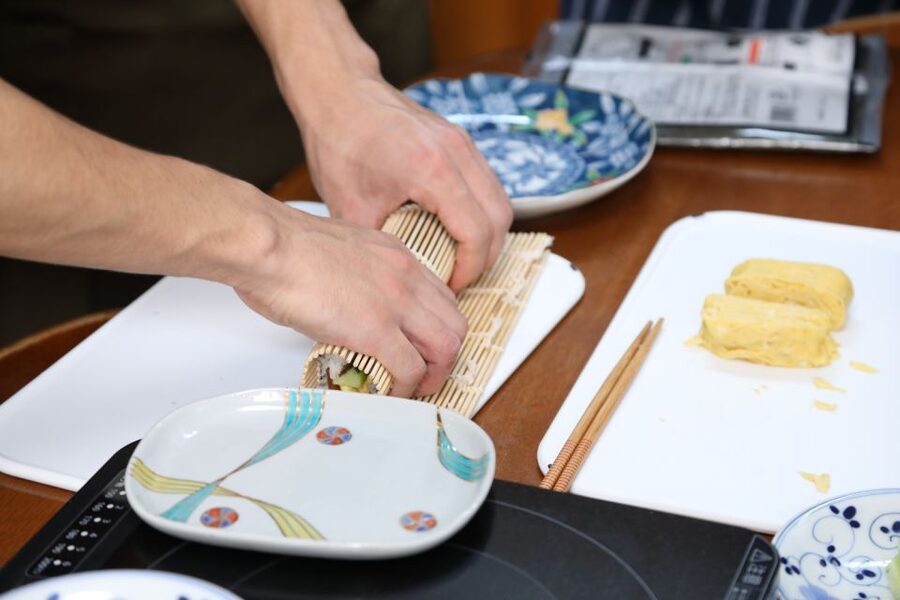
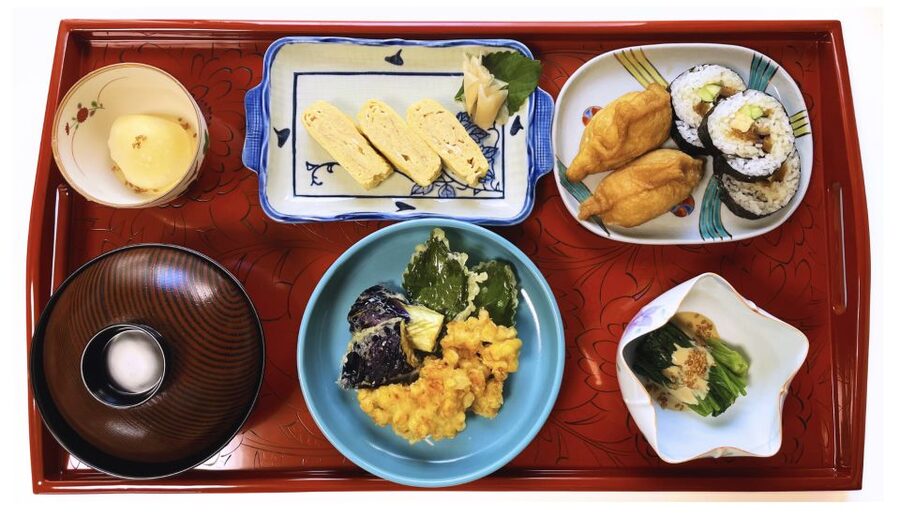
After the dashi introduction, the instructor demonstrates several techniques in front of you. Then you prepare about five dishes alone or with a partner. The exact menu depends on the season, but the dishes described in the experience include miso soup, sushi, tempura, Japanese rolled omelet, salad, and dessert.
Some sessions have included mochi, while another menu included seven separate dishes. That suggests the amount of food can vary, and the advertised figure of about five dishes should be treated as a useful guide rather than a strict promise.
The range is a strength. You are not spending four hours making one complicated dish. Instead, you get a broad introduction to familiar Japanese food. Sushi teaches one set of skills, tempura another, and the rolled omelet introduces a technique that many home cooks find harder than it first appears.
The Japanese omelet received particular praise from participants who found it both tasty and instructive. It is a good example of the class’s approach: you are not just handed finished food. You get to see the method, try it yourself, and leave with a recipe you can repeat.
The instructor’s demonstrations are important here. Japanese recipes often look simple on paper, but small details affect the result. The order of ingredients, the texture of the batter, and the handling of rice or egg can all change the final dish. A patient teacher who explains those steps in English is much more useful than a recipe card alone.
Lunch with a garden view
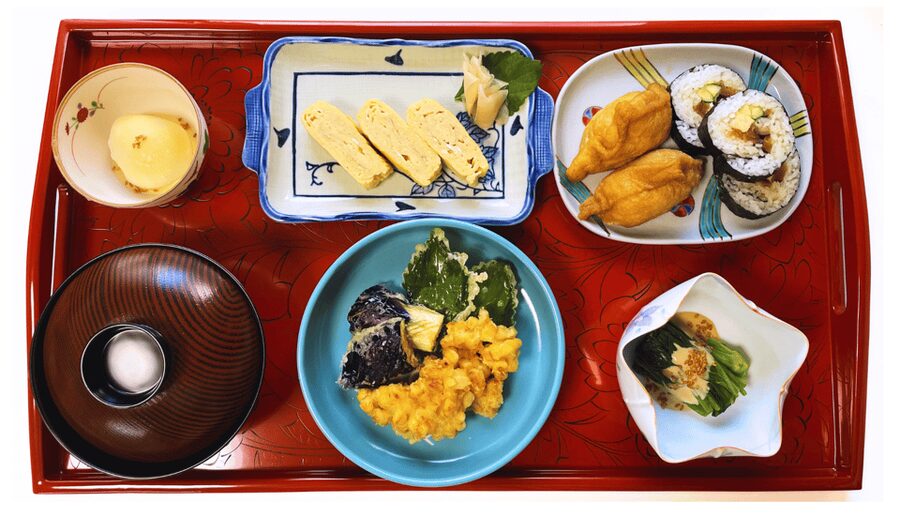
Once the cooking is finished, you sit with the other participants and eat what you prepared. The meal is served in the traditional Japanese room, with views of the garden.
This is the moment that gives the experience its strongest sense of place. You are not rushing through food at a counter or eating from a paper container. You have made the dishes, then move to a quieter room to enjoy them in a Japanese home setting.
The room also gives you a chance to appreciate the difference between Japanese cooking and Japanese dining. The food may be familiar, but the setting changes how the meal feels. A bowl of soup, a small salad, sushi, and tempura become part of a shared lunch rather than a series of isolated cooking exercises.
The food itself is a major part of the value. Participants describe the dishes as delicious, well flavored, and good enough to compare favorably with restaurant meals. That should not be read as a promise of a professional chef’s tasting menu. It does suggest that the class is not treating lunch as an afterthought.
If you are booking mainly for the meal, remember that you will also be preparing it. This is a practical class, not a passive food tour. You should enjoy basic kitchen work and be willing to follow instructions.
A completely different kind of day out:
- PERFECT KYOTO 1-Day Bus Tour
★ 5.0 · 13,518 reviews - [Kyoto & Nara Day Tour] Sagano Scenic Railway & Nara Park & Fushimi Inari Taisha Thousand Torii Gates & Togetsukyo Bridge & Bamboo Grove & Kimono Forest (Departing from Osaka)
★ 4.9 · 10,942 reviews - Kyoto: Fushimi Inari, Kinkakuji, Bamboo Grove 1 Day Bus Tour
★ 4.8 · 4,316 reviews - Kyoto: Tea Ceremony in a Traditional Tea House in Kiyomizu
★ 4.9 · 3,519 reviews
The supermarket walk makes the recipes useful
After lunch, you visit a local supermarket with the instructor. This is more than a quick stop to point at soy sauce. The aim is to show you the ingredients used in the class and explain other Japanese products as you move through the aisles.
This part makes the experience especially useful for home cooks. A recipe may tell you to buy miso, dashi ingredients, seasoning, or a particular type of rice, but finding the right item in a Japanese supermarket can be confusing. Packaging may be unfamiliar, and several products may appear similar.
Miho helps translate and explain products, including items beyond those used in the class. That gives you a better sense of how Japanese supermarkets are organized and what to look for when you want to cook the dishes again.
You can also buy ingredients for your family and friends. This is a practical opportunity to take home seasonings or ingredients that may be difficult to identify without help. The supermarket visit is likely to be most valuable near the end of a Japan trip, when you have room in your luggage and a clear idea of what you want to recreate.
It also keeps the class connected to ordinary life. You are not learning Japanese food as an abstract cultural display. You are seeing the products people buy and use in a normal grocery shop.
What the four hours are really worth
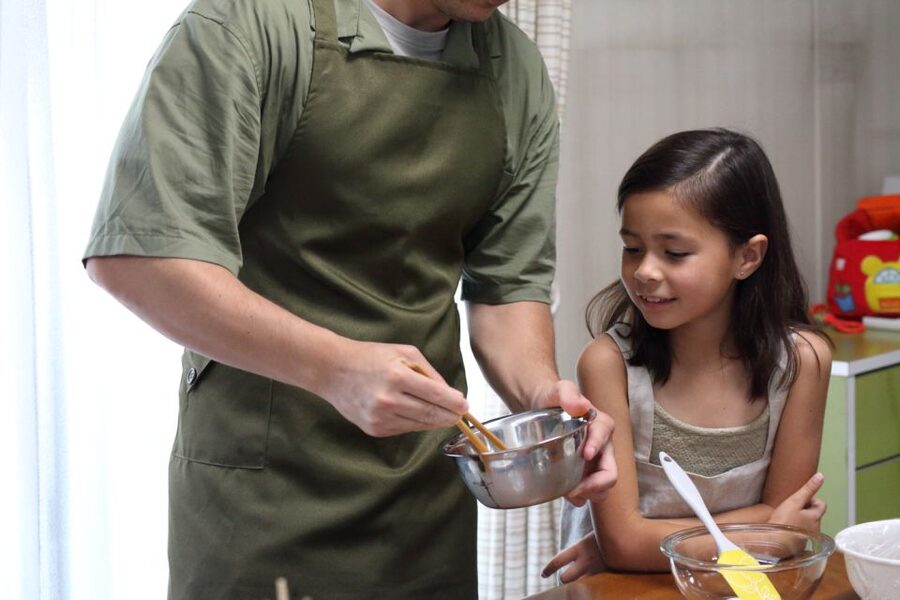
The price is $127 per person. That includes lunch plus all seasonings and ingredients, but not gratuity or hotel transfers.
At first glance, that is more than the cost of a casual Kyoto meal. The comparison is not quite fair, because you are paying for four hours of instruction, food, recipes, a small group, and the supermarket walk. You also receive a meal you helped prepare rather than simply ordering one.
The group size improves the value. A class with six people or fewer gives you a better chance to cook directly, ask questions, and receive corrections. If the class were much larger, the price would be harder to justify.
I would consider it good value for couples, families, and serious food fans who want something they can use after the trip. It is less attractive for someone who wants the cheapest possible lunch or a short cultural activity between sightseeing stops.
The experience also includes something difficult to price: access to a traditional home. You get garden views and a Japanese dining room without booking a formal cultural performance. That domestic setting is a major reason to choose this class over a generic kitchen studio.
Who should book, and who should think twice
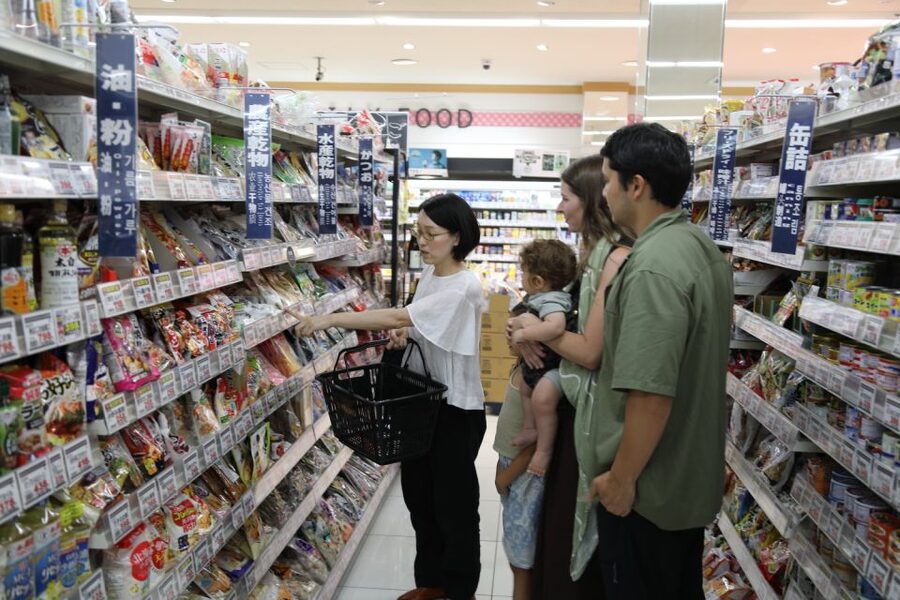
This class suits you if you enjoy food, want hands-on activities, and like meeting local people in a small group. It is also a good choice for solo participants. The instructors are described as friendly, and the maximum of six means you should not feel lost in a crowd.
Families can book, too, but children age 12 and younger must participate with a guardian. Children under six are not suitable for the activity. One family with three young children received a child-friendly adjustment, but you should still contact the provider about your children and menu needs before reserving.
Vegetarian and vegan participants are welcome when the appropriate dashi is arranged. If your diet is strict, explain it clearly in advance, since the seasonal menu can change.
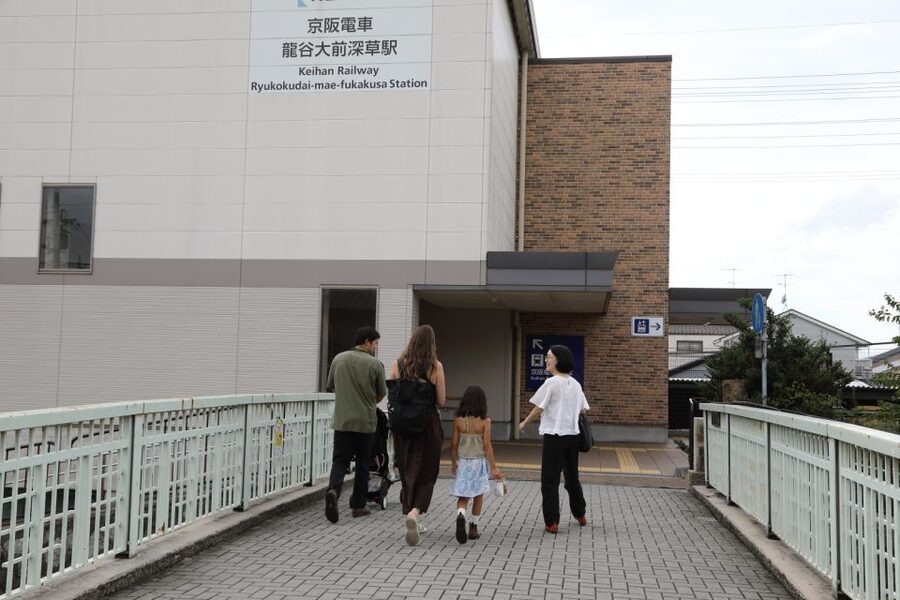
The class is not suitable for wheelchair users. You also need to bring socks, which is important for entering the traditional Japanese room. Hotel pickup and drop-off are not included, so you must make your own way to the meeting point near Fushimi Inari.
The class is conducted in English, and the instructors are licensed guide interpreters. That makes it a sensible pick if you want explanations about both cooking and ingredients without relying on gestures.
Timing the class around Fushimi Inari
The experience lasts four hours, with starting times varying by date. You should allow enough time around it rather than trying to squeeze in a major sightseeing visit at the same moment.
Its location near Fushimi Inari makes it easy to combine with that part of Kyoto, but the cooking class deserves your full attention. Cooking, lunch, and the supermarket walk each take time, and rushing away halfway through would defeat the point.
A morning start can work well because you cook and then eat lunch. If you are planning Fushimi Inari on the same day, check the class time carefully and leave room for transport. Hotel pickup is not provided.
The class is also a useful break from temple and shrine sightseeing. Kyoto can fill your days with walking, queues, and formal cultural sites. Here, you spend several hours doing something ordinary and useful: preparing food, eating together, and buying groceries.
Booking details worth knowing
The experience costs $127 per person and offers free cancellation up to 24 hours in advance for a full refund. You can also reserve now and pay later, which helps if you are arranging several Kyoto activities before your schedule is fixed.
Bring socks for the traditional room. Children under six cannot participate, and children aged 12 and younger need a guardian. Wheelchair users should choose another activity because this class is not listed as suitable for wheelchair access.
The menu may differ according to the season. Ask about the planned dishes if a particular food is important to you, and tell the provider about vegetarian or vegan needs ahead of time.
Should you book this Kyoto cooking class?
I would book this experience if you want more than a restaurant meal and prefer useful cultural contact over a polished tourist show. The combination of dashi instruction, hands-on cooking, a garden-view lunch, recipes, and supermarket guidance gives you plenty to take home.
The strongest reasons to choose it are the small group, Miho’s patient teaching style, and the traditional Japanese home. The main reasons to skip it are the relatively high price, the need to participate actively, and the lack of wheelchair suitability.
If you want to cook Japanese food for your family after returning home, this is a smart choice. If you only have time for a quick meal near Fushimi Inari, spend the money elsewhere. For everyone in between, the four hours offer a warm, practical look at Japanese food and daily life.
FAQ
How long does the Kyoto cooking class and supermarket tour last?
The experience lasts four hours, including the cooking class, lunch, and visit to a local supermarket.
How many people can join the class?
The group is limited to a maximum of six participants.
Is the class taught in English?
Yes. The class is conducted entirely in English, and the instructors are licensed guide interpreters.
What food will I prepare?
You will prepare about five dishes, although the menu may change with the season. Dishes described for the class include miso soup, sushi, tempura, Japanese rolled omelet, salad, dessert, and sometimes mochi.
Can vegetarian and vegan participants join?
Yes. The class uses vegetarian dashi and welcomes vegetarian and vegan participants. You should provide your dietary information in advance.
What should I bring, and are there age restrictions?
Bring socks for the traditional Japanese room. Children aged 12 and younger must participate with a guardian, and children under six cannot join. The activity is not suitable for wheelchair users.
Just added in Kyoto
- The “Golden Route” and Ancient Japan by DIAMIR Erlebnisreisen – 14-Day Tour★ 2.0 · 2 reviews
- Japan: Castles & Cuisine by G Adventures – 6-Day Kyoto to Osaka Tour★ 4.5 · 4 reviews
- Cycle Japan by Explore! – 13-Day Kyoto to Tokyo Tour★ 4.7 · 12 reviews
- Cycle Japan by Intrepid Travel – 11-Day Kyoto to Tokyo Tour★ 4.8 · 2 reviews
- Classic Japan by Intrepid Travel – 11-Day Kyoto to Tokyo Tour★ 4.4 · 14 reviews
- Ancient & Modern Japan 14-Day Tour by Exodus Adventure Travels★ 4.4 · 40 reviews
- 5 Day Cultural Adventure of Kyoto, Nara & Osaka by Tourist Journey★ 2.5 · 2 reviews
- 12 Days Kinosaki Onsen Escape: A Journey Through Japan’s Timeless Towns by UME Travel★ 4.8 · 5 reviews
Cooking Classes, compared.
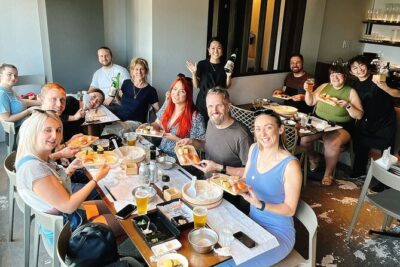
Sushi Making Tokyo Roll and Authentic Japanese Sushi Class
Read our review →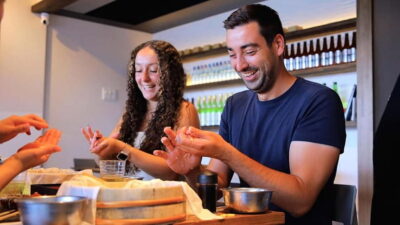
Roll and Authentic Sushi Making Class in Asakusa
Read our review →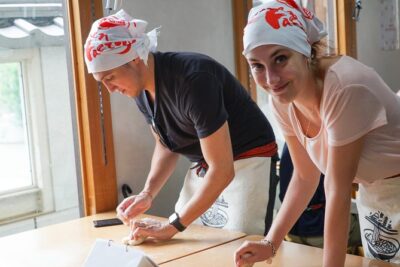
Ramen Cooking Class at Ramen Factory in Kyoto
Read our review →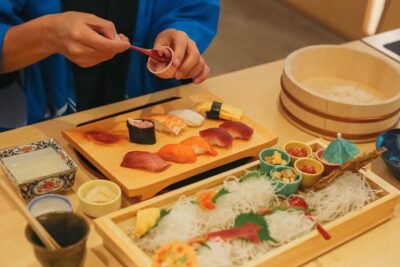
Sushi Making Class in a Happi Coat near a Famous Spot
Read our review →
Sushi Making Osaka Roll and Authentic Japanese Sushi Class
Read our review →
Tokyo Sushi Making Class in Tsukiji with Professional Chef
Read our review →
Ramen & Gyoza Cooking Class in Tokyo with Local Supermarket Visit
Read our review →Browse the lists this tour appears in