
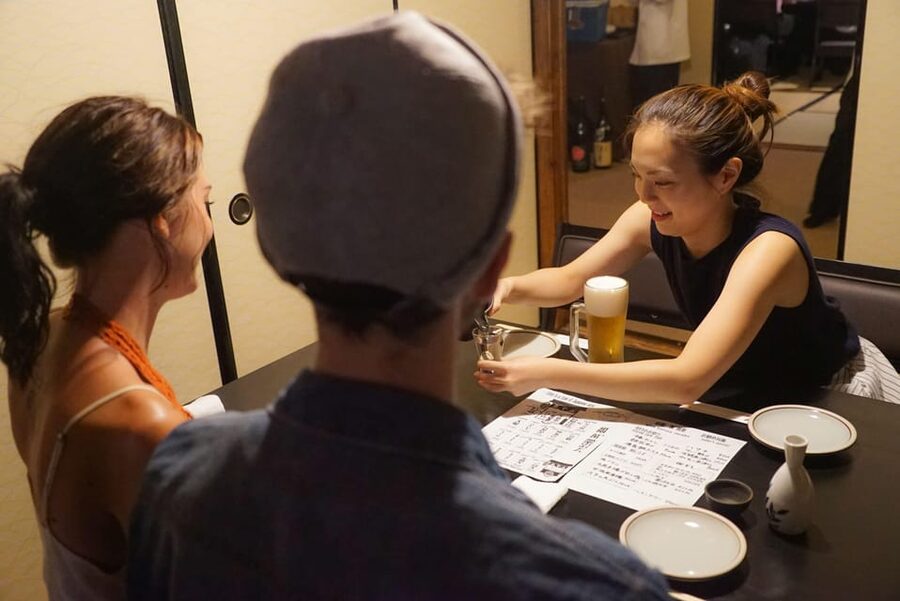
Reviewed · KIMONO AND CULTURAL DRESS
Kyoto: Maiko Dinner in Traditional Restaurant and Tour
A glimpse behind Kyoto’s painted doors. This experience brings you into Gion, the birthplace of maiko culture, then pairs a guided walk with a Kyoto-style dinner, sake, traditional dance, games, and a group photo with a maiko. I like the small group, limited to seven people, and I like that the English-speaking guide explains how to interact respectfully rather than leaving you to guess. The main drawback is the price: at $292 per person, this is a major evening expense, and the menu cannot accommodate vegan or gluten-free diets.
The 210-minute schedule gives the evening a good shape. You begin at Gion Shijo Station, walk through old machiya streets for about 40 minutes, and then spend most of the night in a roughly 100-year-old restaurant. Guides such as Yusuke, Hikari, Eri, and Pico have been praised for clear explanations, warm personalities, and help translating questions to the maiko. You should also be ready for some walking, stairs or areas that are not wheelchair-friendly, and a formal cultural setting rather than a casual dinner show.
In This Review
- Key points to know before booking
- Starting at Gion Shijo Station
- Walking Gion for 40 minutes
- Entering a 100-year-old machiya restaurant
- Dinner, Kyoto sake, and the all-you-can-drink package
- Meeting the maiko
- The group photo and the final impression
- What the praise tells you
- Who should book this experience?
- My verdict on the $292 price
- Should you book the Kyoto maiko dinner?
- FAQ
- Where does the tour meet?
- How long does the experience last?
- How large is the group?
- What language is the tour conducted in?
- What food is included?
- Can vegans or people with gluten intolerance join?
- Are drinks included?
- Is the tour suitable for children or wheelchair users?
Key points to know before booking
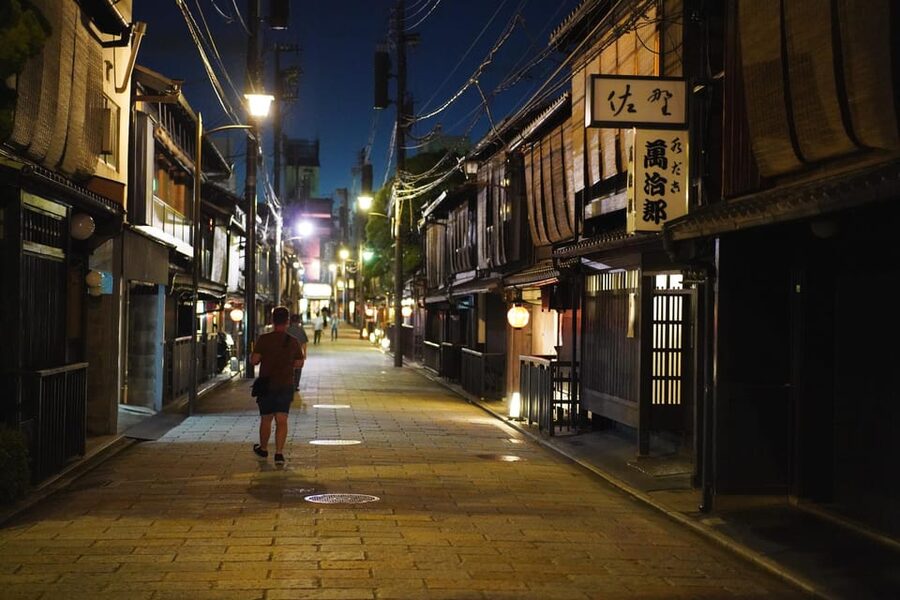
- Gion comes first: You walk from Izumo no Okuni Statue through traditional streets while learning how maiko culture developed in Kyoto.
- The restaurant is part of the experience: Dinner takes place in a roughly 100-year-old machiya, not a modern banquet hall.
- Your guide helps with manners: You receive advice about conversation, photographs, drink games, and respectful behavior before the maiko arrives.
- The maiko is more than a stage performer: You can ask questions, watch traditional dances, play games, and share a group photograph.
- The price includes a lot: A Kyoto-style course meal, all-you-can-drink service including sake, guide support, photos, and the maiko performance are included.
- Diet and mobility limits matter: Vegetarian food is possible with advance notice, but vegan and gluten-free meals are not available.
Starting at Gion Shijo Station
The meeting point is in front of the Izumo no Okuni Statue, directly outside Exit 5 of Gion Shijo Station. Look for the guide holding a board marked Magical Trip. This is a useful meeting place because it puts you at the edge of Gion immediately, instead of spending the first part of the evening traveling across Kyoto.
The tour is conducted in English and limited to seven participants. That small number matters here. You are not being ushered through a large dinner crowd, and you should have a better chance to ask questions or take part in the games without fighting for attention. It also creates a more personal setting when the maiko joins the group.
The exact guide can vary. Names praised for this experience include Yusuke, Hikari, Eri, and Pico. Their roles go beyond pointing out buildings. They explain the customs of maiko culture, help with translation, and prepare you for the dinner conversation. That guidance is especially useful because the atmosphere may feel formal at first.
More Kimono Experiences in Kyoto
- [Kyoto & Nara Day Tour] Sagano Scenic Railway & Nara Park & Fushimi Inari Taisha Thousand Torii Gates & Togetsukyo Bridge & Bamboo Grove & Kimono Forest (Departing from Osaka)
★ 4.9 · 10,942 reviews - Kyoto Geisha Walking Tour: Gion District & Hidden Gems
★ 4.7 · 3,273 reviews - Kyoto: Gion Magical Night Walking Tour with Geisha Trivia
★ 4.9 · 2,393 reviews
Walking Gion for 40 minutes
The opening walk lasts about 40 minutes and takes you through Gion, an area known for traditional machiya architecture and streets linked to Kyoto’s geiko and maiko culture. You are not simply walking toward dinner. The guide uses the neighborhood to explain where the tradition developed and how maiko fit into Kyoto’s cultural life.
This part gives the evening context. Without it, the later performance could feel like an isolated show arranged for tourists. With the walk, you begin to understand why this particular district matters and why the old buildings are more than a pretty backdrop.
Keep your expectations sensible. This is a short walking introduction, not a full architectural tour of every corner of Gion. The information focuses on maiko history and customs, and the streets are part of the route rather than a separate sightseeing program.
Wear comfortable shoes. The tour is not recommended for people with mobility issues, and some locations cannot accommodate wheelchairs or strollers. Kyoto’s weather can also be severe. Summer temperatures may reach 40°C, while winter temperatures can fall to -5°C, so your clothing will affect how enjoyable the walk feels.
Entering a 100-year-old machiya restaurant
After the walk, you move into a traditional Kyoto restaurant housed in a machiya building described as roughly 100 years old. The setting does much of the work. Wooden architecture and a distinctly Kyoto-style atmosphere make the meal feel tied to the city rather than placed in an interchangeable dining room.
Before the maiko arrives, your guide explains the food, local drinks, and basic etiquette. This is a quiet but important portion of the evening. Kyoto cuisine can involve unfamiliar flavors, presentation, and serving customs, and your guide can explain what is on the table and how to enjoy it.
The meal is a full Kyoto-style course, with delicately prepared and visually arranged dishes. The food has received strong praise, and several people have singled out both the dinner and the restaurant staff. The menu is intended to showcase Kyoto cooking rather than provide a quick meal before the entertainment, so allow yourself time to look at each course.
Vegetarian meals are available if requested in advance. The qualification matters: the vegetarian menu has limited dishes without fish stock. Vegan and gluten-free options are not available, and the operator cannot guarantee allergy-free meals or substitutions because the food is prepared in kitchens it does not control.
Tell the operator about dietary requests or allergies at least one day before the tour. A request made on the day cannot be accommodated. If your restrictions are strict, this is one of the clearest reasons to skip this experience.
Dinner, Kyoto sake, and the all-you-can-drink package
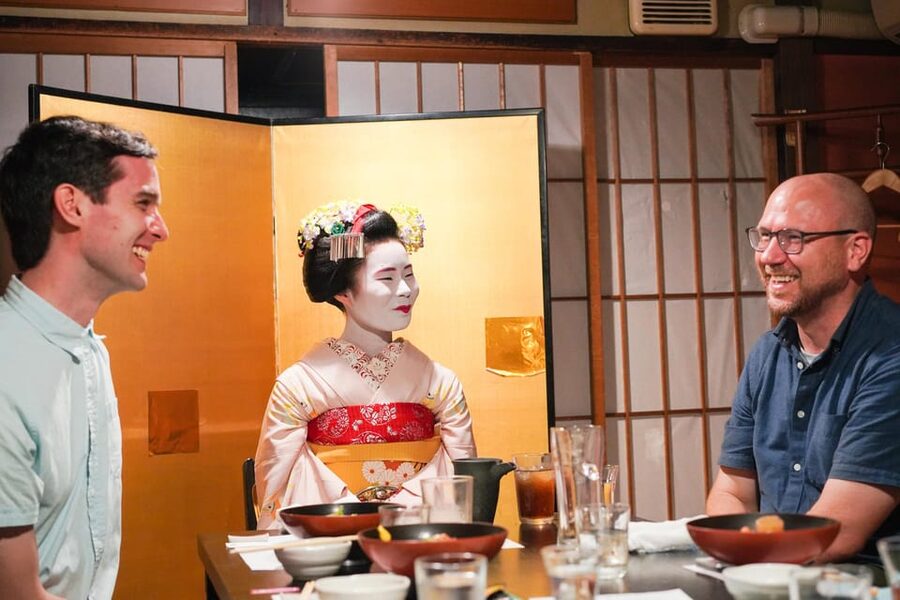
The $292 price includes all-you-can-drink service, including Kyoto sake. That makes the cost easier to understand, though it does not make the tour inexpensive. You are paying for a guided Gion walk, a full course dinner, drinks, translation help, a traditional setting, a maiko performance, photographs, and a small group.
The drink package suits people who want the dinner to be social and relaxed. It also fits the style of the evening, since drink games are part of the interaction with the maiko. If you do not drink alcohol, the package adds less value to you, although the meal, guide, performance, and cultural setting remain central parts of the price.
The best way to view the cost is as a special-occasion cultural evening rather than a standard dinner. If you are mainly looking for Kyoto food, you can spend far less elsewhere. If you want a structured introduction to Gion followed by direct contact with a maiko, the package covers several separate elements in one night.
The all-you-can-drink format should not pressure you to drink. You can focus on the food, conversation, dance, and games at your own pace. The guide’s etiquette briefing is there to help everyone enjoy the evening without turning the maiko into a curiosity on display.
A completely different kind of day out:
- PERFECT KYOTO 1-Day Bus Tour
★ 5.0 · 13,518 reviews - Kyoto: Fushimi Inari, Kinkakuji, Bamboo Grove 1 Day Bus Tour
★ 4.8 · 4,316 reviews - Kyoto: Tea Ceremony in a Traditional Tea House in Kiyomizu
★ 4.9 · 3,519 reviews - Kyoto: Gion Make Your Own Chopsticks with Engraving Option
★ 5.0 · 3,465 reviews
Meeting the maiko
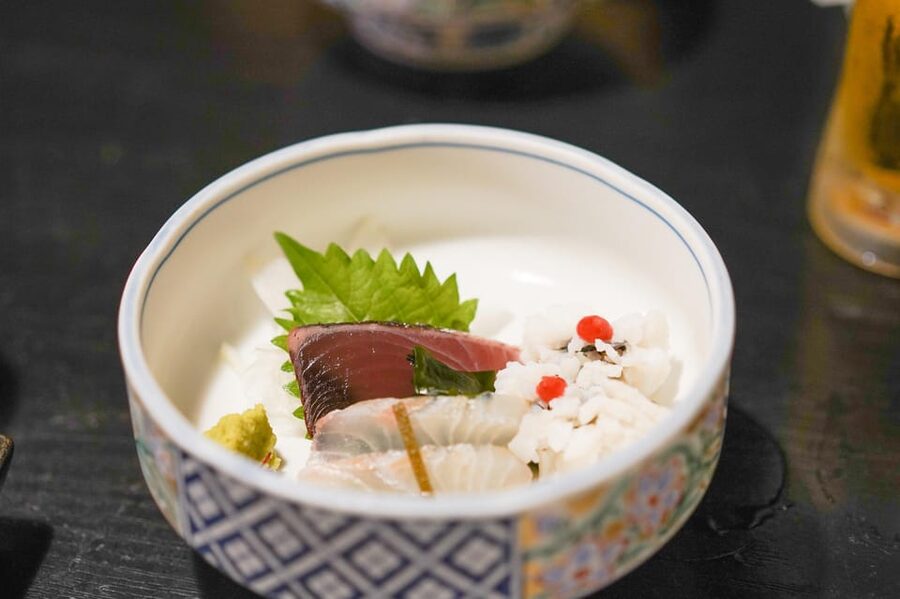
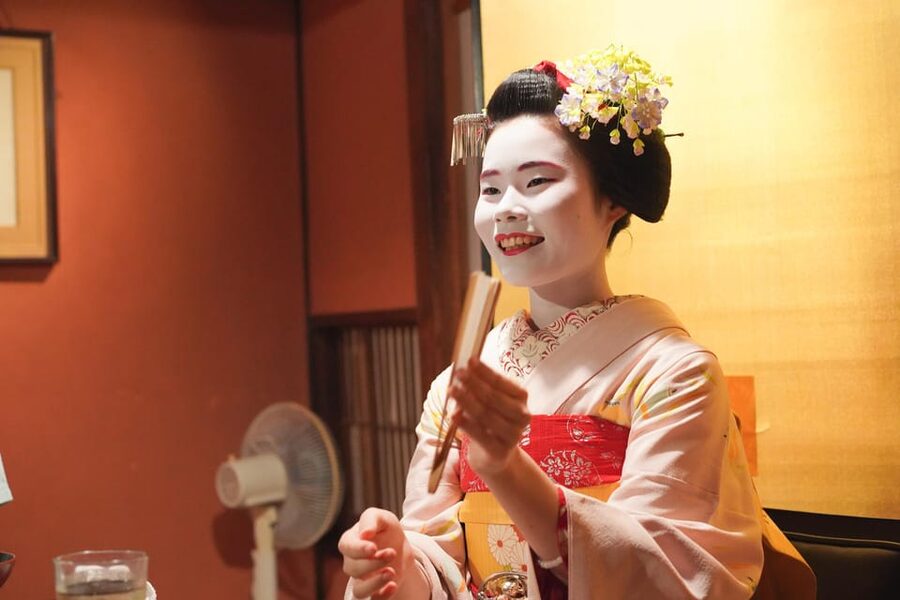
The maiko enters during dinner, after the group has had time to settle in. A maiko is a young woman in training to become a geiko, the term used in Kyoto for what many visitors call a geisha. That distinction is useful because it helps you understand the stage of her career and the traditions represented by her clothing, performance, and manner.
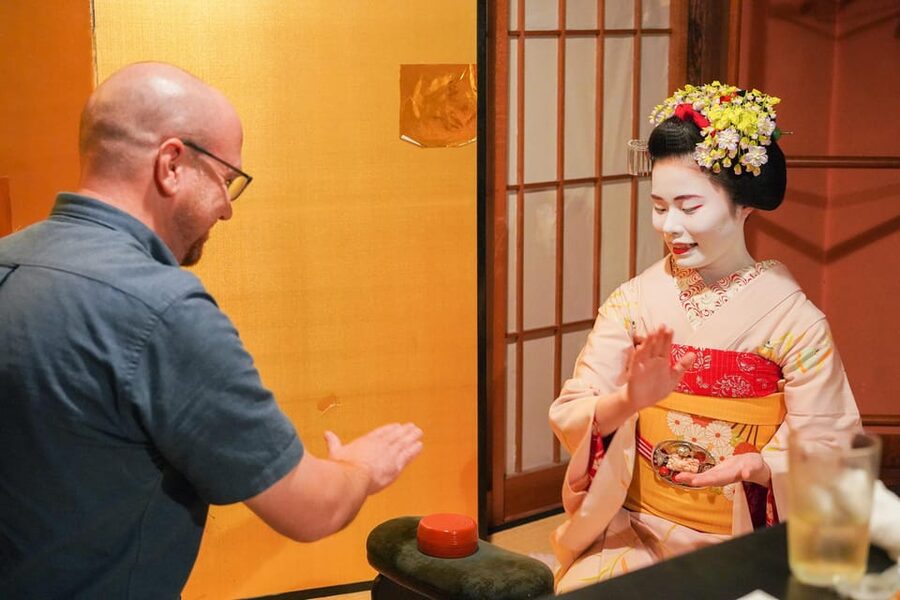
The evening includes conversation, traditional dance, and drinking games set to Japanese music. The maiko is not presented as a distant figure who performs and leaves. You have an opportunity to ask questions, with the guide helping translate when needed, and to learn about her life and career.
The dance is the most formal part of the meeting. It offers a brief look at the training and discipline behind the maiko tradition. The games then shift the mood into something more playful and social. This mix is a strength of the experience. You get ceremony, but you also get laughter and direct conversation.
The quality of the evening depends partly on the guide’s translation and group dynamics. The best guides, including Hikari, Eri, Pico, and Yusuke as described by participants, have been praised for explaining the culture clearly and helping questions move naturally between English and Japanese. With only seven people, the group can usually remain involved rather than watching from a distance.
Treat the maiko as a working artist and cultural professional. Listen when she speaks, follow the guide’s instructions, and ask questions with genuine interest. The tour includes guidance on how to interact without causing offense, which is one reason I consider the briefing a real part of the value, not filler before the show.
The group photo and the final impression
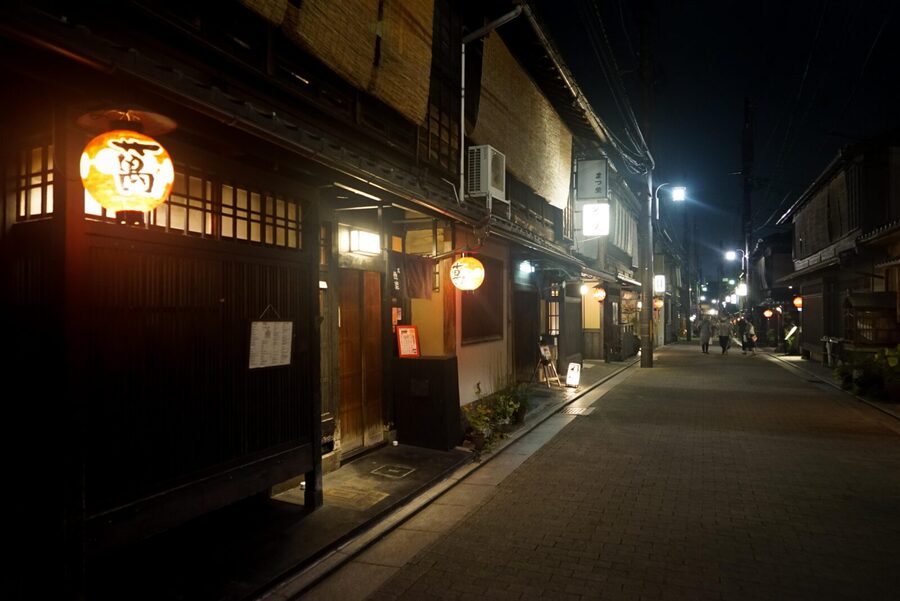
The evening ends with a group photo with the maiko. Photos taken during the tour are included, and the final picture gives you a clear keepsake from a setting that would be difficult to arrange independently.
The photograph is also a practical advantage for anyone who wants a memory of the encounter without spending the whole evening taking pictures. You can stay present during the dance and conversation, then take part in the planned photo at the end.
The experience is designed to leave you pleasantly full rather than rushed out after a performance. Dinner, drinks, questions, games, and the photo fill most of the three-and-a-half-hour schedule. The return point is back at Kawabatacho, near where the evening began.
What the praise tells you
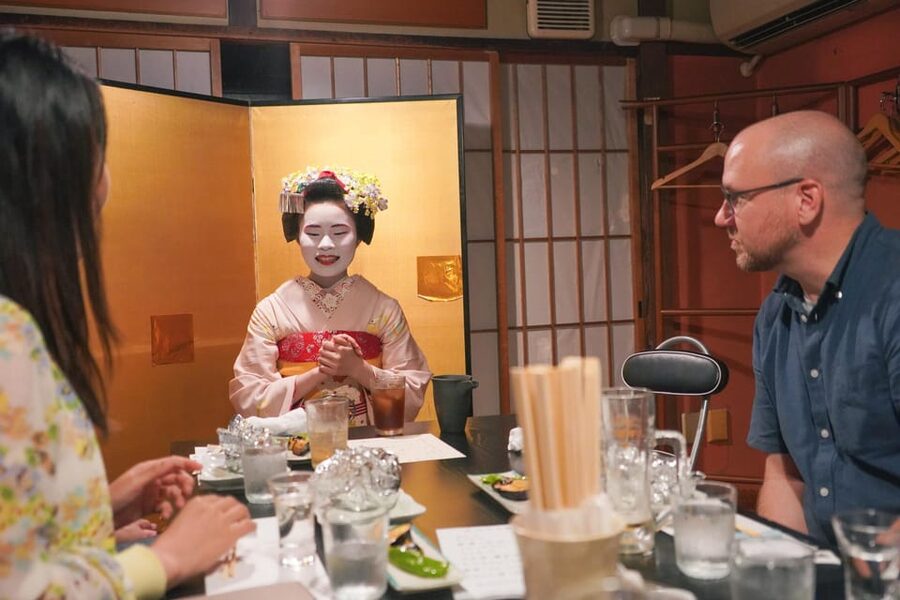
The strongest pattern in the feedback is the quality of the guides. Yusuke was praised for his passion and ability to answer questions. Hikari was singled out for explaining geisha and geiko history. Eri was praised for making the Gion walk and dinner easy to follow, while Pico was described as warm, friendly, and engaging.
That consistency matters because this is not a self-explanatory experience. The food, building, and performance are important, but the guide connects them. A good explanation makes the difference between watching a dance and understanding why it belongs in this setting.
The second major strength is the maiko interaction. People have enjoyed asking questions, playing games, watching two dances, and having help with translation. The experience has been called a highlight of trips to Japan, including by someone visiting Japan for a third time who had never previously taken part in a geisha experience.
Food is another reliable part of the evening. The Kyoto course meal has been praised as delicious and plentiful, and the restaurant staff have received positive comments. Still, food quality can vary with personal taste, and the visual presentation may matter as much as any single dish.
Who should book this experience?

I would recommend it to adults who want a guided cultural evening and who are comfortable paying for a special event. It works particularly well if you are curious about Kyoto’s geiko and maiko traditions but do not feel confident approaching the subject on your own.
It also suits repeat visitors to Japan. You do not need to be a first-time visitor to appreciate it. The mix of Gion context, a traditional restaurant, translation, and direct conversation offers something different from ordinary sightseeing.
This is less suitable if you want a cheap dinner, a private encounter, or a flexible schedule. The group is small, but it is still a shared experience. The maiko’s appearance, games, and conversation happen within that group rather than being tailored only to you.
Children 14 or younger cannot join this small-group tour. A private tour is recommended if you wish to bring them. Wheelchair users, people with mobility limitations, vegans, and people with gluten intolerance should not book this version.
The tour may be cancelled in unsafe weather. You can cancel or reschedule for a full refund up to seven days before the start time, so plan carefully if your Kyoto schedule is tight.
My verdict on the $292 price
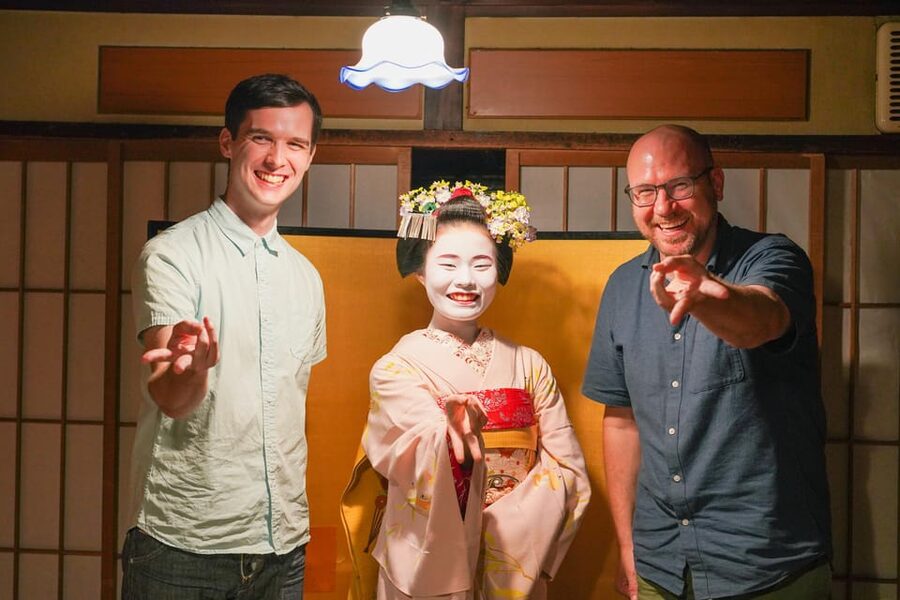
At $292, this is not a casual add-on. It costs more than a normal Kyoto dinner because the price combines several services: a Gion walk, an English-speaking guide, a full course meal, unlimited drinks, a traditional venue, a dance performance, cultural translation, and photographs.
I think the price is defensible for the right person. If you have always wanted to meet a maiko in a respectful, organized setting, this is a much more complete night than simply attending a performance. The guide’s help also reduces the risk of awkward behavior or missed chances to ask questions.
I would not book it just because you feel you should see a geisha-related attraction in Kyoto. The price is too high for a box-ticking activity. Book it because you want the conversation, food, setting, and explanation as much as the dance.
Should you book the Kyoto maiko dinner?
Book this experience if you want an intimate introduction to Gion culture, enjoy traditional food and sake, and value direct conversation with a maiko. The small group, skilled English-speaking guides, and combination of dance, games, questions, and photos make it more personal than a standard stage performance.
Skip it if the dietary limits affect you, walking is difficult, or $292 would make the rest of your Kyoto trip uncomfortable. For everyone else, this is a polished and memorable evening, especially when you treat it as a cultural encounter with etiquette and context, not just dinner entertainment.
FAQ
Where does the tour meet?
Meet in front of the Izumo no Okuni Statue, directly outside Exit 5 of Gion Shijo Station. The guide will hold a board marked Magical Trip.
How long does the experience last?
The full experience lasts 210 minutes, or three and a half hours.
How large is the group?
The tour is a small-group experience limited to seven participants.
What language is the tour conducted in?
The live tour guide speaks English.
What food is included?
A Kyoto-style course meal is included. A vegetarian menu is available with advance notice, but dishes without fish stock are limited.
Can vegans or people with gluten intolerance join?
No. The experience is not suitable for vegans or people with gluten intolerance.
Are drinks included?
Yes. An all-you-can-drink package is included, including Japanese sake from Kyoto.
Is the tour suitable for children or wheelchair users?
Children under 15 cannot join this small-group tour, and wheelchair users are not suitable for the route. Some locations are also inaccessible to strollers, and the experience is not recommended for people with mobility issues.
More Dinner Experiences in Kyoto
- Private Dinner with a Geisha
★ 5.0 · 65 reviews - Kyoto Evening Gion Food Tour Including Kaiseki Dinner
★ 5.0 · 62 reviews - Kyoto: Lunch or Dinner with Maiko
★ 4.2 · 52 reviews - Private Dinner with Maiko and Geiko in Kyoto
★ 5.0 · 28 reviews
More Dining Experiences in Kyoto
- Kyoto Gion Cultural Walk & Geisha Show with Dining Options
★ 5.0 · 518 reviews - Kyoto Gion Cultural Walk & Geisha Show with Dining Options
★ 5.0 · 483 reviews - Dinner with Maiko in a Traditional Kyoto Style Restaurant Tour
★ 5.0 · 175 reviews - Kyoto: Geisha Dinner & Gion Cultural Walk
★ 5.0 · 73 reviews
Just added in Kyoto
- The “Golden Route” and Ancient Japan by DIAMIR Erlebnisreisen – 14-Day Tour★ 2.0 · 2 reviews
- Japan: Castles & Cuisine by G Adventures – 6-Day Kyoto to Osaka Tour★ 4.5 · 4 reviews
- Cycle Japan by Explore! – 13-Day Kyoto to Tokyo Tour★ 4.7 · 12 reviews
- Cycle Japan by Intrepid Travel – 11-Day Kyoto to Tokyo Tour★ 4.8 · 2 reviews
- Classic Japan by Intrepid Travel – 11-Day Kyoto to Tokyo Tour★ 4.4 · 14 reviews
- Ancient & Modern Japan 14-Day Tour by Exodus Adventure Travels★ 4.4 · 40 reviews
- 5 Day Cultural Adventure of Kyoto, Nara & Osaka by Tourist Journey★ 2.5 · 2 reviews
- 12 Days Kinosaki Onsen Escape: A Journey Through Japan’s Timeless Towns by UME Travel★ 4.8 · 5 reviews
Kimono and Cultural Dress, compared.
![[Kyoto & Nara Day Tour] Sagano Scenic Railway & Nara Park & Fushimi Inari Taisha Thousand Torii Gates & Togetsukyo Bridge & Bamboo Grove & Kimono Forest (Departing from Osaka)](https://media.japanvisits.com/wp-content/uploads/kyoto-nara-day-tour-sagano-scenic-railway-nara-park-fushimi-inari-taisha-thousand-torii-gates-togetsukyo-bridge-bamboo-grove-kimono-forest-departing-from-osaka-k110001-400x257.jpg)

Tokyo Asakusa Kimono&Yukata Rental at Kimono Miyabi Asakusa Station
Read our review →
Kyoto Geisha Walking Tour: Gion District & Hidden Gems
Read our review →
Gion Magical Night Walking Tour with Geisha Trivia
Read our review →
Gion Geisha District Walking Tour – Stories of Geisha
Read our review →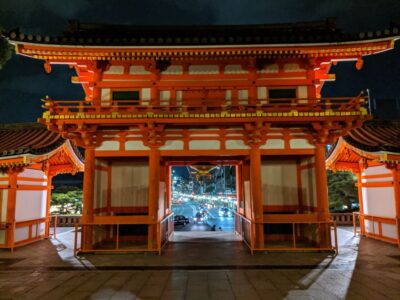
Best of Kyoto: Gion, Geisha, Pagodas & Cobblestones
Read our review →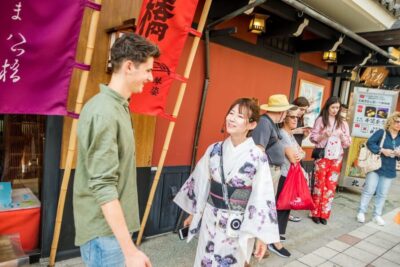
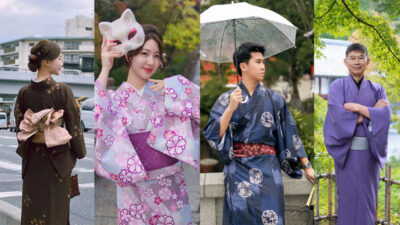
Kyoto Kimono Rental Experience (Optional Exquisite Hair Styling/Japanese Makeup/Photography) (Ookini Kiyomizu-dera Main Store)
Read our review →Browse the lists this tour appears in