
Reviewed · COOKING CLASSES
Kyoto: Morning Japanese Bento Cooking Class
Bento turns lunch into a small lesson in Japan. I like the hands-on cooking and the chance to make several familiar dishes, from sushi and tempura to teriyaki chicken and miso soup. I also like that you eat your own bento at the end, rather than watching a chef do all the work. The main consideration is that ingredients are already prepared, so this is not a knife-skills class.
At Cooking Sun in central Kyoto, the morning class lasts about three hours and costs $67 per person. The English-speaking instructors keep the pace clear and friendly, with recipes to take home and plenty of cultural context. Small groups are a real plus, though one person found that sharing cooking equipment reduced individual practice a little.
In This Review
- Kyoto Bento Class: Key Points
- Why Bento Makes a Good Kyoto Food Class
- Starting at Cooking Sun in Central Kyoto
- Following the Chefs Through Several Dishes
- Making a Bento That Looks Like Lunch
- The Cultural Side, Without a Lecture
- Dietary Needs and Family Suitability
- What You Take Home Besides Lunch
- Is $67 a Fair Price?
- Who Should Book This Morning Class?
- Should You Book the Kyoto Bento Class?
- FAQ
- Where does the Kyoto bento cooking class meet?
- How long does the cooking class last?
- How much does the class cost?
- What dishes will I learn to make?
- Is lunch included?
- Are ingredients and cooking equipment provided?
- Is the class taught in English?
- Can I request vegetarian or no-shellfish food?
- Is the class wheelchair accessible?
- Is hotel pickup included?
- Can I cancel for a refund?
- Do I have to pay when I book?
Kyoto Bento Class: Key Points
- Six to seven Japanese dishes in one morning: Prepare sushi, tempura, teriyaki chicken, miso soup, and other bento-style foods.
- A true hands-on lunch: You follow the chefs, cook the dishes, arrange the box, and eat what you make.
- English instruction with recipes: Written recipes help you repeat the dishes at home, and the teachers explain where to find ingredients.
- Small, social classes: Groups have ranged from four to ten people, with two or three instructors helping at the workstations.
- Dietary needs can be discussed: Vegetarian and no-shellfish versions have been provided, but you should state requirements when booking.
- Good family appeal: Children around age 10 and teenagers have taken part successfully, with extra help when needed.
Why Bento Makes a Good Kyoto Food Class
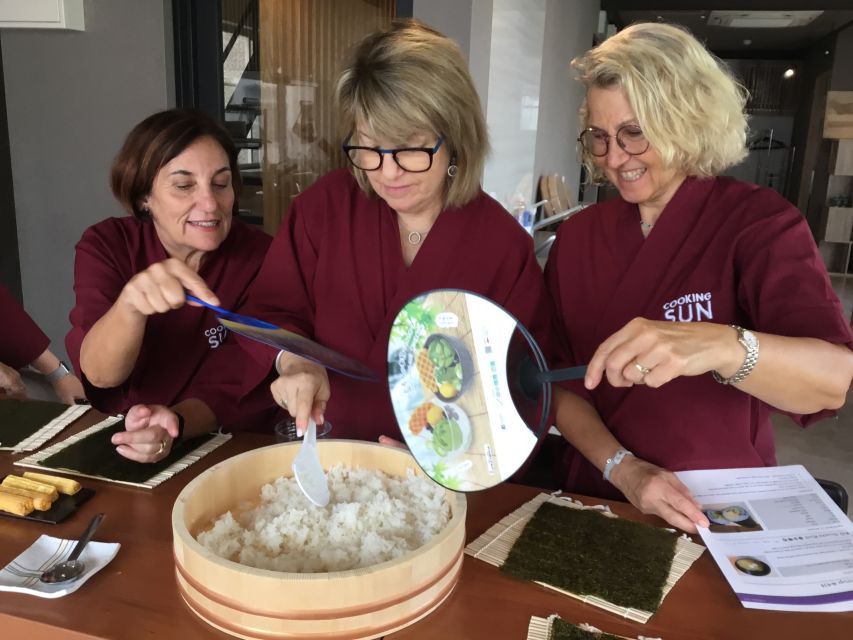
A bento is more than a lunch packed into a box. It is a compact Japanese meal, designed to hold several foods in separate portions so that color, texture, flavor, and appearance all have a place.
The tradition reaches back to the late Kamakura Period, from 1185 to 1333. Today, bento is part of everyday Japanese life, from homemade school lunches to takeaway meals and carefully arranged train food.
That background gives this class more purpose than a simple recipe lesson. You are learning how several ordinary Japanese dishes fit together in one meal. The finished box becomes a practical example of balance: rice beside vegetables, fried food beside simmered or seasoned items, and small portions arranged to look inviting.
I like this approach because it gives you a useful way to understand Japanese food culture. You are not just learning how to roll sushi. You are seeing how a Japanese meal is planned and presented.
The class also suits people who want to take something home beyond photographs. Several participants left eager to repeat the recipes, and some bought equipment or ingredients after the class so they could cook the dishes again.
More Cooking Classes in Kyoto
- Ramen Cooking Class at Ramen Factory in Kyoto
★ 5.0 · 1,937 reviews - Sushi Making in Kyoto! Same-day bookings welcome!
★ 5.0 · 713 reviews - Kyoto: Ramen Cooking Class at a Ramen Factory with Souvenir
★ 4.9 · 532 reviews
Starting at Cooking Sun in Central Kyoto
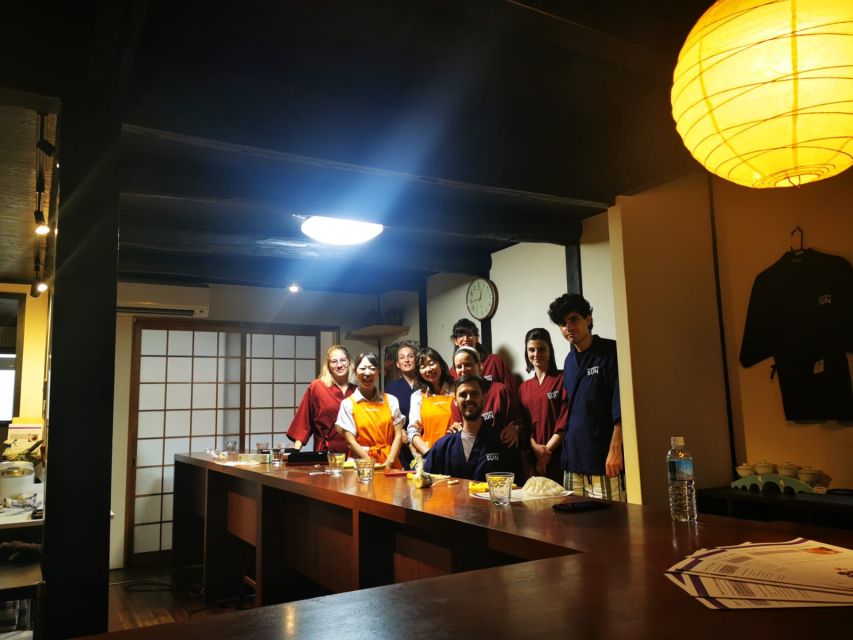
The meeting point is Cooking Sun, at Funayacho in Kyoto’s Shimogyo Ward. Hotel pickup and drop-off are not included, so you need to make your own way there and allow enough time to find the entrance.
One older account found the location hard to locate. That is useful advice: do not cut your arrival close, especially if you are unfamiliar with Kyoto’s streets. The class lasts 2.5 to 3 hours, and the available starting times can vary, so check the morning schedule when booking.
Once inside, you collect an apron, utensils, and the ingredients for the meal. The setup is designed to get you cooking quickly. A class participant specifically noted that the ingredients were already prepared, which leaves more time for making and tasting the dishes.
That preparation is both a strength and a limit. If you want to practice Japanese knife work, vegetable cutting, or the full process of preparing raw ingredients, this will feel incomplete. If you would rather learn several recipes in one morning without spending half the class chopping, it is a sensible format.
Following the Chefs Through Several Dishes
The instructors demonstrate each dish, then guide you through the steps. You are not expected to work out the recipes from scratch, and the English instruction is intended to be easy to follow.
The menu includes sushi, tempura, teriyaki chicken, and miso soup. Additional bento dishes bring the total to roughly six or seven, depending on the class arrangement. You therefore get a broad introduction rather than an hour spent perfecting one recipe.
I like the range. Sushi gives you a lesson in rice and assembly. Tempura introduces frying. Teriyaki chicken shows how a savory-sweet sauce works. Miso soup adds a simple, familiar Japanese staple to the meal.
The class also includes small cooking tips that can make a difference at home. One participant who already knew a fair amount about Japanese food still learned new techniques and details. Another singled out the method for making rolled eggs, a common bento item that can look tricky until someone shows you the right approach.
The pace is active, but the teaching appears to leave room for questions. Two or three instructors have worked with groups of up to 10, while some sessions have been much smaller. A class of four with two teachers offers more personal help than a full session.
One point to keep in mind is shared equipment. If you prefer to handle every step at your own workstation, you may occasionally have to wait or share tools. For most people, that is a minor trade-off for the social feel and the number of dishes covered.
Making a Bento That Looks Like Lunch
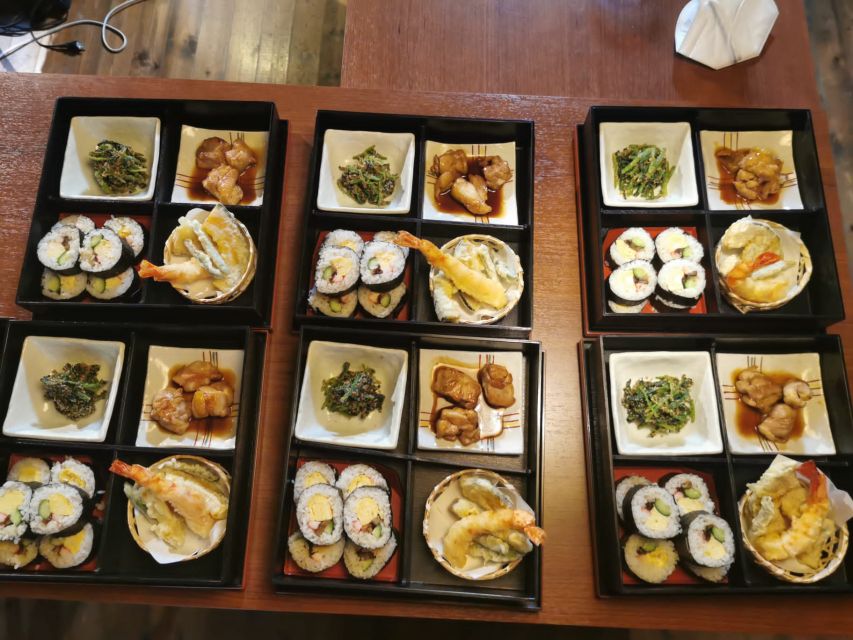
The food is not simply placed on a plate at the end. You prepare a bento box and learn how the dishes can be arranged together.
That presentation matters. Bento food is often portioned into small sections, making the meal easy to carry and pleasant to look at. The class gives you a chance to think about shape and color as well as taste.
This is also where the class feels different from a standard restaurant meal. You can see the ingredients change during cooking, then judge the finished dishes for yourself. The meal has a clear connection to the work you have just done.
The completed bento serves as your lunch. Reports consistently describe the food as delicious, and one participant in a group of eight called the finished meal excellent. I would consider this a strong part of the $67 price, since the fee includes instruction, ingredients, equipment, apron, and lunch.
You should not expect a restaurant tasting menu or a large culinary school lesson for that price. You are paying for a compact cultural activity, a meal, and recipes you can use later. For a three-hour experience in Kyoto, that is fair value, particularly if you enjoy cooking rather than only eating.
A completely different kind of day out:
- PERFECT KYOTO 1-Day Bus Tour
★ 5.0 · 13,518 reviews - [Kyoto & Nara Day Tour] Sagano Scenic Railway & Nara Park & Fushimi Inari Taisha Thousand Torii Gates & Togetsukyo Bridge & Bamboo Grove & Kimono Forest (Departing from Osaka)
★ 4.9 · 10,942 reviews - Kyoto: Fushimi Inari, Kinkakuji, Bamboo Grove 1 Day Bus Tour
★ 4.8 · 4,316 reviews - Kyoto: Tea Ceremony in a Traditional Tea House in Kiyomizu
★ 4.9 · 3,519 reviews
The Cultural Side, Without a Lecture
The best food classes explain why a dish matters. Here, the chefs discuss the bento tradition and the place of typical Japanese foods in everyday cooking.
The cultural information appears to be woven into the practical work. You learn while handling ingredients and preparing lunch, rather than sitting through a long talk before touching a pan.
The instructors are also an important part of the experience. Mei, Mae, Tomoko, Yukari, Coco, Ikari, and other teachers are praised in the feedback for being patient, warm, and clear in English. Names may vary by date, but the consistent picture is of an approachable teaching team.
One particularly thoughtful touch is that instructors have taken photographs and videos for participants during the class. That is not listed as a formal inclusion, so you should not count on it every time, but it can be a welcome way to remember the morning without stopping your own cooking.
The international mix adds to the social side. You may be cooking beside people from the United States, Australia, Europe, or elsewhere, then sharing the same homemade lunch. For solo visitors, that can make the class a pleasant change from sightseeing alone.
Dietary Needs and Family Suitability
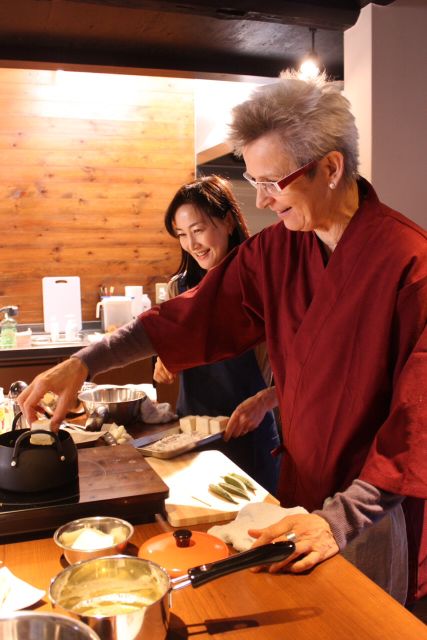
You should advise Cooking Sun of dietary requirements when booking. Vegetarian and no-shellfish adjustments have been handled, but the information does not promise that every allergy or preference can be accommodated.
Be specific and ask for confirmation if your needs are serious. The dishes include seafood-related cooking, frying, chicken, and several sauces, so it is better to clarify before you arrive.
The class has worked well for families. Two 10-year-olds took part in a family group and enjoyed both the cooking and the food. Teenagers have also received extra guidance when needed.
Still, children need to follow instructions around hot pans, boiling liquids, and frying oil. The activity is family-friendly based on the reported experiences, but it is not a play area. A parent should expect to stay involved.
I also think it suits couples, friends, and solo participants who like a structured morning. You have enough guidance to avoid feeling lost, but enough work to feel involved.
What You Take Home Besides Lunch
The most useful extra is the written recipes. You can refer to them later instead of trying to remember every measurement and method from a busy morning.
The class also gives you ideas for sourcing ingredients after you leave Japan. One instructor helped explain where certain products might be found at home, which is valuable because Japanese pantry items are not equally easy to buy in every country.
The dishes are intended to be practical rather than showy. Participants have described them as easy to recreate, and some went on to buy cooking tools or ingredients for home use.
That does not mean every home kitchen will produce an identical result. Japanese soy products, seasonings, rice, seafood, and frying equipment can vary by country. But you leave with a workable starting point, not just a pleasant memory.
I would bring a small notebook only if you like taking extra notes. The written recipes cover the main material, and the instructors demonstrate the techniques in person.
Is $67 a Fair Price?
At $67 per person, this is not the cheapest way to eat lunch in Kyoto. You can find a meal for far less, and you can also buy prepared bento at shops and stations.
The comparison changes when you count what is included. Your fee covers a three-hour class, ingredients, apron, utensils, English instruction, recipes, and the meal you prepare. You also get direct help from the chefs and a cultural explanation of the food.
I see the strongest value for people who will actually cook again at home. If you only want a quick meal, the price may feel high. If you want a useful skill, a social morning, and several Japanese recipes in one session, it is much easier to justify.
Small groups improve the value. A session with two teachers and four participants can feel almost personal, while a group of 10 may involve more sharing and waiting. Either way, the activity provides more substance than a short demonstration.
The free cancellation policy also lowers the risk. You can cancel up to 24 hours before the class for a full refund, and reserve now while paying later. Keep those terms in mind when fitting the class into a Kyoto itinerary.
Who Should Book This Morning Class?
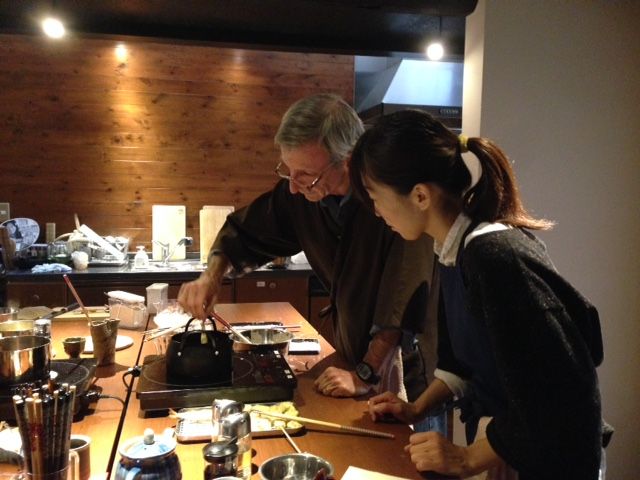
I would choose this experience if you enjoy practical activities and want a break from temples, shopping, and crowded sightseeing streets. It gives you a reason to spend a morning indoors while still learning something strongly connected to Japan.
It is especially well suited to:
- First-time visitors who want an introduction to several Japanese dishes
- Couples and friends who like cooking together
- Families with children or teenagers who can follow kitchen instructions
- Vegetarians or people avoiding shellfish, provided they notify the school in advance
- Solo visitors who would enjoy meeting people during a shared activity
- Home cooks who want recipes and techniques they can repeat
I would hesitate if you want advanced culinary training, professional knife work, or a highly specialized sushi lesson. The ingredients are prepared in advance, and the focus is on making a complete bento rather than mastering one technical skill.
Wheelchair access is available, and the instructor language is English. Since transportation is not included and the location has been difficult for at least one person to find, plan your route before the morning begins.
Should You Book the Kyoto Bento Class?
Yes, if you want a friendly, useful food experience rather than a passive demonstration. The combination of several dishes, a homemade lunch, written recipes, and cultural background gives you plenty to do for three hours.
I would book it early in a Kyoto stay if possible. That gives you time to shop for ingredients or equipment later and try a few ideas while Japan is still fresh in your mind.
The one clear limitation is the prepared ingredients and shared equipment. Those points may bother serious cooks, but they help the class cover a surprising amount in a short time.
With a perfect 5 rating from 149 reviews, the class has earned unusually strong approval. I would call it a good-value pick for families, food lovers, and anyone who wants to carry a small piece of Kyoto’s everyday food culture home.
FAQ
Where does the Kyoto bento cooking class meet?
The class meets at Cooking Sun, Funayacho, Shimogyo Ward, Kyoto, Kyoto 600-8466.
How long does the cooking class last?
The experience lasts about three hours. The class description also gives an estimated duration of 2.5 to 3 hours.
How much does the class cost?
The listed price is $67 per person.
What dishes will I learn to make?
You will learn to make sushi, tempura, teriyaki chicken, and miso soup, along with other dishes for the bento box.
Is lunch included?
Yes. You eat the bento lunch you prepare during the class.
Are ingredients and cooking equipment provided?
Yes. The fee includes ingredients, an apron, and utensils.
Is the class taught in English?
Yes. English instruction is provided.
Can I request vegetarian or no-shellfish food?
You should advise of dietary requirements when booking. Vegetarian and no-shellfish versions have been provided, but you should confirm that your specific needs can be met.
Is the class wheelchair accessible?
Yes, the activity is listed as wheelchair accessible.
Is hotel pickup included?
No. Hotel pickup and drop-off are not included, so you must travel to the Cooking Sun meeting point yourself.
Can I cancel for a refund?
Yes. You can cancel up to 24 hours in advance for a full refund.
Do I have to pay when I book?
The reserve-now, pay-later option lets you book your place without paying immediately.
Just added in Kyoto
- The “Golden Route” and Ancient Japan by DIAMIR Erlebnisreisen – 14-Day Tour★ 2.0 · 2 reviews
- Japan: Castles & Cuisine by G Adventures – 6-Day Kyoto to Osaka Tour★ 4.5 · 4 reviews
- Cycle Japan by Explore! – 13-Day Kyoto to Tokyo Tour★ 4.7 · 12 reviews
- Cycle Japan by Intrepid Travel – 11-Day Kyoto to Tokyo Tour★ 4.8 · 2 reviews
- Classic Japan by Intrepid Travel – 11-Day Kyoto to Tokyo Tour★ 4.4 · 14 reviews
- Ancient & Modern Japan 14-Day Tour by Exodus Adventure Travels★ 4.4 · 40 reviews
- 5 Day Cultural Adventure of Kyoto, Nara & Osaka by Tourist Journey★ 2.5 · 2 reviews
- 12 Days Kinosaki Onsen Escape: A Journey Through Japan’s Timeless Towns by UME Travel★ 4.8 · 5 reviews
Cooking Classes, compared.
Sushi Making Tokyo Roll and Authentic Japanese Sushi Class
Read our review →
Roll and Authentic Sushi Making Class in Asakusa
Read our review →
Ramen Cooking Class at Ramen Factory in Kyoto
Read our review →
Sushi Making Class in a Happi Coat near a Famous Spot
Read our review →
Sushi Making Osaka Roll and Authentic Japanese Sushi Class
Read our review →
Tokyo Sushi Making Class in Tsukiji with Professional Chef
Read our review →
Ramen & Gyoza Cooking Class in Tokyo with Local Supermarket Visit
Read our review →Browse the lists this tour appears in