
Reviewed · COOKING CLASSES
Kyoto Ramen Noodle Making Class
Make noodles, then eat them. This one-hour experience in Kyoto’s Gion district gives you a hands-on look at ramen production, from mixing two types of wheat flour to rolling and cutting the dough with a professional noodle machine. I especially like the small group size, capped at six, and the fact that you finish with a bowl of ramen prepared by Musoshin’s chef.
The English-speaking instructors, including Kaz, Azu, and Amiru, receive repeated praise for being friendly and clear. I also like the local touches, such as Kyotamba rice and condiments from Kyoto makers. The main thing to understand is that this is a noodle-making class, not a full ramen cooking class. You make the noodles, but the chef prepares the broth and final bowl.
In This Review
- Key points to know before you book
- Why making ramen in Gion is worth your time
- Arriving at Musoshin Gion in central Kyoto
- Putting on the apron and meeting the instructor
- Mixing two flours and making the dough
- Rolling and cutting noodles with a professional machine
- Local Kyoto touches and the chef-prepared ramen
- What the one-hour format really means
- Who will enjoy this ramen class most
- Price, practical details, and cancellation
- Should you book the Musoshin noodle-making class?
- FAQ
- Where does the Kyoto ramen noodle-making class take place?
- Is the class held at Musoshin Ramen Academy?
- How long does the experience last?
- What do I make during the workshop?
- Is a meal included?
- Are vegetarian or vegan options available?
- Is the class suitable for English speakers?
- What happens if I need to cancel?
Key points to know before you book
- Your noodles are made from scratch: You pour in the water, knead the dough, then roll and cut it with a professional machine.
- The class stays small: A maximum of six people makes it easier to follow the instructor and get hands-on time.
- You eat ramen at the end: The chef prepares your finished bowl with a vegetable-based broth.
- It takes place at Musoshin Gion: The venue is in central Kyoto, not at the separate Musoshin Ramen Academy.
- Dietary needs can be handled: Vegetarian, vegan, pescetarian, and no meat or fish tasting options are available with advance notice.
- You take home a souvenir: The bandana used during the workshop is yours to keep.
Why making ramen in Gion is worth your time
Kyoto is famous for temples, gardens, tea, and carefully prepared food. A ramen workshop gives you a different way to understand Japanese cooking. Instead of simply sitting down with a finished bowl, you see one important part of the process and handle the ingredients yourself.
The setting at Musoshin Gion adds useful context. Musoshin is an established ramen restaurant with three locations in Kyoto and a Michelin Guide recognized location in Toronto, Canada. You are not taking a generic cooking lesson in a rented studio. You are working in the restaurant’s own environment, guided by people who make and serve ramen as part of their daily work.
I like the balance of instruction and reward. You spend the first part of the class learning the mechanics, then sit down to eat a bowl made by the chef. That matters because handmade noodles are only one part of ramen. The broth, seasoning, toppings, and timing all affect the final dish, and the chef handles those parts for you.
The price is $48.27 per person. For about an hour, that includes instruction, ingredients, tools, an apron, a soft drink, a bowl of ramen, and the workshop bandana. I would not call it the cheapest meal in Kyoto, but it offers more than lunch. You are paying for a compact food activity, an English-speaking instructor, a small class, and the chance to make part of the meal yourself.
More Cooking Classes in Kyoto
- Ramen Cooking Class at Ramen Factory in Kyoto
★ 5.0 · 1,937 reviews - Sushi Making in Kyoto! Same-day bookings welcome!
★ 5.0 · 713 reviews - Kyoto: Ramen Cooking Class at a Ramen Factory with Souvenir
★ 4.9 · 532 reviews
Arriving at Musoshin Gion in central Kyoto
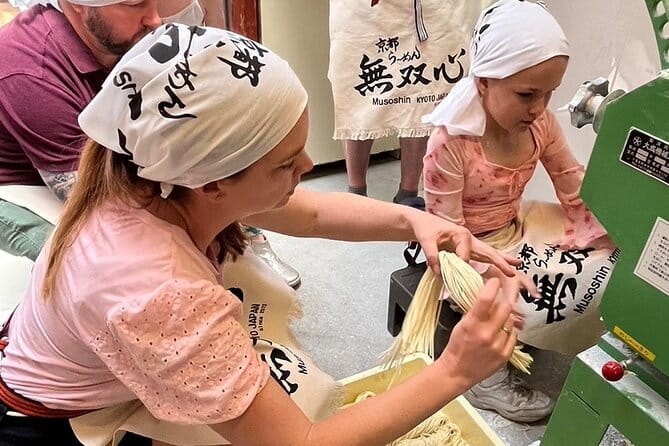
The meeting point is 558-2 Komatsucho, Higashiyama Ward, Kyoto, 605-0811, Japan. The venue is near public transportation, which makes it practical to fit into a day exploring central Kyoto and the Gion area.
Pay close attention to the venue name when you make your plans. The workshop takes place at Musoshin Gion, not at Musoshin Ramen Academy. That distinction is important because going to the wrong location could turn a one-hour activity into a stressful search.
The activity begins and ends at the same meeting point. Since the class lasts about an hour, I see it working well before a longer afternoon in Gion, between sightseeing stops, or as a short food-focused activity when you do not want to commit to a half-day cooking course.
You receive confirmation within 48 hours of booking, subject to availability. I would book ahead rather than count on a last-minute place, especially since the class accepts no more than six people.
Putting on the apron and meeting the instructor
The class provides a rental apron, and you wear the workshop bandana during the activity. The bandana then becomes a souvenir, a small but pleasant touch that gives you something useful to remember the experience.
The instruction is in English. That is a major advantage because noodle texture depends on small details, such as the amount of water and the way the dough is handled. Clear directions make the difference between simply watching a demonstration and understanding what your hands are doing.
Past participants singled out Kaz as a particularly good instructor. Azu and Amiru also received praise for their friendly manner and detailed demonstrations. The most consistent strength of the class is its atmosphere. You are not expected to know anything about ramen in advance, and the instructors make the process comfortable for families and first-time cooks.
Because the group is limited to six, you should have a better chance of getting direct guidance than in a large workshop. The compact format also keeps the class moving. You will not spend most of the hour waiting for someone else to finish.
Mixing two flours and making the dough
The workshop begins with the basic building block of ramen: the dough. You use two types of wheat flour, add water, and take part in the early stages of the process rather than simply receiving prepared dough.
This is where the class becomes more interesting than a standard restaurant meal. Ramen noodles may look simple in the bowl, but their texture depends on flour, water, kneading, thickness, and cutting. The instructor guides you through pouring the water and kneading the mixture, so you can see how a loose mixture becomes workable dough.
The practical benefit is that you leave with a better sense of why ramen noodles feel chewy. The class does not turn you into a ramen chef in an hour, but it gives you a clear introduction to the labor behind a bowl.
I would keep your expectations realistic. The class description focuses on noodle production, not on making the broth, seasoning the soup, or preparing toppings from start to finish. If you want a full cooking lesson, this may feel limited. If you want to understand one central stage of ramen making without spending several hours in a kitchen, the focus works well.
A completely different kind of day out:
- PERFECT KYOTO 1-Day Bus Tour
★ 5.0 · 13,518 reviews - [Kyoto & Nara Day Tour] Sagano Scenic Railway & Nara Park & Fushimi Inari Taisha Thousand Torii Gates & Togetsukyo Bridge & Bamboo Grove & Kimono Forest (Departing from Osaka)
★ 4.9 · 10,942 reviews - Kyoto: Fushimi Inari, Kinkakuji, Bamboo Grove 1 Day Bus Tour
★ 4.8 · 4,316 reviews - Kyoto: Tea Ceremony in a Traditional Tea House in Kiyomizu
★ 4.9 · 3,519 reviews
Rolling and cutting noodles with a professional machine
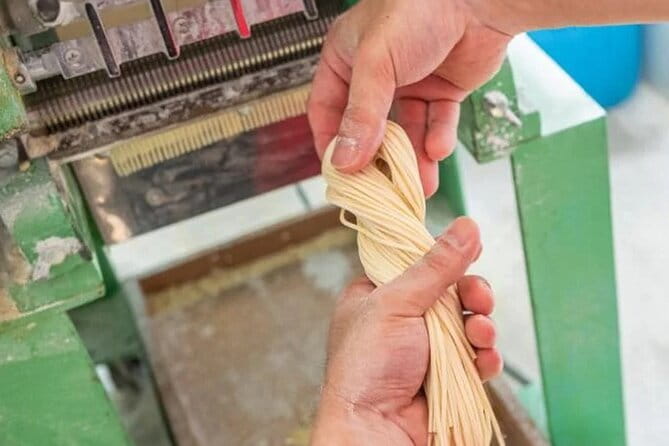
After kneading, you roll the dough and cut it into noodles with a professional noodle-making machine. This is one of the most appealing parts of the experience because you get to see how a sheet of dough becomes the familiar strands in your bowl.
The machine also makes the class accessible. Handmade ramen noodles require practice, and producing consistent strands by hand would take more time and skill than this short workshop allows. The machine lets you take part in the process while still producing noodles suitable for the final meal.
The instructors demonstrate each step in detail, then guide you as you work. The hands-on format is important. You are not just standing beside a chef while the real work happens behind the counter.
Families should find this section especially engaging because it offers a simple sequence of tasks: add water, knead, roll, and cut. The activity is short enough to hold attention, and the final bowl gives everyone a clear payoff.
Local Kyoto touches and the chef-prepared ramen
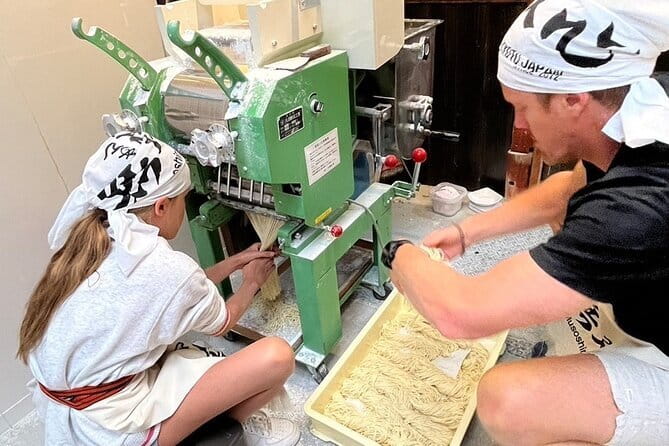
While you make the noodles, the ramen chef prepares the part you do not cook yourself. The broth uses a blend of vegetables and is served with Kyotamba rice and condiments from local makers. These details tie the workshop to Kyoto rather than presenting ramen as a food with no connection to place.
The meal at the end is more than a sample. You receive a full bowl of ramen prepared by the chef, along with one soft drink. Several people specifically praised the final ramen, with one calling it the best part of the experience.
I appreciate this arrangement. Making every part of a ramen bowl in one hour would either require shortcuts or leave you with a rushed meal. By dividing the work, the class lets you learn the noodle process while the restaurant team handles the broth and final preparation.
The vegetable-based broth also makes the tasting suitable for different diets. Vegetarian, vegan, pescetarian, and no meat or fish options are available for the tasting session. You must tell the provider about your dietary needs in advance, since the appropriate bowl needs to be arranged before the activity.
The noodles are made with wheat flour. If you avoid wheat or need a gluten-free meal, you should contact the provider before booking to confirm whether the class can work for you. The supplied information does not offer a gluten-free option.
What the one-hour format really means
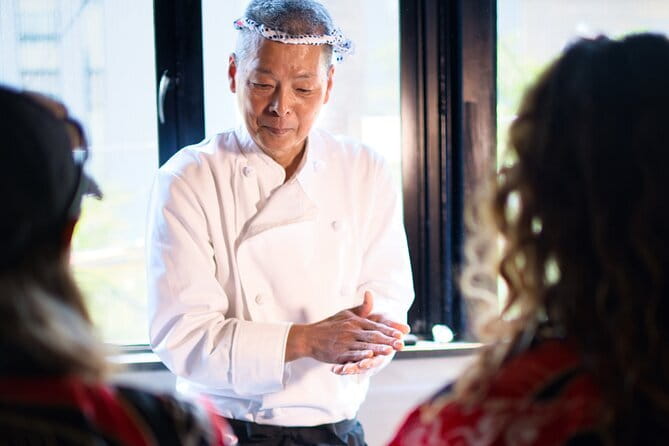
An hour is enough for a focused introduction, but not for a broad survey of Japanese noodle culture. You will learn the basic noodle-making sequence, take part in the process, and eat a chef-prepared bowl. You will not get a long lecture on ramen history or a full lesson in broth preparation.
I consider the short duration a strength for most visitors. Kyoto days fill quickly, and a one-hour food activity is easy to place between temple visits, shopping, and evening plans. It also keeps the cost and time commitment lower than a longer cooking course.
The tradeoff is that you should not expect a slow, highly technical workshop. The experience is designed to show you the process and let you participate, not to train you for restaurant work. If you want a relaxed, detailed study of ramen chemistry, seek a longer class. If you want a lively activity with a meal included, this format makes sense.
Who will enjoy this ramen class most
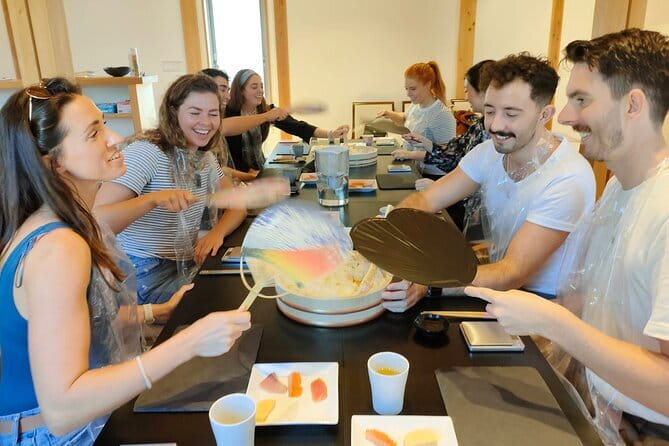
I would recommend this experience to several types of visitors:
- First-time visitors to Japan who want a food activity with clear English instruction.
- Families looking for something interactive rather than another sightseeing stop.
- Ramen fans who want to understand how noodles are made.
- Short-stay visitors who can spare only about an hour.
- Vegetarian and vegan diners who arrange their tasting option in advance.
- Anyone staying near central Kyoto who wants an activity in the Gion area.
The class also suits people who enjoy learning by doing. If you prefer to sit quietly and watch a chef, the hands-on work may feel unnecessary. If you like kneading dough, operating equipment, and seeing a process from start to finish, you will get more from it.
The group limit of six is another reason I would choose it over a large food demonstration. You have a better chance of hearing the instructions, asking questions, and getting help with the dough.
Price, practical details, and cancellation
At $48.27 per person, the cost includes the instructor, ingredients, tools, rental apron, bandana souvenir, ramen bowl, and soft drink. I see the strongest value in the combination of a small group and a proper restaurant meal. You are not paying only for a bowl of noodles, and you are not paying for a long class filled with material you may not need.
The mobile ticket makes entry simple. The activity is near public transportation, and it returns to the same location where it begins. Confirmation arrives within 48 hours, subject to availability, so give yourself time to receive that confirmation before arranging a tightly timed schedule.
Free cancellation is available if you cancel at least 24 hours before the start time. Cancellations or changes made less than 24 hours ahead are not refunded or accepted, and cut-off times use Kyoto’s local time. I would avoid booking this directly before a major timed attraction unless you leave enough room for delays.
Should you book the Musoshin noodle-making class?
Book this class if you want a short, friendly, hands-on food activity in central Kyoto. The strongest reasons are the small group, English-speaking instructors, professional noodle machine, and chef-prepared ramen at the end. The bandana souvenir and local Kyoto ingredients add a little extra character.
Think twice if you want to cook the broth, prepare toppings, or learn every stage of ramen from start to finish. This is specifically a noodle-making workshop followed by a restaurant meal, not a complete ramen cooking class.
For most people, the experience offers a good balance of learning, participation, and eating. If Kaz, Azu, or Amiru is leading the session, you can expect a warm and clear introduction to the process. Tell the provider about dietary needs in advance, confirm that you are going to Musoshin Gion, and leave the class with a little time around your schedule. Then enjoy the best part: noodles you helped make, served in a bowl prepared by the chef.
FAQ
Where does the Kyoto ramen noodle-making class take place?
The class takes place at Musoshin Gion, located at 558-2 Komatsucho, Higashiyama Ward, Kyoto, 605-0811, Japan.
Is the class held at Musoshin Ramen Academy?
No. The workshop is held at Musoshin Gion in central Kyoto, not at Musoshin Ramen Academy.
How long does the experience last?
The activity lasts approximately one hour.
What do I make during the workshop?
You make ramen noodles from scratch using two types of wheat flour. The process includes adding water, kneading the dough, rolling it, and cutting it with a professional noodle-making machine.
Is a meal included?
Yes. The experience includes one bowl of ramen prepared by the chef and one soft drink.
Are vegetarian or vegan options available?
Yes. Vegetarian, vegan, pescatarian, and no meat or fish options are available for the tasting session. You need to provide your dietary information in advance.
Is the class suitable for English speakers?
Yes. An English-speaking noodle-making instructor leads the workshop.
What happens if I need to cancel?
You can receive a full refund if you cancel at least 24 hours before the experience start time. Cancellations or changes made less than 24 hours before the start time are not refunded or accepted.
Just added in Kyoto
- The “Golden Route” and Ancient Japan by DIAMIR Erlebnisreisen – 14-Day Tour★ 2.0 · 2 reviews
- Japan: Castles & Cuisine by G Adventures – 6-Day Kyoto to Osaka Tour★ 4.5 · 4 reviews
- Cycle Japan by Explore! – 13-Day Kyoto to Tokyo Tour★ 4.7 · 12 reviews
- Cycle Japan by Intrepid Travel – 11-Day Kyoto to Tokyo Tour★ 4.8 · 2 reviews
- Classic Japan by Intrepid Travel – 11-Day Kyoto to Tokyo Tour★ 4.4 · 14 reviews
- Ancient & Modern Japan 14-Day Tour by Exodus Adventure Travels★ 4.4 · 40 reviews
- 5 Day Cultural Adventure of Kyoto, Nara & Osaka by Tourist Journey★ 2.5 · 2 reviews
- 12 Days Kinosaki Onsen Escape: A Journey Through Japan’s Timeless Towns by UME Travel★ 4.8 · 5 reviews
Cooking Classes, compared.
Sushi Making Tokyo Roll and Authentic Japanese Sushi Class
Read our review →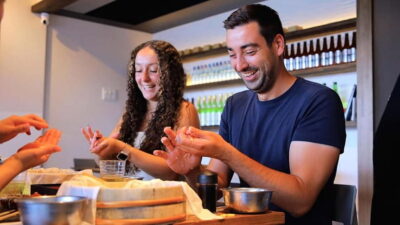
Roll and Authentic Sushi Making Class in Asakusa
Read our review →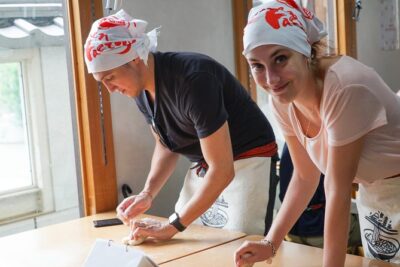
Ramen Cooking Class at Ramen Factory in Kyoto
Read our review →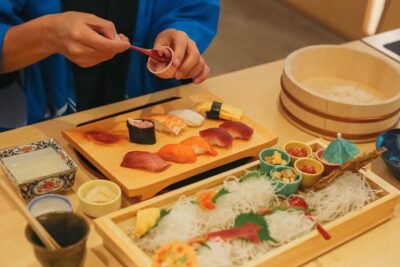
Sushi Making Class in a Happi Coat near a Famous Spot
Read our review →
Sushi Making Osaka Roll and Authentic Japanese Sushi Class
Read our review →
Tokyo Sushi Making Class in Tsukiji with Professional Chef
Read our review →
Ramen & Gyoza Cooking Class in Tokyo with Local Supermarket Visit
Read our review →Browse the lists this tour appears in