
Reviewed · COOKING CLASSES
Kyoto Ramen Spoon Painting & Michelin Cooking Class
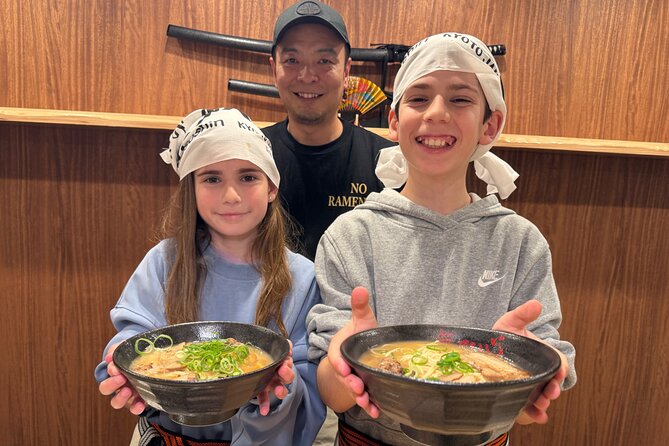
Ramen becomes a souvenir here. This Kyoto experience pairs ceramic spoon painting with a practical ramen lesson inside Musoshin Ramen Academy, where you cook and eat a bowl made from the restaurant’s own ingredients. I like the creative souvenir and the chance to learn from a working ramen chef, especially with vegetarian and vegan options available. The main drawback is that you do not make the noodles yourself, and your painted spoon must be kiln-fired overnight before it is ready.
At about $65.89 per person for roughly 90 minutes, this is a fair price if you want more than a restaurant meal. You get a craft activity, instruction, a bowl of ramen, and a small group capped at 12 people. Just allow extra time to find the meeting point, since one review warns that 440-5 Nishigomoncho can be hard to locate.
In This Review
- Key things to know before booking
- Why this Kyoto ramen class feels different
- Painting your ceramic ramen spoon upstairs
- Moving into the professional ramen kitchen
- What you actually make, and what you do not
- The bowl at the end is part of the lesson
- The three Kyoto temple names need a closer look
- Price, timing, and finding the meeting point
- Who will enjoy Musoshin Ramen Academy most
- Should you book this ramen experience?
- FAQ
- How long does the Kyoto ramen class last?
- How much does the experience cost?
- Where does the class start?
- Where does the activity end?
- How many people can join the class?
- Do I receive a mobile ticket?
- Do I make the ramen noodles myself?
- Are vegetarian or vegan options available?
- Can I take the painted spoon home immediately?
- What is the cancellation policy?
Key things to know before booking
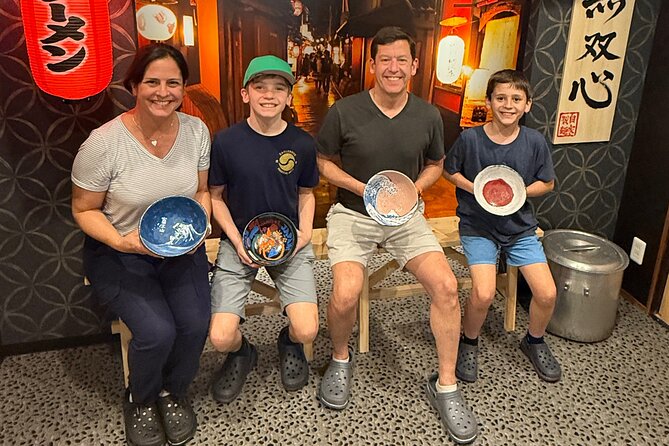
- Paint a real ceramic ramen spoon: Your design is baked in a kiln overnight, creating a useful Kyoto souvenir rather than a disposable craft.
- Cook with restaurant ingredients: Musoshin supplies its own noodles, 12-hour soup, handmade soy sauce, and roast pork for the class.
- Learn from working ramen professionals: Shin and Amiru have both been praised for their patience, humor, and hands-on teaching.
- Eat what you prepare: The class ends with your own bowl of ramen, including vegetarian and vegan choices when requested.
- Small group, short format: The maximum group size is 12, and the complete session lasts about an hour and a half.
- Check the temple information carefully: Kiyomizu-dera, Kennin-ji, and Sanjusangendo are named in the schedule, but the detailed description focuses on the ramen workshop rather than temple visits.
Why this Kyoto ramen class feels different
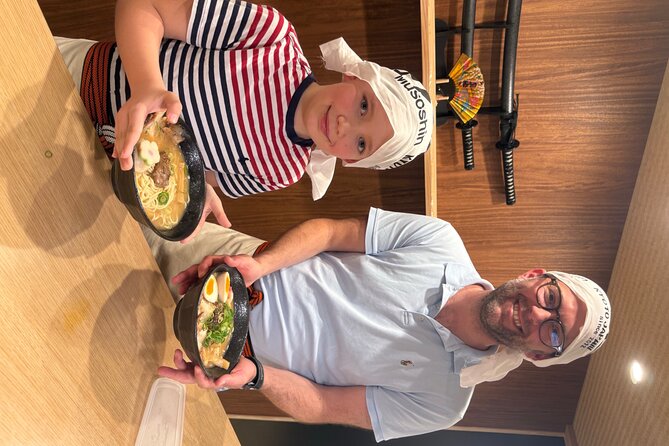
Kyoto has no shortage of cooking classes. Many focus on sushi, wagashi sweets, or a broad menu of Japanese home dishes. This one keeps its attention on a single food: ramen.
That narrow focus is its strength. You are not simply shown a finished bowl and handed a recipe sheet. The class explains the parts that make ramen work together, including the soup, soy seasoning, noodles, pork, and assembly. You then prepare the components brought from the restaurant and arrange your own serving.
Musoshin Ramen began in Kyoto in 2022 and now has six restaurants in Kyoto and Toronto. Its Toronto restaurant has received Michelin nominations for three consecutive years, and the recipe used there is said to be the same. That does not mean this is a Michelin-starred cooking class, but it does give the lesson a stronger professional connection than a casual kitchen demonstration.
The restaurant also makes its main ramen elements in-house. Noodles are made each morning and rested overnight for use the following day. The soup cooks for 12 hours, while the ramen soy sauce and roast pork are handmade. You are not seeing every one of those long processes during a 90-minute class, but you do get a useful explanation of the work behind the bowl.
More Cooking Classes in Kyoto
- Ramen Cooking Class at Ramen Factory in Kyoto
★ 5.0 · 1,937 reviews - Sushi Making in Kyoto! Same-day bookings welcome!
★ 5.0 · 713 reviews - Kyoto: Ramen Cooking Class at a Ramen Factory with Souvenir
★ 4.9 · 532 reviews
Painting your ceramic ramen spoon upstairs
The class begins with the craft portion. You paint a ceramic ramen spoon in the restaurant, creating a design you can take home after it has been fired.
This is a smart choice for a Kyoto activity. A spoon is small, practical, and easy to pack. It also connects directly to the meal you are about to prepare. You are not painting a random plate or souvenir tile. You are making part of the ramen experience itself.
The spoon is not ready to carry home immediately. It must be baked in a kiln overnight, so the phrase create a souvenir on the same day is accurate, but receive the finished souvenir on the same day is not. One participant also misunderstood this timing and could not paint because of the collection arrangements. Ask the provider how the finished spoon will be returned or collected before you book, especially if your Kyoto stay is short.
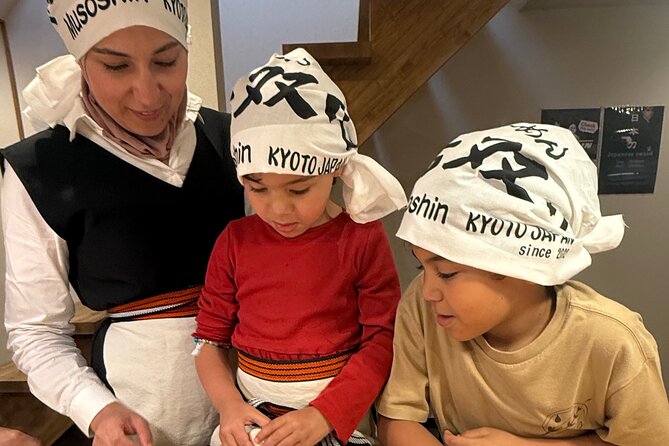
The painting section is suitable for adults and children, and it gives the class a relaxed opening. It also provides good photo opportunities in the compact restaurant. Do not expect a formal ceramics course. This is a simple, food-themed craft that works best as a personal keepsake.
Moving into the professional ramen kitchen
After painting, you move downstairs to the cooking area. The class uses ingredients brought from Musoshin’s restaurant, so you are working with the same style of components served in its shops.
The teaching is step by step. You learn how the ramen is built and why each part matters. This is where the class earns its price. A bowl of ramen can look simple, but the soup, seasoning, noodles, meat, and toppings must be balanced. The lesson helps you see that the final bowl is the result of planning and preparation, not just noodles dropped into stock.
Several class leaders have received special praise. Shin is described as energetic, warm, and very involved in teaching. One family particularly appreciated how gently he worked with a child. Amiru has also led a memorable class, with clear instruction and a friendly manner. The teaching style seems lively rather than stiff, which helps when you are cooking in an unfamiliar kitchen.
The group limit of 12 matters here. Ramen preparation involves timing and practical work, so a class with dozens of people would feel less personal. With up to 12, you have a better chance of following the demonstration and getting help when needed. The exact atmosphere will depend on the day’s group, but this is not designed as a private lesson.
What you actually make, and what you do not
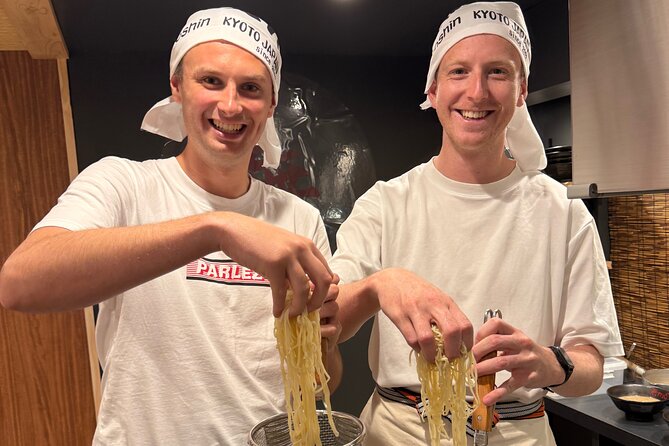
The class gives you hands-on work with ramen, but you do not make the noodles from flour. This is the clearest limitation in the experience.
The noodles are produced by the restaurant and prepared for use in the class. That makes sense for a 90-minute session, since proper noodle production and resting take time. Still, if your main goal is to learn the full process from wheat to finished noodle, this will feel incomplete.
You do get to work with the finished noodles and the other key elements. The restaurant prepares its soup over 12 hours, and the soy sauce and roast pork are also handmade. The class brings these ingredients to you and lets you assemble and cook the meal yourself.
That format has a useful advantage. You can concentrate on flavor, heating, portioning, and presentation instead of spending the entire session on dough. One participant gave the class four stars rather than five specifically because noodle-making was not included. That is a fair point to keep in mind.
A completely different kind of day out:
- PERFECT KYOTO 1-Day Bus Tour
★ 5.0 · 13,518 reviews - [Kyoto & Nara Day Tour] Sagano Scenic Railway & Nara Park & Fushimi Inari Taisha Thousand Torii Gates & Togetsukyo Bridge & Bamboo Grove & Kimono Forest (Departing from Osaka)
★ 4.9 · 10,942 reviews - Kyoto: Fushimi Inari, Kinkakuji, Bamboo Grove 1 Day Bus Tour
★ 4.8 · 4,316 reviews - Kyoto: Tea Ceremony in a Traditional Tea House in Kiyomizu
★ 4.9 · 3,519 reviews
The bowl at the end is part of the lesson
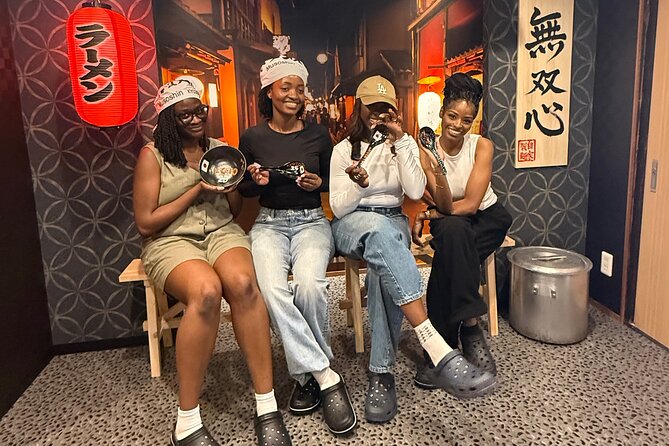
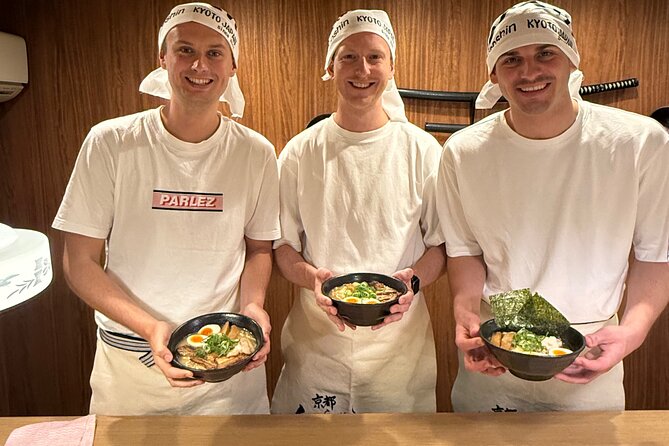
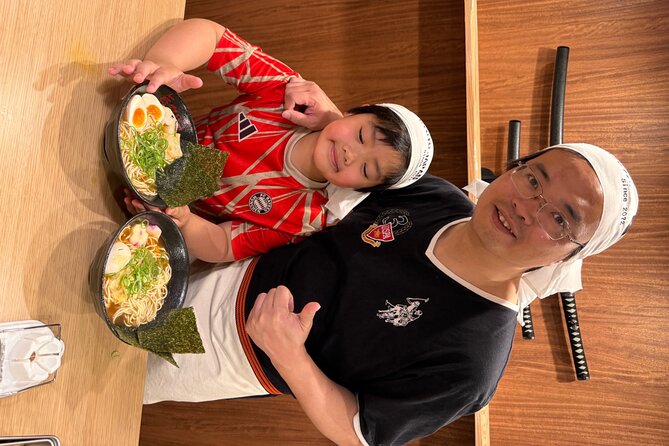
The final meal is not an afterthought. You eat the ramen you have prepared, using the bowl and spoon supplied for the experience.
This makes the cooking instructions easier to understand. You can see how your arrangement affects the finished dish, and the bowl tastes more personal because you helped put it together. Several people praised the ramen as the best they had eaten in Japan, though taste is personal and no short class can promise that result for everyone.
The menu can include pork broth and vegetarian versions, with vegan options also available. The staff handled allergies well for at least one participant, but you should state your needs when booking or as early as possible. The supplied information confirms accommodation for vegetarian and vegan diners, but it does not list every allergen or guarantee that all dietary requirements can be met.
The meal also gives the session a satisfying finish. You are not left hungry after a small sample or a few cooking exercises. You sit down and enjoy a complete ramen serving.
The three Kyoto temple names need a closer look
The schedule names Kiyomizu-dera Temple, Kennin-ji Temple, and Sanjusangendo Temple. These are important Kyoto sights, but the main experience description is devoted to the ramen academy at Nishigomoncho. It does not explain a temple guide, temple admissions, transport between temples, or a sightseeing schedule.
For that reason, you should not assume you are joining a temple tour simply because these names appear in the activity information. Treat the ramen workshop as the reliable core of the experience and confirm the temple portion directly if it matters to your plans.
If the temple stops are genuinely included on your booking, each offers a different kind of visit. Kiyomizu-dera is one of Kyoto’s best-known hillside temples and usually requires time for walking and views. Kennin-ji, in the Gion area, is known for its traditional Zen setting. Sanjusangendo is famous for its long hall and rows of Buddhist statues.
These sites are not close enough to treat as casual five-minute stops. If you plan to see them independently, place them around the class only after confirming the actual start and finish time. The activity ends at its starting point, 440-5 Nishigomoncho in Higashiyama Ward.
Price, timing, and finding the meeting point
At $65.89, the class offers reasonable value for a 90-minute activity in Kyoto. The price includes the spoon craft, ramen instruction, ingredients, and the meal. It also includes the less visible value of a chef-led lesson in a real ramen restaurant rather than a generic demonstration.
I would book it for the experience, not as a way to save money on lunch. A normal ramen meal costs less, but it does not give you the explanation, hands-on preparation, or handmade spoon.
The short duration works well in a busy Kyoto schedule. You can fit it between sightseeing plans, although you should not cut the timing too closely. The meeting point is near public transportation, but one person found the location difficult to find. Use the full address, leave a little time for navigation, and keep your mobile ticket accessible.
The group can include no more than 12 people. That is small enough to keep the lesson manageable, but it is not necessarily intimate. Families, couples, solo participants, and mixed groups may all share the kitchen.
Free cancellation is available if you cancel at least 24 hours before the local start time. Changes or cancellations inside that window are not accepted for a refund.
Who will enjoy Musoshin Ramen Academy most
I would choose this class if you meet any of these descriptions:
- You love ramen and want to understand how the bowl is built.
- You prefer an activity that combines food with a physical souvenir.
- You are traveling with children who need more than temple viewing.
- You want a small-group class led by restaurant staff.
- You need vegetarian or vegan ramen options.
- You have already eaten plenty of Kyoto cuisine and want something casual and focused.
It may not suit you if you want to make noodles from scratch. It may also disappoint if you expect a long culinary course, a full ceramic workshop, or a temple sightseeing tour. The experience is short, friendly, and practical, not an intensive chef-training program.
The spoon also takes overnight kiln time. If you are leaving Kyoto immediately after the class, find out how you will get it back. That detail can change the value of the souvenir.
Should you book this ramen experience?
I would book it for a food-loving family, a couple wanting a hands-on Kyoto memory, or anyone who values a small craft souvenir more than a formal cooking certificate. The 4.9 rating from 34 reviews and 97 percent recommendation rate fit the strongest features: delicious ramen, kind teaching, fun spoon painting, and good handling of vegetarian requests.
Book with realistic expectations. You will not make the noodles, and the temple names in the schedule need clarification. But you will learn from Musoshin’s restaurant team, work with carefully prepared ramen components, eat a proper bowl, and create a spoon that connects the meal to your trip. At this price, that is a tasty and useful slice of Kyoto.
FAQ
How long does the Kyoto ramen class last?
The experience lasts approximately 1 hour and 30 minutes.
How much does the experience cost?
The listed price is $65.89 per person.
Where does the class start?
It starts at 440-5 Nishigomoncho, Higashiyama Ward, Kyoto, 605-0816, Japan.
Where does the activity end?
The activity ends back at the meeting point.
How many people can join the class?
The maximum group size is 12 people.
Do I receive a mobile ticket?
Yes. The experience features a mobile ticket.
Do I make the ramen noodles myself?
No. Musoshin makes its noodles in the restaurant. The class uses ingredients brought from the restaurant and teaches you how to prepare and arrange the ramen.
Are vegetarian or vegan options available?
Yes. Vegetarian and vegan ramen options are available, and dietary needs should be stated in advance.
Can I take the painted spoon home immediately?
No. The ceramic spoon is baked in a kiln overnight, so it is not finished on the same day.
What is the cancellation policy?
You can cancel for a full refund up to 24 hours before the experience starts. Cancellations or changes made less than 24 hours before the local start time are not accepted for a refund.
Just added in Kyoto
- The “Golden Route” and Ancient Japan by DIAMIR Erlebnisreisen – 14-Day Tour★ 2.0 · 2 reviews
- Japan: Castles & Cuisine by G Adventures – 6-Day Kyoto to Osaka Tour★ 4.5 · 4 reviews
- Cycle Japan by Explore! – 13-Day Kyoto to Tokyo Tour★ 4.7 · 12 reviews
- Cycle Japan by Intrepid Travel – 11-Day Kyoto to Tokyo Tour★ 4.8 · 2 reviews
- Classic Japan by Intrepid Travel – 11-Day Kyoto to Tokyo Tour★ 4.4 · 14 reviews
- Ancient & Modern Japan 14-Day Tour by Exodus Adventure Travels★ 4.4 · 40 reviews
- 5 Day Cultural Adventure of Kyoto, Nara & Osaka by Tourist Journey★ 2.5 · 2 reviews
- 12 Days Kinosaki Onsen Escape: A Journey Through Japan’s Timeless Towns by UME Travel★ 4.8 · 5 reviews
Cooking Classes, compared.
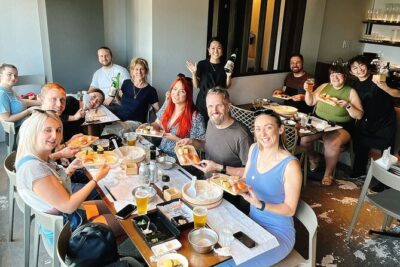
Sushi Making Tokyo Roll and Authentic Japanese Sushi Class
Read our review →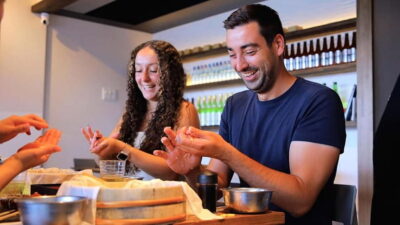
Roll and Authentic Sushi Making Class in Asakusa
Read our review →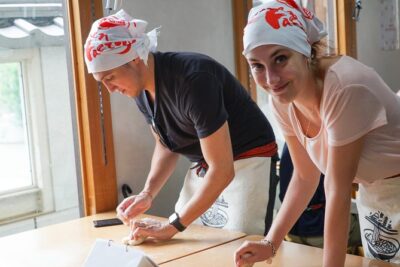
Ramen Cooking Class at Ramen Factory in Kyoto
Read our review →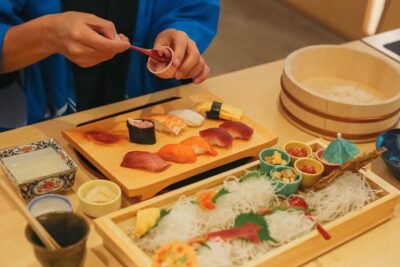
Sushi Making Class in a Happi Coat near a Famous Spot
Read our review →
Sushi Making Osaka Roll and Authentic Japanese Sushi Class
Read our review →
Tokyo Sushi Making Class in Tsukiji with Professional Chef
Read our review →
Ramen & Gyoza Cooking Class in Tokyo with Local Supermarket Visit
Read our review →Browse the lists this tour appears in