
Reviewed · COOKING CLASSES
Kyoto: Sushi Making Class with Sushi Chef
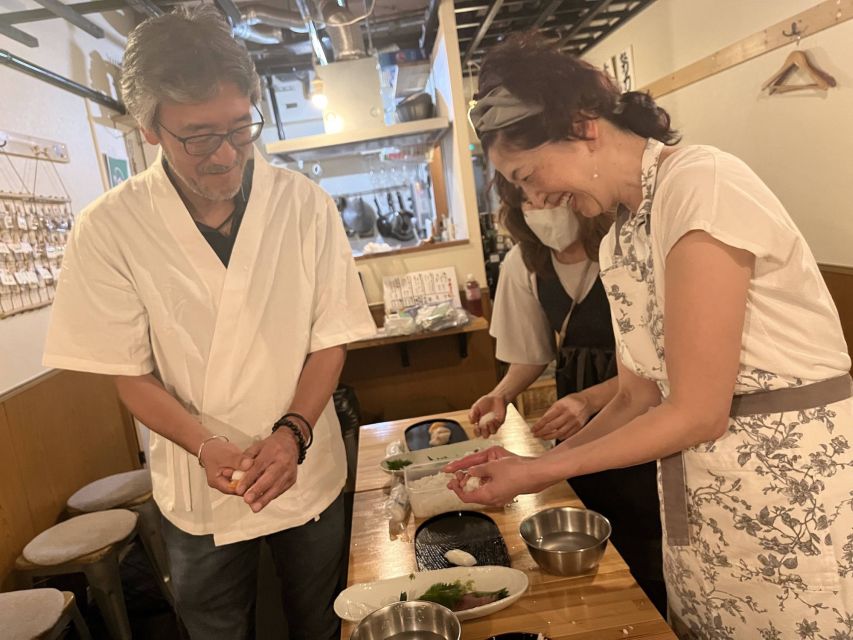
Sushi is harder than it looks. This Kyoto class makes the craft friendly, hands-on, and tasty, with a real sushi chef guiding you from practice toy to finished plate. I especially like the fresh fish bought at Kyoto Central Wholesale Market and the patient, personal teaching from chefs such as Hide, Yutaka, Yone, Nami, and Yukihide. I also like that photos and videos are taken for you, so you can keep your hands on the rice instead of reaching for your phone.
The class suits families, couples, and first-time sushi makers, and children can take part. The main consideration is that you do not prepare the rice or cut the fish yourself. If you want a full chef-training session, that may feel limited. For most people, though, the focus on shaping nigiri and rolling maki keeps the experience relaxed and achievable.
In This Review
- Key Points Before You Book
- Starting Near Shijo Karasuma
- From a Plastic Model to Real Nigiri
- Making Maki With a Special Tool
- Eating the Sushi You Just Made
- A Real Chef Makes the Difference
- How Long the Class Takes
- Is $74 a Good Value?
- Who Will Enjoy This Most
- Booking Details That Matter
- My Verdict: Book It for Skill, Food, and a Personal Lunch
- FAQ
- Where does the sushi-making class meet?
- How long does the class last?
- Is the class taught in English?
- What sushi will I make?
- Is food included?
- Can people with food allergies join?
Key Points Before You Book
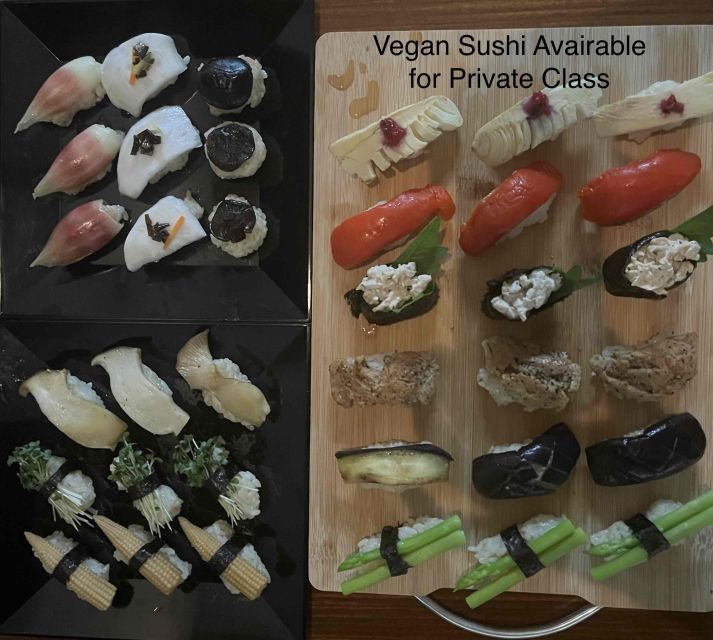
- Fresh fish from Kyoto Central Wholesale Market: The fish is purchased early each morning and prepared shortly before class.
- A gentle start with a sushi practice toy: You learn the basic hand movement before handling real rice and fish.
- Nigiri and maki are both included: You make hand-formed sushi first, then use a special tool for a sushi roll.
- Small groups of up to eight people: The format allows the chef to watch your technique and help when your rice starts misbehaving.
- A meal at the end: You eat the sushi you make, with tea or water and Japanese-style dashi soup.
- Useful take-home lessons: The chefs also explain sushi etiquette, how to eat sushi, and, in some classes, the different fish and knives being used.
Starting Near Shijo Karasuma
The class uses two venues around Shijo Karasuma in central Kyoto. Your exact meeting point depends on the number of people booked, and the organizers send a Google Maps link by email before the class.
That arrangement is practical, but it means you should not assume the venue until you receive the message. Check your email before setting out, and allow enough time to find the correct building. At the meeting time, look for the welcome board.
The area is a useful base for a Kyoto day. Shijo Karasuma is well connected and close to shopping streets, restaurants, and central city sights. One class location has been described as cozy and welcoming, with a view over the river. The exact setting can vary, so consider the food lesson the main event rather than booking for a guaranteed view.
The group is limited to eight participants. That matters here. Sushi shaping requires small corrections, and a crowded room would make it harder to see the chef’s hands or get individual help. With a small group, you have a better chance of asking questions and receiving guidance instead of simply copying from a distance.
More Cooking Classes in Kyoto
- Ramen Cooking Class at Ramen Factory in Kyoto
★ 5.0 · 1,937 reviews - Sushi Making in Kyoto! Same-day bookings welcome!
★ 5.0 · 713 reviews - Kyoto: Ramen Cooking Class at a Ramen Factory with Souvenir
★ 4.9 · 532 reviews
From a Plastic Model to Real Nigiri
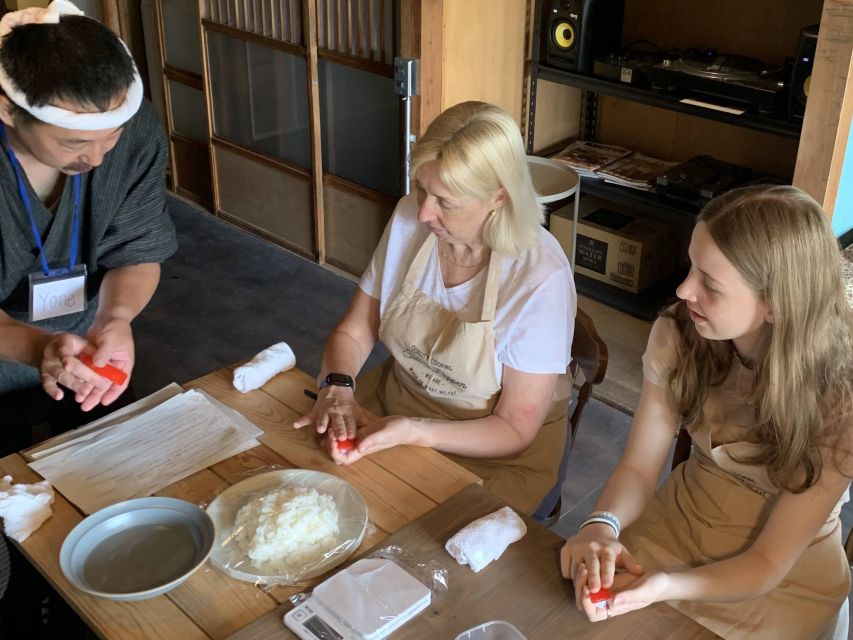
The class begins with a practice stage using a sushi sample toy. This may sound like a child’s game, but it is a smart way to remove pressure. You can learn how to position the rice and fish before worrying about whether your first real piece looks like something from a restaurant.
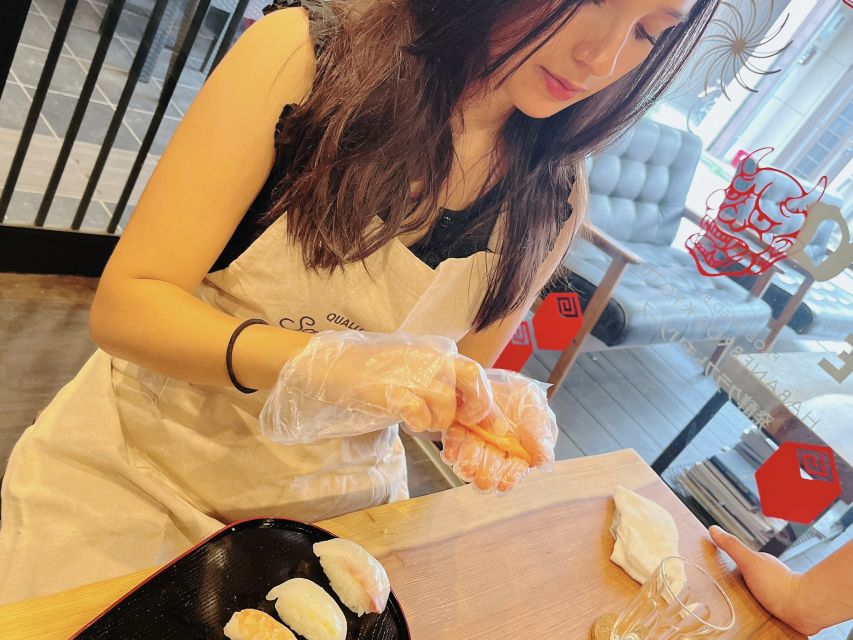
After that rehearsal, the chef moves you to real nigiri sushi. You work step by step, with the chef demonstrating the basic method and correcting your hand position as needed. The aim is not to turn you into a professional sushi chef in one afternoon. It is to help you understand the balance between rice, fish, pressure, and shape.
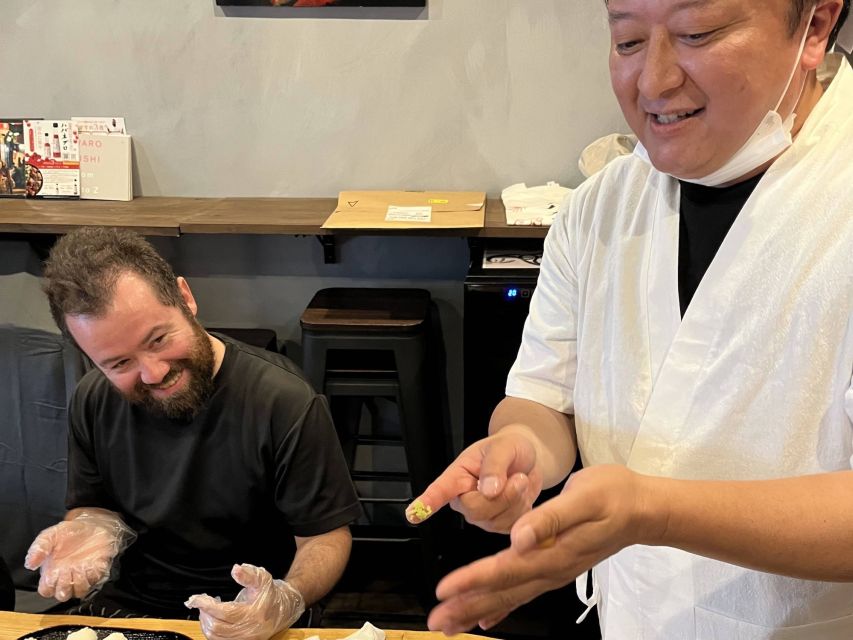
That hands-on part receives the strongest praise for good reason. Chefs Hide and Yutaka are repeatedly described as calm, friendly, and easy to follow. Nami is especially good with younger participants, and several families found the class patient and fun for children. If you are nervous about making food in front of other people, the teaching style should help.
The fish is bought fresh each morning at Kyoto Central Wholesale Market and prepared just before class. That detail gives the lesson more meaning than a standard cooking demonstration using ingredients brought in days earlier. You get to handle the food you will eat, and the chef can explain what you are working with.
One useful lesson from Hide includes an explanation of the different fish, the knives used for particular jobs, and the reasons behind certain techniques. The fish is already cut for you, so you are learning the sushi assembly rather than fish butchery. That is a limitation, but it also keeps the class manageable within a short session.
Making Maki With a Special Tool
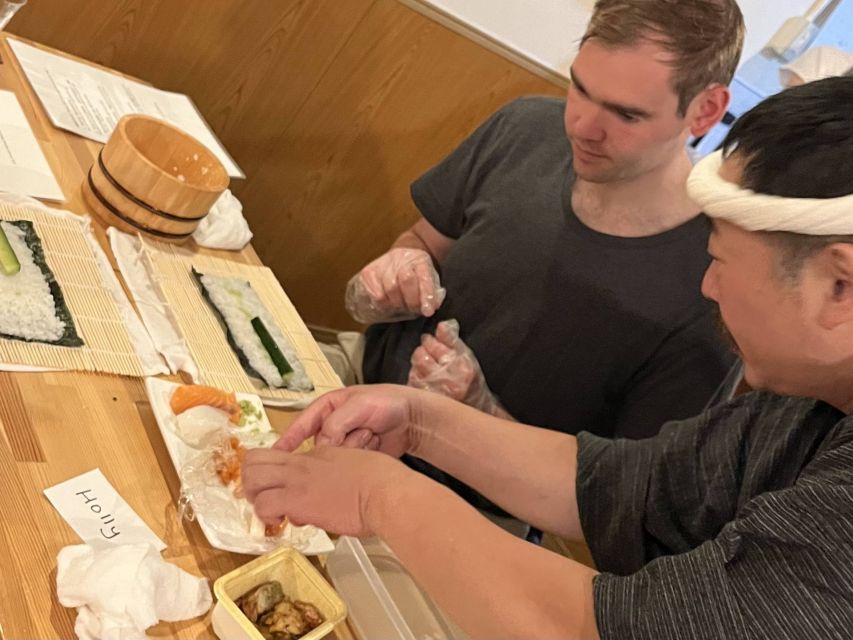
Once the nigiri is complete, you make a sushi roll. A special tool helps you shape the roll, which is good news if your first attempt at rolling seaweed by hand usually ends in a loose cylinder and rice on the table.
The class covers three types of sushi according to one family’s account, with nigiri and maki clearly included. You make the pieces yourself from the prepared ingredients, then arrange them on a sushi plate.
I like this progression because it gives you two different sushi skills. Nigiri teaches careful hand shaping, while maki gives you a more structured method. The toy practice at the start also means children and beginners can join without needing prior kitchen experience.
Still, you should know what the class does not cover. You do not prepare the rice, and you do not cut the fish. One participant specifically wished for those steps and would have paid extra to learn them. If your goal is to understand every stage from whole fish to seasoned rice, ask about that before booking or choose a longer cooking course.
For a first introduction, the existing format is sensible. The chef can spend time on technique, food handling, and etiquette rather than rushing through several complicated preparations.
Eating the Sushi You Just Made
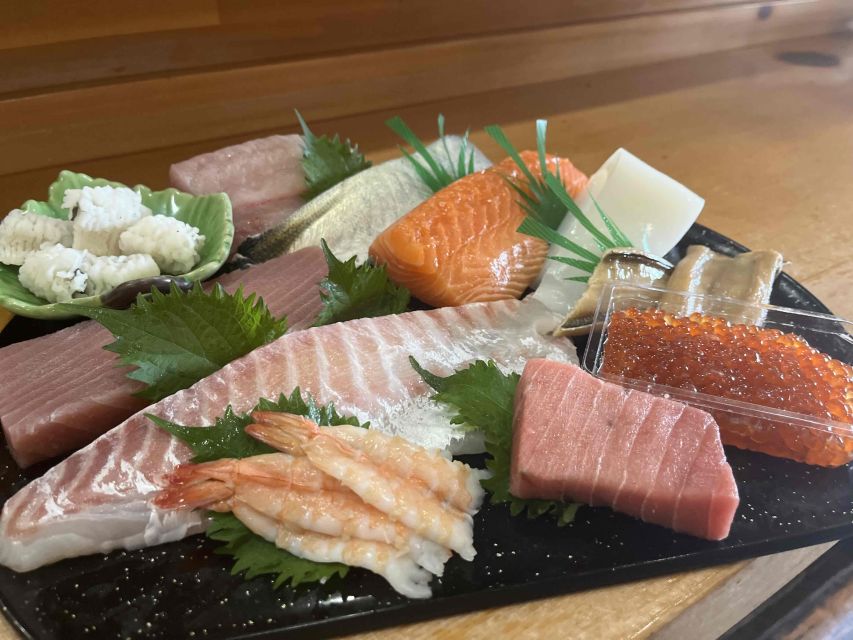
The final stage turns the class into lunch. You decorate your sushi plate, sit down, and eat what you have prepared. Tea or water and Japanese-style dashi soup are included.
That meal is more than a reward for finishing the lesson. It lets you see how small differences in rice pressure and shaping affect the finished piece. You also get a chance to practice eating sushi in the way the chef has explained.
Several chefs include guidance on sushi etiquette and how to eat at a sushi restaurant. That can be useful if you have enjoyed sushi in Japan but felt unsure about chopsticks, soy sauce, ginger, or the order of eating. The lesson is not only about producing attractive food. It gives you a little more confidence at your next sushi counter.
The fish quality is another strong point. People who are not normally enthusiastic about raw fish have enjoyed the meal, which says something about the freshness and preparation. Of course, tastes vary, and anyone with a food allergy should not book this activity. Strong fragrances are also not allowed, a sensible rule in a small room where food and scent are close together.
Gluten-free needs have been accommodated in the past, but you should communicate any dietary requirement in advance. The available information specifically warns that the class is not suitable for people with food allergies, so do not treat an accommodation for gluten as a guarantee for every dietary concern.
A completely different kind of day out:
- PERFECT KYOTO 1-Day Bus Tour
★ 5.0 · 13,518 reviews - [Kyoto & Nara Day Tour] Sagano Scenic Railway & Nara Park & Fushimi Inari Taisha Thousand Torii Gates & Togetsukyo Bridge & Bamboo Grove & Kimono Forest (Departing from Osaka)
★ 4.9 · 10,942 reviews - Kyoto: Fushimi Inari, Kinkakuji, Bamboo Grove 1 Day Bus Tour
★ 4.8 · 4,316 reviews - Kyoto: Tea Ceremony in a Traditional Tea House in Kiyomizu
★ 4.9 · 3,519 reviews
A Real Chef Makes the Difference
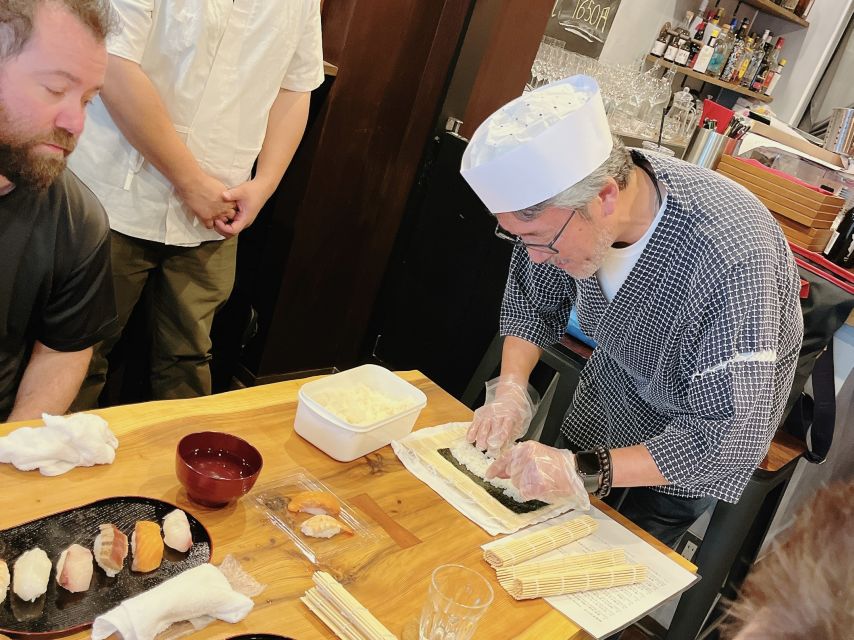
The teaching is the heart of this experience. Hide receives especially warm praise for his relaxed manner, decades of experience, and ability to explain both the practical steps and the reasons behind them. Yutaka is also described as an excellent teacher, while Yone and Yukihide are praised for friendly, clear instruction.
The names matter because the tone of the class may depend on the chef leading it. The consistent pattern is a patient instructor who demonstrates slowly and gives each person time to try. That makes the class approachable for a five-year-old, a teenager, or an adult who has never touched sushi rice.
The chefs also add context beyond the recipe. You may learn about the fish, knives, dining manners, and ways to eat sushi properly. One German-speaking participant with gluten concerns also received help with restaurant translation for the rest of a Kyoto stay. That is a thoughtful extra, although it should not be treated as a promised service for every booking.
Photos and videos are taken during the class and shared afterward. I see this as a useful benefit rather than a gimmick. Your hands are busy, and asking a companion to document every step would interrupt the lesson. You can focus on shaping the sushi and still receive a record of the experience later.
How Long the Class Takes
The stated duration ranges from 90 minutes to three hours. That is a wide spread, so check the available start times and the duration shown for your selected booking.
A 90-minute session would suit a tight Kyoto schedule, especially if you are fitting the class between central city sights. A longer session may leave more room for questions, individual help, photographs, and a relaxed meal. Do not build an important train connection around the shortest possible timing unless your booking clearly confirms it.
The class is a good break from sightseeing because it is focused and indoors. It also gives you something active to do instead of simply eating another meal at a restaurant. The finished sushi makes the experience feel personal, even though the chef has prepared the rice, fish, and other ingredients for you.
Is $74 a Good Value?
At $74 per person, this is not the cheapest lunch in Kyoto. You are paying for more than the food, though. The price includes instruction from a sushi chef, fresh fish purchased at the wholesale market, the sushi you make and eat, tea or water, dashi soup, and shared photo data.
The value is strongest if you want a food experience rather than a simple meal. You receive direct instruction, a small-group setting, and enough structure to make both nigiri and maki. The market-sourced fish also gives the lunch a quality that would be difficult to compare with an ordinary takeaway meal.
Families may find the price easier to justify because it combines entertainment, a lesson, and lunch. Parents also do not need to take photos throughout, since the class includes that service. Couples and solo visitors can get similar value if they enjoy practical activities and want to take home a skill they can practice.
The value is weaker for experienced home cooks who want to prepare every ingredient. Since the rice and fish are ready for you, the class is about assembly and presentation rather than a complete sushi apprenticeship. That is the central tradeoff.
Who Will Enjoy This Most
I would recommend the class to:
- Families with children who can follow simple demonstrations
- First-time sushi makers
- Couples looking for a shared activity
- Teenagers who enjoy making their own lunch
- People curious about Japanese dining manners
- Visitors who want a small group instead of a large demonstration
- Anyone who wants to try raw fish in a guided setting
It is less suitable for anyone with food allergies, and it may disappoint advanced cooks who want to season sushi rice or fillet fish. Strong perfume and other fragrances are not allowed, so arrive without them.
The class also works well for people who do not usually eat raw fish. The fresh ingredients and chef guidance have helped hesitant eaters enjoy the finished sushi. Still, this is a sushi class, not a cooked-food alternative, so you should be comfortable with the food style before reserving.
Booking Details That Matter
English and Japanese instruction is available. The group size is capped at eight, which is small enough for personal help but large enough that the feel can change depending on the mix of families, couples, and solo participants.
You can cancel up to two days in advance for a full refund. That is useful if your Kyoto schedule is still shifting, but check the exact booking time and cancellation deadline when you reserve.
The two-venue system means you need to read the location email carefully. Save the Google Maps link, confirm the meeting point, and look for the welcome board. This is not a complicated meeting arrangement, but arriving at the wrong Shijo Karasuma location would be an avoidable start to the class.
My Verdict: Book It for Skill, Food, and a Personal Lunch
I would book this class if I wanted a friendly, practical introduction to sushi in Kyoto. The strongest reasons are the fresh fish, the patient chefs, the small group, and the chance to eat a meal made by your own hands.
I would not book it if I expected to learn fish cutting, rice preparation, or professional knife work. For that, you need a longer and more technical course.
For most visitors, the $74 price is fair because it combines a lesson, a meal, a chef’s guidance, and photos. Families should be especially happy with it, and beginners can expect enough help to make attractive sushi without feeling tested. The high rating of 4.8 from 64 bookings fits the experience described by the available details: warm teaching, good ingredients, and a memorable break from ordinary sightseeing.
FAQ
Where does the sushi-making class meet?
The class uses two venues around Shijo Karasuma. The specific venue depends on the number of participants, and you receive a Google Maps link by email. At the meeting time, look for the welcome board.
How long does the class last?
The duration ranges from 90 minutes to three hours. Check the available booking options for the exact starting time and length of your session.
Is the class taught in English?
Yes. Instruction is available in English and Japanese.
What sushi will I make?
You practice making nigiri sushi and then make a sushi roll using a special tool. You finish by arranging the sushi on a plate and eating it as lunch.
Is food included?
Yes. You eat the sushi you prepare, and tea or water plus Japanese-style dashi soup are included.
Can people with food allergies join?
The class is not suitable for people with food allergies. Strong fragrances are also not allowed. If you have another dietary concern, contact the provider before booking.
Just added in Kyoto
- The “Golden Route” and Ancient Japan by DIAMIR Erlebnisreisen – 14-Day Tour★ 2.0 · 2 reviews
- Japan: Castles & Cuisine by G Adventures – 6-Day Kyoto to Osaka Tour★ 4.5 · 4 reviews
- Cycle Japan by Explore! – 13-Day Kyoto to Tokyo Tour★ 4.7 · 12 reviews
- Cycle Japan by Intrepid Travel – 11-Day Kyoto to Tokyo Tour★ 4.8 · 2 reviews
- Classic Japan by Intrepid Travel – 11-Day Kyoto to Tokyo Tour★ 4.4 · 14 reviews
- Ancient & Modern Japan 14-Day Tour by Exodus Adventure Travels★ 4.4 · 40 reviews
- 5 Day Cultural Adventure of Kyoto, Nara & Osaka by Tourist Journey★ 2.5 · 2 reviews
- 12 Days Kinosaki Onsen Escape: A Journey Through Japan’s Timeless Towns by UME Travel★ 4.8 · 5 reviews
Cooking Classes, compared.
Sushi Making Tokyo Roll and Authentic Japanese Sushi Class
Read our review →
Roll and Authentic Sushi Making Class in Asakusa
Read our review →
Ramen Cooking Class at Ramen Factory in Kyoto
Read our review →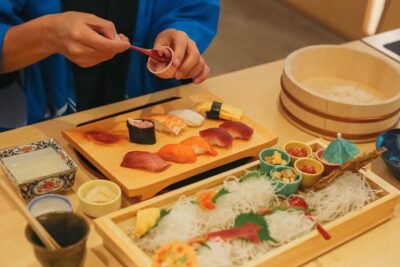
Sushi Making Class in a Happi Coat near a Famous Spot
Read our review →
Sushi Making Osaka Roll and Authentic Japanese Sushi Class
Read our review →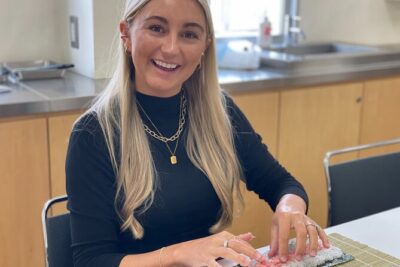
Tokyo Sushi Making Class in Tsukiji with Professional Chef
Read our review →
Ramen & Gyoza Cooking Class in Tokyo with Local Supermarket Visit
Read our review →Browse the lists this tour appears in