
Reviewed · COOKING CLASSES
Near Fushimiinari: Kyoto Home Cooking Class & Supermarket tour
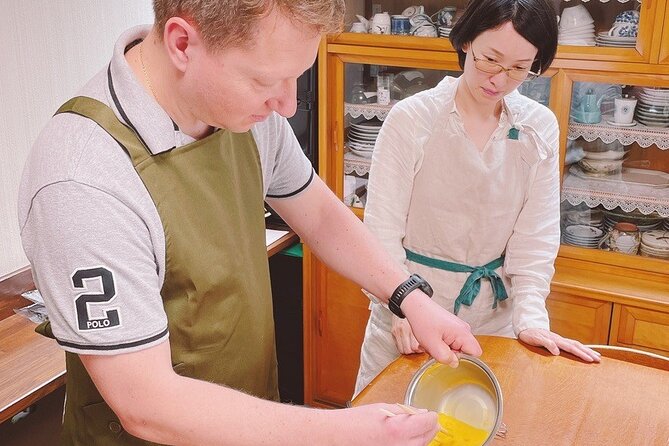
Kyoto tastes better from a home kitchen. This four-hour class near Fushimi Inari Shrine gives you two things I especially like: hands-on practice with about five Japanese dishes, and a guided supermarket visit that explains the ingredients you just used. You also eat lunch in a traditional room with a garden view, which makes the meal feel more personal than a restaurant stop.
The main consideration is the price, about $118.92 per person. That is a serious spend for lunch, but it includes instruction, ingredients, taxes, recipes, and the supermarket visit. Drinks and gratuity cost extra, and the class begins at 9:30 a.m., so you will need to plan your morning around it.
In This Review
- What makes this Kyoto class worth considering
- Starting near Fushimi Inari at 9:30 a.m.
- Entering a traditional Kyoto home
- Learning dashi before the cooking begins
- Preparing five Japanese dishes by hand
- Lunch on tatami with a garden view
- A 30-minute supermarket lesson near Fushimi Inari
- Miho and the teaching style
- What the $118.92 price includes
- Who should book this experience
- Final verdict: a practical taste of Kyoto at home
- FAQ
- Where does the Kyoto cooking class begin?
- What time does the experience start?
- How many people can join the class?
- Is the class taught in English?
- Is lunch included?
- Can I cancel for a full refund?
What makes this Kyoto class worth considering
- You start with dashi: Learn about the Japanese soup stocks used across the country’s cooking.
- You prepare about five dishes: The format is practical, with demonstrations followed by your own cooking.
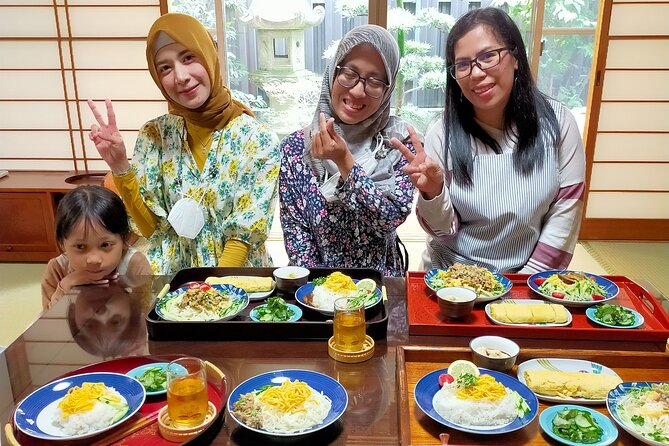
- You eat in a traditional Japanese room: Tatami flooring, a tokonoma display area, and a garden view add a sense of place.
- The supermarket visit solves a real problem: Japanese packaging and unfamiliar ingredients can be hard to sort out alone.
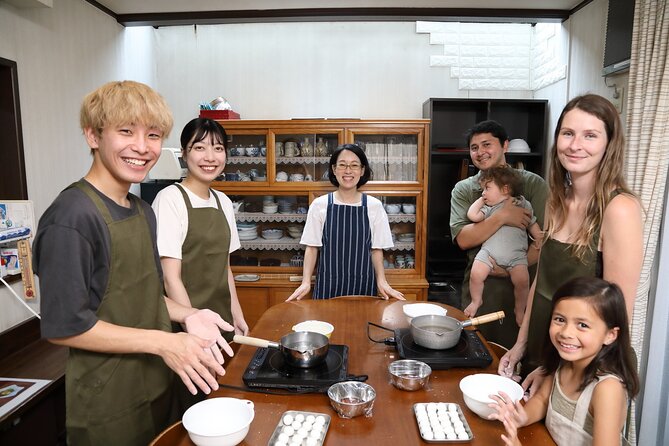
- The group is limited to six people: You have a better chance to ask questions and get help at the stove.
- Miho is a strong host: Her clear English, friendly manner, and willingness to explain local customs receive repeated praise.
Starting near Fushimi Inari at 9:30 a.m.
The meeting point is at 38-4 Fukakusa Watamoricho in Fushimi Ward, a location near public transportation and Fushimi Inari Shrine. The class starts at 9:30 a.m. and ends back at the same meeting point after the supermarket visit.
That location works well if you are already planning to visit Fushimi Inari. You can place the cooking class before or after time at the shrine, but do not assume you will have a relaxed morning for both. A four-hour activity beginning at 9:30 takes up most of the late morning and early afternoon.
The experience has a maximum of six participants. I consider that one of its most useful details. A small group means you are not simply watching a chef work from across a room. You can ask about knife work, seasoning, ingredients, and substitutions while you are preparing food.
The class is conducted in English, and the instructors are licensed guide interpreters. That matters here because the lesson covers more than a list of recipes. You will hear explanations about dashi, Japanese food customs, and supermarket products, all of which are easier to appreciate when the language is clear.
More Cooking Classes in Kyoto
- Ramen Cooking Class at Ramen Factory in Kyoto
★ 5.0 · 1,937 reviews - Sushi Making in Kyoto! Same-day bookings welcome!
★ 5.0 · 713 reviews - Kyoto: Ramen Cooking Class at a Ramen Factory with Souvenir
★ 4.9 · 532 reviews
Entering a traditional Kyoto home
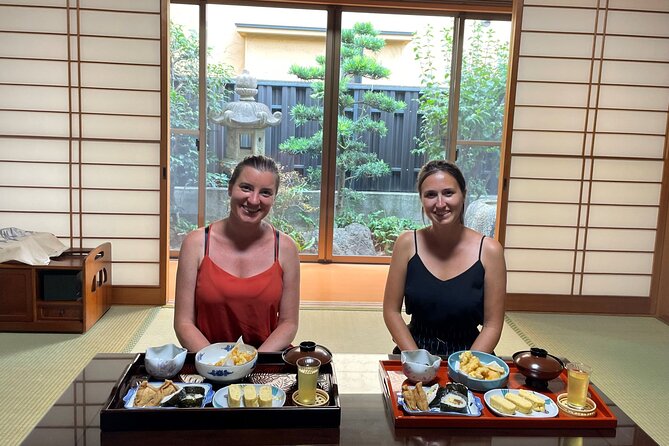
The setting is one of the strongest parts of the experience. You cook in a local Japanese home, then eat in a traditional room with tatami flooring, a tokonoma display area, and a view of a Japanese garden.
This gives the class a cultural value that a standard cooking studio cannot quite match. You are seeing how the meal fits into a Japanese home setting, not just learning how to reproduce a dish. The room also provides a calm place to sit together after the work is done.
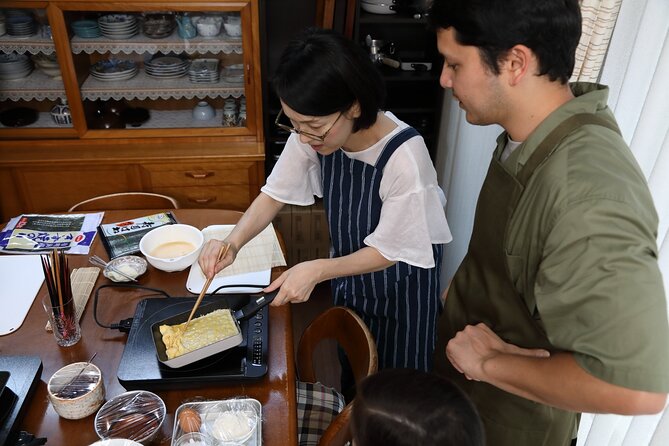
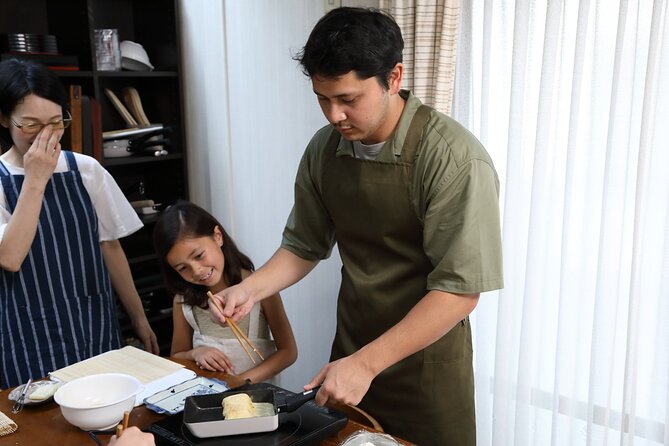
The kitchen itself is where the practical part happens. Your instructor demonstrates techniques before you begin, then you prepare the dishes alone or with a partner. That arrangement should suit both confident home cooks and beginners who prefer to watch a step first.
You may receive water and Japanese snacks when you arrive, as one detailed account describes. That is a pleasant touch, though the listed inclusions do not cover drinks as part of the tour. If you want something besides the included food, bring money for a beverage.
Learning dashi before the cooking begins
The first lesson focuses on dashi, the family of Japanese soup stocks found in much of the country’s cooking. This is a smart starting point because dashi helps explain why many Japanese dishes taste savory without relying on heavy sauces.
You are not simply handed a finished stock and told to use it. The lesson introduces the different types of dashi, giving you a better idea of how Japanese cooks build flavor. For anyone who has enjoyed miso soup or other Japanese dishes but never understood the base, this can be the most useful part of the morning.
The emphasis on dashi also makes the class more educational than a recipe demonstration. You begin to see how one basic preparation can connect several dishes. That kind of context helps you cook with more confidence once you return home.
Preparing five Japanese dishes by hand
After the demonstrations, you prepare roughly five dishes. The exact menu can vary, but the dishes described include miso soup, matcha, sushi, spinach salad, tempura, and mochi. One class also included mochi ice, which adds a playful dessert at the end.
This range gives you a broad look at Japanese cooking. Sushi introduces careful preparation and presentation. Tempura teaches a different approach to texture and frying. Miso soup brings the dashi lesson into a familiar bowl, while spinach salad shows how a simple side dish can depend on the right dressing and seasoning.
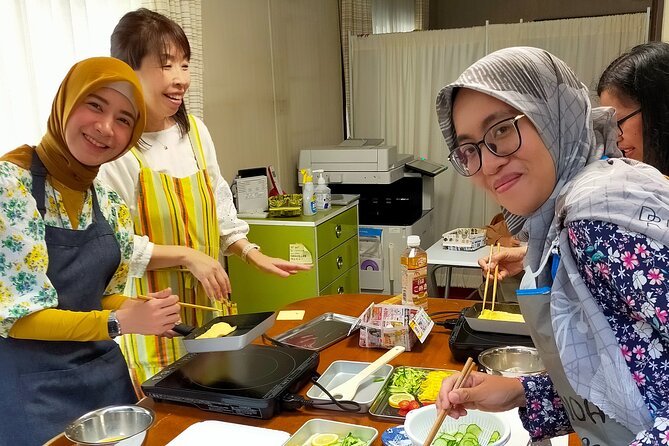
The class is hands-on, but you may work alone or with a partner. That can be a plus if you like meeting people, especially if you are exploring Kyoto on your own. It can also mean that the amount of individual stove time depends partly on the group and the way tasks are divided.
I like the mix of dishes because it avoids making the class all about one showy recipe. You get several techniques to take home, and the recipes are sent to participants so you can prepare the food again for family or friends.
The cooking seems designed to be approachable. One account describes the dishes as simple to follow, while another praises the clear instruction and useful techniques. You should still expect to pay attention and participate. This is not a meal where you sit back and watch someone else do the work.
A completely different kind of day out:
- PERFECT KYOTO 1-Day Bus Tour
★ 5.0 · 13,518 reviews - [Kyoto & Nara Day Tour] Sagano Scenic Railway & Nara Park & Fushimi Inari Taisha Thousand Torii Gates & Togetsukyo Bridge & Bamboo Grove & Kimono Forest (Departing from Osaka)
★ 4.9 · 10,942 reviews - Kyoto: Fushimi Inari, Kinkakuji, Bamboo Grove 1 Day Bus Tour
★ 4.8 · 4,316 reviews - Kyoto: Tea Ceremony in a Traditional Tea House in Kiyomizu
★ 4.9 · 3,519 reviews
Lunch on tatami with a garden view
Once the food is prepared, you sit together and eat lunch in the traditional room. The garden view and tatami floor turn the meal into part of the cultural experience, rather than a quick bite between activities.
The menu is the food you have made, so lunch has a satisfying sense of ownership. You know what went into each dish because you prepared it yourself. That is particularly rewarding with tempura, sushi, or mochi, where the final result reflects the techniques you practiced only a short time earlier.
The class can cater to vegetarians, according to the information provided. If that is important to you, communicate your needs when booking so the instructor can prepare appropriately. No broader list of dietary accommodations is provided, so do not assume every restriction can be handled.
Drinks are not included. The meal itself is included, along with the cooking ingredients and seasonings, but you should budget separately for anything you want to drink and for gratuity.
A 30-minute supermarket lesson near Fushimi Inari
After lunch, you walk to a local supermarket for about 30 minutes. This short visit is more useful than it may sound. Japanese grocery stores can be confusing at first, with unfamiliar labels, multiple kinds of miso, cooking products you may not recognize, and packaging that offers little help if you cannot read Japanese.
Your instructor points out the ingredients used in class and explains what you are seeing. You can also buy products to recreate the dishes at home. That turns the supermarket stop into a practical shopping lesson instead of a quick look around.
I see this as one of the best reasons to choose this experience over a cooking class alone. A recipe is helpful, but it does not always tell you which package to buy in Kyoto. Having the instructor beside you can save time and prevent a disappointing purchase.
The visit is brief, so you should not expect a full food tour or a long examination of every aisle. Its purpose is focused: identify the ingredients from the class and help you understand how to shop for them. If you want to buy something, keep the short time limit in mind.
Miho and the teaching style
Miho receives especially warm praise for her care, friendliness, and clear English. She explains the cooking steps in a way that beginners can follow, while also answering questions about Japanese food and customs.
Her role seems to extend beyond teaching recipes. She helps explain what you are seeing in the supermarket and can assist with choosing products. That is valuable when you want to continue cooking after leaving Kyoto.
The instructors are described as licensed guide interpreters, and the class is conducted entirely in English. The language support should make the experience comfortable for English-speaking participants. The information also says the class allows non-English speakers, though it does not explain how interpretation is handled for other languages.
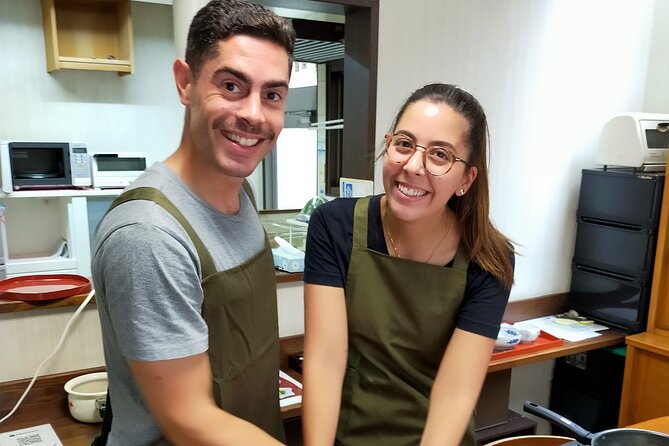
The small group gives Miho and the other instructors room to offer personal help. With up to six people, you can ask about a technique without waiting behind a large crowd. Solo visitors may also find the shared cooking and meal a natural way to meet other people.
What the $118.92 price includes
At $118.92 per person, this is not a bargain lunch. You are paying for a four-hour cultural activity, not simply for the food on your plate.
The fee includes:
- Lunch
- Cooking ingredients and seasonings
- All fees and taxes
- An English-speaking instructor
- The approximately 30-minute supermarket visit
- Recipes to use after the class
The value improves if you want more than a meal. You receive instruction, cultural background, a home setting, a small group, and help identifying ingredients for future cooking. The supermarket visit also adds something that many cooking classes leave out.
The cost may feel high if you are mainly looking for an inexpensive introduction to Japanese food. In that case, a casual lunch and a visit to a market could cost less. This class makes more sense if you want personal instruction, a social activity, and recipes you can use later.
The lack of hotel pickup keeps the price from including a transport service. You are responsible for reaching the meeting point and returning from it, though the location is near public transportation.
Who should book this experience
I would recommend this class to solo visitors, couples, families, and anyone who wants a slower cultural activity near Fushimi Inari. The group limit makes it suitable for people who prefer direct contact with an instructor rather than a large demonstration.
It is also a good fit if you cook at home and want recipes that can travel beyond your Japan trip. The supermarket lesson helps you find the right products, and the recipes give you a useful reminder after you return home.
Vegetarians can also consider it because vegetarian adaptations are available. You should state your needs in advance rather than wait until the class begins.
This may not suit you if you dislike group activities, have very little time in Kyoto, or want a formal restaurant meal without preparation. You also need to be ready for a four-hour commitment, active participation, and a separate cost for drinks and gratuity.
The weather policy deserves a quick note. The experience requires good weather, and if poor conditions cause a cancellation, you are offered another date or a full refund. You can cancel for a full refund up to 24 hours before the start time, but later cancellations and changes are not accepted.
Final verdict: a practical taste of Kyoto at home
You should book this class if you want to understand Japanese food from the inside out. The strongest combination is the traditional home, the hands-on preparation, Miho’s clear instruction, and the supermarket visit that shows you how to continue cooking after Kyoto.
The price is the main hurdle, and the class will not suit anyone seeking a cheap meal or a short activity. But for a four-hour cultural experience with lunch, recipes, a small group, and practical shopping help, it offers solid value.
I would especially choose it early in a Kyoto visit. You can use the supermarket advice and recipes during the rest of your stay, and the class gives you a more grounded connection to everyday Japanese food than another restaurant meal. Plan around the 9:30 start, bring extra money for drinks, and leave room in your bag for ingredients you may want to take home.
FAQ
Where does the Kyoto cooking class begin?
The class begins at 38-4 Fukaksa Watamoricho, Fushimi Ward, Kyoto, 612-0022, Japan. It is near public transportation and Fushimi Inari Shrine.
What time does the experience start?
The start time is 9:30 a.m. The complete experience lasts approximately four hours.
How many people can join the class?
The class has a maximum of six participants.
Is the class taught in English?
Yes. The classes are conducted entirely in English, and the instructors are licensed guide interpreters.
Is lunch included?
Yes. Lunch is included, along with the ingredients and seasonings used for cooking. Drinks are not included.
Can I cancel for a full refund?
Yes. You can cancel at least 24 hours before the experience start time for a full refund. Cancellations or changes made less than 24 hours before the start are not accepted.
Just added in Kyoto
- The “Golden Route” and Ancient Japan by DIAMIR Erlebnisreisen – 14-Day Tour★ 2.0 · 2 reviews
- Japan: Castles & Cuisine by G Adventures – 6-Day Kyoto to Osaka Tour★ 4.5 · 4 reviews
- Cycle Japan by Explore! – 13-Day Kyoto to Tokyo Tour★ 4.7 · 12 reviews
- Cycle Japan by Intrepid Travel – 11-Day Kyoto to Tokyo Tour★ 4.8 · 2 reviews
- Classic Japan by Intrepid Travel – 11-Day Kyoto to Tokyo Tour★ 4.4 · 14 reviews
- Ancient & Modern Japan 14-Day Tour by Exodus Adventure Travels★ 4.4 · 40 reviews
- 5 Day Cultural Adventure of Kyoto, Nara & Osaka by Tourist Journey★ 2.5 · 2 reviews
- 12 Days Kinosaki Onsen Escape: A Journey Through Japan’s Timeless Towns by UME Travel★ 4.8 · 5 reviews
Cooking Classes, compared.
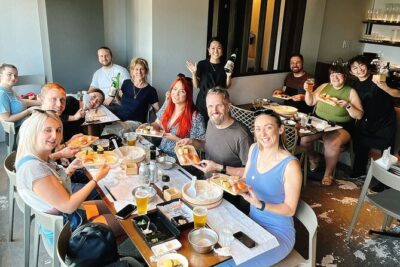
Sushi Making Tokyo Roll and Authentic Japanese Sushi Class
Read our review →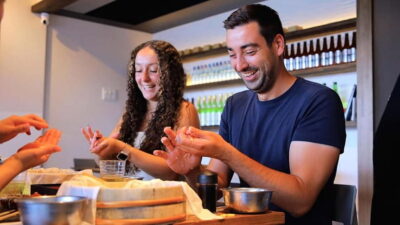
Roll and Authentic Sushi Making Class in Asakusa
Read our review →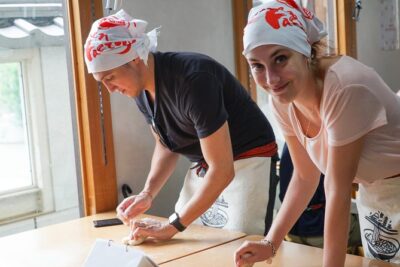
Ramen Cooking Class at Ramen Factory in Kyoto
Read our review →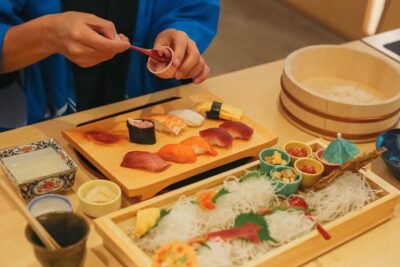
Sushi Making Class in a Happi Coat near a Famous Spot
Read our review →
Sushi Making Osaka Roll and Authentic Japanese Sushi Class
Read our review →
Tokyo Sushi Making Class in Tsukiji with Professional Chef
Read our review →
Ramen & Gyoza Cooking Class in Tokyo with Local Supermarket Visit
Read our review →Browse the lists this tour appears in