
Reviewed · COOKING CLASSES
Private Cooking Class Udon in Kyoto Japan
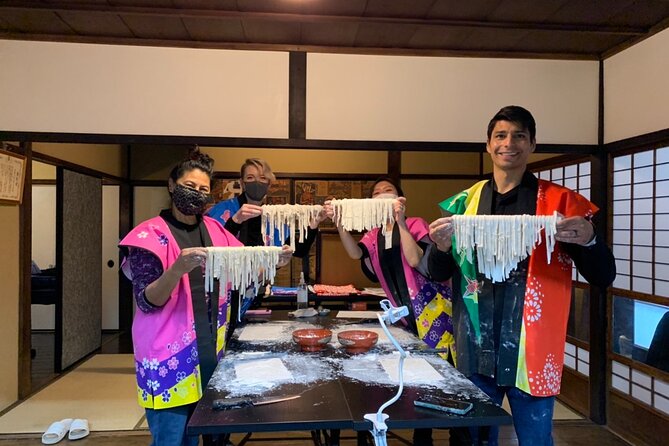
Fresh noodles taste better when you make them yourself. This Kyoto class combines handmade udon with a visit to a 120-year-old traditional house, just a short walk from Kyoto Station. I like the lively teaching style, especially the encouragement from Tanaka-san, and I like that you eat the noodles you prepared rather than watching a cooking demonstration from the sidelines.
The class is especially good for families because children can take part without handling boiling water. The main thing to keep in mind is timing: the hands-on lesson lasts about an hour, but lunch and the time afterward can stretch the visit to roughly 1.5 to 2 hours.
In This Review
- Key points at a glance
- A traditional Kyoto house near Kyoto Station
- What happens during the one-hour udon class
- The meal makes the class worth more than a demonstration
- Why families tend to enjoy this Kyoto activity
- A friendly lesson with Kyoto character
- How long you should allow at noon
- Is $60.43 a fair price?
- Small details that improve the experience
- Who should book this udon experience?
- Should you book it?
- FAQ
- Where does the udon class meet?
- What time does the class start?
- How long does the experience last?
- Do participants make the tempura and broth?
- Is the class suitable for children?
- What is the cancellation policy?
Key points at a glance
- A 130-year-old Kyoto setting: Learn in a renovated traditional Japanese house near Nishi Honganji Temple.
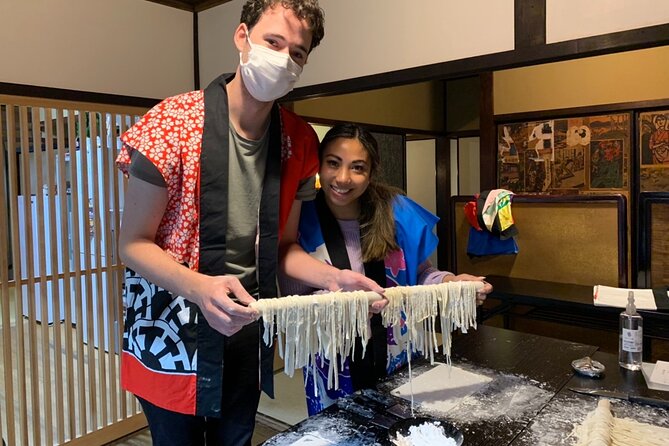
- Udon from flour to bowl: Mix saltwater, work the dough with your feet, roll it, cut it, and prepare it for cooking.
- Friendly local instruction: Tanaka-san and her assistants make the steps easy to follow in English.
- A proper meal afterward: Your noodles are served with dashi dipping broth, grated ginger, green onion, and vegetable tempura.
- Good for children: The class avoids having participants boil the noodles, so younger children can join in safely.
- Useful take-home skill: The recipe is provided, and the process is simple enough to repeat at home.
A traditional Kyoto house near Kyoto Station
The location does a lot of the work before the cooking begins. You meet at 364 Momijicho in Shimogyo Ward, about a 12-minute walk from Kyoto Station and only two minutes from Nishi Honganji Temple. That makes this a practical midday activity, especially if you are staying near the station or planning to visit the temple before or after class.
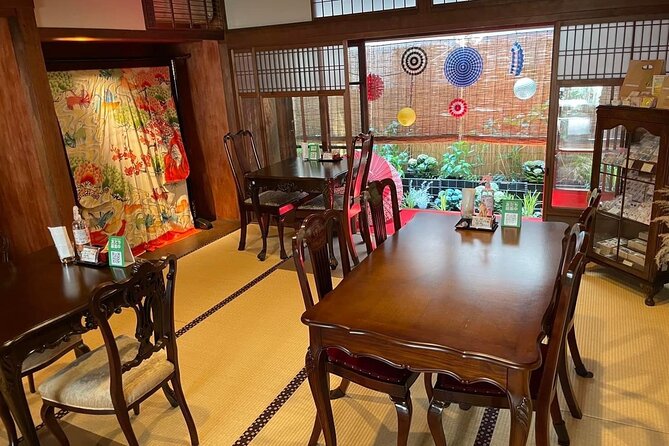
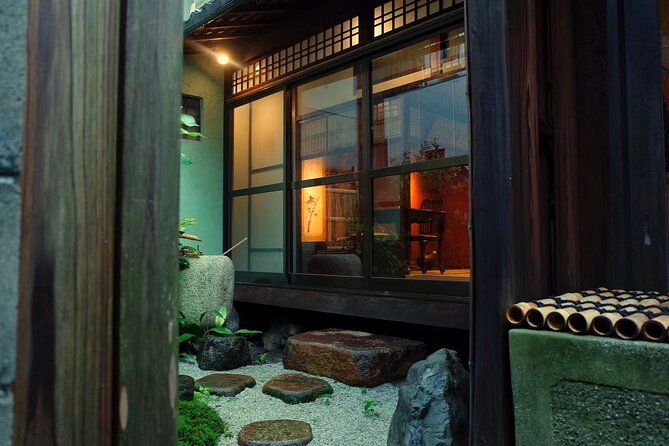
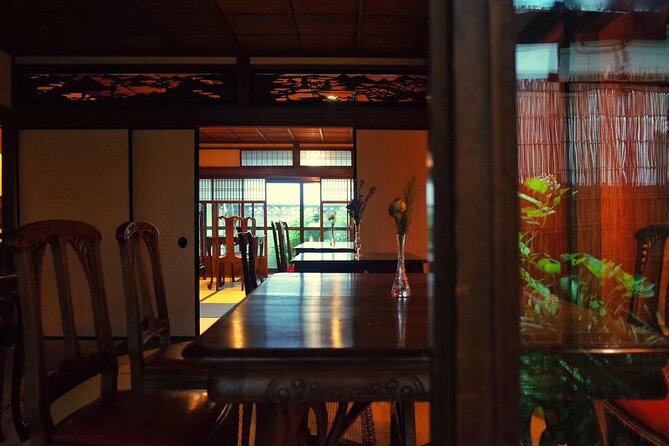
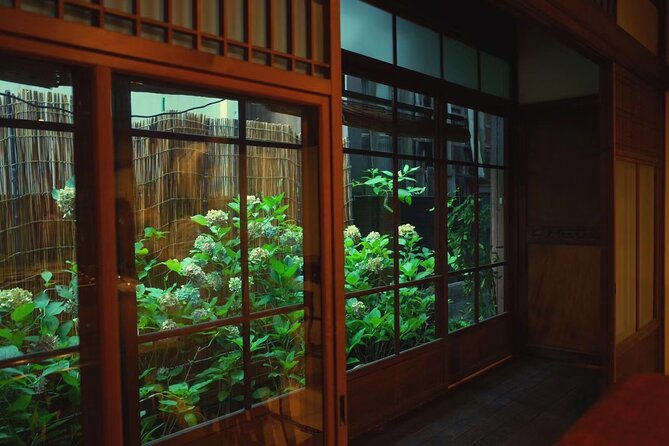
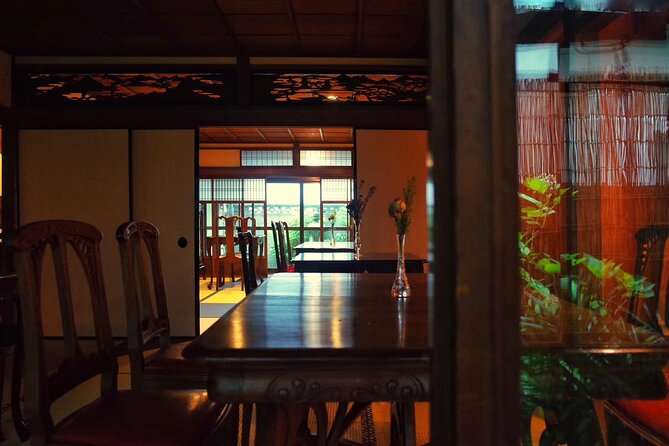
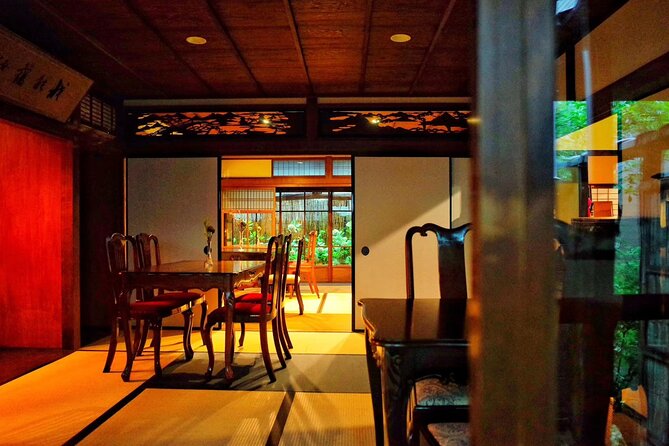
The cooking school occupies a beautifully renovated traditional Japanese house dating back around 130 years. Antique furniture and objects, many more than 110 years old, fill the rooms. Traditional Japanese music adds to the setting without requiring you to dress up or follow a formal cultural ceremony.
I like this arrangement because the building gives the class a sense of place. You are not simply making noodles in a modern kitchen with Kyoto outside the window. You are working inside an old wooden home in the heart of the city, close to one of Kyoto’s major temples.
At the same time, the house is part of the experience, not a separate museum visit. You should expect an active cooking lesson rather than a long architectural tour. After the noodle-making, you may have time to look around while the instructors finish preparing the meal.
More Cooking Classes in Kyoto
- Ramen Cooking Class at Ramen Factory in Kyoto
★ 5.0 · 1,937 reviews - Sushi Making in Kyoto! Same-day bookings welcome!
★ 5.0 · 713 reviews - Kyoto: Ramen Cooking Class at a Ramen Factory with Souvenir
★ 4.9 · 532 reviews
What happens during the one-hour udon class
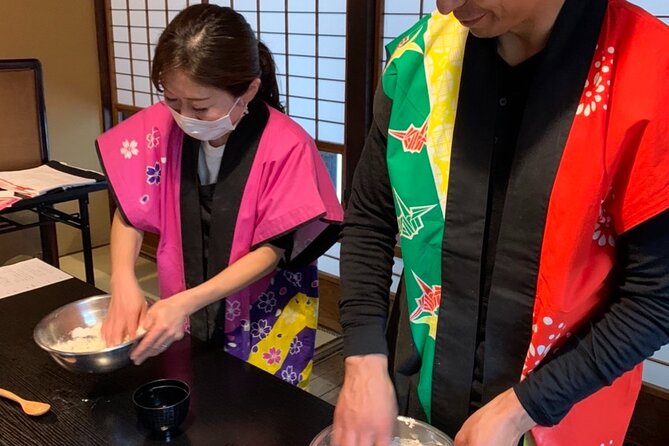
The class follows a clear sequence, and the work is hands-on from the beginning. Ingredients are prepared in advance and laid out at the work tables, so you can focus on technique rather than measuring every item.
The process includes:
- Making saltwater
- Mixing the dough
- Rinsing and working the mixture
- Stepping on the dough
- Letting the dough mature
- Stretching and rolling it
- Cutting the noodles
- Boiling the finished udon
The famous part for many families is the footwork. You place the dough in the proper covering and use your feet to knead it. This is practical, traditional, and a little silly in the best way. Children often enjoy this stage most, and the teachers keep it light with an udon dance and plenty of encouragement.
You do not make the tempura, and you do not personally boil the udon during the class. The staff handles the boiling and prepares the meal while you wash your hands and look around the house. This is worth knowing before you book. If you want a full cooking course that covers broth, side dishes, and frying, this is not that class.
For most people, that division works well. You get the interesting physical work of making noodles without dealing with hot oil or a large pot of boiling water. It also lets the teachers serve the meal efficiently while the noodles are fresh.
The lesson is taught in English, with clear demonstrations and explanations. Tanaka-san is frequently praised for being upbeat, patient, and encouraging, while her daughter and other staff members help with the class. The tone sounds warm rather than formal, which matters when you are trying to handle sticky dough in an unfamiliar kitchen.
The meal makes the class worth more than a demonstration
After the dough has been cut, the staff boils the udon and prepares the rest of lunch. You then sit down to eat the noodles you made. That simple connection, from flour-covered hands to a hot meal, is the heart of the experience.
The meal includes your handmade udon, vegetable tempura, dashi dipping broth, freshly grated ginger, and minced green onion. The tempura is prepared for you as part of the meal, so you receive a fuller lunch without adding another cooking task.
The udon is served bubbling hot, with the dipping broth and condiments ready at the table. The fresh ginger and green onion add sharpness to the mild broth, while the tempura gives the meal a crisp contrast. You are not just sampling a small portion after class. The meal is treated as the reward for the work you have done.
The food also gives you a useful lesson in texture. Handmade udon has a different feel from dried noodles, and the preparation helps explain why kneading, resting, stretching, and cutting all matter. You receive the recipe, so you can try the process at home after returning from Japan.
I consider that a strong value point. A food tour can be enjoyable for an hour and then disappear from memory. Here, you leave with a recipe and a method you can repeat. You may not have the same wooden house or Kyoto instructors in your kitchen, but you can recreate the main activity.
Why families tend to enjoy this Kyoto activity
This is one of the better Kyoto food activities for families with mixed ages. Children can take part in nearly every stage, especially mixing, kneading, stepping on the dough, rolling, and cutting under instruction.
The class does not require children to boil the noodles, which removes one of the main kitchen hazards. A family with children as young as four and ten found that both could participate fully. Teenagers also have enough active work to keep the class from feeling like a passive lesson.
Older adults can enjoy it too. A group that included an 83-year-old participant found the activity accessible and fun. The work is physical, but it is broken into simple steps, and the teachers offer help as needed.
You should still judge your own group’s comfort with floor-level or traditional-house settings. The supplied information does not give detailed mobility guidance, so contact the provider if anyone in your party needs specific accommodation. Service animals are allowed, and the location is near public transportation.
The private format is another advantage. Only your group participates, according to the booking information. That gives you more freedom to ask questions, move at your own pace, and let children enjoy the process without worrying about a large public class. Confirmation is subject to availability and is sent within 48 hours of booking.
A completely different kind of day out:
- PERFECT KYOTO 1-Day Bus Tour
★ 5.0 · 13,518 reviews - [Kyoto & Nara Day Tour] Sagano Scenic Railway & Nara Park & Fushimi Inari Taisha Thousand Torii Gates & Togetsukyo Bridge & Bamboo Grove & Kimono Forest (Departing from Osaka)
★ 4.9 · 10,942 reviews - Kyoto: Fushimi Inari, Kinkakuji, Bamboo Grove 1 Day Bus Tour
★ 4.8 · 4,316 reviews - Kyoto: Tea Ceremony in a Traditional Tea House in Kiyomizu
★ 4.9 · 3,519 reviews
A friendly lesson with Kyoto character
The instructors are local to Kyoto and explain both the cooking process and some cultural background. You may hear about the story of udon, including its origins in China, as well as how the dish became part of Japanese food culture.
That background is brief and connected to what you are doing. You are not sitting through a lecture before touching the ingredients. I prefer this approach because the information has a purpose: it helps you understand why the dough is worked in a particular way and why the finished noodles are served as they are.
Tanaka-san receives especially warm praise for making the class fun. Her teaching includes a cheerful udon dance, which tells you something about the mood. This is not a stern cooking examination. Mistakes are part of the activity, and the staff seems ready to keep the group moving without making anyone feel clumsy.
The historic house also gives you a chance to slow down. Kyoto sightseeing can become a string of temples, stations, and crowded streets. Sitting in an old wooden home, listening to traditional music, and working with a local teacher offers a different view of the city.
How long you should allow at noon
The listed start time is 12:00 p.m., and the formal class lasts about one hour. In real use, you should reserve closer to two hours for the complete visit because the meal follows the lesson and some people stay afterward.
That longer window matters if you are connecting this activity with a temple visit, train departure, or restaurant reservation. The meeting point is convenient, but you should not schedule a tight appointment immediately after lunch. The cooking may finish in an hour, while boiling the noodles, serving the meal, eating, and enjoying the house take additional time.
The midday schedule works naturally. You make the noodles, then eat them for lunch. Nishi Honganji is two minutes away, so you can pair the class with a visit to the temple. Kyoto Station is close enough that you can use the activity as a relaxed break between sightseeing plans.
The attraction ends back at the meeting point. There is no separate transfer to arrange afterward, which keeps the logistics simple.
Is $60.43 a fair price?
At $60.43 per person, this is not the cheapest lunch in Kyoto. You can certainly buy udon for much less. The price makes sense only if you want the cooking lesson, the historic setting, the local instruction, and the meal as one package.
For that combination, I think the value is solid. You receive roughly an hour of guided activity, a complete udon lunch with tempura, access to a traditional house, a recipe, and a private group format. The experience also works as a cultural activity, not just a meal.
The value is strongest for families and small groups. You are paying for something everyone can do together, and younger children can participate instead of waiting while adults cook. It is also useful for anyone who wants to learn a Japanese dish well enough to repeat it at home.
The value is weaker if you mainly want to eat udon or learn tempura. You do not make the tempura, and you do not prepare the broth from scratch. In that case, a regular udon restaurant would cost less and take less time.
The activity is commonly reserved about 16 days ahead, which suggests that you should not leave it until the last day of your Kyoto stay. Confirmation is sent within 48 hours, subject to availability. Free cancellation is available if you cancel at least 24 hours before the start time. Changes or cancellations inside that window are not accepted for a refund.
The experience requires good weather. If poor weather causes cancellation, you are offered another date or a full refund.
Small details that improve the experience
Wear clothes you can move in and do not mind getting a little flour on. The class includes kneading, stepping on the dough, stretching, and cutting, so this is more active than sitting at a counter watching a chef.
Bring patience for the resting and boiling stages. The dough needs time to mature, and the staff takes over the boiling. That pause is not wasted time, since you can wash up, look around the house, and enjoy the setting before lunch.
If you are visiting with children, explain in advance that the goal is to make noodles, not every part of the meal. The tempura and broth are supplied, and that is intentional. It keeps the lesson focused and avoids turning lunch preparation into a long kitchen session.
I would also plan something nearby rather than crossing Kyoto immediately afterward. Nishi Honganji is the obvious companion stop, and Kyoto Station is close enough for onward travel once you have finished eating.
Who should book this udon experience?
I would choose this class for families, couples, and small private groups who want an activity with a meal built in. It suits people who like doing rather than simply seeing, and it gives children a genuine role in the experience.
It is also a good choice if you have already seen several temples and want a quieter cultural activity. The old house, local teachers, traditional music, and homemade noodles create a welcome change of pace.
I would hesitate if you want advanced Japanese cooking instruction. The focus is udon dough, not a full menu. You will not make tempura or broth, and the formal lesson is short.
Should you book it?
Book it if you want a friendly, practical food experience in a historic Kyoto home, especially if children are joining you. Tanaka-san’s upbeat instruction, the foot-kneading stage, and the hot lunch afterward give the class a clear sense of fun and purpose.
Skip it if your priority is the lowest-cost meal or a serious multi-course cooking workshop. For most visitors, though, the combination of hands-on noodle making, a traditional setting, and a meal you helped create makes the $60.43 price reasonable. Leave about two hours, keep your afternoon flexible, and book ahead rather than hoping for a last-minute place.
FAQ
Where does the udon class meet?
The meeting point is 364 Momijicho, Shimogyo Ward, Kyoto, 600-8345, Japan. It is about a 12-minute walk from Kyoto Station and a two-minute walk from Nishi Honganji Temple.
What time does the class start?
The listed start time is 12:00 p.m.
How long does the experience last?
The cooking class itself lasts about one hour. With the meal and time afterward, you should allow around 1.5 to 2 hours.
Do participants make the tempura and broth?
No. You make the udon noodles, while the tempura and broth are provided as part of the meal.
Is the class suitable for children?
Yes. Children can take part in the noodle-making steps, and participants do not boil the noodles themselves. The activity has been enjoyed by children, teenagers, and older adults.
What is the cancellation policy?
You can cancel at least 24 hours before the local start time for a full refund. Cancellations or changes made less than 24 hours before the start time are not refunded or accepted. If poor weather causes the activity to be canceled, you are offered another date or a full refund.
Just added in Kyoto
- The “Golden Route” and Ancient Japan by DIAMIR Erlebnisreisen – 14-Day Tour★ 2.0 · 2 reviews
- Japan: Castles & Cuisine by G Adventures – 6-Day Kyoto to Osaka Tour★ 4.5 · 4 reviews
- Cycle Japan by Explore! – 13-Day Kyoto to Tokyo Tour★ 4.7 · 12 reviews
- Cycle Japan by Intrepid Travel – 11-Day Kyoto to Tokyo Tour★ 4.8 · 2 reviews
- Classic Japan by Intrepid Travel – 11-Day Kyoto to Tokyo Tour★ 4.4 · 14 reviews
- Ancient & Modern Japan 14-Day Tour by Exodus Adventure Travels★ 4.4 · 40 reviews
- 5 Day Cultural Adventure of Kyoto, Nara & Osaka by Tourist Journey★ 2.5 · 2 reviews
- 12 Days Kinosaki Onsen Escape: A Journey Through Japan’s Timeless Towns by UME Travel★ 4.8 · 5 reviews
Cooking Classes, compared.
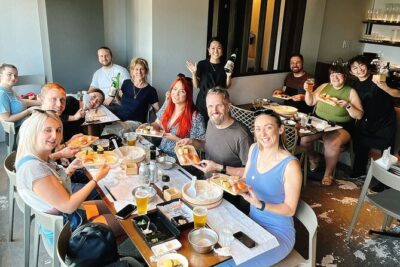
Sushi Making Tokyo Roll and Authentic Japanese Sushi Class
Read our review →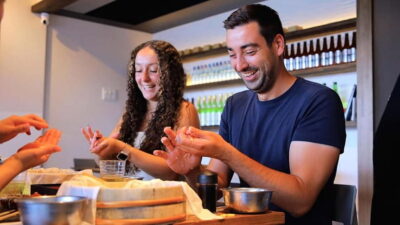
Roll and Authentic Sushi Making Class in Asakusa
Read our review →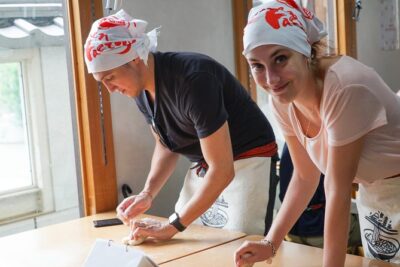
Ramen Cooking Class at Ramen Factory in Kyoto
Read our review →
Sushi Making Class in a Happi Coat near a Famous Spot
Read our review →
Sushi Making Osaka Roll and Authentic Japanese Sushi Class
Read our review →
Tokyo Sushi Making Class in Tsukiji with Professional Chef
Read our review →
Ramen & Gyoza Cooking Class in Tokyo with Local Supermarket Visit
Read our review →Browse the lists this tour appears in