
Reviewed · COOKING CLASSES
Ramen Gyoza Onigiri Japanese Cooking Class in Kyoto
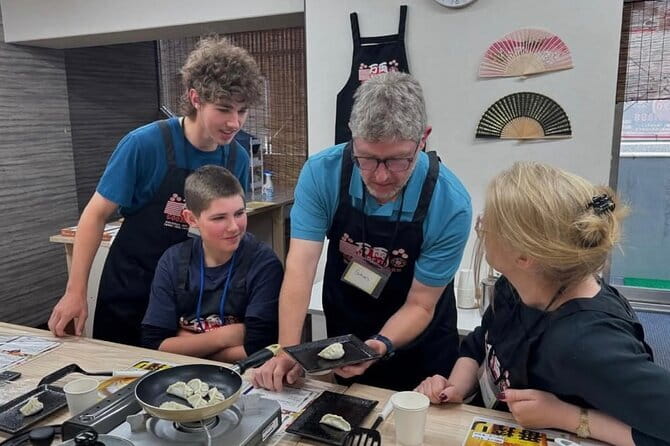
Come hungry, leave with recipes. This Kyoto class packs three beloved Japanese dishes into 90 minutes, with hands-on work led by friendly English-speaking instructors. I like the chance to make two ramen broths, then sit down and eat the meal you prepared. I also like the small group limit of eight, which gives you a better shot at clear help when your gyoza wrapping goes sideways.
The main trade-off is speed. You cover a lot in a short time, so this is not a slow, quiet lesson in traditional Japanese cooking. You also do not make ramen noodles, and the vegetarian choice only replaces pork with tofu. Other ingredients remain the same, so strict vegetarians and anyone with major dietary restrictions should choose another class.
In This Review
- Quick takeaways before you book
- What the 90-minute class really gives you
- Starting with ramen broth, not homemade noodles
- Gyoza wrapping gives you the most hands-on work
- Onigiri brings a simple Japanese staple to the table
- The meal at the end is part of the experience
- Chef Nori and the teaching team
- Location, timing, and what to plan around it
- Who should book this Kyoto cooking class
- Price, value, and the small-group advantage
- Should you book the Manryo cooking class?
- FAQ
- How long does the cooking class last?
- What dishes will I make?
- Will I make ramen noodles?
- Can I eat the food I prepare?
- Is a vegetarian menu available?
- Can the class accommodate vegan or gluten-free diets?
- Are children allowed to join?
- Where does the class meet?
- What is the cancellation policy?
Quick takeaways before you book
- Two ramen broths are the star: You learn how to prepare soup, the part of ramen that is harder to recreate at home.
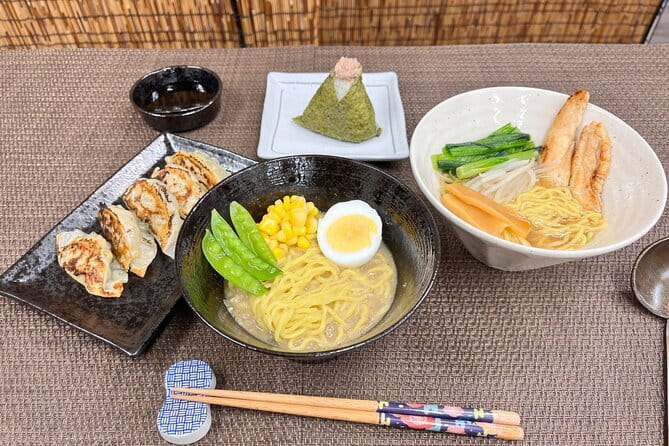
- You make and eat three dishes: Ramen, gyoza, and onigiri become your lunch at the end.
- The class stays small: A maximum of eight people means useful access to Chef Nori and his team.
- Recipes are designed for home use: The class uses ingredients and seasonings that are easy to find at home.
- Vegetarian means tofu instead of pork: Vegan, pescatarian, gluten-free, halal, kosher, and other special menus are not available.
- It is near public transportation: The class begins and ends at Manryo Japanese Cooking Class in Kyoto’s Sakyo Ward.
What the 90-minute class really gives you
At $92.47 per person, this is not a bargain meal. It is also more than a demonstration. You take part in preparing several dishes and then eat the results, so the price covers both instruction and lunch.
The value depends on what you want from a cooking class. If you only want a cheap bowl of ramen, a restaurant will cost less. If you want a practical activity, a filling meal, and recipes you can use after returning home, the price makes more sense.
The class is carefully paced. The teaching team has to move from ramen broth to gyoza to onigiri in about an hour and a half, and the preparation appears well organized. You should expect a brisk session rather than long pauses between steps. That is good news if your Kyoto schedule is packed, but less ideal if you want time for extended questions or a relaxed cooking pace.
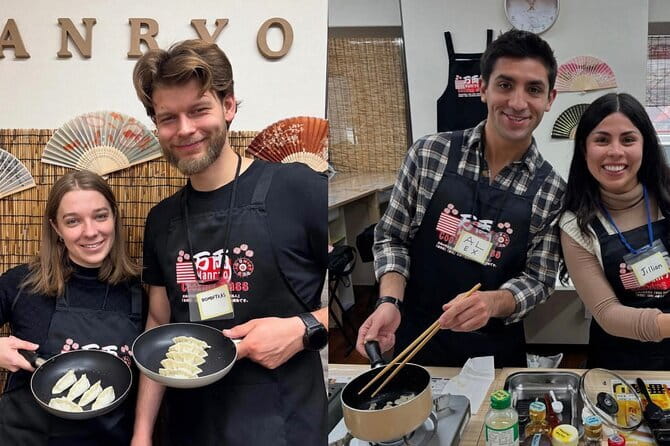
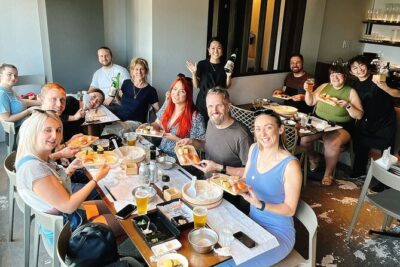
The small group limit matters here. With no more than eight people, you are less likely to spend the whole lesson watching from the back. Chef Nori and assistants such as Minori and Ryho have been praised for clear instruction, patience, humor, and strong English. The teaching style seems friendly without turning the class into a lecture.
More Cooking Classes in Kyoto
- Ramen Cooking Class at Ramen Factory in Kyoto
★ 5.0 · 1,937 reviews - Sushi Making in Kyoto! Same-day bookings welcome!
★ 5.0 · 713 reviews - Kyoto: Ramen Cooking Class at a Ramen Factory with Souvenir
★ 4.9 · 532 reviews
Starting with ramen broth, not homemade noodles
The ramen portion focuses on broth. That is an important distinction.
You do not make noodles in this class. Instead, the instructors show you how to prepare flavorful soup using ingredients and seasonings that you can find at home. Since noodles are often easy to buy, the broth is the more useful skill for many home cooks. A packet of noodles can become a proper meal once you know how to build a better soup.
The class usually covers two kinds of ramen broth, giving you more than one approach to try later. The provided information does not specify the exact broth styles, so you should not book expecting a named regional recipe such as Hakata tonkotsu or Kyoto-style chicken ramen.
This part also includes a short introduction to ramen, according to the class experience described by one returning participant. That bit of context helps you understand what you are cooking rather than simply following a list of steps.
I like the practical focus. The class is not promising restaurant-level noodle production in 90 minutes. It teaches a manageable part of ramen that you can repeat in your own kitchen. You will still need to buy noodles separately, but that is a small limitation if your main goal is better soup.
Gyoza wrapping gives you the most hands-on work
Gyoza is where your fingers do the work. You learn how to fill and wrap the dumplings, a skill that looks simple until the first wrapper sticks to your hand or refuses to fold neatly.
The class supplies the ingredients and guides you through the process. You should get repeated practice rather than merely watching an instructor fold one perfect dumpling. The end result is part of your meal, so there is a pleasant reward for the less-than-perfect shapes.
This is also the section most likely to appeal to families and first-time cooks. The instructions are described as easy to follow, and the atmosphere is relaxed and playful. Children under 13 cannot be accommodated, but older children can find the folding work especially satisfying because it feels like making something from scratch.
The regular menu uses pork. On the vegetarian menu, pork is replaced with tofu, while the other ingredients stay the same. That wording matters. If you avoid meat but eat the other listed ingredients, the vegetarian selection may work. If you need a fully plant-based meal, it will not.
Onigiri brings a simple Japanese staple to the table
Onigiri, or Japanese rice balls, can look humble beside ramen and gyoza. In practice, they are one of the easiest dishes from this class to repeat at home.
You learn the technique for shaping the rice balls, then eat them with the rest of your lunch. This gives the class a nice range: broth preparation for patience, gyoza for hand skills, and onigiri for shaping and presentation.
The class does not appear to treat onigiri as a separate long lesson. It is one part of a fast sequence, so you should expect an introduction to the method rather than a detailed study of every regional filling or shape. Still, the recipe and the physical practice are useful. You can make onigiri without special equipment, and the activity gives you a practical reminder of Japanese food after your trip.
A completely different kind of day out:
- PERFECT KYOTO 1-Day Bus Tour
★ 5.0 · 13,518 reviews - [Kyoto & Nara Day Tour] Sagano Scenic Railway & Nara Park & Fushimi Inari Taisha Thousand Torii Gates & Togetsukyo Bridge & Bamboo Grove & Kimono Forest (Departing from Osaka)
★ 4.9 · 10,942 reviews - Kyoto: Fushimi Inari, Kinkakuji, Bamboo Grove 1 Day Bus Tour
★ 4.8 · 4,316 reviews - Kyoto: Tea Ceremony in a Traditional Tea House in Kiyomizu
★ 4.9 · 3,519 reviews
The meal at the end is part of the experience
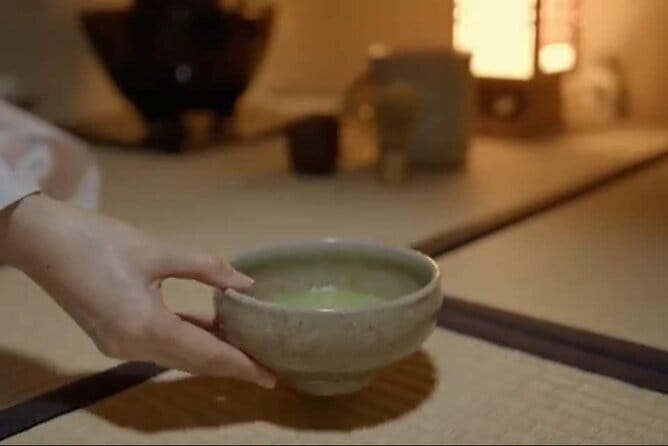
You eat everything you make. That sounds obvious, but it changes the feel of the class. You are not preparing food for an imaginary restaurant customer or leaving with a few samples. You finish with a full lunch of ramen, gyoza, and onigiri.
Several participants specifically praised the amount of food, with repeated advice to arrive hungry. That is worth taking seriously. A meal with two ramen preparations plus dumplings and rice balls can be substantial, even if portion sizes vary.
The meal also lets you judge your own work right away. If a broth needs more seasoning or a dumpling fold is uneven, you can taste the result while the lesson is still fresh. That immediate payoff is one of the strongest reasons to choose this class over a shorter demonstration.
The food is described as delicious and made with quality ingredients, but keep your expectations sensible. You are learning homemade-style Japanese dishes, not receiving a formal tasting menu. The appeal is participation, plenty of food, and recipes you can try again.
Chef Nori and the teaching team
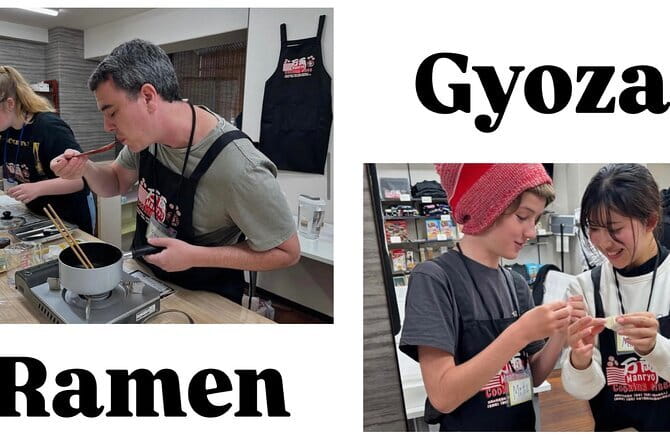
The people running a cooking class can make or break it. Here, Chef Nori receives especially warm praise for being friendly, patient, and easy to follow. His team, including Minori, Ryho, and other assistants, helps keep the class moving.
The English instruction is a major advantage for international visitors. The teaching is described as clear, and even the jokes are easy enough to follow. That combination matters because cooking steps can become confusing when translation is rushed or incomplete.
The tone seems informal rather than formal. You can expect humor, encouragement, and a sense that mistakes are part of the fun. At the same time, the class is organized enough to cover a surprising amount in 90 minutes. The team appears to prepare the sequence in advance, which helps avoid dead time.
You should still arrive ready to pay attention. Three dishes require concentration, and the short duration leaves little room to drift. If you want to ask about every ingredient or technique, make use of the small group setting and ask questions as you go.
Location, timing, and what to plan around it
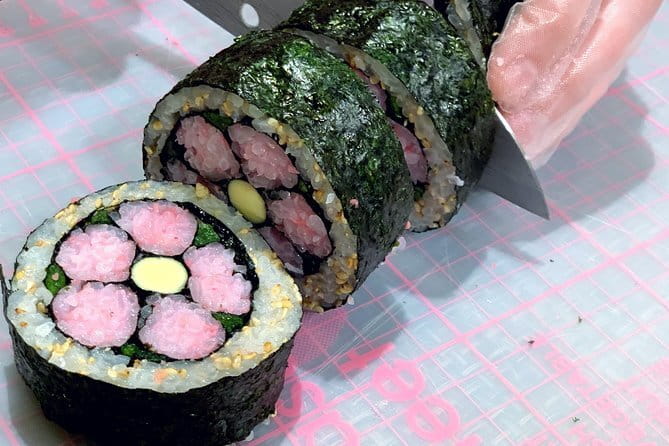
The class meets at Manryo Japanese Cooking Class, at 841 Life Building B1, Choshoji Monzencho, Sakyo Ward, Kyoto 606-8366. The meeting point is near public transportation, and the activity ends back there.
The location is useful for planning because there is no private transportation included. You need to make your own way to the address, and you should read the provider’s post-booking email carefully for meeting instructions. The confirmation arrives when you book.
The 90-minute duration makes this easy to fit into a Kyoto day. You can schedule it as a substantial lunch activity rather than giving up an entire morning or afternoon. Still, add time for finding the building and getting settled. The class is in a basement location, so check the address before leaving your hotel instead of relying on a last-minute search.
Because you eat at the end, do not schedule a large meal immediately afterward. You may finish with enough ramen, gyoza, and onigiri to count as your main meal for several hours.
Who should book this Kyoto cooking class
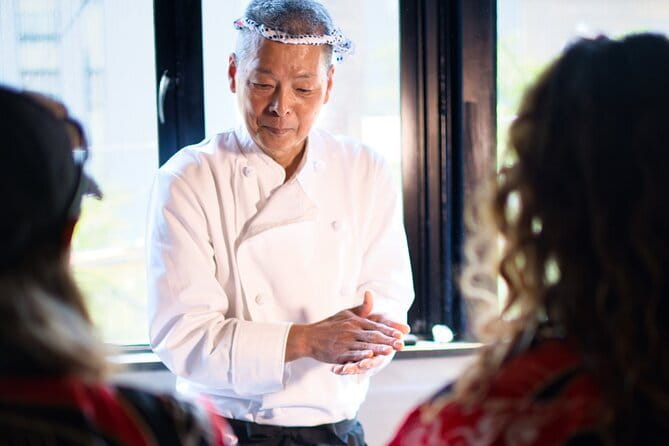
I would recommend it most strongly to people who want variety in one activity. Many cooking classes focus on one dish. This one lets you try ramen broth, dumpling wrapping, and rice-ball shaping in the same session.
It also suits:
- First-time visitors who want a practical introduction to familiar Japanese foods
- Families with children aged 13 or older
- Couples and friends looking for an activity beyond temples and shopping
- Home cooks who want recipes they can repeat without unusual equipment
- People who value a full meal as part of a paid activity
- Visitors with a tight schedule who can spare 90 minutes
It may not suit you if you want to make ramen noodles from flour. It is also a poor match for vegan, pescatarian, gluten-free, halal, kosher, or other restricted diets. The vegetarian option is limited to replacing pork with tofu, and the class cannot accommodate children under 13.
People who prefer a slow, highly detailed culinary lesson may also find the pace quick. You will cover a lot, but you will not have unlimited time to linger over each dish.
Price, value, and the small-group advantage
The $92.47 price includes the cooking instruction and the lunch you prepare. It does not include private transportation.
I see the best value in the combination of food and useful skills. You are not paying only for a meal, since you practice techniques that can be repeated at home. You are also not paying for an advanced chef’s course. The class is aimed at accessible homemade cooking, and that keeps the experience useful for ordinary kitchens.
The maximum group size of eight helps justify the cost. A crowded class could turn gyoza wrapping into a spectator sport, while a small group gives you a better chance to see demonstrations and receive corrections. The class’s strong praise centers on organization, friendly teaching, clear English, delicious results, and the sheer amount of food produced in a short time.
Free cancellation is available if you cancel at least 24 hours before the start time. Cancellations or changes made less than 24 hours ahead are not accepted for a refund, and cut-off times follow Kyoto local time. That is a reasonable policy, but keep it in mind when arranging a busy Japan itinerary.
Should you book the Manryo cooking class?
Book it if you want an active lunch and three Japanese dishes in one compact session. The strongest reasons are the useful ramen broth lesson, hands-on gyoza and onigiri practice, patient English-speaking instructors, and a meal made by you.
Skip it if you need a special diet beyond the limited vegetarian menu, want to make noodles from scratch, or prefer a long, quiet culinary workshop. For everyone else, this is a practical and cheerful way to spend 90 minutes in Kyoto. Arrive hungry, read the post-booking instructions, and leave room in your day for a meal you will probably remember better because your hands helped make it.
FAQ
How long does the cooking class last?
The class lasts approximately 1 hour and 30 minutes.
What dishes will I make?
You will learn to make ramen broth, gyoza, and onigiri, or Japanese rice balls. The class may cover two types of ramen.
Will I make ramen noodles?
No. The class focuses on preparing authentic-style ramen broth. You use ramen noodles that can be purchased separately.
Can I eat the food I prepare?
Yes. Lunch is included, and you eat the ramen, gyoza, and onigiri you make during the class.
Is a vegetarian menu available?
Yes. The vegetarian menu replaces pork with tofu. Other ingredients remain the same.
Can the class accommodate vegan or gluten-free diets?
No. Vegan, pescatarian, gluten-free, halal, kosher, and other special diets cannot be accommodated.
Are children allowed to join?
The class cannot accommodate children under 13 years old.
Where does the class meet?
It meets at Manryo Japanese Cooking Class, Japan, 606-8366 Kyoto, Sakyo Ward, Choshoji Monzencho, 841 Life Building B1. The activity ends at the same meeting point.
What is the cancellation policy?
You can receive a full refund if you cancel at least 24 hours before the experience start time. Cancellations or changes made less than 24 hours before the start time are not accepted for a refund.
Just added in Kyoto
- The “Golden Route” and Ancient Japan by DIAMIR Erlebnisreisen – 14-Day Tour★ 2.0 · 2 reviews
- Japan: Castles & Cuisine by G Adventures – 6-Day Kyoto to Osaka Tour★ 4.5 · 4 reviews
- Cycle Japan by Explore! – 13-Day Kyoto to Tokyo Tour★ 4.7 · 12 reviews
- Cycle Japan by Intrepid Travel – 11-Day Kyoto to Tokyo Tour★ 4.8 · 2 reviews
- Classic Japan by Intrepid Travel – 11-Day Kyoto to Tokyo Tour★ 4.4 · 14 reviews
- Ancient & Modern Japan 14-Day Tour by Exodus Adventure Travels★ 4.4 · 40 reviews
- 5 Day Cultural Adventure of Kyoto, Nara & Osaka by Tourist Journey★ 2.5 · 2 reviews
- 12 Days Kinosaki Onsen Escape: A Journey Through Japan’s Timeless Towns by UME Travel★ 4.8 · 5 reviews
Cooking Classes, compared.
Sushi Making Tokyo Roll and Authentic Japanese Sushi Class
Read our review →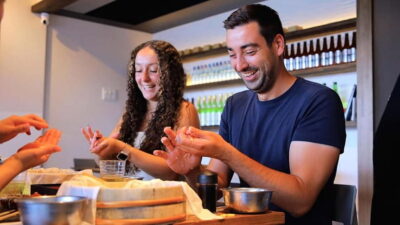
Roll and Authentic Sushi Making Class in Asakusa
Read our review →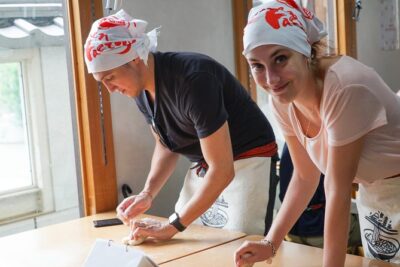
Ramen Cooking Class at Ramen Factory in Kyoto
Read our review →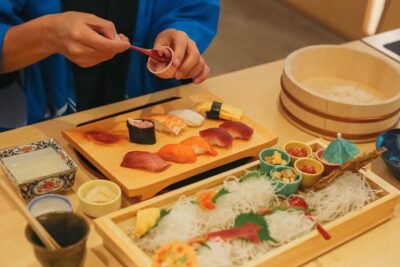
Sushi Making Class in a Happi Coat near a Famous Spot
Read our review →
Sushi Making Osaka Roll and Authentic Japanese Sushi Class
Read our review →
Tokyo Sushi Making Class in Tsukiji with Professional Chef
Read our review →
Ramen & Gyoza Cooking Class in Tokyo with Local Supermarket Visit
Read our review →Browse the lists this tour appears in