
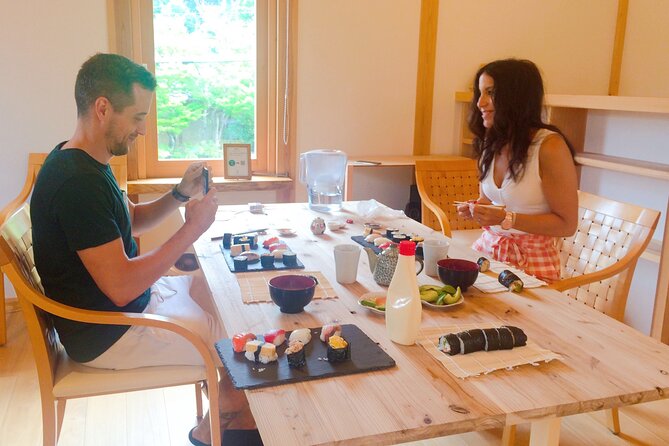
Reviewed · COOKING CLASSES
The Original Small-Group Sushi Making Class in Kyoto
Sushi is better when you make it. This Kyoto workshop combines hands-on sushi skills with a warm introduction to Japanese food culture, all inside a restored townhouse near Kiyomizu-dera and Gion. I like the small eight-person limit, which gives you room to ask questions and get personal help from Japanese instructor Kana. I also like that you eat what you prepare, rather than leaving with a few decorative pieces and a polite bow.
The main consideration is food choice. There is no vegetarian or vegan option, so this class works best if you are happy to handle and eat fish. The 90-minute session also moves at a relaxed pace rather than offering a full professional sushi apprenticeship, but that is exactly why it suits most visitors.
In This Review
- Key Points Before You Book
- A Calm Start Near Kiyomizu-dera and Gion
- Seasoning Rice, the Foundation of Good Sushi
- Shaping Nigiri Without Crushing the Rice
- Rolling Maki With a Bamboo Mat
- Fresh Fish, Local Ingredients, and a Proper Meal
- Kana, Kerim, and the Human Side of the Class
- How Much Value Do You Get for $69.64?
- Timing, Location, and Practical Details
- Who Will Enjoy This Kyoto Sushi Class Most?
- Should You Book the Original Small-Group Sushi Class?
- FAQ
- Where does the sushi-making class meet?
- Where does the class end?
- How long does the class last?
- How many people can join the class?
- Is the class taught in English?
- What types of sushi will I learn to make?
- Is food included?
- Is there a vegetarian or vegan option?
Key Points Before You Book
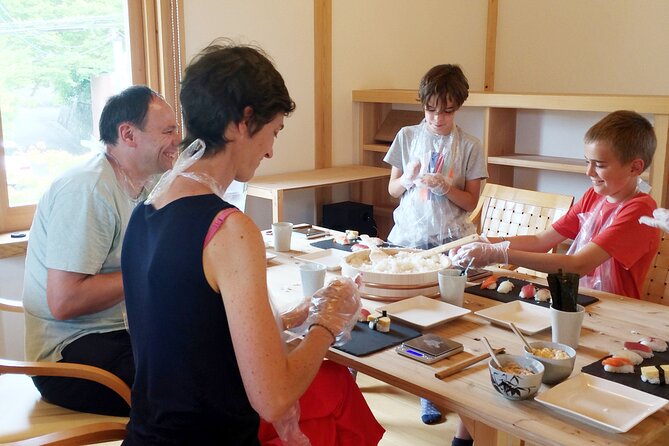
- Small group of eight: You get a calmer class and more direct help than in a large cooking demonstration.
- Nigiri and maki are both included: You learn to shape individual sushi pieces and roll maki.
- Kana leads the instruction in English: Her patient, friendly teaching is one of the strongest parts of the experience.
- Fresh fish and local ingredients: The quality of the ingredients does much of the work, especially for first-time sushi makers.
- Historic Kyoto townhouse setting: The class takes place in a refined traditional space near Kiyomizu-dera and Gion.
- Useful take-home items: Several attendees received class notes, recipes, chopsticks, a sushi mat, and a small gift bag.
A Calm Start Near Kiyomizu-dera and Gion
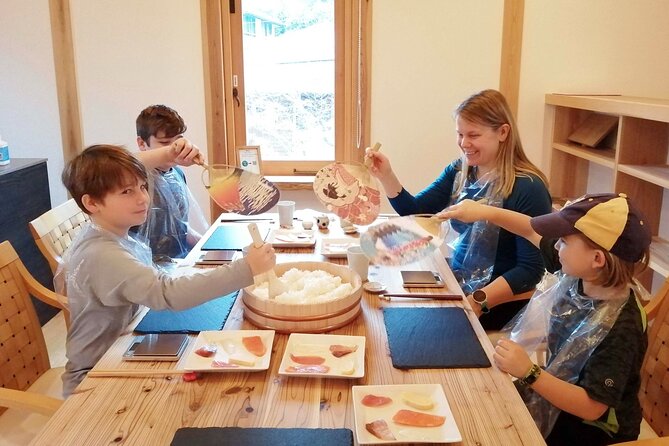
The class meets at Atelier SUSHI at 311-1 Kitatōryōchō in Kyoto’s Higashiyama Ward. It is near public transportation and close to two of Kyoto’s most popular areas, Kiyomizu-dera and Gion. That makes the class easy to pair with sightseeing, though you should allow enough time to reach the townhouse without rushing.
The setting matters. Sushi can be taught in a bright commercial kitchen, but this workshop uses a restored traditional townhouse. The surroundings give the meal a quiet Kyoto feel, and the modest scale helps the class feel more like an invitation into someone’s home than a standard tourist activity.
You do not need to arrive with cooking experience. The hosts prepare much of the setup in advance, so the class can focus on technique and conversation instead of chopping and measuring for half the session. That is useful on a short trip, when you want to learn something real without spending an entire afternoon at a cooking school.
Aprons and gloves are provided. The gloves add a practical hygiene layer, while the apron keeps the activity comfortable and tidy. Coffee, tea, or Japanese tea is also included, giving you a simple drink to enjoy during the workshop.
More Cooking Classes in Kyoto
- Ramen Cooking Class at Ramen Factory in Kyoto
★ 5.0 · 1,937 reviews - Sushi Making in Kyoto! Same-day bookings welcome!
★ 5.0 · 713 reviews - Kyoto: Ramen Cooking Class at a Ramen Factory with Souvenir
★ 4.9 · 532 reviews
Seasoning Rice, the Foundation of Good Sushi
The first important lesson is the rice. Many people think sushi begins with the fish, but properly seasoned rice controls the flavor, texture, and balance of every piece you make.
The instructor teaches you how to season cooked rice correctly. This is a valuable skill because rice that is too sweet, too sour, too wet, or too firmly packed can overwhelm even excellent fish. You learn to treat the rice as part of the sushi, not as filler beneath it.
Kana’s teaching style appears to be patient and clear. She makes the process feel manageable for beginners, while people who already make sushi at home can still pick up better technique and new ideas. One attendee who had prepared sushi at home for years still found the session fun and interactive.
You should expect instruction rather than a quick show-and-tell. The small class allows time for questions, and the English-language format removes much of the guesswork. If you are unsure how firmly to press the rice or how to hold a piece, you can ask instead of copying from the other side of a crowded room.
Shaping Nigiri Without Crushing the Rice
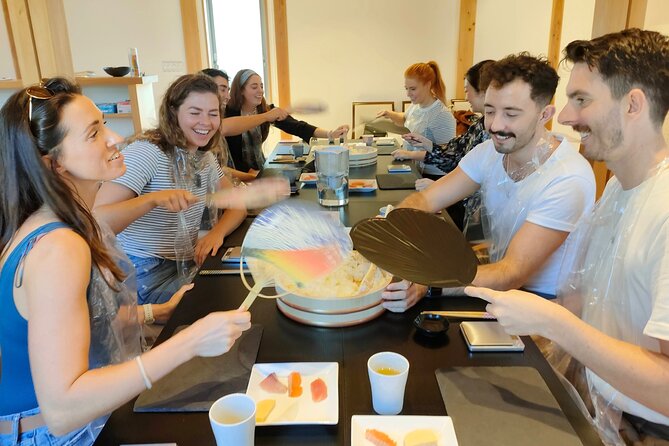
Nigiri is the simple-looking style that can expose every mistake. It consists of a small portion of rice topped with fish, but the shape, pressure, and proportion all affect the final bite.
During the class, you learn to form several pieces of nigiri. The useful lesson is restraint. Sushi rice needs enough pressure to hold together, but too much handling makes it dense. The goal is a neat piece that stays intact while remaining light to eat.
This is where individual instruction pays off. With only eight people, Kana can watch your hand position and offer corrections. You are not merely copying a finished example. You are practicing the movements yourself and receiving help while the rice and fish are in front of you.
The ingredients also make the lesson forgiving. Premium fresh fish and carefully selected local ingredients help produce a tasty result even if your first pieces are not perfectly shaped. That is encouraging for families, couples, and solo visitors who want a successful first attempt rather than a stressful culinary test.
The class includes a substantial amount of food. You should arrive ready to eat, not expecting a tiny tasting plate. Several attendees specifically noted that the finished sushi was filling, which makes the $69.64 price easier to assess as both a class fee and a meal.
Rolling Maki With a Bamboo Mat
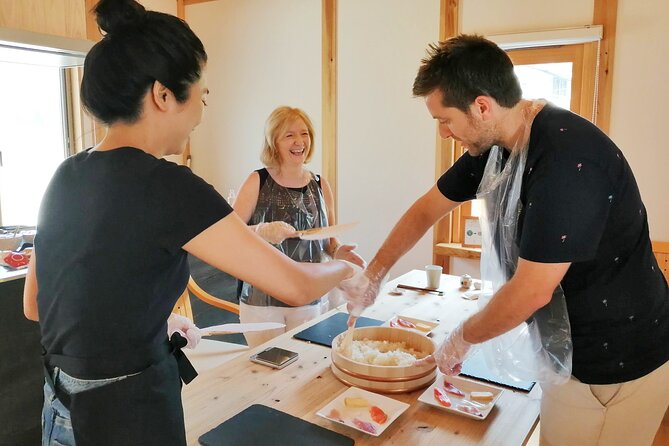
The second major style is maki, the rolled sushi familiar from many Japanese restaurants. You learn to build and roll it, using the provided sushi mat to help create an even shape.
Maki is often the most immediately enjoyable part for beginners because you can see the roll take form. It also teaches a different set of skills from nigiri: arranging ingredients, controlling pressure, keeping the seaweed and rice balanced, and cutting the finished roll neatly.
The class does not promise restaurant-level knife training or a long study of every sushi style. Instead, it gives you a useful home foundation. You leave knowing how to make the two styles most people want to recreate: nigiri and maki.
That practical focus is a strength. A lesson is more valuable when you can remember it after your holiday. The workshop provides recipes or notes, and some attendees also received a sushi mat and chopsticks. Those items turn the class from a pleasant meal into something you can try again in your own kitchen.
A completely different kind of day out:
- PERFECT KYOTO 1-Day Bus Tour
★ 5.0 · 13,518 reviews - [Kyoto & Nara Day Tour] Sagano Scenic Railway & Nara Park & Fushimi Inari Taisha Thousand Torii Gates & Togetsukyo Bridge & Bamboo Grove & Kimono Forest (Departing from Osaka)
★ 4.9 · 10,942 reviews - Kyoto: Fushimi Inari, Kinkakuji, Bamboo Grove 1 Day Bus Tour
★ 4.8 · 4,316 reviews - Kyoto: Tea Ceremony in a Traditional Tea House in Kiyomizu
★ 4.9 · 3,519 reviews
Fresh Fish, Local Ingredients, and a Proper Meal
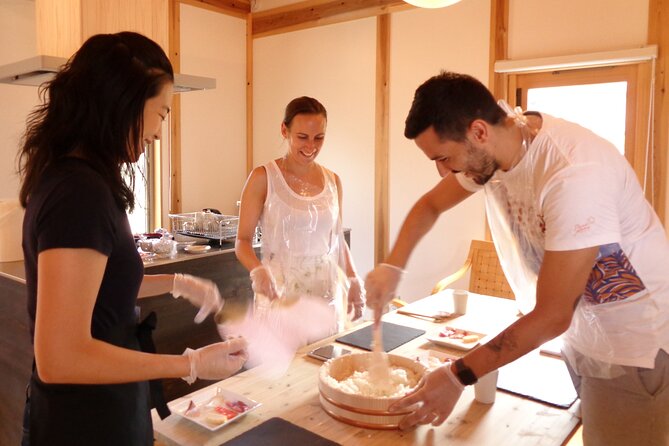
The workshop uses fresh fish and local ingredients, and the quality of those ingredients is central to the experience. Sushi does not need a long list of sauces or elaborate decoration when the fish and rice are handled well.
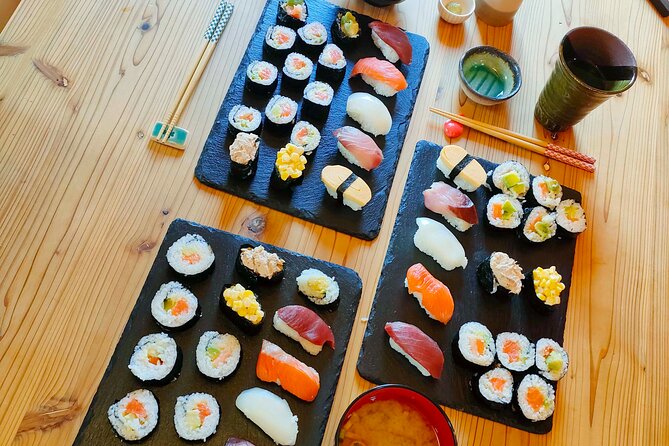
You prepare a variety of sushi and then eat the finished food at the same location. Depending on the session time, the meal is served as lunch or dinner. This keeps the experience compact and convenient, especially if you are planning a full day around Higashiyama.
I appreciate the direct connection between the lesson and the meal. You can see how your technique affects the result, then enjoy the food while the process is still fresh in your mind. A small mistake becomes part of the story, not a reason to discard the whole plate.
The class may be a good introduction for someone who is unsure about raw fish. One couple found that a spouse who had avoided sushi because of the fish enjoyed the freshness and taste. That does not mean the class will suit every palate, but it suggests that the careful preparation and good ingredients can make sushi more approachable.
You should still be clear about what you are booking. This is a fish-focused class, not a general Japanese cooking lesson. The published information does not include a vegetarian or vegan version, so plant-based visitors should choose another activity or confirm possible arrangements directly before booking.
Kana, Kerim, and the Human Side of the Class
The food is important, but the hosts shape the mood. Kana receives repeated praise for her patience, humor, and clear instruction. Her husband, Kerim, has assisted with some sessions, and the pair are described as welcoming and easy to talk with.
The class also includes stories about Japanese culture, Kyoto, and Kana’s own journey. That gives the activity more texture than a simple recipe lesson. You are learning how sushi is made, but also getting a window into everyday food traditions and local life.
The hosts have also offered advice about Kyoto and the surrounding area. That can be useful if you take the class early in your visit. You may leave with ideas for places to eat, neighborhoods to explore, or ways to plan the rest of your stay.
I would not book this class solely for sightseeing advice. The real product is the cooking lesson and meal. Still, friendly local conversation is a welcome bonus, especially in a city where a little practical guidance can save time and help you move beyond the most obvious tourist stops.
The family-run feel is another reason the small group matters. In a large class, the instructor has to keep everyone on the same step. Here, the atmosphere is more personal, and the hosts have time to talk with you as people, not just as names on a reservation.
How Much Value Do You Get for $69.64?
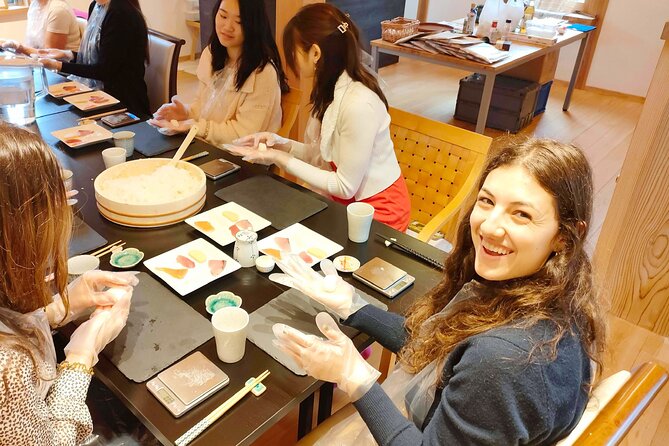
At $69.64 per person, this is not the cheapest meal in Kyoto. You can eat sushi for less, especially if you choose a casual restaurant or supermarket counter. But this is not simply a meal purchase.
Your fee covers about 90 minutes of instruction, fresh ingredients, a full sushi meal, an English-speaking instructor, an apron, gloves, and tea or coffee. The small eight-person limit is the key value point. You are paying for personal attention and the chance to practice, not just watch.
The take-home items add further value. Class notes or recipes, chopsticks, a sushi mat, and a gift bag have been provided in some sessions. These are modest souvenirs, but they are useful ones. A decorative trinket takes up space in your luggage. A mat and recipe can bring the memory back to life at home.
The experience also has strong appeal for couples and families. Instead of paying for two separate attractions, you share a meal and learn a skill together. Parents should note that a 12-year-old enjoyed the class, though the supplied information does not give a formal minimum age.
For solo visitors, the small group creates an easy social setting without requiring you to join a huge tour. You can focus on the food, chat with the hosts, and meet other participants around a shared table.
Timing, Location, and Practical Details
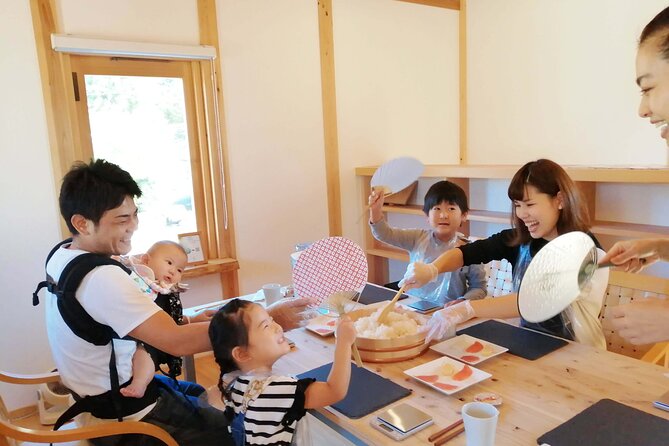
The workshop lasts approximately one hour and 30 minutes. That is long enough to cover rice, nigiri, maki, and the meal, but short enough to fit around a busy Kyoto itinerary.
I would schedule it alongside Higashiyama sightseeing rather than crossing the city just for the class. The meeting point is near public transportation and close to Kiyomizu-dera and Gion, so you can build a half-day around the activity.
The class ends back at the meeting point. No transfer is included, which is normal for a cooking workshop but worth remembering when planning your next stop. If you are taking a taxi afterward, one group was allowed to wait briefly at the venue, but you should not treat that as a guaranteed service.
A mobile ticket is provided, and confirmation arrives when you book. Free cancellation is available if you cancel at least 24 hours before the start time. Changes or cancellations made inside that window are not accepted for a refund.
Food allergies deserve advance attention. Several people with gluten or shellfish allergies were accommodated successfully, but this does not replace confirming your own needs before the class. The safest approach is to contact Atelier SUSHI before booking and explain the allergy clearly.
Who Will Enjoy This Kyoto Sushi Class Most?
I would recommend this class to you if you want a food activity that is social, practical, and rooted in Kyoto. It is especially suited to:
- First-time sushi makers who want calm guidance.
- Couples looking for a shared activity beyond temples and shopping.
- Families with children who enjoy preparing food.
- Solo visitors who prefer a small group.
- Home cooks who want better nigiri and maki technique.
- Sushi fans who value fresh ingredients and a full meal.
It is less suitable if you want a formal chef’s course, a long lesson on fish cutting, or a vegetarian or vegan menu. It is also not the right choice if you prefer to watch rather than handle food yourself. The workshop is built around participation.
The class also suits a first or second day in Kyoto. You get a meal, a cultural introduction, and local conversation in one short session. Just leave enough time to find the townhouse and arrive ready to work with food.
Should You Book the Original Small-Group Sushi Class?
Yes, if you eat fish and want more than a quick photo with a sushi roll. The strongest reasons to book are the eight-person limit, Kana’s patient English instruction, the fresh ingredients, and the chance to make both nigiri and maki before sitting down to eat.
At $69.64, you pay more than you would for sushi alone, but the extra money buys instruction, personal help, a traditional Kyoto setting, and practical items to use at home. I would book it for a couple, family, or solo food lover who wants an activity with a real connection to Japanese culinary culture.
Skip it if you need a plant-based menu or want advanced professional training. For everyone else, this is a friendly, filling, and useful way to add hands-on food culture to a Kyoto visit.
FAQ
Where does the sushi-making class meet?
The class meets at Atelier SUSHI, 311-1 Kitatōryōchō, Higashiyama Ward, Kyoto, 605-0918, Japan.
Where does the class end?
The activity ends back at the meeting point.
How long does the class last?
The workshop lasts approximately one hour and 30 minutes.
How many people can join the class?
The class has a maximum of eight participants.
Is the class taught in English?
Yes. An English-speaking instructor leads the workshop.
What types of sushi will I learn to make?
You learn to prepare nigiri and maki, including seasoning sushi rice, shaping nigiri, and rolling maki.
Is food included?
Yes. You eat the sushi you prepare, served as lunch or dinner depending on the workshop time. Coffee, tea, or Japanese tea is also included.
Is there a vegetarian or vegan option?
No vegetarian or vegan option is listed for this experience. If you have allergies or other dietary needs, confirm the arrangements with Atelier SUSHI before booking.
Just added in Kyoto
- The “Golden Route” and Ancient Japan by DIAMIR Erlebnisreisen – 14-Day Tour★ 2.0 · 2 reviews
- Japan: Castles & Cuisine by G Adventures – 6-Day Kyoto to Osaka Tour★ 4.5 · 4 reviews
- Cycle Japan by Explore! – 13-Day Kyoto to Tokyo Tour★ 4.7 · 12 reviews
- Cycle Japan by Intrepid Travel – 11-Day Kyoto to Tokyo Tour★ 4.8 · 2 reviews
- Classic Japan by Intrepid Travel – 11-Day Kyoto to Tokyo Tour★ 4.4 · 14 reviews
- Ancient & Modern Japan 14-Day Tour by Exodus Adventure Travels★ 4.4 · 40 reviews
- 5 Day Cultural Adventure of Kyoto, Nara & Osaka by Tourist Journey★ 2.5 · 2 reviews
- 12 Days Kinosaki Onsen Escape: A Journey Through Japan’s Timeless Towns by UME Travel★ 4.8 · 5 reviews
Cooking Classes, compared.
Sushi Making Tokyo Roll and Authentic Japanese Sushi Class
Read our review →
Roll and Authentic Sushi Making Class in Asakusa
Read our review →
Ramen Cooking Class at Ramen Factory in Kyoto
Read our review →
Sushi Making Class in a Happi Coat near a Famous Spot
Read our review →
Sushi Making Osaka Roll and Authentic Japanese Sushi Class
Read our review →
Tokyo Sushi Making Class in Tsukiji with Professional Chef
Read our review →
Ramen & Gyoza Cooking Class in Tokyo with Local Supermarket Visit
Read our review →Browse the lists this tour appears in