
Reviewed · TEA CEREMONIES
Tokyo Sushi Making Class : Sake Ceremony & Matcha Experience
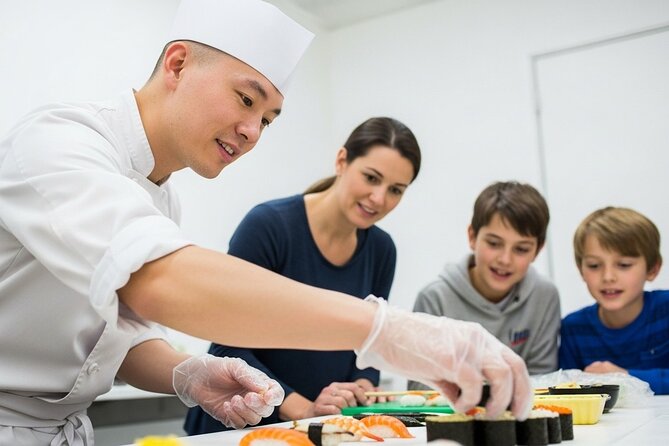
Sushi gets wonderfully hands-on here. In Asakusa, you open a sake barrel, shape nigiri, torch salmon mayo gunkan, and whisk matcha in a compact 90-minute class. I like the lively opening ceremony, where the group chants Yoisho! before a shared toast, and I like the mix of classic sushi technique with a playful Tokyo-style salmon creation. The small time commitment also makes this easy to fit between Asakusa sights.
The main consideration is pace. You make between six and twelve pieces, so this is an introduction rather than a full sushi course. A group can include up to 20 people, which may mean less one-to-one attention at busy moments, although the step-by-step format is designed for beginners.
In This Review
- Key points at a glance
- Why this Asakusa class is more than a meal
- Starting with kagami-biraki and a cheerful toast
- Learning nigiri without making it intimidating
- The torch comes out for salmon mayo gunkan
- Ending with matcha and a slower rhythm
- How much value do you get for $45.77?
- The 90-minute schedule and who it suits
- Getting there and keeping the plan simple
- What I would watch for before booking
- Should you book this sushi and matcha experience?
- FAQ
- Where does the sushi class take place?
- Where does the activity end?
- How long does the class last?
- How much does the experience cost?
- Is the activity suitable for beginners?
- How many sushi pieces will I make?
- Is alcohol required for the sake ceremony?
- What is included in the modern sushi portion?
- Is matcha included?
- How many people can join the class?
- Is the meeting point near public transportation?
- When can I cancel for a full refund?
Key points at a glance
- Open a sake barrel with a group chant: Take part in kagami-biraki, a Japanese ceremony linked with new beginnings.
- Learn the basics of nigiri: Practice shaping rice, handling toppings, and placing fish with the right pressure.
- Make torch-finished salmon mayo gunkan: Add salmon, mayonnaise, and a quick flame for a smoky, creamy bite.
- Prepare six to twelve sushi pieces: Your finished meal includes a mix of nigiri and rolls.
- Whisk your own matcha: Finish with a bowl of foamy green tea made by hand.
- Stay in one convenient Asakusa location: The class begins and ends at Sushi Meets Matcha, near public transportation.
Why this Asakusa class is more than a meal
Many food activities in Tokyo are built around eating. This one asks you to take part. You handle the rice, assemble the sushi, join a ceremonial toast, and make matcha yourself. That gives the experience a useful sense of progression: celebration first, practical skill in the middle, quiet ritual at the end.
The Asakusa setting fits the theme well. Your meeting point is Sushi Meets Matcha at 1-chōme-10-16 Hanakawado, in Taito City. The activity returns to this same location, so you do not have to keep track of several stops or arrange a separate ride back after the class.
I also like the balance between old and new. The opening sake ceremony and matcha preparation connect with familiar Japanese customs. The salmon mayo gunkan, on the other hand, is a modern, playful sushi-shop style creation. You are not being asked to treat sushi as a museum piece. You get a small taste of its formal side and its casual, fun side.
More Cooking Classes in Tokyo
- Sushi Making Tokyo Roll and Authentic Japanese Sushi Class
★ 5.0 · 3,971 reviews - Tokyo: Roll and Authentic Sushi Making Class in Asakusa
★ 4.9 · 1,957 reviews - Tokyo Shinjuku Chopsticks Making Class
★ 5.0 · 1,763 reviews
Starting with kagami-biraki and a cheerful toast
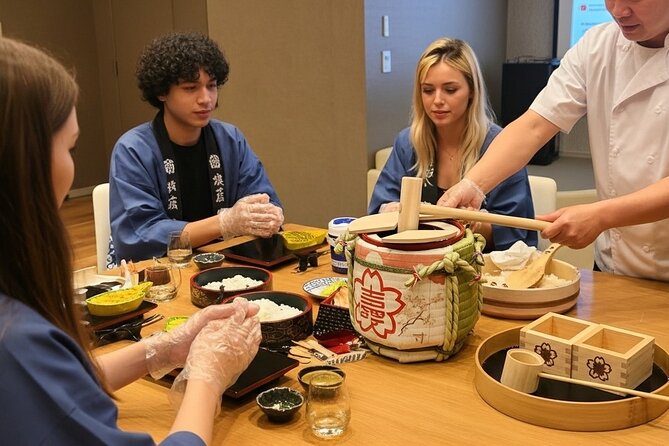
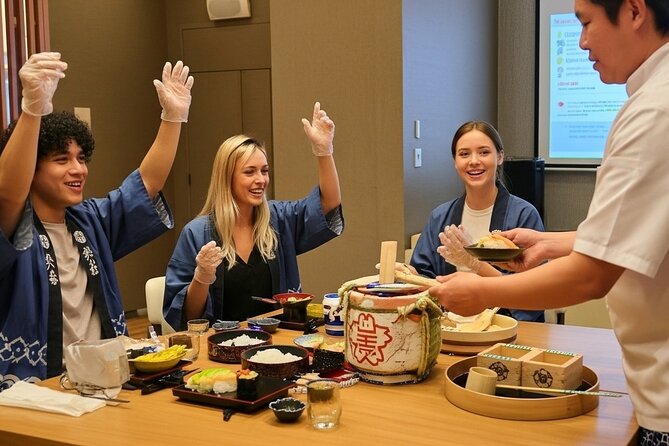
The first activity is kagami-biraki, the opening of a traditional sake barrel. The wooden lid is opened as part of a ceremony for new beginnings, and the group joins in the chant Yoisho, yoisho, yoisho! before raising a toast.
This is a smart way to begin. It gets everyone involved immediately, even if you have never made sushi before. You are not sitting quietly while an instructor talks at the front of a room. You are part of a shared moment, with a simple Japanese custom giving the class a clear sense of occasion.
The alcohol choice is flexible. If you do not drink, you can toast with water or warm Japanese tea instead. That matters for families, non-drinkers, and anyone who wants to keep the experience focused on food.
The ceremony is also one of the more memorable photo moments. The chant, barrel, and raised cups create a group scene that feels more special than an ordinary introduction. Still, keep your expectations sensible. This is a brief ceremonial opening, not a full lesson in sake production or Japanese drinking customs.
Learning nigiri without making it intimidating
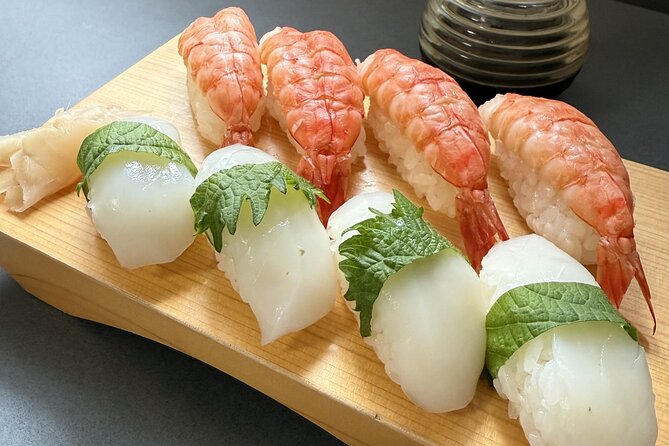
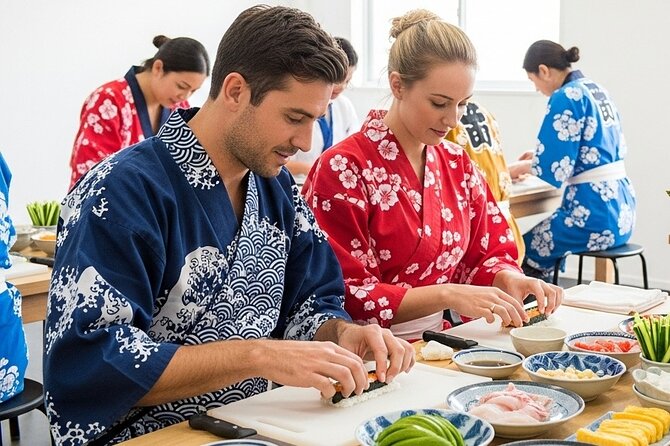
The heart of the class is the nigiri lesson. You learn how to shape the rice, apply the right pressure, handle the toppings, and place each piece neatly. These are small movements, but they make a large difference to the finished sushi.
Rice is the tricky part for beginners. Press too hard and it becomes dense. Press too lightly and the piece can fall apart. The class focuses on that balance, giving you a chance to repeat the motion instead of simply watching a demonstration.
The instruction is described as friendly and step by step, with an approach suited to people who have never made sushi. That is important because sushi can look simple while demanding careful hands. You will likely leave with a better understanding of why restaurant sushi has such a precise shape.
The class produces between six and twelve pieces, including nigiri and rolls. The exact number gives some flexibility, but it also tells you what this experience is not. You are not preparing a large family feast or mastering every major sushi form. You are practicing a manageable selection and then eating what you make.
That limited quantity is a benefit for many visitors. You get enough repetition to learn, without spending half a day on a single dish. It also makes the activity suitable for a morning or afternoon in Asakusa when you have other plans.
The torch comes out for salmon mayo gunkan
The most playful part is the salmon mayo gunkan. This is not presented as classic Edomae sushi. Instead, it gives you a modern Tokyo flavor built around salmon, mayonnaise, and a quick torch finish.
You pile the salmon high, add a zigzag of mayonnaise, and finish the piece with flame. The torch brings a smoky note to the creamy, savory combination. The group chants Wasshoi! three times and takes photos at the key moment.
This part should appeal to anyone who likes food with a little showmanship. The torch creates a clear change in mood after the careful nigiri practice. You move from precision to presentation, then get to enjoy the result.
It is also a useful reminder that Tokyo sushi is not limited to one strict tradition. The class places classic nigiri beside a contemporary, accessible creation. That contrast may be especially helpful if you are new to sushi and want familiar flavors alongside traditional techniques.
There is one practical point to keep in mind: the torch portion is handled within the class setting, so follow the instructor’s directions closely. The activity description promises a quick torch finish, not an independent cooking lesson with unrestricted equipment use.
More Tea Ceremonies in Tokyo
- Matcha Making Class in Tokyo with Authentic Japanese Sweets Set
★ 5.0 · 744 reviews - Tokyo: Traditional Tea Ceremony with a Tea Master
★ 5.0 · 528 reviews - Tokyo: Matcha Making Experience with Mochi Sweets in Asakusa
★ 4.9 · 388 reviews - Tokyo: Matcha and Kimono Experience
★ 4.7 · 219 reviews
Ending with matcha and a slower rhythm
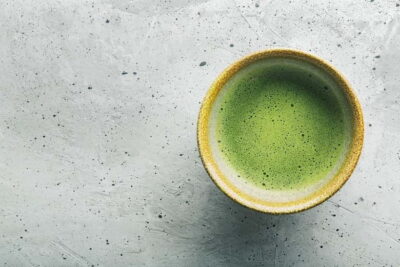
After the sushi, you make matcha. You learn how to whisk the powder properly, aiming for a smooth, foamy bowl, then drink the tea you prepared.
This closing activity gives the class a good change of pace. The opening is loud and communal. The sushi preparation is active and focused. Matcha brings the room down to a calmer rhythm.
For you, the value is practical as well as cultural. A matcha bowl can seem mysterious when served in a café, but whisking it yourself makes the process more understandable. You see that the texture depends on the whisking action, not simply on stirring green powder into hot water.
The matcha finish also prevents the experience from feeling like a short cooking demonstration followed by a quick meal. You make something, eat something, and then complete a final preparation yourself. That three-part structure gives the 90 minutes a satisfying shape.
Do not expect a detailed tea ceremony with formal etiquette lessons. The stated focus is on making and whisking your own matcha. If you want a long, highly ceremonial tea experience, this class may feel too brief. If you want a gentle introduction after the busier sushi work, the ending is well judged.
How much value do you get for $45.77?
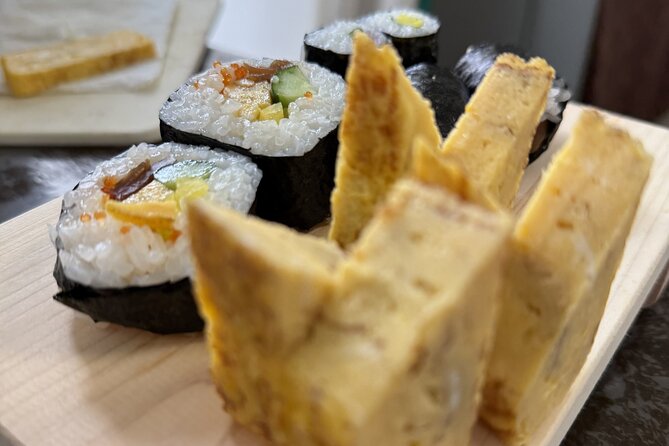
At $45.77 per person, the price is reasonable for a compact Tokyo activity that combines food, instruction, and cultural elements. You are not paying only for a plate of sushi. The cost covers the class, the ingredients for six to twelve pieces, the sake barrel ceremony, the torch-finished creation, and the matcha preparation.
The strongest value comes from the variety. A basic sushi lesson might teach only rice shaping. A sake tasting would offer a different kind of evening. Here, you get several short experiences in one booking, which can be useful when your Tokyo schedule is tight.
The price makes the most sense if you value participation. If you only want to eat excellent sushi, your money may be better spent at a restaurant. This class is for the person who wants to know how sushi is assembled and who enjoys taking home a skill, even if that skill still needs practice.
The group limit is 20 people. That is not an intimate private lesson, but it is also not a huge auditorium-style event. The quality of the experience will depend partly on how actively you ask for help and follow along. The instructor’s friendly, welcoming approach is a strong point, especially for first-timers.
A five-star assessment describes the instructor as fun and welcoming, and calls the activity relaxing, special, and better than expected. That matches the structure of the class: it has enough energy to feel social, but the hands-on work and matcha ending keep it from becoming chaotic.
The 90-minute schedule and who it suits
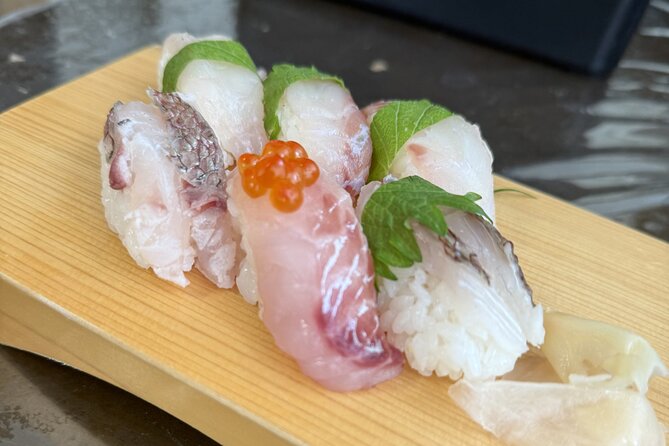
The approximate duration is one hour and 30 minutes. That makes this a practical choice before or after sightseeing in Asakusa, since you are not committing a full morning or evening.
The experience suits:
- First-time sushi makers who want clear guidance
- Couples looking for a shared activity
- Families who prefer a hands-on cultural lesson
- Food lovers who enjoy making their own meal
- Visitors who want a short activity near public transportation
- People interested in both Japanese customs and modern food styles
The class may be less suitable if you want an advanced sushi apprenticeship, a long sake tasting, or a quiet private lesson. The group can reach 20 people, and the program covers several activities in a short period. That is part of its appeal, but it also limits how deeply each subject can be explored.
Children and non-drinkers are not specifically addressed in the supplied details, so you should confirm any personal requirements before booking. The non-alcohol toast option is clear, but other needs are not stated.
Getting there and keeping the plan simple
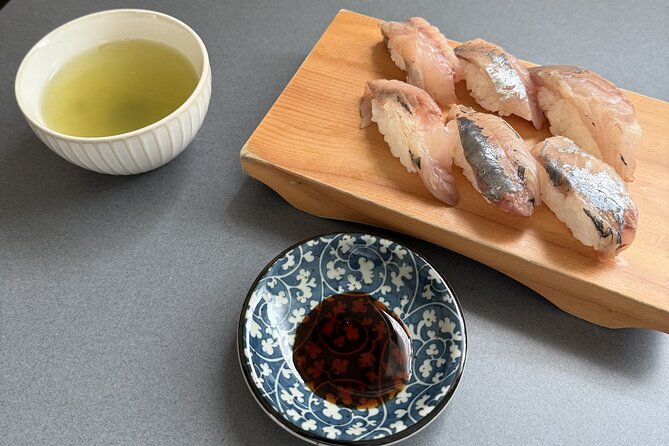
You meet at Sushi Meets Matcha, 1-chōme-10-16 Hanakawado, Taito City, Tokyo 111-0033, Japan. The location is near public transportation, which makes it easier to add the class to a day of sightseeing.
The activity ends back at the meeting point. This is useful in a city where changing neighborhoods can eat up time. You can plan the class as a fixed block rather than worrying about a separate end point.
A mobile ticket is provided, and confirmation arrives at booking. Keep the booking details available on your phone, especially if you are moving through a busy sightseeing day.
The exact meeting instructions beyond the address are not provided here, so allow enough time to find the venue. Asakusa is easy to combine with other plans, but you will enjoy the class more if you arrive without rushing in at the last minute.
What I would watch for before booking
The biggest question is your preferred level of depth. This is a lively introduction, not a professional sushi course. You will learn useful foundations, but the 90-minute format means the instructor must keep the class moving.
The second question is group size. Twenty people is the maximum, and a full group may feel less personal than a small workshop. On the other hand, the chants, photos, and shared barrel opening are more fun when several people take part.
The third question is flavor. Salmon and mayonnaise make the gunkan approachable, but the dish is intentionally modern rather than strictly traditional. If you want only classic Edomae techniques, the torch-finished piece may feel like a detour. I see it as a bonus because it shows another side of Tokyo sushi.
Finally, remember the cancellation rule. You can cancel for a full refund up to 24 hours before the start time. Changes or cancellations inside that 24-hour window are not accepted for a refund, and the cut-off follows local Tokyo time.
Should you book this sushi and matcha experience?
I would book this class if you want a friendly, well-paced introduction to Japanese food culture with plenty of participation. The sake barrel opening gives it a memorable start, the nigiri lesson gives you a real skill to take home, and the salmon mayo gunkan adds a bit of theater. Matcha then closes the session on a calm note.
At $45.77, the experience offers good value for a short Tokyo activity, especially if you enjoy making your own food rather than simply ordering it. Just do not book it expecting advanced sushi training or a long formal tea ceremony. For beginners, couples, families, and anyone with 90 minutes to spare in Asakusa, it is an appealing and practical choice.
FAQ
Where does the sushi class take place?
The class takes place at Sushi Meets Matcha, located at 1-chōme-10-16 Hanakawado, Taito City, Tokyo 111-0033, Japan.
Where does the activity end?
The experience ends back at the meeting point.
How long does the class last?
The activity lasts approximately one hour and 30 minutes.
How much does the experience cost?
The listed price is $45.77 per person.
Is the activity suitable for beginners?
Yes. The sushi lesson provides friendly, step-by-step guidance and focuses on basic nigiri skills.
How many sushi pieces will I make?
You will make approximately six to twelve pieces, including nigiri and rolls.
Is alcohol required for the sake ceremony?
No. You may toast with water or warm Japanese tea instead of sake.
What is included in the modern sushi portion?
You make torched salmon mayo gunkan with salmon, mayonnaise, and a quick torch finish.
Is matcha included?
Yes. You whisk your own bowl of matcha and drink it as the final part of the experience.
How many people can join the class?
The activity has a maximum group size of 20 people.
Is the meeting point near public transportation?
Yes. The location is described as being near public transportation.
When can I cancel for a full refund?
You must cancel at least 24 hours before the experience start time for a full refund. Changes or cancellations made less than 24 hours before the start time are not accepted for a refund.
Just added in Tokyo
- A One-of-a-Kind Sushi Experience in a Special Place of Japan★ 5.0 · 15 reviews
- Tokyo Cute Bento Cooking Class – Make a Kawaii Character Lunchbox★ 5.0 · 126 reviews
- Japanese Home Cooking Class & Walk in Todoroki Temple Tokyo★ 5.0 · 88 reviews
- Japan Tokyo Tower Observatory Deck E-Ticket★ 4.0 · 34 reviews
- Catch a Baseball Game in Tokyo with a Local – Tickets Included★ 5.0 · 24 reviews
- JDM Experience with Fast&Furious RX-7 (English speaking Driver)★ 5.0 · 57 reviews
- Tokyo Private Day Tour by Car with English speaking Driver Guide★ 4.0 · 29 reviews
- Japan Classic 10 Day – One Life Adventures★ 5.0 · 129 reviews
Tea Ceremonies, compared.
Tea Ceremony in a Traditional Tea House in Kiyomizu
Read our review →
World Heritage Kyoto & Nara Uji Authentic Matcha Experience
Read our review →
Browse the lists this tour appears in