
Reviewed · COOKING CLASSES
Tokyo Tsukiji Fish Market Tour and Sushi Making Lesson
Come hungry for Tokyo’s food culture. This three-hour experience combines a guided walk through Tsukiji Outer Market with a hands-on Japanese cooking class, giving you both the ingredients and the techniques behind familiar dishes. An English-speaking guide helps you understand the market, taste local foods, and reach the cooking studio without wrestling with signs or menus.
I like the way the tour links shopping and cooking, even though the ingredients used in class may not be the same ones you see at the market. I also like the small maximum group of six, which gives you a better chance to ask questions and get help at the stove. The main drawback is value: at $99.49 per person, the market visit can feel brief if you already know Tsukiji, and the cooking lesson may seem basic to anyone who regularly makes sushi at home.
The tone of the experience depends greatly on your guide. Guides such as Akiko, Lucy, Nobu, Yoko, Miho, and Shitomi have been praised for friendly explanations and help with tastings. English ability can vary, however, so your experience may include more practical guidance than detailed instruction about Japanese food traditions.
In This Review
- Key points at a glance
- Meeting at Tsukiji Hongwanji Temple
- Walking Tsukiji Outer Market for about an hour
- What the guide adds to Tsukiji
- The bus ride to ABC Cooking Studio
- Making sushi, tamagoyaki, and miso soup
- Eating your own Japanese lunch
- Is the $99.49 price fair?
- Who will enjoy this morning most?
- Practical details before you book
- Should you book the Tsukiji and sushi class?
- FAQ
- How long does the Tokyo Tsukiji Fish Market Tour and Sushi Making Lesson last?
- Does the tour include the tuna auction?
- What dishes will I make?
- Is transportation between the market and cooking studio included?
- What are the age and height requirements?
- Can I cancel for a refund?
Key points at a glance
- Taste your way through Tsukiji: Guides can point you toward foods such as tamagoyaki on a stick, red bean mochi with strawberries, dried scallops, beans, and small dried seafood.
- Visit the historic temple meeting point: Tsukiji Hongwanji’s unusual South Asian and Indian-inspired exterior makes the start more interesting than a standard street corner.
- Make several Japanese dishes: The class commonly includes rolled sushi, nigiri, tamagoyaki, miso soup, and stock, though recipes change with the season and available ingredients.
- Travel from the market to class by bus: The cooking studio is not right beside Tsukiji, so allow for a short change of scene between the two activities.
- Learn in a polished cooking studio: ABC Cooking Studio provides aprons, drinking water, organized work areas, and professional instructors.
- Check the restrictions before booking: The minimum age is 9, minimum height is 130 centimeters, and strollers and luggage are not allowed.
Meeting at Tsukiji Hongwanji Temple
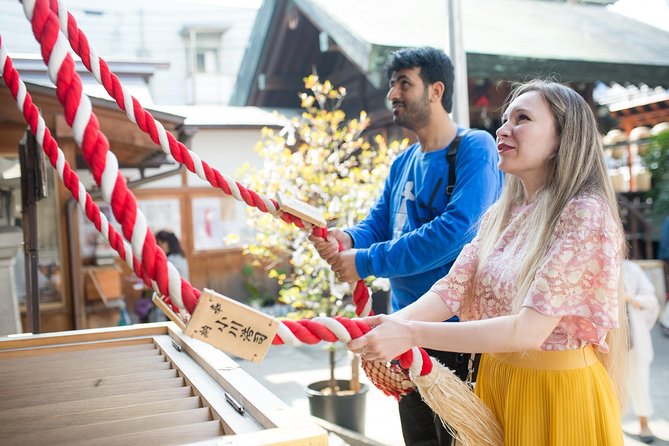
The tour begins outside Tsukiji Hongwanji Temple at 3-chome-15-1 Tsukiji. This is a useful meeting point because the temple is easy to recognize and adds a small cultural stop before the food portion begins.
Give yourself time to look at the building before meeting your guide. Its exterior is unlike the typical Japanese temple image, with strong South Asian and Indian design influences. The scheduled visit is only about five minutes, so this is an introduction rather than a full temple tour. Admission is free.
Your guide then leads the group toward the market. Since the tour requires at least two people to operate, a last-minute cancellation is possible if that minimum is not met, although the provider offers another date or a full refund in that situation. The experience also depends on weather, so poor conditions can lead to rescheduling or a refund.
More Cooking Classes in Tokyo
- Sushi Making Tokyo Roll and Authentic Japanese Sushi Class
★ 5.0 · 3,971 reviews - Tokyo: Roll and Authentic Sushi Making Class in Asakusa
★ 4.9 · 1,957 reviews - Tokyo Shinjuku Chopsticks Making Class
★ 5.0 · 1,763 reviews
Walking Tsukiji Outer Market for about an hour
The most useful part of the market walk is having someone help you make sense of the narrow shopping lanes. Tsukiji’s famous wholesale market moved to Toyosu, but the Outer Market remains a major food district, with shops selling seafood, produce, dried goods, kitchen items, and prepared foods.
You are not visiting the wholesale tuna auction on this tour. Tuna auction watching is specifically excluded, and the walk focuses on the outer shopping and tasting area. That distinction matters. If you want the auction, this is not the right booking. If you want an approachable introduction to Japanese ingredients, the outer market is a better fit.
Expect to see large tuna cuts, sea urchin, octopus, dried seafood, vegetables, and other ingredients arranged for sale. The market is more enjoyable with a guide who can translate labels and explain what you are looking at. Guides have helped visitors find samples and recommended stops, which can save time in a district where it is easy to walk past something interesting.
The tasting side of the walk is one of the tour’s strongest features. Depending on the day and the shops open, you might try tamagoyaki on a stick, dried scallops, dried beans, red bean mochi with strawberries, or small dried seafood. One particularly memorable tasting described was dried crab with a spicy, cracker-like flavor. The exact food is not guaranteed, since market stock and seasonal ingredients change.
Plan breakfast carefully. You do not want to arrive stuffed and then discover that the market portion is built around small tastings. At the same time, you should not expect a full meal here. The cooking class supplies the main lunch.
The itinerary allows about one hour at the market, but the operator notes that the group may spend around 70 minutes in the outer shopping area instead. That gives you a decent first look, but not enough time for slow browsing, serious shopping, or a complete food crawl. If Tsukiji is a major priority, arrive early on your own or return later in your trip.
What the guide adds to Tsukiji
You can walk through Tsukiji independently, and the market is open to independent visitors. The guide earns the fee by reducing friction. You can ask what an unfamiliar item is, get help with simple communication, and receive suggestions about foods worth trying.
This is especially useful for families and anyone who does not speak Japanese. Lucy, for example, has been praised for explaining ingredients, translating with vendors, and letting a group pause at shops that caught its attention while still keeping the walk moving. Nobu was also praised for helping a group explore efficiently without rushing.
The best guides add local judgment rather than delivering a long speech at every corner. Akiko’s help finding samples was singled out as a reason the market felt more rewarding than a solo visit. Shitomi was praised for clear English, humor, and useful explanations. Those details give you a sense of the ideal experience, but guide quality and communication style can vary.
One caution is that the market explanation may be fairly light. Some participants wanted more background about sashimi, sushi traditions, and the history of particular foods. If you are already familiar with Japanese cooking, you may want a more advanced food lecture than this tour provides.
The bus ride to ABC Cooking Studio
After the market, you travel with the guide by bus to ABC Cooking Studio. The transportation between Tsukiji and the studio is included, which makes the transition simple, but the studio is not immediately beside the market. One person wished the cooking school were closer, so do not picture this as a class inside the market itself.
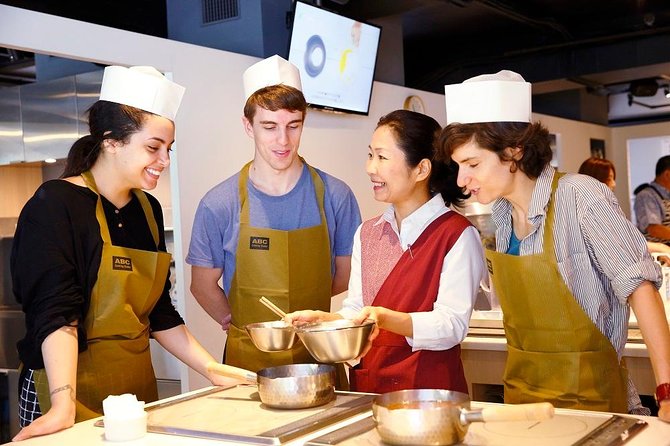
The change of setting is still useful. You move from tight market lanes into a bright, modern cooking school with organized workstations. Some groups have also walked through the Ginza area near the studio, adding a short look at one of Tokyo’s polished shopping districts along the way.
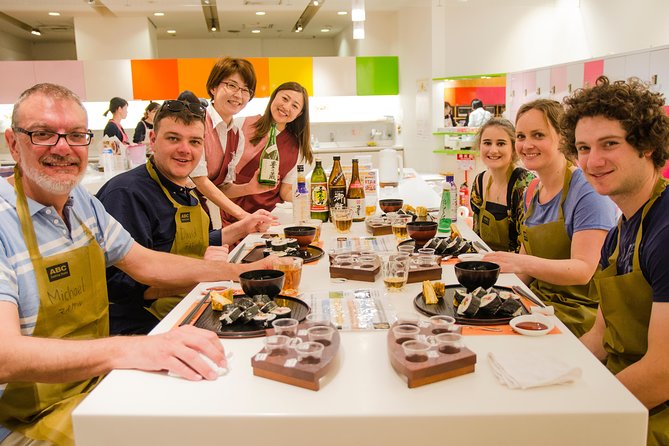
ABC Cooking Studio is a large Japanese cooking school with more than 90 studios in Japan and more than 150 across the region, according to the tour information. You are not attending a rustic home kitchen class. This is a professional teaching space, which helps keep the lesson orderly and makes it easier for an instructor to demonstrate each step.
An apron is provided, and drinking water is included. You do not need to bring luggage into the class, since luggage and strollers are not allowed. Pack lightly for the morning.
More Markets and Food Halls in Tokyo
- Tokyo Tsukiji Fish Market Food and Culture Walking Tour
★ 5.0 · 3,184 reviews - Tokyo: Tsukiji Fish Market Food and Walking tour
★ 5.0 · 1,724 reviews - Senkyaku Banrai Toyosu Manyo Club Onsen Experience in Tokyo
★ 4.7 · 1,690 reviews - Tokyo: Tsukiji Fish Market Guided Walking Tour
★ 4.9 · 1,397 reviews
Making sushi, tamagoyaki, and miso soup
The cooking session lasts about 90 minutes. The usual lesson centers on two washoku recipes, with sushi and Japanese-style omelet as the main attractions. Depending on the day’s ingredients, you may also prepare miso soup, stock, nigiri sushi, and one or more rolled sushi styles.
Tamagoyaki is a highlight for many beginners. This rolled omelet looks simple, but building neat layers in a pan takes practice. The class gives you a practical technique you can repeat at home, and several families found that children enjoyed this part as much as the sushi.
The sushi work is generally aimed at beginners. You may shape nigiri, roll maki, and arrange a sushi plate. The instructor demonstrates the process, then gives you a chance to prepare the food yourself. Some sessions have been described as genuinely hands-on, while others felt more like a basic demonstration with limited personal instruction.
That difference is important when judging the $99.49 price. If you have never made sushi or tamagoyaki, the lesson offers useful skills, a clean work area, and the fun of eating what you prepare. If you already make rolls and omelets at home, the instruction may not stretch you much.
The recipes are not fixed. Ingredients and dishes can change based on the season, availability, and what arrives at the market. The food in promotional images may not match your class. You can ask for alternative ingredients, which helps if you have a preference or dietary concern, but the supplied information does not promise a fully customized menu.
Eating your own Japanese lunch
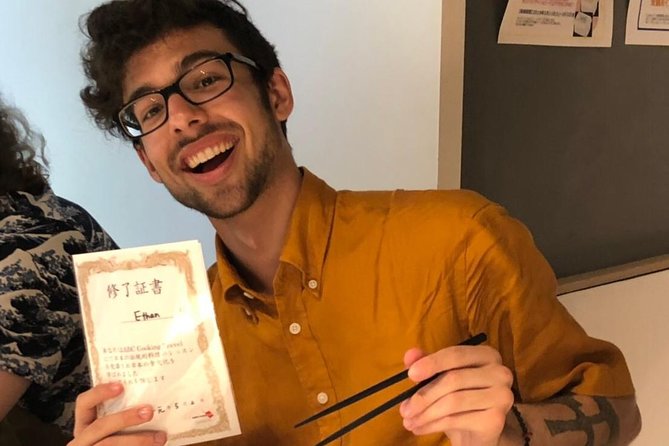
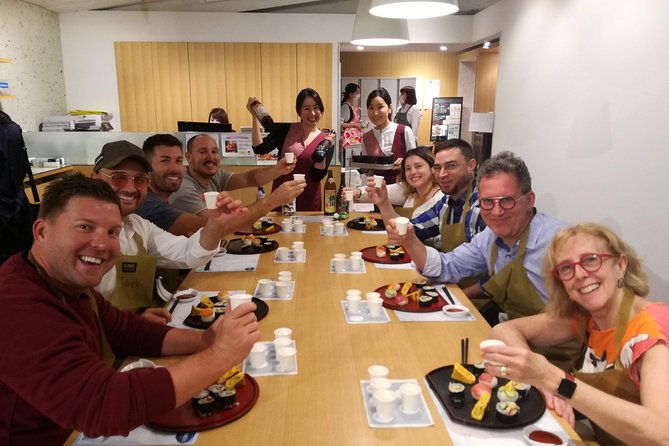
The best payoff comes at the end, when you sit down with the food you prepared. Rather than watching a chef cook a meal that you never touch, you get to eat the sushi, omelet, soup, and side dishes made during the lesson.
The tour description says lunch may be accompanied by wine, plum sake, or soft drinks, while the included items specifically list drinking water. Because the beverage arrangement may vary, confirm what is included when booking if that detail affects your budget.
Portions are enough to make the class feel like lunch, but this is not a high-end sushi tasting. Two lower-rated experiences felt they had not made enough food for the price. That criticism is fair for people expecting a large meal or premium seafood. The value lies in the combined activity, instruction, translation, and meal, not in the quantity of fish alone.
You also leave with methods you can repeat. A sushi mat, rice, filling, and a tamagoyaki pan can turn the lesson into a useful souvenir in your own kitchen. The class does not appear to provide a formal take-home cookbook in the supplied details, so take notes or photographs of permitted steps if you want to recreate the dishes later.
Is the $99.49 price fair?
At $99.49, this is not the cheapest way to see Tsukiji or eat sushi in Tokyo. You can visit the outer market on your own, and you can buy a prepared meal without paying for instruction.
The price makes more sense if you value several services at once:
- An English-speaking guide in a confusing market
- Guided tastings and explanations of unfamiliar foods
- Transportation to the cooking studio
- A 90-minute lesson with an instructor
- Use of an apron and a meal made during class
- A small group capped at six people
For a family, the translation and hands-on structure can be worth a lot. Parents do not need to explain every market sign, and children have a clear activity instead of simply walking through food stalls. The minimum age is 9, and the minimum height is 130 centimeters, so this is not designed for toddlers or very small children.
For a solo visitor, the value depends on your goals. The minimum booking requirement is two people, and the small format can make it easier to meet another couple or small group. If you mainly want market photography or a long period of free browsing, the guided hour may feel short.
The 4.9 rating from 390 reviews and 97 percent recommendation figure indicate strong overall satisfaction, but the lower ratings point to a real limitation: the class is introductory. Book it for access, guidance, and participation, not as an advanced sushi apprenticeship.
Who will enjoy this morning most?
I would recommend this experience to first-time visitors who want food, culture, and a simple plan in one morning. It also fits families with older children, couples, and small groups of friends who would rather make lunch than sit through a formal food lecture.
It is a good choice if you want to taste foods you might otherwise overlook. Dried scallops, mochi, beans, tamagoyaki, and small seafood snacks give you a wider view of Japanese eating than a single sushi restaurant can provide.
You may want something else if you already know Tsukiji well, have advanced sushi skills, or expect to select market ingredients and then cook those exact ingredients in class. The tour does not promise that connection. The market and lesson are linked by theme, but they are separate parts of the morning.
Allow extra time afterward if you want to shop or eat more at Tsukiji. The three-hour schedule gives you an introduction, not a full day in the district.
Practical details before you book
The activity lasts approximately three hours, with about five minutes at Tsukiji Hongwanji Temple, one hour at the market, and 90 minutes at ABC Cooking Studio. Mobile tickets are accepted, and the meeting point is near public transportation.
Hotel pickup and drop-off are not included. You meet at the temple and finish at a different location, so check the end-point details before arranging your next activity.
The tour requires good weather. If poor weather forces cancellation, you can choose another date or receive a full refund. You can cancel for a full refund up to 24 hours before the start time. Changes or cancellations inside that window are not accepted and are not refunded.
Photos taken during the activity may be used on the provider’s website, social networks, or advertisements. If that concerns you, ask about the policy before joining.
Should you book the Tsukiji and sushi class?
Book it if you want an easy, friendly introduction to Tokyo food culture and have little or no sushi-making experience. The combination works well: the guide helps you understand the market, then the cooking class turns Japanese ingredients into a meal you can eat.
I would especially choose it for families with children aged 9 and older, first-time Tokyo visitors, and anyone nervous about navigating Tsukiji alone. I would skip it if your main goal is the tuna auction, a long market crawl, or advanced sushi instruction.
The smartest approach is to arrive with a light appetite, wear comfortable shoes, and treat the market as a guided sampler rather than a complete Tsukiji expedition. At $99.49, it is a fair buy for the structure and hands-on lesson, but only if you will use the cooking skills afterward.
FAQ
How long does the Tokyo Tsukiji Fish Market Tour and Sushi Making Lesson last?
The experience lasts approximately three hours. The planned schedule includes about five minutes at Tsukiji Hongwanji Temple, one hour at Tsukiji Outer Market, and 90 minutes at ABC Cooking Studio.
Does the tour include the tuna auction?
No. Tuna auction watching is not included. The market portion focuses on Tsukiji Outer Market, including its shopping and tasting areas.
What dishes will I make?
The class typically includes sushi rolls and tamagoyaki, the Japanese-style rolled omelet. Depending on the season and ingredient availability, you may also make nigiri sushi, miso soup, stock, and side dishes.
Is transportation between the market and cooking studio included?
Yes. Transportation between Tsukiji Market and the cooking studio is included. Hotel pickup and drop-off are not included.
What are the age and height requirements?
The minimum age is 9 years old, and the minimum height is 130 centimeters. Strollers and luggage are not allowed.
Can I cancel for a refund?
You can cancel at least 24 hours before the experience start time for a full refund. Cancellations or changes made less than 24 hours before the start time are not accepted or refunded. If bad weather or an insufficient number of participants causes cancellation, you are offered another date or a full refund.
Just added in Tokyo
- Private Unforgettable Mt Fuji Tour with English Speaking Driver★ 5.0 · 142 reviews
- Japanese Cooking and Udon Making Class in Tokyo with Masako★ 5.0 · 35 reviews
- Private Kamakura plus Yokohama Tour – English Speaking Driver★ 4.5 · 28 reviews
- Luxury van Ride to famous car meet up spot Daikoku★ 4.5 · 148 reviews
- Private Tour to Mt Fuji and Hakone with English Speaking Driver★ 5.0 · 133 reviews
- Private Harajuku Omotesando Architecture Walking Tour★ 5.0 · 67 reviews
- Private Customizable Walking Tour of Tokyo★ 5.0 · 70 reviews
- Japanese Food Cooking Class in Asakusa, Tokyo★ 5.0 · 39 reviews
Cooking Classes, compared.
Sushi Making Tokyo Roll and Authentic Japanese Sushi Class
Read our review →
Roll and Authentic Sushi Making Class in Asakusa
Read our review →
Ramen Cooking Class at Ramen Factory in Kyoto
Read our review →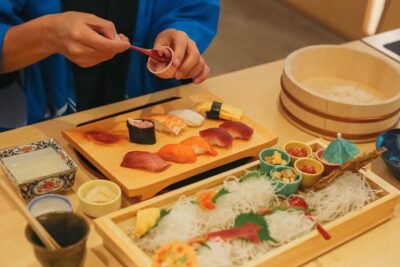
Sushi Making Class in a Happi Coat near a Famous Spot
Read our review →
Sushi Making Osaka Roll and Authentic Japanese Sushi Class
Read our review →
Tokyo Sushi Making Class in Tsukiji with Professional Chef
Read our review →
Ramen & Gyoza Cooking Class in Tokyo with Local Supermarket Visit
Read our review →Browse the lists this tour appears in