
Reviewed · COOKING CLASSES
Kyoto: Afternoon Japanese Izakaya Cooking Class
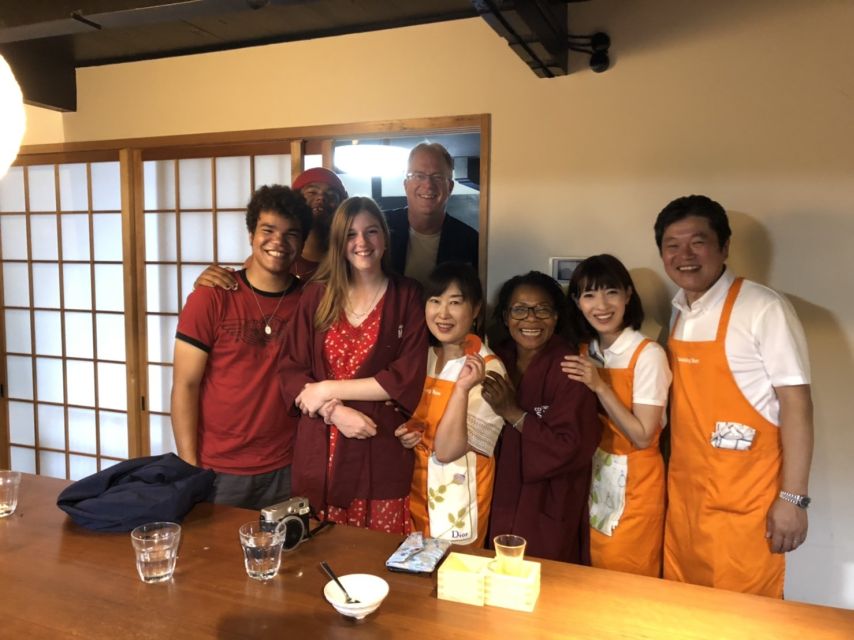
Japanese cooking gets practical here. Kyoto’s three-hour Izakaya class focuses on home-style dishes rather than the usual sushi lesson, with hands-on cooking, shared meals, and plenty of guidance in English. I like the two-part format, which gives you time to cook, eat, and then return to the kitchen for more. I also like that the recipes are simple enough to make again at home.
The main consideration is pace. You may prepare five or six dishes in one afternoon, so the class can move quickly, especially if you are new to Japanese cooking. Still, individual equipment, clear instructions, and patient teachers help keep beginners on track. At $67 per person, this is a strong value if you want both a meal and a useful cultural activity.
In This Review
- Key points at a glance
- What this Kyoto izakaya class is really about
- Meeting the instructors at Cooking Sun
- The first cooking round: preparation, teamwork, and your first meal
- The second round: more dishes and a fuller Japanese meal
- What you learn beyond the recipes
- Food quality, portions, and the take-home recipe set
- Is $67 a fair price for three hours?
- Who should book this class?
- Final call: book it if you want useful food memories
- FAQ
- How long does the Kyoto izakaya cooking class last?
- How much does the experience cost?
- Where does the class meet?
- What language is the class taught in?
- How many dishes will I cook?
- Are ingredients and cooking equipment included?
- Can I request vegetarian or other dietary accommodations?
- Can I cancel and receive a refund?
Key points at a glance
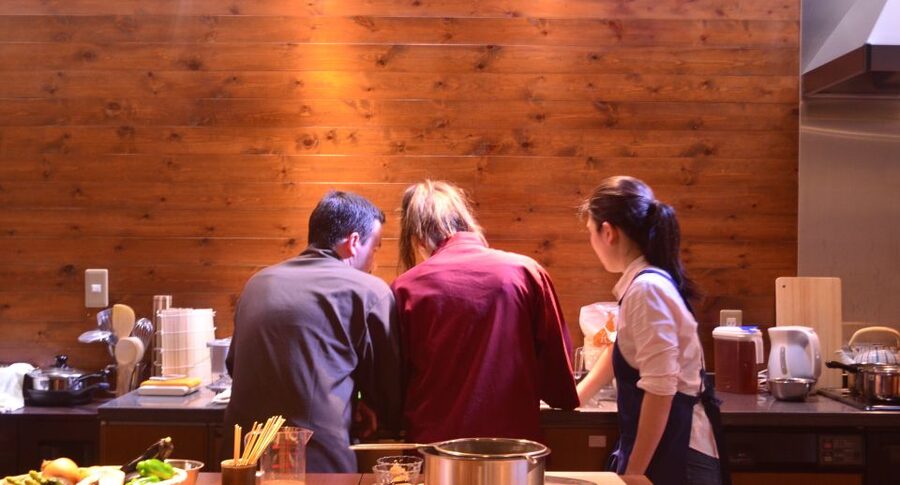
- Six dishes may fill your afternoon: The class is planned in two cooking and eating rounds, and some sessions include five savory dishes plus dessert.
- Home cooking, not just sushi: You may work with basics such as dashi, mirin, and other ingredients used in everyday Japanese food.
- Recipes go home with you: Clear, step-by-step recipe sheets make it possible to recreate the dishes after your Japan trip.
- Friendly English instruction: Teachers such as Yumi and Yumiko have been praised for their warmth, clarity, and humor.
- A good rainy-day choice: The indoor class gives you a useful break from temples, gardens, and Kyoto sightseeing.
- Dietary needs need advance notice: Tell Cooking Sun about requirements when you book so the team can prepare.
What this Kyoto izakaya class is really about
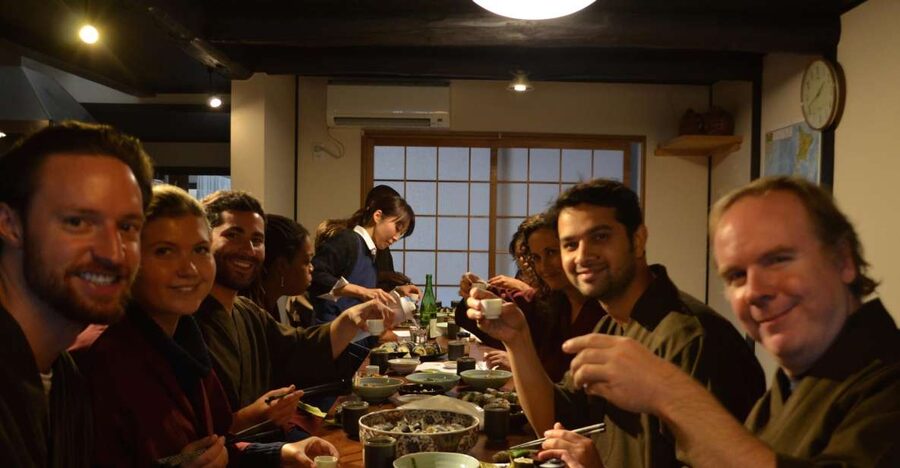
An izakaya is a Japanese drinking and dining spot where small plates arrive over time. Think of it as a casual neighborhood place for shared dishes, conversation, and a drink or two, rather than a formal restaurant with a fixed sequence of courses.
This class brings that spirit into the kitchen. You do not simply watch a chef prepare a polished dish while standing safely out of the way. You cook with the instructor, ask questions, eat what you have made, and then go back to prepare more. That conversational rhythm is a big part of the appeal.
The emphasis is on foods eaten at home and served in local restaurants. That makes the class more useful than a lesson built around one famous dish. You get a better feel for the sauces, broths, seasonings, and basic methods that shape Japanese cooking.
I especially like that the experience is designed for people who want to cook after returning home. Several dishes are traditional without being fussy. You are not expected to be a professional cook, and the class has worked well for complete beginners, teenagers, family groups, and even experienced chefs looking to understand Japanese methods.
More Cooking Classes in Kyoto
- Ramen Cooking Class at Ramen Factory in Kyoto
★ 5.0 · 1,937 reviews - Sushi Making in Kyoto! Same-day bookings welcome!
★ 5.0 · 713 reviews - Kyoto: Ramen Cooking Class at a Ramen Factory with Souvenir
★ 4.9 · 532 reviews
Meeting the instructors at Cooking Sun
The class takes place at Cooking Sun, at Funayacho in Kyoto’s Shimogyo Ward. The listed address is Cooking Sun, Funayacho, Shimogyo Ward, Kyoto, Kyoto 600-8466. Check your booking details for the exact meeting instructions and starting time, since the available start times can vary.
English is the teaching language. That matters in a hands-on lesson, where a small misunderstanding about heat, timing, or seasoning can affect the final dish. The instructors have been praised for speaking clearly and explaining each task in simple terms.
Names that come up in the class feedback include Yumi and Yumiko. They are described as warm, entertaining, patient, and helpful. Other instructors have also received praise for creating a relaxed atmosphere, so the exact teacher may depend on the session.
The tone is closer to cooking together with a friendly local host than to attending a formal culinary school. You should expect conversation while preparing food and eating it. That social side suits people who enjoy asking questions and meeting other participants.
The first cooking round: preparation, teamwork, and your first meal
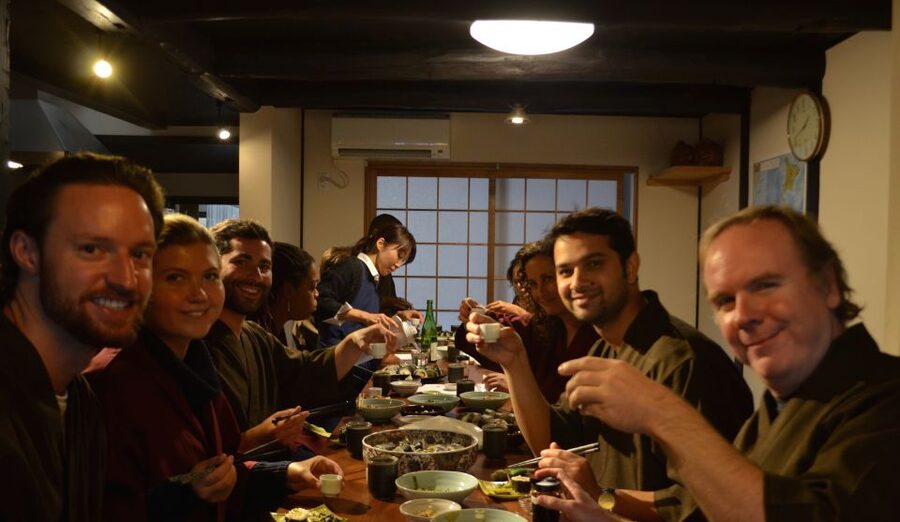
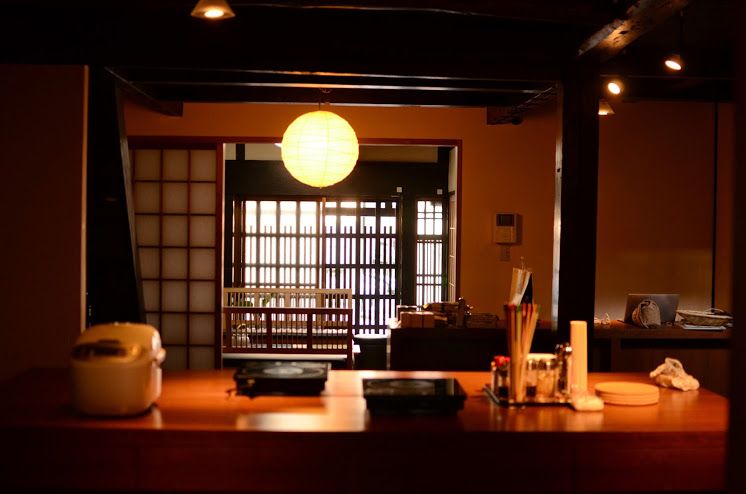
The afternoon begins in the kitchen with ingredients, an apron, and cooking utensils provided. You work with the chef to prepare the first two or three dishes, then sit down to eat them.
The exact menu can vary, but the focus is on savory Japanese dishes and basic methods that are possible to repeat at home. One particularly useful lesson described by a participant involved making dashi broth from the basics. For anyone who has wondered why Japanese soups and sauces taste so rounded, this kind of explanation is more valuable than simply being handed a finished stock.
You should expect to chop, mix, season, and cook rather than only observe. The class is arranged so that tasks are approachable, and several people have found the recipes easy to follow. Individual equipment has also been praised, which means you are not left waiting for one pan or knife to become available.
Then comes the first meal. Eating immediately after cooking helps you understand what each step did. You can compare the texture, salt level, and balance of the finished dishes while the lesson is still fresh.
This first round also gives you a chance to settle into the group. Izakaya dining is social, and the class reflects that. You eat while talking with the chef and the other participants, rather than treating the meal as a silent reward at the end.
The second round: more dishes and a fuller Japanese meal
After eating, you return to the kitchen for another two or three dishes. This is where the class becomes especially good value. In three hours, you are not paying for one recipe and a small taste. You may prepare a full spread of dishes, then eat again.
Past menus have included as many as six dishes, sometimes five savory items and a dessert. The advertised structure is two or three dishes in each of two rounds, so the final number and menu may change. You should view the class as a broad introduction rather than a fixed menu experience.
The second round may feel faster. You have already learned the setup, and the instructors need to fit several dishes into the remaining time. One useful tip is to listen closely at the start of each recipe and keep your workspace organized. The food is simple enough for beginners, but the schedule leaves little room for wandering off or losing track of a step.
That pace is the clearest drawback. If you want a slow, meditative lesson devoted to one perfect dish, this is not that kind of class. If you want to learn a range of everyday foods and enjoy a substantial meal, the busy format works in your favor.
The final meal gives you a chance to see how the dishes work together. Izakaya food is meant to be shared, so variety is part of the point. A selection of small plates can teach you more about the style than one large main course.
A completely different kind of day out:
- PERFECT KYOTO 1-Day Bus Tour
★ 5.0 · 13,518 reviews - [Kyoto & Nara Day Tour] Sagano Scenic Railway & Nara Park & Fushimi Inari Taisha Thousand Torii Gates & Togetsukyo Bridge & Bamboo Grove & Kimono Forest (Departing from Osaka)
★ 4.9 · 10,942 reviews - Kyoto: Fushimi Inari, Kinkakuji, Bamboo Grove 1 Day Bus Tour
★ 4.8 · 4,316 reviews - Kyoto: Tea Ceremony in a Traditional Tea House in Kiyomizu
★ 4.9 · 3,519 reviews
What you learn beyond the recipes
A good cooking class teaches technique, but a useful one also explains why the food matters. This experience introduces the everyday side of Japanese dining culture, including how food is prepared, served, and enjoyed in a casual setting.
You may learn about ingredients that are less familiar outside Japan. Dashi and mirin are two examples often mentioned by participants, and both are practical additions to a home kitchen if you enjoy Japanese food. The class can help you understand how these ingredients are used rather than treating them as mysterious items on a shopping list.
The recipes also give you a way into Japanese food beyond the dishes most often associated with tourism. Sushi has its place, but it does not represent the whole of Japanese cooking. Izakaya dishes can show you more about ordinary meals, shared plates, and the balance of savory flavors.
I like the cultural context because it stays connected to something you are doing with your hands. You are not sitting through a lecture about Japanese food customs. You are learning while stirring, seasoning, tasting, and eating.
Food quality, portions, and the take-home recipe set
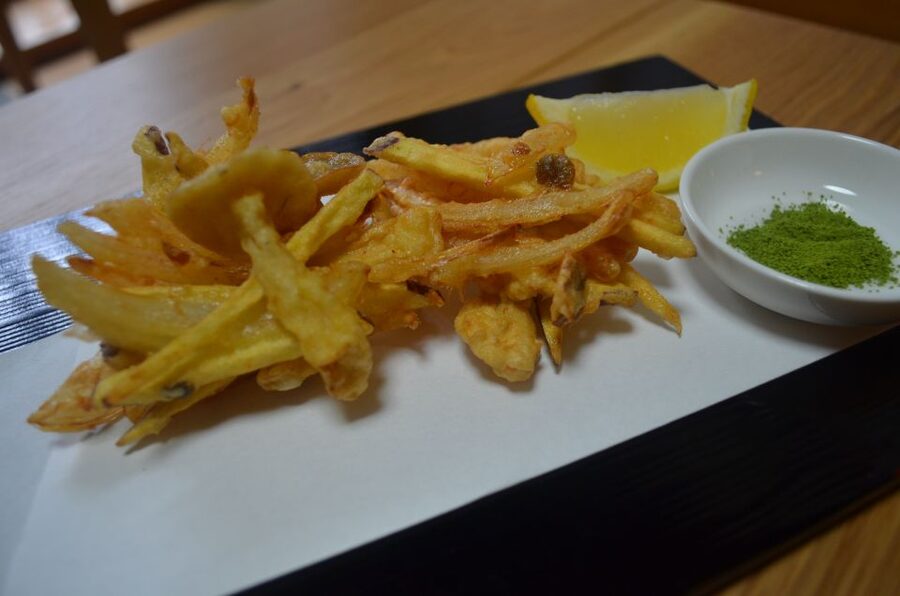
The food receives some of the strongest praise. One participant called the okonomiyaki the best they had eaten, while others singled out the overall menu as tasty, traditional, and varied.
You should not expect a restaurant-style tasting menu prepared entirely by a professional. You are making the food yourself, and the class is aimed at teaching rather than showing off. That said, the repeated praise for the finished dishes suggests the recipes are designed to produce satisfying results without requiring advanced skill.
The recipe set is an important part of the value. You receive written instructions that explain the dishes step by step, and several people specifically appreciated how easy they were to use at home. This turns the class into something more lasting than an afternoon meal.
The recipe pages may also help you shop for Japanese ingredients after returning home. You might find yourself looking for dashi, mirin, or the utensils used during the lesson. One participant even bought cooking tools as a practical souvenir.
If you have dietary requirements, tell the local supplier when booking. A vegetarian participant received separate utensils and pans when needed, but you should not rely on a last-minute request being possible. Advance notice gives the instructors a fair chance to prepare a suitable arrangement.
Is $67 a fair price for three hours?
At $67 per person, the price is reasonable for Kyoto, especially when you count the ingredients, instruction, apron, utensils, and food you eat during the class. You also receive recipes that can continue to be useful long after the afternoon ends.
The best comparison is not simply the cost of a meal. You are paying for a three-hour activity, several dishes, an English-speaking instructor, and direct participation. If you planned to eat at a casual izakaya anyway, the class gives you a meal plus a skill and cultural lesson.
Value depends on your cooking interest. Someone who dislikes kitchens may prefer a food tour or restaurant meal. Yet this class has worked well even for people who do not usually cook, including one participant whose husband joined and enjoyed it.
The reserve-now-and-pay-later option can help if your Kyoto schedule is still changing. Free cancellation is available up to 24 hours before the class for a full refund. Read the booking conditions at the time you reserve, since specific availability and start times can change.
Who should book this class?
I would recommend it most strongly to:
- First-time visitors who want a break from sightseeing
- Couples and families who enjoy making things together
- Beginners who want clear instructions rather than advanced culinary training
- Food lovers who want more than sushi and ramen
- People who like bringing home a practical souvenir
- Anyone looking for an indoor activity on a wet or very hot afternoon
It is also suitable for mixed groups. A teenager can take part, a reluctant cook can manage the tasks, and an experienced home cook may still pick up useful ideas about broth and seasoning.
The class may be less suitable if you need a very slow pace or want a guaranteed, published menu. The session can be busy because several dishes are prepared in three hours. You should also share dietary needs before booking, not after arriving.
Final call: book it if you want useful food memories
I would book this Kyoto cooking class if you want to understand Japanese food by preparing it yourself. The strongest points are the friendly English instruction, the variety of dishes, and the practical recipes you can use at home.
The format is social and fairly fast, but that is also why you get so much from three hours. You cook, eat, learn about ingredients, and leave with more than photographs of dinner.
For $67, Cooking Sun offers a solid mix of food, culture, and hands-on practice. Choose it over a standard sushi lesson if you want a wider look at home-style Japanese cooking and the casual spirit of an izakaya.
FAQ
How long does the Kyoto izakaya cooking class last?
The class lasts three hours.
How much does the experience cost?
The listed price is $67 per person.
Where does the class meet?
It meets at Cooking Sun, Funayacho, Shimogyo Ward, Kyoto, Kyoto 600-8466.
What language is the class taught in?
The class is taught in English.
How many dishes will I cook?
The course is divided into two parts, with two or three dishes prepared in each part. Some sessions have included six dishes, including dessert, but the exact menu can vary.
Are ingredients and cooking equipment included?
Yes. The class includes ingredients, an apron, utensils, and the cooking lesson.
Can I request vegetarian or other dietary accommodations?
You should tell the local supplier about dietary requirements when booking. Advance notice is required so the team can prepare appropriately.
Can I cancel and receive a refund?
You can cancel up to 24 hours in advance for a full refund. The activity also offers a reserve-now-and-pay-later option.
More Bar Hopping and Izakaya Tours in Kyoto
- Kyoto: Izakaya Bars Guided Walking Tour
★ 4.9 · 815 reviews - Kyoto Bar Hopping Night Tour
★ 5.0 · 613 reviews - Kyoto Local Bar Crawl in Kawaramachi Area
★ 5.0 · 378 reviews - Izakaya Style Cooking Class
★ 5.0 · 219 reviews
Just added in Kyoto
- The “Golden Route” and Ancient Japan by DIAMIR Erlebnisreisen – 14-Day Tour★ 2.0 · 2 reviews
- Japan: Castles & Cuisine by G Adventures – 6-Day Kyoto to Osaka Tour★ 4.5 · 4 reviews
- Cycle Japan by Explore! – 13-Day Kyoto to Tokyo Tour★ 4.7 · 12 reviews
- Cycle Japan by Intrepid Travel – 11-Day Kyoto to Tokyo Tour★ 4.8 · 2 reviews
- Classic Japan by Intrepid Travel – 11-Day Kyoto to Tokyo Tour★ 4.4 · 14 reviews
- Ancient & Modern Japan 14-Day Tour by Exodus Adventure Travels★ 4.4 · 40 reviews
- 5 Day Cultural Adventure of Kyoto, Nara & Osaka by Tourist Journey★ 2.5 · 2 reviews
- 12 Days Kinosaki Onsen Escape: A Journey Through Japan’s Timeless Towns by UME Travel★ 4.8 · 5 reviews
Cooking Classes, compared.
Sushi Making Tokyo Roll and Authentic Japanese Sushi Class
Read our review →
Roll and Authentic Sushi Making Class in Asakusa
Read our review →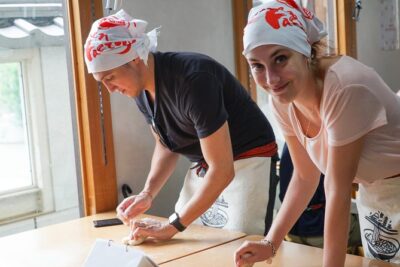
Ramen Cooking Class at Ramen Factory in Kyoto
Read our review →
Sushi Making Class in a Happi Coat near a Famous Spot
Read our review →
Sushi Making Osaka Roll and Authentic Japanese Sushi Class
Read our review →
Tokyo Sushi Making Class in Tsukiji with Professional Chef
Read our review →
Ramen & Gyoza Cooking Class in Tokyo with Local Supermarket Visit
Read our review →Browse the lists this tour appears in