
Reviewed · CYCLING AND E-BIKE TOURS
Kyoto: Full-Day City Highlights Bike Tour with Light Lunch
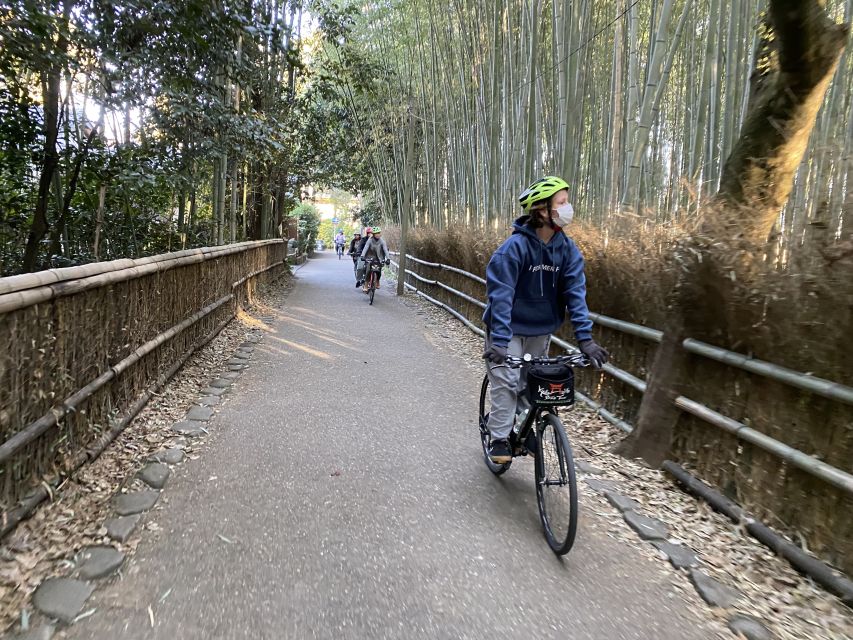
Kyoto rewards riders who keep moving. This 44-kilometer bike tour links the city’s biggest sights with quieter lanes, riverside stretches, and small corners that buses cannot reach. I like the route’s sheer range: bamboo, shrine gates, geisha streets, a hilltop temple, and the Golden Pavilion all fit into one long day.
I also like the small groups of no more than eight people and the guides’ personal touch. Rob, Cass, Peter, and Ray are repeatedly praised for clear explanations, careful riding, good humor, and taking photos along the way. The catch is simple: this really is an eight-hour ride. If you are not used to cycling long distances, ask about a pedal-assist bike before booking.
In This Review
- Key points at a glance
- Why this route works so well in one day
- Starting at Saga-Arashiyama Station
- Arashiyama Bamboo Grove: beautiful, busy, and worth an early look
- Fushimi Inari: vermilion gates and fox guardians
- Lunch gives your legs a needed pause
- Gion: Kyoto’s cultural heart by bicycle
- Kiyomizu-dera: eastern Kyoto’s great temple
- Kinkaku-ji: the Golden Pavilion finale
- The ride back to Arashiyama
- Is a pedal-assist bike worth the extra cost?
- The best reasons to book, and the main reasons to hesitate
- Should you book this Kyoto bike tour?
- FAQ
- How long is the Kyoto bike tour?
- Where does the tour start and finish?
- Which Kyoto sights are included?
- Is lunch included?
- Is the tour suitable for beginners?
- What should I wear and bring?
Key points at a glance
- About 44 km of riding: This is a serious full-day cycling outing, not a gentle spin around one neighborhood.
- Five major Kyoto sights: You visit Arashiyama, Fushimi Inari, Kiyomizu-dera, Gion, and Kinkaku-ji.
- Small English-speaking group: With up to eight participants, the guide can answer questions and keep an eye on the group.
- Pedal-assist bikes can make a big difference: Several riders found the e-bike upgrade well worth the extra cost, especially in summer.
- A local lunch is included: The meal is light, with curry udon among the options enjoyed on the tour.
- Winter changes the pace: From December through February, stops are shortened so the group can finish before sunset.
Why this route works so well in one day
Kyoto’s famous sights are spread across different parts of the city. Arashiyama sits in the west, Fushimi Inari is southeast, Gion and Kiyomizu-dera are east of the center, and Kinkaku-ji is northwest. Seeing all five by public transport in one day means repeated station changes, packed buses, and plenty of time spent checking maps.
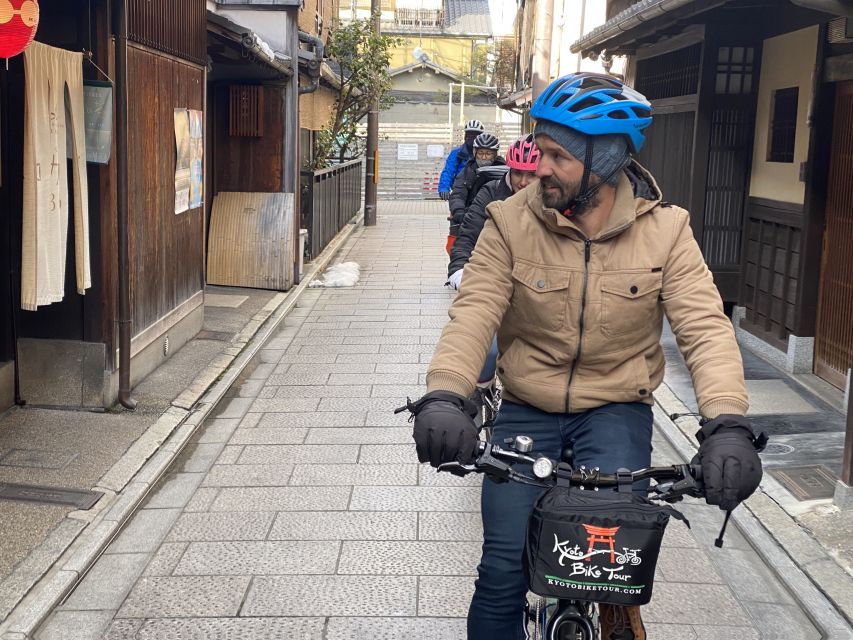
A bicycle gives you a more connected view. You travel between the headline sights through ordinary Kyoto, passing back streets, lanes, gardens, and places where local life continues away from the main visitor flow. One rider especially enjoyed seeing locals fishing and working in gardens. That kind of detail is part of the tour’s value.
The route is not a race. Your guide leads at a manageable pace, stops at the sights, and provides background on Japanese customs, religion, and Kyoto life. Still, the distance adds up. The tour includes roughly 27 miles of cycling, and the riding between stops is a major part of the experience.
The price is $167 per person, including the bicycle, helmet, bottled water, entry fees, guide, and light lunch. That is not a budget activity, but it covers a lot in a city where taxis and multiple admissions can quickly add up. You are also paying for route planning, traffic awareness, a guide who can explain what you are seeing, and a practical way to connect distant districts.
More Bike Tours in Kyoto
- Bike Tour Exploring North Kyoto plus Lunch
★ 5.0 · 1,087 reviews - Arashiyama Bamboo Forest & Hidden Gems Bike Tour (Early Bird)
★ 5.0 · 613 reviews - 5 Top Highlights of Kyoto Full Day Bike Tour (E-bike option)
★ 5.0 · 511 reviews
Starting at Saga-Arashiyama Station
You meet outside JR Saga-Arashiyama Station. Look for a guide wearing a bicycle helmet and a Kyoto Bike Tour shirt. This is a convenient starting point for the western side of Kyoto, but hotel pickup is not included, so you need to reach the station on your own.
The morning begins with a safety briefing and bike fitting. Do not rush this part. A properly adjusted bicycle matters during a long day, especially when your legs still have many hours ahead of them. Helmets and bicycles are supplied, and bottled water is included.
The tour is conducted in English, with a bilingual guide listed among the inclusions. Group size is capped at eight, which is small enough for the guide to offer individual help. Solo visitors can expect more interaction than they would get on a large bus tour. Madison specifically appreciated being included as a solo rider and receiving complete, interesting answers without long lectures.
Wear comfortable clothes and shoes suited to pedaling and walking. Sandals, flip-flops, high heels, boots, and loose clothing are not allowed. Bring clothing suited to the forecast, since Kyoto can be hot in summer and cold in winter.
Arashiyama Bamboo Grove: beautiful, busy, and worth an early look
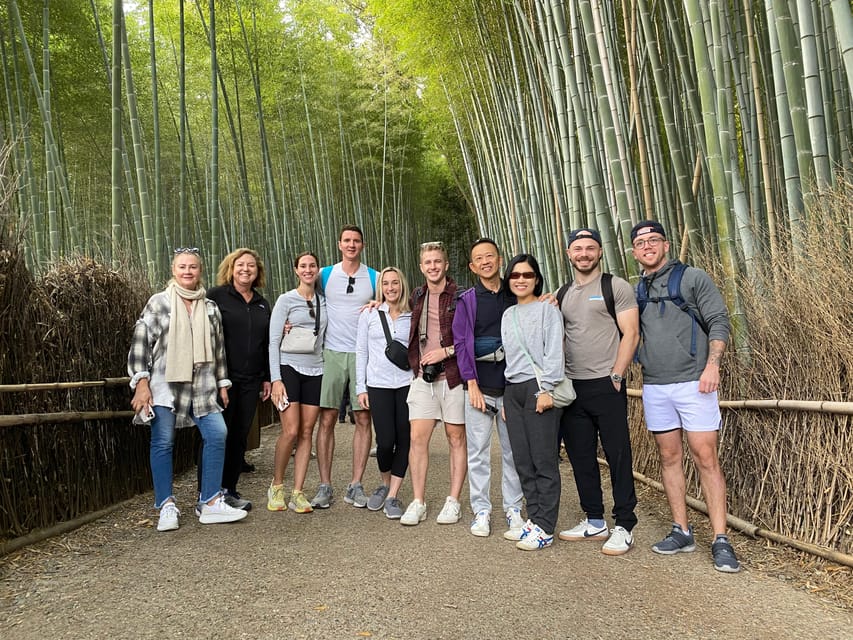
The first major stop is Arashiyama Bamboo Grove. The path runs through tall bamboo stalks that sway above you, creating one of Kyoto’s most recognizable scenes. The color is not simply one flat green. Light, shadow, and the height of the bamboo give the grove a cool, quiet feel even when the path has plenty of people.
You get about 30 minutes for the guided stop, including sightseeing and the bike portion. That is enough for a taste and photographs, but not enough for an unhurried exploration of every nearby attraction. The point here is to see the grove as part of a wider day rather than spend the entire morning in Arashiyama.
One practical detail matters: bicycles do not turn the bamboo path into a private cycling lane. You should expect to walk during the sightseeing portion and follow your guide’s instructions about where bikes can go. The short stop keeps the day moving, which is necessary given the distance ahead.
Fushimi Inari: vermilion gates and fox guardians
Next comes Fushimi Inari Taisha, one of Kyoto’s most memorable shrines. The famous Senbon Torii section is formed by rows of vermilion gates that climb into the wooded hills behind the main shrine buildings. Even a short walk through the gates gives you a strong sense of why this place is so photographed.
The shrine is dedicated to Inari, associated with rice and prosperity, and fox statues appear throughout the grounds as messengers. Your guide can point out the different forms and expressions, turning what could be a quick photo stop into a more meaningful visit.
The listed stop lasts about 30 minutes. That is not enough to walk the full mountain trail, so set your expectations accordingly. You will see the key gate area and shrine grounds, not complete the entire route to the summit.
This is also a place where a guide helps with behavior. Keep voices low around worshippers, pay attention to where you step, and follow the group’s timing. The route includes cycling between the sights, not just sightseeing at them, so the schedule cannot expand indefinitely at each shrine.
A completely different kind of day out:
- PERFECT KYOTO 1-Day Bus Tour
★ 5.0 · 13,518 reviews - [Kyoto & Nara Day Tour] Sagano Scenic Railway & Nara Park & Fushimi Inari Taisha Thousand Torii Gates & Togetsukyo Bridge & Bamboo Grove & Kimono Forest (Departing from Osaka)
★ 4.9 · 10,942 reviews - Kyoto: Fushimi Inari, Kinkakuji, Bamboo Grove 1 Day Bus Tour
★ 4.8 · 4,316 reviews - Kyoto: Tea Ceremony in a Traditional Tea House in Kiyomizu
★ 4.9 · 3,519 reviews
Lunch gives your legs a needed pause
After the morning’s riding and walking, you stop for a light lunch. The exact menu can vary, but curry udon was enjoyed on one outing, and the meal is included in the $167 price.
Do not think of lunch as a long restaurant experience. It is a practical break that gives you time to eat, drink, and reset before the eastern Kyoto section. If you tend to need frequent snacks, carry something small of your own, since the supplied information only promises a light lunch and bottled water.
The food break also helps pace the day. You are not expected to pedal continuously for eight hours, but you do need enough stamina to keep riding after lunch. That is why the e-bike question is important for anyone who cycles only occasionally.
Gion: Kyoto’s cultural heart by bicycle
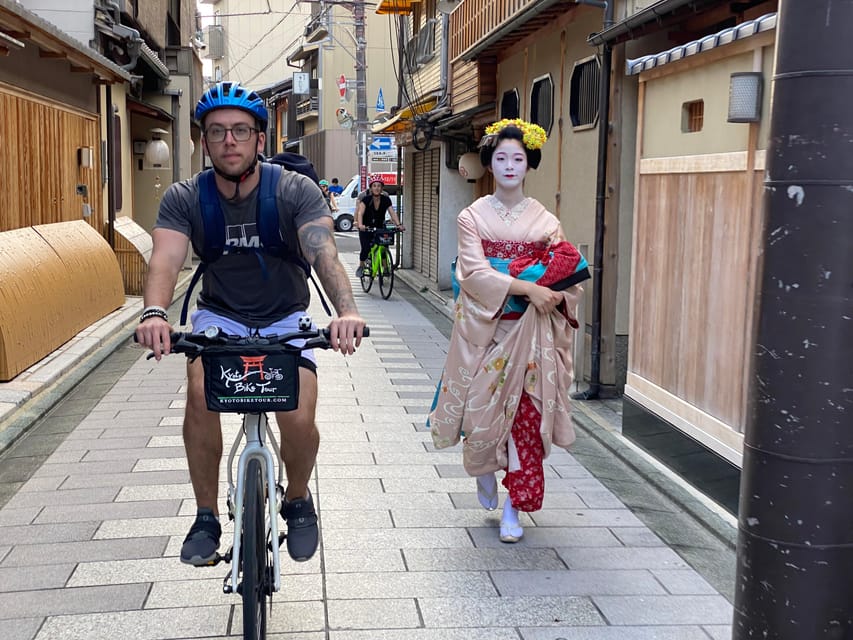
Gion brings a change of mood. The entertainment district is known for traditional wooden buildings, refined restaurants, boutiques, and streets connected with geisha culture. The route includes the wooden Tatsumi Bridge and Hanamikoji Street, where you may see women in colorful kimono moving between appointments or restaurants.
Treat this area as a living neighborhood, not a stage set. Photography should be discreet, and you should never block a narrow lane while trying to get a picture. The guide can explain the difference between a maiko and a geisha and offer context about the district without turning the visit into a hunt for photographs.
Cycling makes this section especially useful. Large vehicles have a hard time reaching many of the smaller streets, while a small group on bicycles can pass through the district and continue without the usual bus drop-off routine. One rider even saw a maiko, described as a rare sight, but that should be treated as luck rather than a promised part of the tour.
The Gion stop is listed at around 30 minutes. You should expect a guided look and some walking, not several hours for shopping, dining, or a full district visit.
Kiyomizu-dera: eastern Kyoto’s great temple
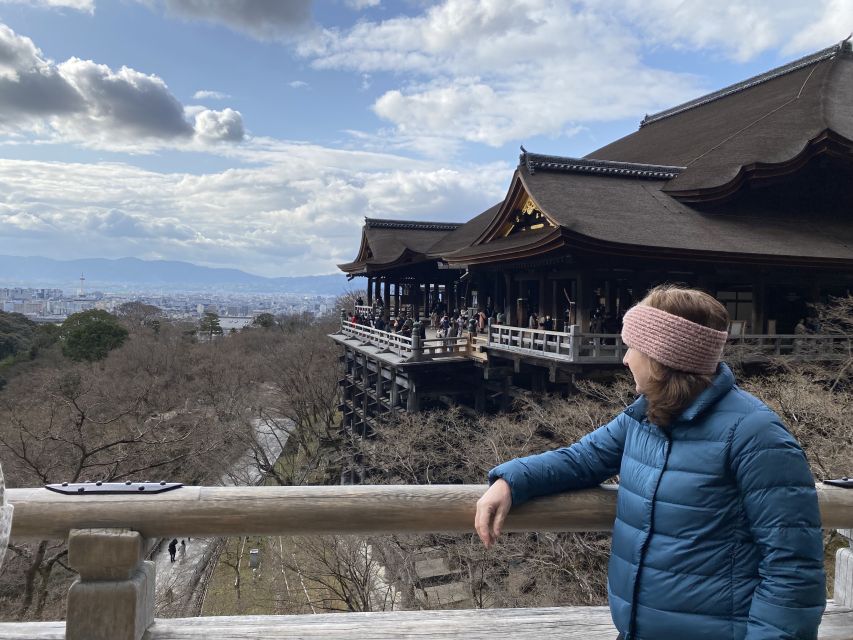
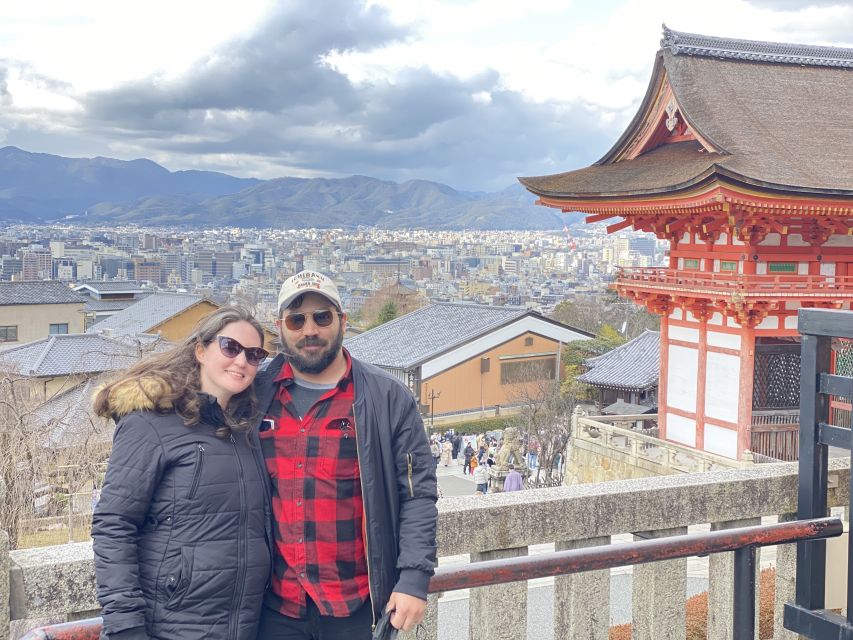
From Gion, the route heads toward Kyoto’s eastern hills and Kiyomizu-dera. This is one of Kyoto’s most important Buddhist temples and a UNESCO World Heritage Site. It is famous for the Otowa Spring, whose waters are associated with medicinal benefits.
The temple’s setting on the hills gives this part of the route a different feel from the flat city streets. You will need to walk around the temple grounds, and some sections can be demanding after several hours in the saddle. The 30-minute listed visit is enough to see the main setting and hear the guide’s explanation, but it is not a full temple tour.
Entry fees are included, which removes one small decision at the gate. Your guide also helps you use the time well, especially if crowds are heavy. A short stop at Kiyomizu-dera can otherwise disappear quickly among steps, viewpoints, buildings, and the Otowa Spring.
By this point, the day’s physical demand becomes clear. The ride is not just a flat sightseeing loop. You are moving across the city and approaching eastern hills, so comfort, fitness, and bike choice matter.
Kinkaku-ji: the Golden Pavilion finale
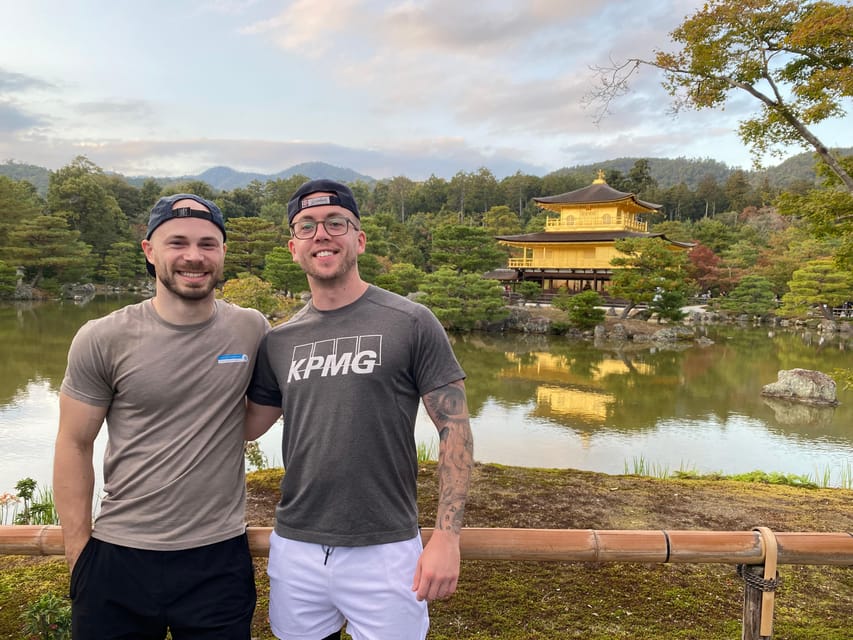
Kinkaku-ji, commonly called the Golden Pavilion, is the visual finale. The 14th-century Zen temple rises beside a reflecting pond, and its gold-covered exterior can look almost unreal when the light is right. One group reached it during the golden hour, when the pavilion’s reflection and warm light made the scene especially striking.
The pavilion is viewed from the garden route rather than entered as an ordinary building. The visit is focused and photographic, but the guide adds context about the temple and its place in Kyoto’s religious and architectural story.
Again, the stop is listed at about 30 minutes. That keeps the day from running late, but it also means you should not expect a leisurely garden visit. Kinkaku-ji can be crowded, and your guide’s timing may help you get the best available view without lingering too long.
Ending here works well. After bamboo, torii gates, geisha streets, and a hill temple, the bright pavilion gives you a final, unmistakably Kyoto image before the ride back west.
The ride back to Arashiyama
The tour finishes with a return to Saga-Arashiyama Station. This final section is not a minor transfer. After nearly 44 kilometers, you will feel the distance, particularly if you used a standard bicycle on a hot day.
The strongest praise for this tour centers on the guides’ handling of the route. Ray was appreciated for patient, safety-conscious riding and for keeping the group organized in busy streets. Cass was praised for friendly, well-timed explanations. Rob was noted for taking photos and finding good moments for the group to pause. Peter was singled out for patience and kindness, including helping a rider complete the long day while feeling unwell.
Those details matter because cycling in an unfamiliar city requires more than local facts. You need someone who reads traffic, keeps the group together, notices when people are tiring, and explains why a shrine or street matters.
Is a pedal-assist bike worth the extra cost?
For many people, yes. Several riders said the e-bike upgrade made the long route easier, especially in hot weather or on sections that felt demanding. A pedal-assist bicycle still requires you to pedal, but it reduces the strain when you are tired or facing a slope.
You do not need to be a competitive cyclist. You do need to be comfortable riding a bicycle for most of a day. If your usual cycling is limited to short errands, I would strongly consider pedal assist and ask about the additional charge before confirming.
The tour is not suitable for children under 14, people who cannot ride a bike, people with low fitness, or anyone with back problems or mobility impairments. Those limits are reasonable given the distance, repeated mounting and dismounting, walking at major sights, and city riding.
Summer heat can make the ride harder. One rider noted that a hot day was much easier with an e-bike and plenty of water. In winter, the tour shortens sightseeing stops from December through February so the group can return before sunset. That means fewer minutes at some sights, but it is a sensible seasonal adjustment.
The best reasons to book, and the main reasons to hesitate
I would choose this tour if I had only one day for Kyoto’s major sights and wanted more than a station-to-station schedule. You get the famous places, but also the spaces between them. The back lanes and quieter routes help you understand the city as a working place rather than a collection of monuments.
The guides are another strong reason to book. The best feedback focuses on humor, cultural respect, safety, clear organization, and explanations that are detailed without becoming tiring. A small group makes it easier to ask questions and get help with photographs.
The main reason to hesitate is the length. Eight hours and about 44 kilometers is a lot, even at a relaxed pace. The lunch is light, the stops are fairly brief, and the tour keeps moving because it has so much ground to cover.
You should also remember that hotel pickup and drop-off are not included. You need to reach JR Saga-Arashiyama Station at the appointed start time and return there at the end.
Should you book this Kyoto bike tour?
Book it if you are reasonably fit, enjoy active sightseeing, and want to connect Arashiyama with Kyoto’s eastern and northern highlights in one well-planned day. It is particularly useful for solo visitors, couples, and small groups who value a guide’s local context and prefer quiet lanes to tourist buses.
Choose the pedal-assist option if you are unsure about the distance, visiting in hot weather, or rarely ride long distances. Skip this tour if you want slow temple visits, frequent free time, or a gentle half-day outing.
At $167, the value is strongest for people who want efficiency without losing the feel of the city. You will work for the sights, but you will also see how Kyoto fits together. For an active visitor, that trade is a good one.
FAQ
How long is the Kyoto bike tour?
The tour lasts eight hours and includes approximately 44 kilometers, or 27 miles, of riding.
Where does the tour start and finish?
You meet outside JR Saga-Arashiyama Train Station. The tour also returns to Saga-Arashiyama Station at the end.
Which Kyoto sights are included?
The route includes the Arashiyama Bamboo Forest, Fushimi Inari Taisha Shrine, Kiyomizu-dera, Gion, and Kinkaku-ji, also known as the Golden Pavilion.
Is lunch included?
Yes. A light lunch and bottled water are included. Curry udon was served on one tour, but the specific meal may vary.
Is the tour suitable for beginners?
You need to be able to ride a bicycle and manage a full day with about 44 kilometers of cycling. The tour is not suitable for people with low fitness, back problems, or mobility impairments. A pedal-assist bicycle may help, and several riders considered it worth the extra cost.
What should I wear and bring?
Wear comfortable clothes and shoes, along with weather-appropriate clothing. High heels, sandals, flip-flops, boots, and loose clothing are not allowed.
More Lunch Experiences in Kyoto
- Osaka/Kyoto: Arashiyama, Nara & Fushimi Inari Shrine w/Lunch
★ 4.4 · 754 reviews - Kyoto Zen Meditation & Garden Tour at a Zen Temple with Lunch
★ 5.0 · 441 reviews - 4.5-Hour Kyoto Bike Tour with Lunch and UNESCO Zen Temples
★ 5.0 · 122 reviews - From Kyoto: Nara History Guided Half Day Bus Tour with Lunch
★ 4.8 · 114 reviews
More Sightseeing Tours in Kyoto
- Kyoto: Private Highlights Tour with Guide and Luxury Vehicle
★ 4.6 · 316 reviews - Kyoto & Uji: Full Day Sightseeing Tour from Osaka or Kyoto
★ 5.0 · 25 reviews - Private Guided Historical Sightseeing Tour in Kyoto
★ 3.5 · 24 reviews - Kyoto Half Day Highlights Tour
★ 5.0 · 19 reviews
Just added in Kyoto
- The “Golden Route” and Ancient Japan by DIAMIR Erlebnisreisen – 14-Day Tour★ 2.0 · 2 reviews
- Japan: Castles & Cuisine by G Adventures – 6-Day Kyoto to Osaka Tour★ 4.5 · 4 reviews
- Cycle Japan by Explore! – 13-Day Kyoto to Tokyo Tour★ 4.7 · 12 reviews
- Cycle Japan by Intrepid Travel – 11-Day Kyoto to Tokyo Tour★ 4.8 · 2 reviews
- Classic Japan by Intrepid Travel – 11-Day Kyoto to Tokyo Tour★ 4.4 · 14 reviews
- Ancient & Modern Japan 14-Day Tour by Exodus Adventure Travels★ 4.4 · 40 reviews
- 5 Day Cultural Adventure of Kyoto, Nara & Osaka by Tourist Journey★ 2.5 · 2 reviews
- 12 Days Kinosaki Onsen Escape: A Journey Through Japan’s Timeless Towns by UME Travel★ 4.8 · 5 reviews
Cycling and E-Bike Tours, compared.
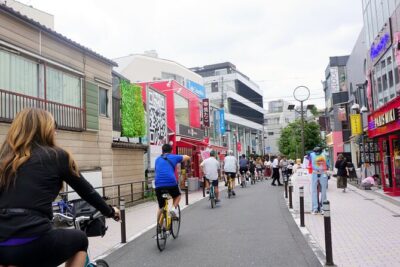
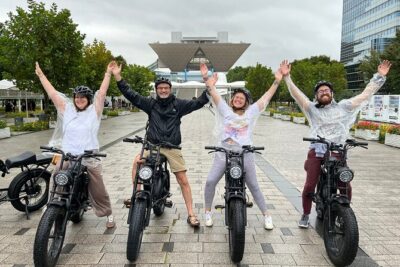
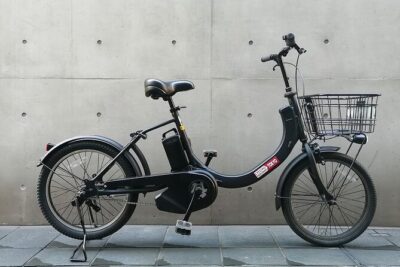
3h Tokyo E-Bike Tour: Hidden Gems, and Local Life with guide
Read our review →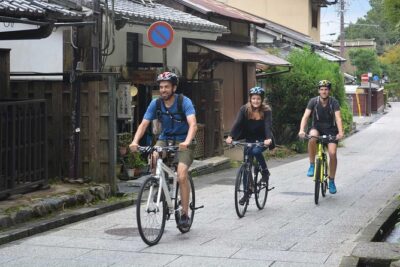
Arashiyama Bamboo Forest & Hidden Gems Bike Tour (Early Bird)
Read our review →
5 Top Highlights of Kyoto Full Day Bike Tour (E-bike option)
Read our review →

Hiroshima 2hr Peace Cycling Tour with Local Guide
Read our review →Browse the lists this tour appears in