
Reviewed · TEA CEREMONIES
Kyoto Tea Ceremony & Kiyomizu-dera Temple Walking Tour
Kyoto rewards a slower first morning. This three-hour walk links Kiyomizu-dera Temple with old lanes, Otowa Waterfall, and a traditional tea ceremony, giving you both famous sights and a taste of everyday Japanese customs. I like the small maximum of six people, and I like that the guide handles the winding streets while explaining Shinto and Buddhist traditions. The main drawback is the price, $109.39 per person, which is substantial for a three-hour tour.
The 9 a.m. start at Yasaka Shrine makes this a useful first-day activity. You get your bearings in eastern Kyoto, see several major sights, and finish back where you began. The tour also includes the temple entrance, matcha, snacks, and photos, so the cost is easier to justify if you value personal guidance and a quiet cultural activity.
A small warning: the meeting point can be confusing at Yasaka Shrine’s Western Tower Gate, so arrive early and check the exact gate before setting out. Summer mornings can also be hot and humid. Bring water, wear a hat, and expect uphill walking on stone streets.
In This Review
- Key points to know before booking
- Why this makes a useful first morning in Kyoto
- Meeting at Yasaka Shrine’s Western Tower Gate
- Kiyomizu-zaka and the old lanes of Higashiyama
- Sannenzaka and Ninenzaka, with one famous warning
- Entering Kiyomizu-dera and its wooden stage
- Otowa Waterfall and the three streams
- A traditional tea ceremony and matcha
- What $109.39 buys you
- Who should book this morning walk?
- Practical tips for a smoother visit
- Should you book the Kyoto tea and temple walk?
- FAQ
- How long does the Kyoto tea ceremony and Kiyomizu-dera tour last?
- Where does the tour begin?
- What time does the tour start?
- Where does the tour end?
- Is the Kiyomizu-dera entrance fee included?
- Is a tea ceremony included?
- How large is the group?
- Are children under six allowed?
Key points to know before booking
- Maximum six people: The small group leaves room for questions and makes the temple walk feel personal.
- Kiyomizu-dera admission included: You do not need to buy a separate temple ticket.
- Tea ceremony and matcha: The cultural portion adds a calm, hands-on moment after the busy streets.
- Old Kyoto streets: Kiyomizu-zaka, Sannenzaka, and Ninenzaka provide traditional shops, sweets, pickles, and photo stops.
- Guide-led orientation: Guide Hide has been praised for explaining Shinto, Buddhism, temple customs, and local details in a relaxed way.
- Three-hour morning plan: The tour ends at the original meeting point, leaving the rest of your day open.
Why this makes a useful first morning in Kyoto
Kyoto has no shortage of temples, but the problem is deciding how to connect them without wasting time. This tour gives you a clear route from Yasaka Shrine through the Higashiyama area to Kiyomizu-dera, with a guide filling in the meaning behind what you see.
I especially like this arrangement for a first visit. You are not simply dropped at a famous temple and left to figure out the rituals, gates, and side paths on your own. The guide can explain what you are looking at, answer questions, and point out details you might pass without noticing.
The small group matters here. Kiyomizu-dera and the streets around it can draw large crowds, and a big tour group would make the narrow lanes awkward. With no more than six people, you should have a better chance to hear the guide and ask about customs without turning the walk into a parade.
The pace is still a walking-tour pace, not a leisurely day in a garden. You will cover several streets, climb slopes, and spend time standing at temple viewpoints. If you have limited mobility or dislike hills, this may feel tiring even though the total duration is only about three hours.
More Tea Ceremonies in Kyoto
- Kyoto: Tea Ceremony in a Traditional Tea House in Kiyomizu
★ 4.9 · 3,519 reviews - Kyoto: Tea Ceremony Ju-An at Jotokuji Temple
★ 4.9 · 3,207 reviews - Kyoto: 45-Minute Tea Ceremony Lesson Experience
★ 4.3 · 2,378 reviews
Meeting at Yasaka Shrine’s Western Tower Gate
The tour begins at 9 a.m. at Yasaka Jinja Nishiromon Gate, also called the Western Tower Gate, at 625 Gionmachi Kitagawa in Kyoto’s Higashiyama Ward. Yasaka Shrine is near public transportation, but the shrine has more than one gate and several recognizable structures.
This is the one point where I would build in extra time. One person described feeling panicked because the meeting location needed more explanation. The guide eventually made the experience relaxed, but you do not want to begin the morning searching around a large shrine complex.
Once the group gathers, the opening walk helps place you in Kyoto’s eastern temple district. The route includes photo opportunities before heading toward Kiyomizu-zaka and the temple area. The tour returns to this same meeting point at the end, which makes planning your next stop simple.
Because the start and finish are the same, you can leave luggage at your accommodation rather than carrying extra bags through the old streets. Keep your phone charged, since the ticket is mobile and the guide takes photos during the tour.
Kiyomizu-zaka and the old lanes of Higashiyama
The approach to Kiyomizu-dera is part of the experience, not just a way to reach the entrance. Kiyomizu-zaka is made up of several traditional-feeling streets lined with old teahouses, Japanese sweets shops, pickles, and sundried foods.
The slope gives you a sense of how Kyoto’s temple districts are arranged. The farther you climb, the more the shops shift toward souvenirs and small foods associated with Kyoto. Yatsuhashi, a local sweet, and pickled vegetables are among the kinds of products you may see.
These lanes are photogenic, but they are also commercial. You will find plenty of merchandise aimed at sightseers, and the route may be crowded. That is part of the trade-off for visiting one of Kyoto’s best-known temple areas. The guide helps by explaining what is traditional and what is simply a good place for a photograph or snack.
The tour also visits Yasakakoshindo, a colorful temple in the area. Its bright appearance gives you a change from the restrained wood and stone found at many Kyoto temples. A short stop here can make the walk feel more varied, especially if you enjoy unusual religious imagery and colorful architecture.
The route passes through Kiyomizu-zaka Street, a roughly one-kilometer pilgrimage route toward Kiyomizu-dera. The lower section is quieter, while the upper portion near Gojozaka and Sannenzaka has more souvenir shops and calls from shopkeepers. You get both the ordinary slope and the more polished tourist approach.
Sannenzaka and Ninenzaka, with one famous warning
Sannenzaka and Ninenzaka are among the most recognizable lanes near Kiyomizu-dera. Their stone surfaces, wooden buildings, and sloping paths offer the old-Kyoto setting many people hope to see.
Sannenzaka comes with a memorable local legend. One version says that falling on the slope means you will die within three years, or lose three years from your life. The story is generally treated as an old warning to watch your step, but it adds a little humor to a steep and sometimes uneven street.
Take the warning in the practical sense. Wear shoes with a good grip, especially if rain has made the stones slick. The slopes are manageable for many people, but they are not ideal for rushing or wearing delicate footwear.
This section is also where the tour’s photo service can be useful. Instead of asking strangers to take a picture, the guide can capture moments during the walk. That is a small benefit, but it lets you stay present rather than managing your phone at every viewpoint.
More Temples and Shrines in Kyoto
- [Kyoto & Nara Day Tour] Sagano Scenic Railway & Nara Park & Fushimi Inari Taisha Thousand Torii Gates & Togetsukyo Bridge & Bamboo Grove & Kimono Forest (Departing from Osaka)
★ 4.9 · 10,942 reviews - Kyoto: Fushimi Inari, Kinkakuji, Bamboo Grove 1 Day Bus Tour
★ 4.8 · 4,316 reviews - Kyoto Nara Day Trip │ Kiyomizu-dera Temple + Fushimi Inari-taisha Shrine + Nara Park (Departing from Osaka/Kyoto)
★ 4.7 · 3,408 reviews - Fushimi Inari Hidden Hiking Tour (Private Option Available)
★ 5.0 · 1,750 reviews
Entering Kiyomizu-dera and its wooden stage
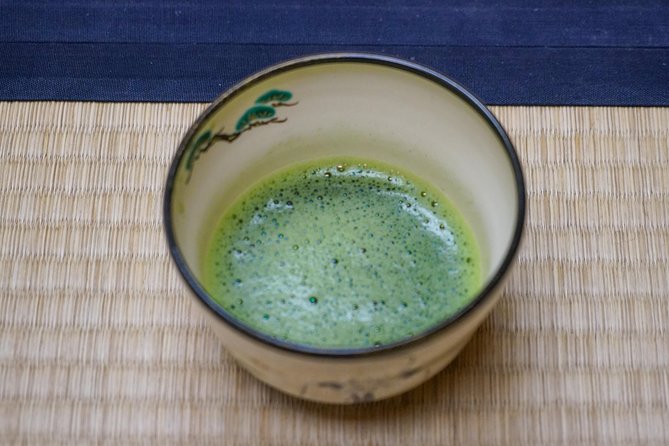
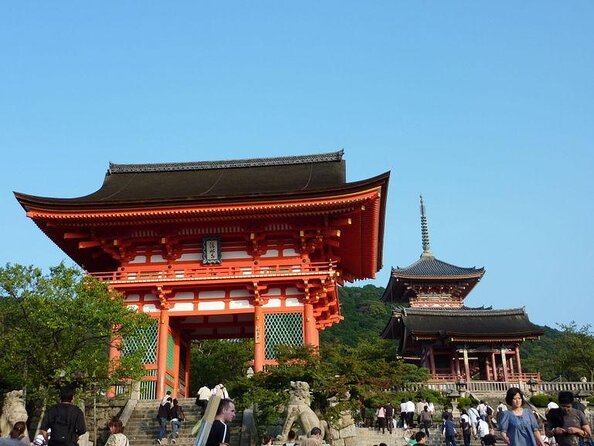
Kiyomizu-dera is the main sight, and the tour includes the entrance fee. The temple was built on the site of Otowa Waterfall about 1,200 years ago, and its name refers to the pure water of that falls.
The best-known feature is the wooden stage, about 13 meters above the ground. From here, you can look across trees toward Kyoto. Cherry trees and maple trees make the view especially appealing in the seasons associated with blossoms and autumn color, though the exact appearance depends on the date of your visit.
The stage also gives the guide a good place to explain the temple’s background and how the site fits into Japanese religious practice. This is where a guide adds real value. A quick solo visit can become a photo stop, while a guided visit gives you a reason to pause and understand the setting.
Kiyomizu-dera is a UNESCO World Heritage Site, but do not expect a quiet museum-like atmosphere. It is famous, popular, and often busy. The tour can help you make sense of the grounds, but it cannot remove the crowds or guarantee an unobstructed view.
One past guide named Hide received particular praise for discussing both Shinto and Buddhism in clear terms. He also kept the mood light with conversation that ranged from temple customs to baseball. That combination of useful information and easy humor seems to suit people who want substance without a formal lecture.
Otowa Waterfall and the three streams
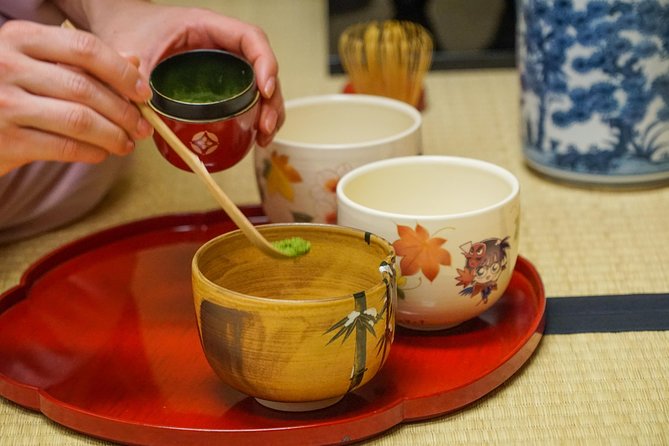
The visit to Otowa Waterfall gives the temple its most direct hands-on ritual. The water is divided into three streams, with each stream associated with a different benefit. You choose one, use a cup attached to a long pole, and drink the water.
The action is simple, but the guide can explain the proper way to take part. That is helpful if you are unsure how Japanese worship works or do not want to copy everyone else without knowing why.
I would not treat the water as a promise of good fortune. The appeal is the custom itself, and the chance to take part respectfully in a practice connected to the temple’s name and setting. The area can have a line, so this stop may move at a measured pace rather than instantly.
The waterfall is also a reminder that Kiyomizu-dera was not chosen at random. The site’s religious importance is tied to the water source, not only to the large wooden structure above it.
A traditional tea ceremony and matcha
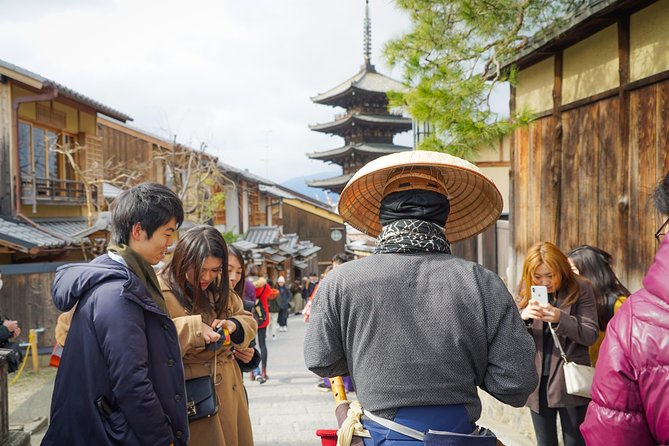
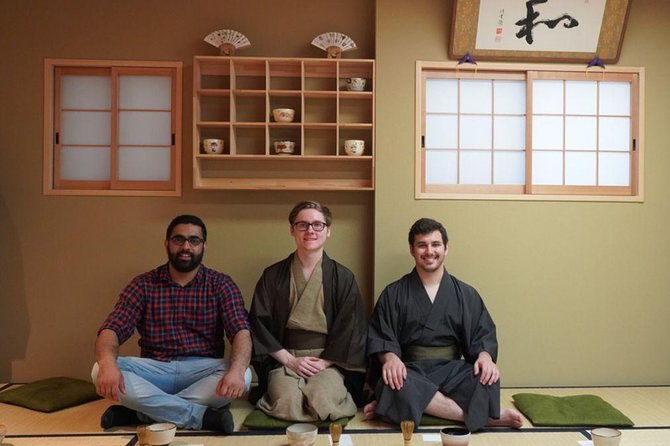
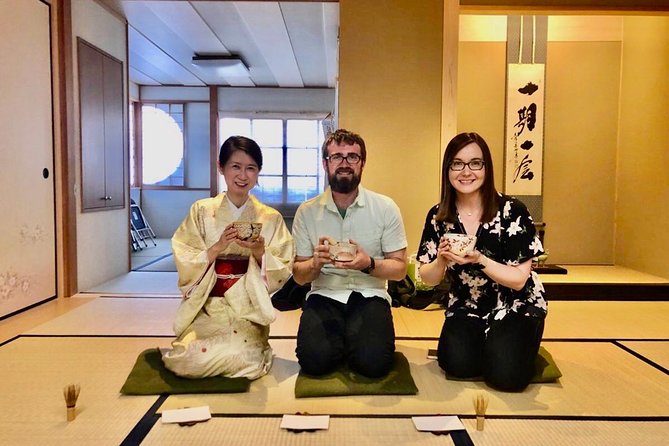
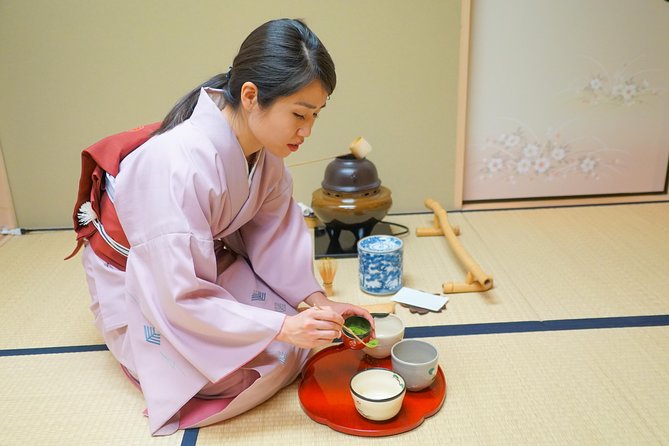
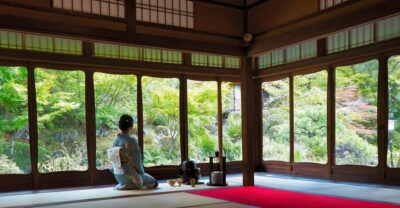
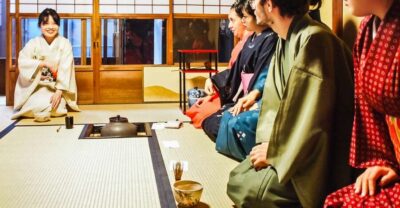
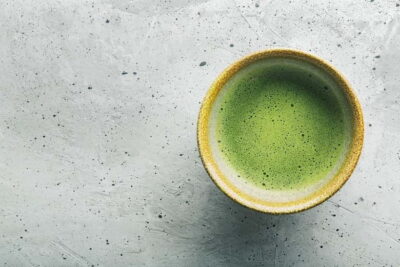
The tea ceremony is the tour’s most restful part. After walking uphill through temple lanes and busy shopping streets, you sit down for a traditional Japanese cultural experience and drink matcha.
A good ceremony is not just a cup of green tea. It shows how attention is given to movement, preparation, utensils, and hospitality. You may find the formal gestures unfamiliar, which is exactly why a guided introduction helps.
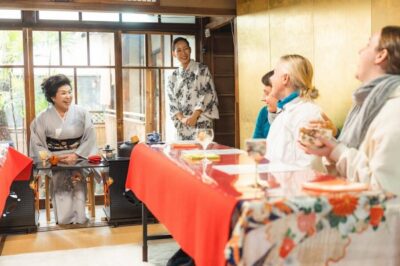
The tone appears to be warm rather than stiff. Tea host Haruki has been praised for being sweet and entertaining, while another account highlighted the host’s warm interest in the people attending. A woman has also led the ceremony on some occasions, with special attention paid to the skill and precision of her movements.
The ceremony may be the strongest reason to choose this tour over a basic temple walk. Kiyomizu-dera is easy to add to a sightseeing day on your own, but pairing it with a traditional tea experience creates a better balance between looking and participating.
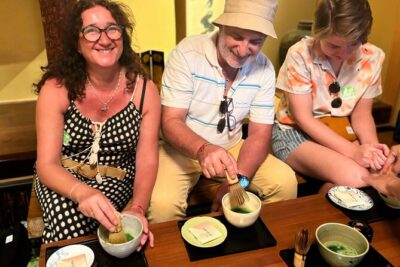
Snacks and a few food samplings are included, along with the matcha. The exact food selection can vary, and additional food or drinks cost extra. The operator cannot guarantee allergy-free food or meet every dietary restriction because the food comes from kitchens it does not control. If you have a serious allergy, this limitation deserves careful thought before booking.
What $109.39 buys you
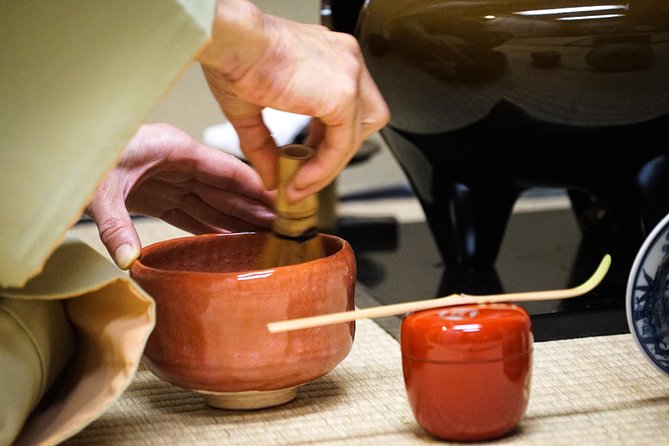
At $109.39 per person, this is not a bargain walking tour. The value depends on how much you want the cultural explanation and small-group setting.
Your price covers Kiyomizu-dera admission, a local guide for about three hours, a tea ceremony, matcha, snacks, food samplings, and photos during the walk. If you paid separately for temple entry, food, and a tea experience, the difference might narrow, but the main value is the organization and personal attention.
I would recommend it most to someone who has only one morning in Higashiyama, wants a clear introduction, or feels unsure about temple etiquette. The cost is harder to defend if you already know the area, prefer independent wandering, or mainly want to take photographs.
The fact that the activity is often booked about 30 days ahead suggests you should not leave it until the last minute if the date matters. Free cancellation is available up to 24 hours before the local start time. Cancellations or changes made inside that window are not refunded or accepted.
Who should book this morning walk?
This tour suits first-time Kyoto visitors who want several major experiences in one compact outing. It is also a good match for solo visitors and couples who prefer a small group over a large bus tour.
Families should note that children under six are not allowed. Older children may enjoy the waterfall ritual, colorful Yasakakoshindo, sweets shops, and the tea ceremony, but the uphill route and formal sitting time may not suit every child.
I would also choose this for someone curious about the difference between Shinto and Buddhism. Hide’s explanations received especially strong praise, and that kind of context can make the temple gates, worship practices, and water ritual easier to understand.
The tour is less suitable for anyone seeking solitude. The streets around Kiyomizu-dera are popular, and the morning includes several busy public areas. It is also not the best choice for a relaxed, unstructured stroll because the group follows a set route and returns to the starting point.
Practical tips for a smoother visit
Arrive early at the Western Tower Gate. Yasaka Shrine’s multiple entrances can cause confusion, and the meeting point is the one detail that needs more care than the rest.
Wear comfortable shoes with traction. The route includes Kiyomizu-zaka, Sannenzaka, and Ninenzaka, all of which involve slopes or stone paving.
In summer, carry water and wear a hat. Kyoto’s heat and humidity can make a short uphill walk feel much longer.
Keep your morning flexible after the tour. Since you return to Yasaka Shrine, you can continue exploring Gion or make your way elsewhere by public transportation. No extra transport is listed as part of the activity, so plan your own ride after the finish.
Should you book the Kyoto tea and temple walk?
Book it if you want Kiyomizu-dera plus a real cultural activity, not just another temple photograph. The small group, included entry, matcha, snacks, and tea ceremony give the $109.39 price a reasonable case, especially for a first Kyoto morning.
Skip it if you prefer to explore at your own speed or already have a tea ceremony arranged. The route is short but hilly, the popular streets can be crowded, and food substitutions are not guaranteed.
For most first-time visitors who want orientation, temple customs, and a calm introduction to matcha, I would book it. Just confirm the gate, arrive early, and bring water.
FAQ
How long does the Kyoto tea ceremony and Kiyomizu-dera tour last?
The experience lasts approximately three hours.
Where does the tour begin?
It begins at Yasaka Jinja Nishiromon Gate, also called the Western Tower Gate, at 625 Gionmachi Kitagawa in Kyoto’s Higashiyama Ward.
What time does the tour start?
The scheduled start time is 9 a.m.
Where does the tour end?
The activity ends back at the Yasaka Shrine meeting point.
Is the Kiyomizu-dera entrance fee included?
Yes. The temple entrance fee is included in the tour price.
Is a tea ceremony included?
Yes. The experience includes a traditional tea ceremony and matcha green tea.
How large is the group?
The activity has a maximum of six people.
Are children under six allowed?
No. Children under six years old are not allowed on this tour.
More Walking Tours in Kyoto
- Kyoto Geisha Walking Tour: Gion District & Hidden Gems
★ 4.7 · 3,273 reviews - Kyoto: Gion Magical Night Walking Tour with Geisha Trivia
★ 4.9 · 2,393 reviews - Kyoto: Gion Geisha District Walking Tour – Stories of Geisha
★ 4.7 · 2,187 reviews - Night Walk in Gion: Kyoto’s Geisha District
★ 4.5 · 2,003 reviews
Just added in Kyoto
- The “Golden Route” and Ancient Japan by DIAMIR Erlebnisreisen – 14-Day Tour★ 2.0 · 2 reviews
- Japan: Castles & Cuisine by G Adventures – 6-Day Kyoto to Osaka Tour★ 4.5 · 4 reviews
- Cycle Japan by Explore! – 13-Day Kyoto to Tokyo Tour★ 4.7 · 12 reviews
- Cycle Japan by Intrepid Travel – 11-Day Kyoto to Tokyo Tour★ 4.8 · 2 reviews
- Classic Japan by Intrepid Travel – 11-Day Kyoto to Tokyo Tour★ 4.4 · 14 reviews
- Ancient & Modern Japan 14-Day Tour by Exodus Adventure Travels★ 4.4 · 40 reviews
- 5 Day Cultural Adventure of Kyoto, Nara & Osaka by Tourist Journey★ 2.5 · 2 reviews
- 12 Days Kinosaki Onsen Escape: A Journey Through Japan’s Timeless Towns by UME Travel★ 4.8 · 5 reviews
Tea Ceremonies, compared.
Tea Ceremony in a Traditional Tea House in Kiyomizu
Read our review →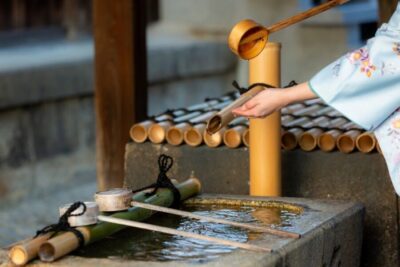
World Heritage Kyoto & Nara Uji Authentic Matcha Experience
Read our review →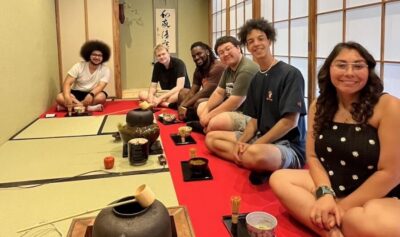
Browse the lists this tour appears in