
Reviewed · SAKE TASTINGS
Osaka: Cooking Class & Sake Tasting with Local Market Visit
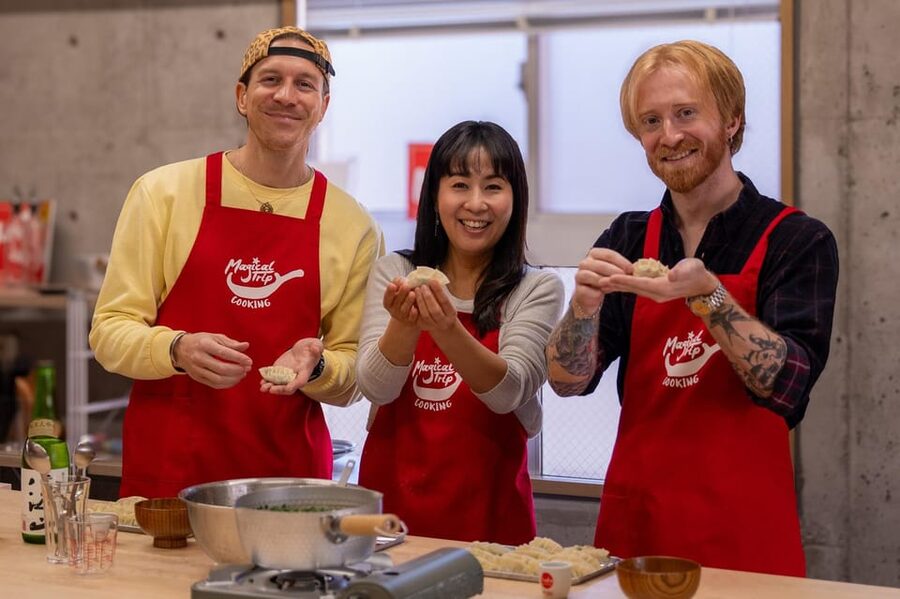
Cook Osaka, then eat what you make. This four-hour class brings you into Osaka’s food culture through a neighborhood supermarket visit and hands-on cooking at MagicalTrip’s studio. I like the market stop because it shows ordinary shopping life, and I like that the recipes are simple enough to repeat at home. The main drawback is that gluten-free meals are not available.
The small group, limited to seven people, keeps the class personal without making it feel too formal. Three canned drinks, including alcoholic or non-alcoholic choices, are included, and guides such as Chie, Eri, Emi, Akko, Ayu, and Linda have been praised for their warmth and patience. You do need to arrive on time, and anyone with serious allergies or mobility concerns should read the restrictions carefully.
In This Review
- Key points to know before booking
- Why this Osaka cooking class feels different
- Starting at Minami Morimachi Station
- The supermarket stop and everyday Osaka food
- Making niku-sui, Osaka’s beef soup
- Flipping Osaka-style okonomiyaki
- Folding gyoza with the group
- Sake, beer, tea, and easy conversation
- What the guides add to the experience
- The food, recipes, and value at $90
- Dietary needs and practical limits
- Who should book this class?
- Should you book the Osaka cooking class?
- FAQ
- Where does the cooking class meet?
- How long does the experience last?
- What dishes will I prepare?
- Are drinks included?
- Can vegetarians and vegans join?
- Is a gluten-free menu available?
- How many people can join, and what language is used?
Key points to know before booking
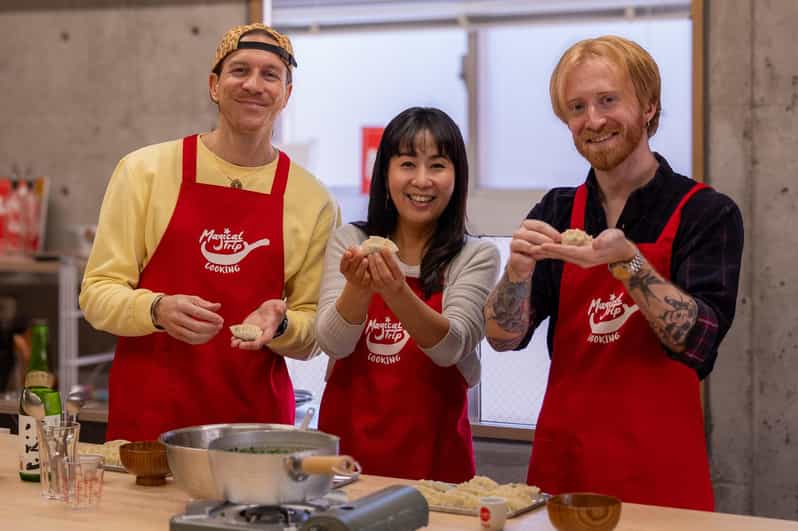
- Three Osaka staples in one class: Prepare niku-sui, okonomiyaki, and gyoza, then sit down to eat your work.
- A real supermarket visit: Shop for ingredients with your guide and see the products Osaka residents buy for everyday meals.
- A relaxed small-group setting: With a maximum of seven people, you can ask questions and take part in each cooking step.
- Drinks are part of the experience: Three canned drinks are included, with alcoholic and non-alcoholic options, plus tea.
- Useful recipes to take home: Download the recipes after the class and make the dishes again for family or friends.
- Check the food restrictions first: Vegan and vegetarian participants are welcome, but gluten-free meals are not offered.
Why this Osaka cooking class feels different
Osaka is famous for eating well and eating often. The city’s food identity is not limited to grand restaurants or famous streets. It also lives in ordinary kitchens, supermarket aisles, family recipes, and casual meals shared around a table.
That is the useful idea behind this experience. You are not only shown a finished dish. You help choose ingredients, prepare the food, cook it, and eat it with the people around you. The process gives you a better sense of how these dishes fit into daily Japanese life.
The setting is MagicalTrip’s Original Cooking Studio, near Minami Morimachi Station. It is designed for conversation and participation rather than a formal demonstration where you watch from the side. Your English-speaking guide explains each recipe and helps with the parts that may feel unfamiliar, such as folding gyoza or judging when okonomiyaki is ready to turn.
The tone appears to be one of the class’s strongest features. Chie is noted for combining cooking with stories about Japanese regions, products, and customs. Eri has been praised for clear instructions and a calm atmosphere. Emi was especially helpful with the supermarket shopping and explained the correct method for each dish. These details matter because a cooking class can become stressful if the instructor rushes or assumes too much. Here, the guides focus on making the work manageable.
More Cooking Classes in Osaka
- Sushi Making Osaka Roll and Authentic Japanese Sushi Class
★ 5.0 · 1,220 reviews - Matcha Making Class in Osaka with Authentic Japanese Sweets Set
★ 5.0 · 509 reviews - Osaka Sushi Making Experience
★ 5.0 · 400 reviews
Starting at Minami Morimachi Station
The meeting point is in front of FamilyMart, a one-minute walk from Exit 4B of Minami Morimachi Station. That is a handy location, but you should still allow enough time to find the correct exit and reach the meeting point before the start.
The class begins on time. If you arrive late, you cannot join, reschedule, or receive a refund, so this is not an activity to squeeze between two tight appointments. I would plan to arrive early, especially if you are unfamiliar with Osaka’s station passages.
Once the group is together, you will head to a local supermarket. This first walk and shopping stop gives the experience a useful sense of place. Instead of starting with ingredients already measured and arranged, you see what is actually sold for home cooking.
The supermarket stop and everyday Osaka food
The supermarket visit is brief, but it is one of the most distinctive parts of the class. Your guide selects the ingredients needed for the meal and explains what you are buying. You get a look at fresh food and packaged products while learning how the ingredients fit into the recipes.
For many people, this may be the first time they have paid close attention to ordinary Japanese supermarket food. You might see familiar vegetables alongside products that are less common outside Japan. The point is not to turn the visit into a long shopping tour. It is to connect the meal with daily life and show that these dishes can be prepared with accessible ingredients.
This stop also helps explain the class’s home-cooking focus. You are not being trained to reproduce a restaurant’s elaborate presentation. You are learning dishes that rely on straightforward preparation and ingredients that can often be adapted once you return home.
The supermarket is also a good chance to ask questions. Several guide-led classes have included advice about Osaka, Japanese customs, and food from different parts of the country. If you want local suggestions for the rest of your stay, this is a natural time to ask.
Making niku-sui, Osaka’s beef soup
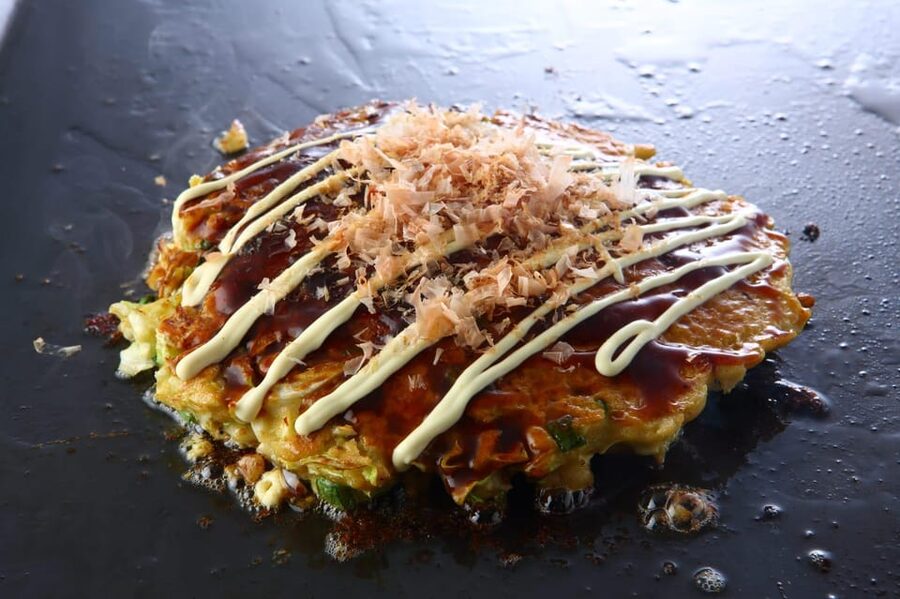
Back at the studio, the cooking begins with niku-sui, a beef soup that is especially associated with Osaka. It is less internationally famous than okonomiyaki, which is part of its appeal. You get to try a dish many visitors might miss if they only order the city’s best-known foods.
Niku-sui is described as flavorful and comforting. The class presents it as a local favorite and explains how the ingredients come together. Your guide walks you through the steps, so you do not need previous cooking experience.
This soup offers a gentler start to the class. It is less about shaping or flipping food and more about understanding flavor and timing. You can listen to the guide, work with the ingredients, and learn how a simple bowl of soup can have a strong regional identity.
If you enjoy finding foods that are familiar to residents but less famous abroad, niku-sui may be the most memorable dish of the three. It also makes the class feel more connected to Osaka than a lesson focused only on dishes found throughout Japan.
More Markets and Food Halls in Osaka
- Kuromon Market Food Walking Tour in Osaka (6 stops, 6 tastes)
★ 5.0 · 550 reviews - Osaka: Kuromon Market Food Walking Tour (6 stops, 6 tastes)
★ 4.6 · 272 reviews - Kuromon Market Tour: All inclusive 6~8 Dishes & 3~4 samplings
★ 5.0 · 103 reviews - Deep Dive: Osaka Food Markets from Local to Luxurious!
★ 5.0 · 31 reviews
Flipping Osaka-style okonomiyaki
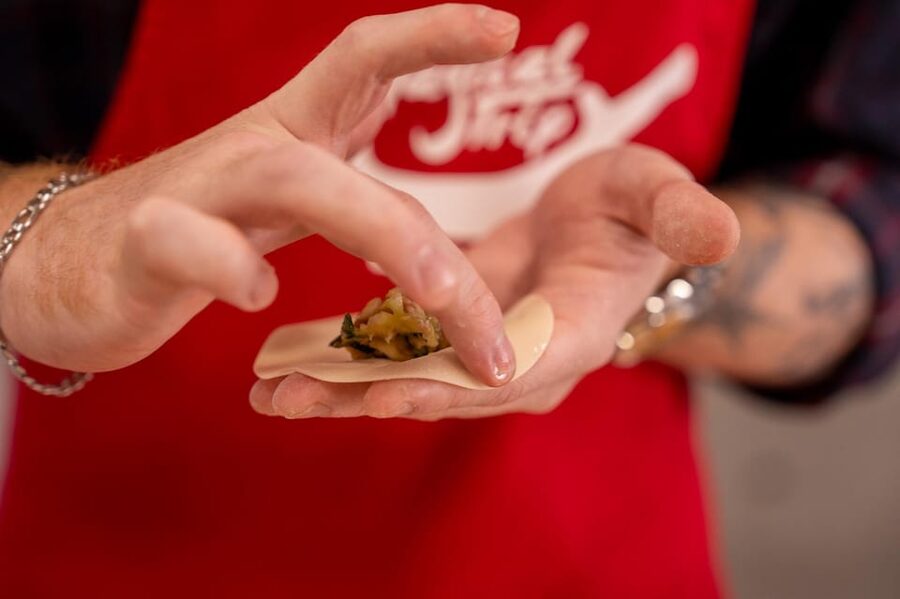
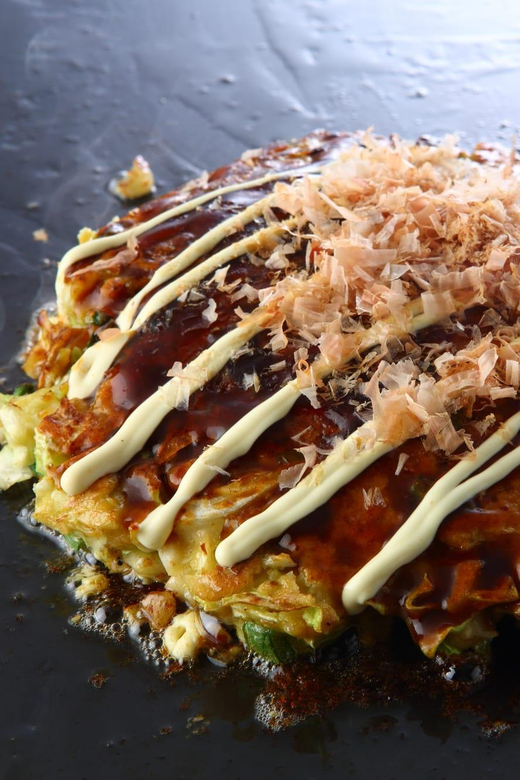
Okonomiyaki is Osaka’s signature savory pancake, and this is the dish most people will expect to make. The name is often explained as meaning something like cook what you like, which fits the dish’s flexible nature. Ingredients and personal preferences can vary, and your guide can explain how Osaka’s style is approached.
The fun is in preparing the mixture and cooking it together. You will learn the basic method rather than follow a rigid restaurant formula. That makes the recipe more useful at home, where you may need to adjust ingredients based on what you can find.
The class also gives you a chance to understand why Osaka takes pride in this food. Okonomiyaki is filling, social, and practical. It is the sort of meal that encourages people to gather around the cooking process instead of waiting quietly for a finished plate.
You should expect plenty of food across the whole class. One booking described the portions from the beef soup, okonomiyaki, and gyoza as more than enough for lunch. Arrive hungry, but do not assume this is a light snack between sightseeing stops.
Folding gyoza with the group
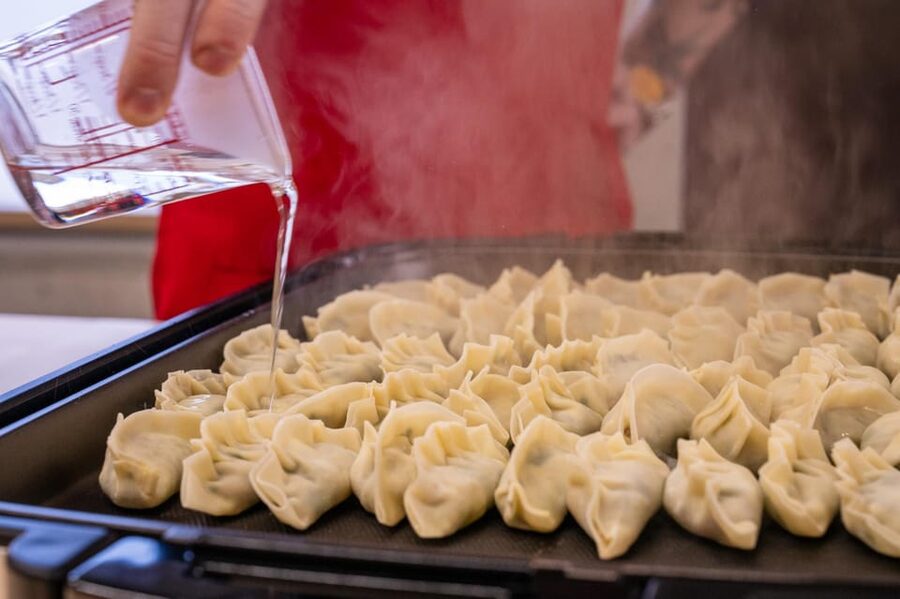
Gyoza brings the most hands-on activity to the class. You prepare the filling and fold the dumplings, with the guide showing you how to work with the wrappers. The shapes do not need to be perfect, which is part of the fun.
This is a good activity for couples, families with older children, and friends who like doing something together. Folding dumplings gives everyone a task, and it tends to create conversation even among people who have just met.
The final result is meant to be crispy and juicy. You learn the basic technique, then eat the dumplings as part of the shared meal. The class is open to participants aged 12 and older because cooking involves knives and heat.
If you have limited hand mobility, ask about suitability before booking. The activity includes cutting, heating, and hands-on preparation, so it is not recommended for people with mobility issues. A private tour is suggested for those who need extra support, though the supplied details do not promise specific accessibility arrangements.
Sake, beer, tea, and easy conversation
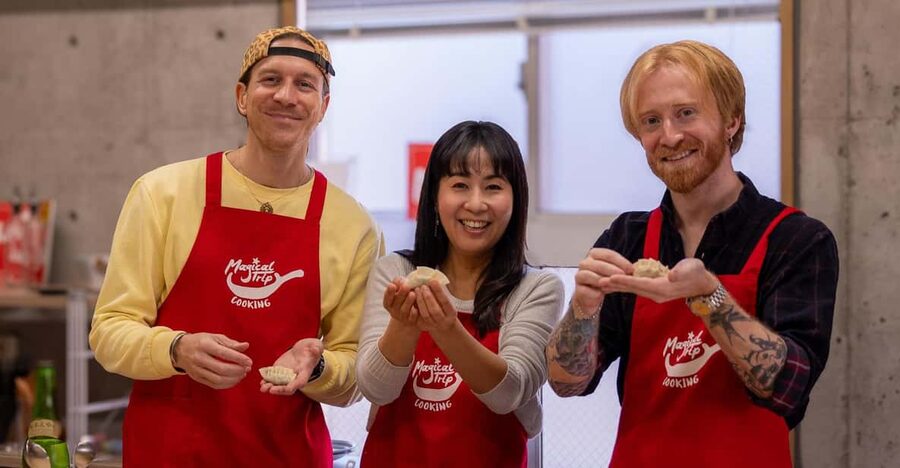
Three canned drinks are included. You can choose alcoholic or non-alcoholic options, and tea is served during the class. Sake and beer help turn the meal into a social occasion, but you are not required to drink alcohol.
The drink element is well judged for a cooking class. You can sip something while working, compare flavors, and chat without needing to arrange a separate tasting afterward. One booking especially appreciated the wide selection of beverages and the chance to learn about sake.
Do not expect a formal sake seminar with a long list of technical tastings. The information provided points to a casual cultural introduction alongside the meal. If you want detailed instruction about brewing regions or sake styles, this may feel limited. If you simply want to try local drinks while cooking, it fits well.
The atmosphere can also be shaped by the group. One class included choosing background music, which gives you an idea of the relaxed format. The guide remains in charge of the recipes, but the room is not treated like a silent school kitchen.
What the guides add to the experience
The guide is central to the value here. Ingredients and recipes alone would not justify a four-hour activity, but a warm guide can turn familiar food into a more meaningful lesson.
Chie has been praised for explaining Japanese history, regional differences, and products while keeping the cooking easy and enjoyable. Eri’s instruction has been described as clear and helpful, with a calm pace that lets you prepare each part of the meal. Emi has been noted for answering general questions about Osaka and for explaining the supermarket purchases before cooking began.
Other guides, including Akko, Ayu, and Linda, have also received warm feedback for friendly conversation and personal attention. Linda even decorated the room for a Christmas class and helped arrange an extra sake purchase afterward. That suggests the guides may add small personal touches, though you should not assume every session will include special decorations or an additional shopping stop.
The group size helps. Seven people is small enough for questions and practical help, while still giving you the chance to meet other people. Solo visitors can join without needing to form their own group, and couples or families can share the work without feeling lost in a large class.
The food, recipes, and value at $90
At $90 per person, this is not the cheapest way to eat lunch in Osaka. You can find inexpensive local food for far less. The value comes from combining a meal, a supermarket visit, ingredients, instruction, drinks, photographs, and four hours with an English-speaking guide.
The price makes more sense if you want an activity rather than only a dish. You are learning three recipes, taking part in the preparation, and receiving the recipes afterward so you can make the food again. The downloadable recipes are especially useful because they turn a one-time meal into something you can share at home.
The included three canned drinks also reduce the need to pay separately for sake, beer, or soft drinks during the class. Tea is included as well. Tour photos taken by your guide and sent by email afterward add a small souvenir without requiring you to stop cooking for pictures.
For a family, the cost adds up quickly, so I would book it for the experience and social setting, not simply for the amount of food. For a solo visitor, couple, or small group that wants a structured half-day activity, the package is easier to justify.
Dietary needs and practical limits
Vegans and vegetarians are welcome, but you must tell the provider about dietary needs or allergies at least one day in advance. Same-day requests cannot be accommodated.
Gluten-free options are unavailable. The kitchen uses ingredients prepared in external kitchens, and allergy-free meals cannot be guaranteed. Substitutions may not always be possible, though the team may try to offer compensation at other stops.
This is important enough to check before paying. If you need a strictly controlled allergy-free meal, I would choose a different activity. If you are vegetarian or vegan, contact the provider early and explain exactly what you need rather than assuming every dish can be changed.
Japan’s weather can also affect your comfort. Summer temperatures may reach 40°C, while winter lows can fall to -5°C. Dress for the season, especially because the supermarket visit requires time outdoors between the station and studio.
Who should book this class?
I would recommend it to anyone who wants more than a restaurant meal and prefers learning by doing. It works particularly well for:
- Couples who want a social food activity
- Families with children aged 12 or older
- Friends who enjoy cooking and shared meals
- Solo visitors looking for a small-group experience
- First-time visitors who want food, conversation, and Osaka tips
- Home cooks who want recipes they can repeat after returning home
It is less suitable if you want a quiet, formal lesson, a strict gluten-free menu, or a short activity that leaves most of the day open. It is also not the right choice for anyone who may struggle with walking, cutting, or cooking over heat.
Should you book the Osaka cooking class?
Book this experience if you want to connect Osaka’s food with ordinary life. The supermarket visit, the lesser-known niku-sui, and the shared gyoza folding give the class more character than a simple demonstration. The friendly guide is a major part of the appeal, and the strongest sessions combine clear cooking help with stories about Japan and the city.
At $90, you are paying for time, instruction, food, drinks, and company rather than just lunch. I think it is good value for a visitor who enjoys hands-on activities and wants a skill to take home. Check the dietary rules first, arrive early, and leave room in your schedule for four relaxed hours at the studio.
FAQ
Where does the cooking class meet?
The meeting point is in front of FamilyMart, a one-minute walk from Exit 4B of Minami Morimachi Station.
How long does the experience last?
The cooking experience lasts four hours. Starting times vary, so you need to check availability when booking.
What dishes will I prepare?
You will prepare niku-sui, okonomiyaki, and gyoza, then eat the dishes as lunch.
Are drinks included?
Yes. The experience includes three canned drinks, with alcoholic and non-alcoholic choices, as well as tea.
Can vegetarians and vegans join?
Yes. Vegans and vegetarians are welcome, but you must provide dietary information or allergy details at least one day in advance.
Is a gluten-free menu available?
No. Gluten-free options are not available.
How many people can join, and what language is used?
The class is limited to seven participants and is conducted in English with a live English-speaking guide.
More Markets and Food Halls in Japan
- Tokyo Tsukiji Fish Market Food and Culture Walking Tour
★ 5.0 · 3,184 reviews - Tokyo: Tsukiji Fish Market Food and Walking tour
★ 5.0 · 1,724 reviews - Senkyaku Banrai Toyosu Manyo Club Onsen Experience in Tokyo
★ 4.7 · 1,690 reviews - Tokyo: Tsukiji Fish Market Guided Walking Tour
★ 4.9 · 1,397 reviews
More Cooking Classes in Japan
- Sushi Making Tokyo Roll and Authentic Japanese Sushi Class
★ 5.0 · 3,971 reviews - Tokyo: Roll and Authentic Sushi Making Class in Asakusa
★ 4.9 · 1,957 reviews - Ramen Cooking Class at Ramen Factory in Kyoto
★ 5.0 · 1,937 reviews - Tokyo Shinjuku Chopsticks Making Class
★ 5.0 · 1,763 reviews
Just added in Japan
- A One-of-a-Kind Sushi Experience in a Special Place of Japan★ 5.0 · 15 reviews
- Tokyo Cute Bento Cooking Class – Make a Kawaii Character Lunchbox★ 5.0 · 126 reviews
- Japanese Home Cooking Class & Walk in Todoroki Temple Tokyo★ 5.0 · 88 reviews
- Japan Tokyo Tower Observatory Deck E-Ticket★ 4.0 · 34 reviews
- Catch a Baseball Game in Tokyo with a Local – Tickets Included★ 5.0 · 24 reviews
- JDM Experience with Fast&Furious RX-7 (English speaking Driver)★ 5.0 · 57 reviews
- Tokyo Private Day Tour by Car with English speaking Driver Guide★ 4.0 · 29 reviews
- Japan Classic 10 Day – One Life Adventures★ 5.0 · 129 reviews
Sake Tastings, compared.
3-Hour Kyoto Insider Sake Brewery Tour with Tastings & Pairings
Read our review →
Arashiyama Bamboo, Temple, Monkeys, or Secret Sake Brewery
Read our review →
Insider Sake Brewery Tour with Sake and Food Pairing
Read our review →
1.5-Hour Kyoto Insider Sake Experience with 7 Tastings & Pairings
Read our review →
Sake Tasting Masterclass in Shinjuku (8+ Varieties with a Pro)
Read our review →
Insider Sake Experience with 7 Tastings and Snacks
Read our review →
Private Tea Ceremony and Sake Tasting in Kyoto Samurai House
Read our review →Browse the lists this tour appears in