
Reviewed · TEA CEREMONIES
Stunning Private Tea Ceremony: Camellia Garden Teahouse
Slow tea, quiet gardens, real Kyoto. Camellia Garden Teahouse gives you a private one-hour introduction to Japanese tea ceremony in a 100-year-old property across from Ryoan-ji. I especially like the one-party format, which keeps the setting calm and lets you ask questions freely. I also like that you make your own matcha using the whisk, scoop, and bowl after watching the ceremony.
The main consideration is the price: at $118.60 per person, this is not a casual cup of tea. The session is also only about an hour, so you are paying for privacy, instruction, sweets, and the setting as much as for the drink itself. The listing also gives mixed information about kimono dressing, so confirm that detail before booking.
In This Review
- Key points about the Camellia Garden ceremony
- A quiet tea house across from Ryoan-ji
- The opening talk, sweets, and tea culture
- Watching the ceremony in the garden room
- Making your own bowl of matcha
- Why privacy changes the experience
- Comfort, clothing, and practical details
- How the one-hour schedule works
- Who will enjoy Camellia Garden most?
- Is the $118.60 price worth it?
- Should you book Camellia Garden?
- FAQ
- Where does the tea ceremony take place?
- Is the activity private?
- How long does the ceremony last?
- What will I learn?
- Can I make my own matcha?
- Are sweets included?
- Are chairs available?
- Is kimono rental included?
- Can I cancel for a full refund?
- What happens if bad weather cancels the activity?
Key points about the Camellia Garden ceremony
- Private setting: Only your party takes part, with no strangers sharing the room.
- Across from Ryoan-ji: The teahouse sits at 18 Ryōanji Ikenoshitachō, directly across the road from the famous temple.
- Two garden views: You begin in a sofa room overlooking the front garden, then move to the tearoom facing the main garden.
- Hands-on matcha lesson: You watch the tea ritual, receive tea, then prepare your own bowl with provided tools.
- Seasonal Kyoto sweets: The opening talk includes sweets from one of Kyoto’s noted confectioners.
- Comfortable seating: Chairs are available if sitting on the floor is difficult or uncomfortable.
A quiet tea house across from Ryoan-ji
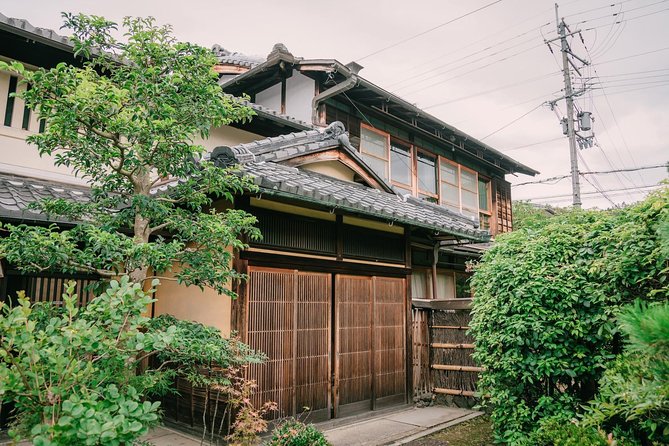
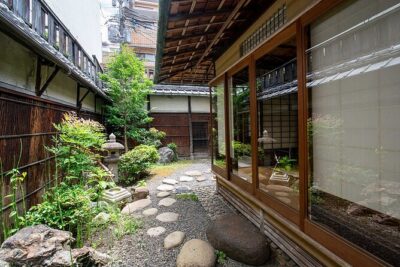
The location does much of the work here. Camellia Garden Teahouse is in a 100-year-old property across the road from Ryoan-ji, one of Kyoto’s best-known temple sites. After the noise and foot traffic around the temple, entering a private tea house offers a welcome change of pace.
You do not simply arrive, drink matcha, and leave. The session is arranged as a small cultural lesson, with the building and gardens forming part of the subject. The teahouse has long been connected with Ryoan-ji, and that link gives the setting more meaning than a modern café could provide.
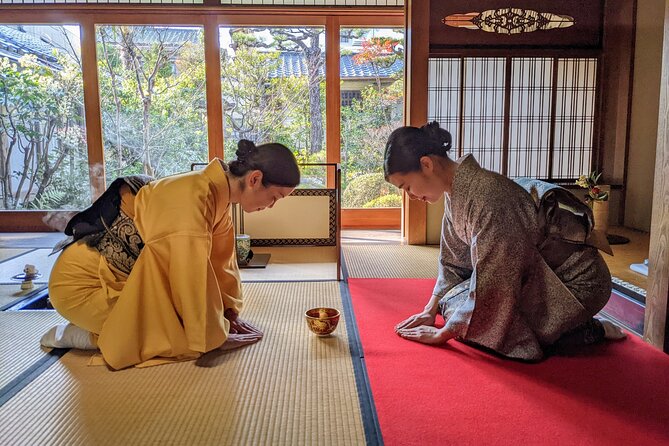
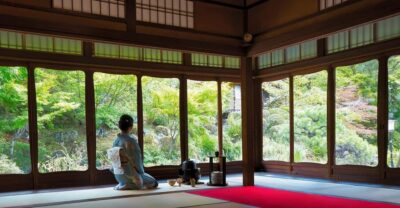
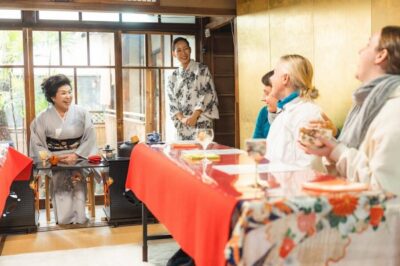
The property includes two traditional Japanese gardens. You first sit in a sofa room facing the front garden, which makes the opening conversation easy and relaxed. Later, the ceremony takes place in the tearoom with the main garden behind the host.
That change of rooms is a small but effective part of the visit. You begin with explanation and conversation, then move into the more formal ceremony. It helps you understand that the tea ritual is not only about preparing a drink. The room, garden, movements, tools, sweets, and quiet all matter.
More Tea Ceremonies in Kyoto
- Kyoto: Tea Ceremony in a Traditional Tea House in Kiyomizu
★ 4.9 · 3,519 reviews - Kyoto: Tea Ceremony Ju-An at Jotokuji Temple
★ 4.9 · 3,207 reviews - Kyoto: 45-Minute Tea Ceremony Lesson Experience
★ 4.3 · 2,378 reviews
The opening talk, sweets, and tea culture
Your instructor starts with an introduction to the history and culture of tea in Japan. The focus is on matcha and the rituals connected with preparing and serving it. This is useful if you know little about tea ceremony, but it also gives experienced Japan visitors a better sense of what they are seeing.
The opening talk takes place in the sofa room, overlooking the front garden. That arrangement is practical. You can settle in, listen, and ask questions before moving to the floor-style tearoom. The setting feels less formal at first, which may help children, older adults, or anyone unsure about Japanese tea customs.
Seasonal sweets are served during this part of the session. They come from one of Kyoto’s renowned confectioners and are meant to be eaten with the tea. The sweet is not just a snack. In Japanese tea culture, the balance between the sweet and the slightly bitter matcha is part of the pleasure.
I would pay attention here rather than treating the introduction as filler. The explanation gives you a way to read the ceremony later. You learn why the host handles each item carefully and why the order of actions matters.
The teaching style appears to be one of the strongest parts of the visit. Yumiko is praised for being friendly, clear, and willing to answer many questions. Another host is described as polite, well spoken in English, and highly skilled in the ceremony. A separate account praises a young male host for embodying the calm spirit of the ritual.
Those details matter because a tea ceremony can feel distant if the host only performs it without explanation. Here, the format gives you time to speak directly with the instructor. If you have questions about the tools, etiquette, sweets, or matcha, this is a good place to ask them.
Watching the ceremony in the garden room
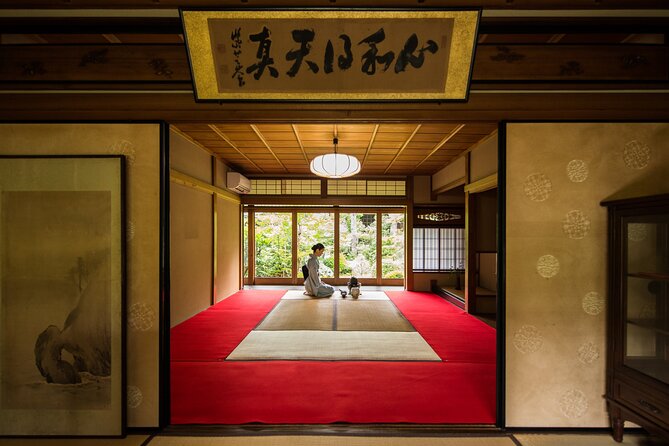
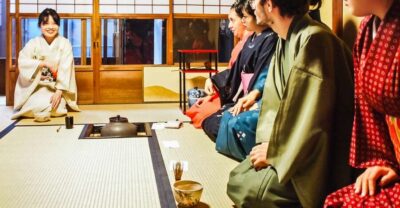
After the introduction, your host moves you into the tearoom. You watch an authentic tea ceremony with the main garden as the backdrop. This is the most formal part of the hour, so expect a slower pace and careful movements rather than a fast demonstration.
The value of a private booking becomes clear here. Only your group takes part, so the room should feel personal rather than staged for a large audience. You can concentrate on the sequence of actions, and you do not need to worry about strangers standing between you and the garden view.
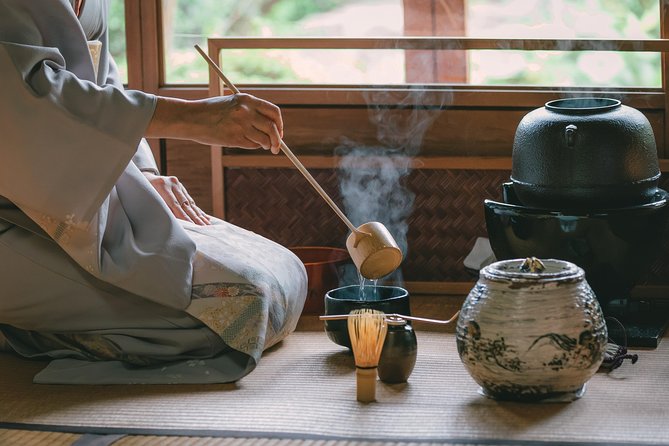
The ceremony includes the traditional use of a tea bowl, tea scoop, and bamboo whisk. The host first performs the ritual, then serves tea to you. Watching before trying it yourself is helpful because the movements are easier to understand once you have seen the full process.
Do not expect a full-day study of tea ceremony. The session lasts about one hour, and the goal is an introduction rather than professional training. Still, the private format gives that hour a sense of purpose. You are not merely watching a cultural show. You are learning the basic steps and the ideas behind them.
The quiet setting is also part of the lesson. The ceremony asks you to slow down and notice small actions. Several highly positive comments praise the calm, peaceful quality of the hour, with one person saying the time seemed to pass very quickly. That is a useful warning for anyone who wants a long, technical workshop. This is a short, gentle introduction with a strong sense of place.
Making your own bowl of matcha
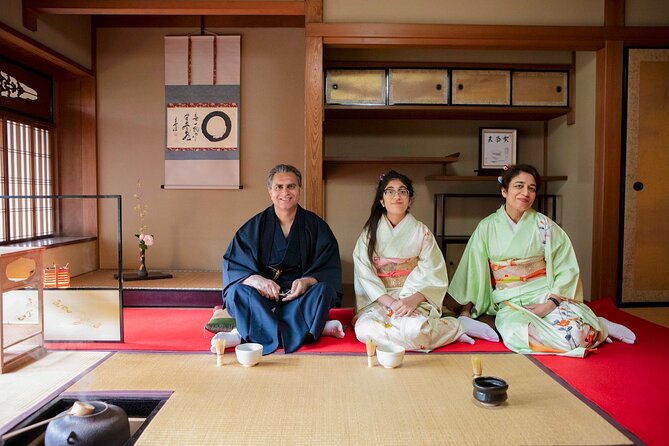
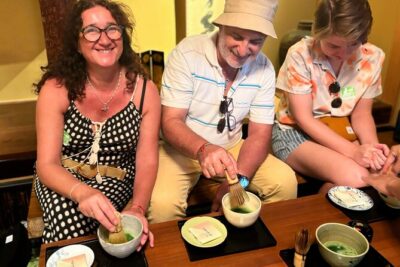
The hands-on section is the part most likely to stay with you. After watching the host, you receive the tools needed to prepare your own matcha. Tea bowls, scoops, and whisks are provided, so you do not need to bring anything.
You will learn how to use the scoop to measure the powdered tea and how to work the whisk in the bowl. The host guides you through the technique, and you have time to ask questions as you prepare your drink. This turns the session from a performance into an activity you can repeat at home, even if your first bowl is not perfect.
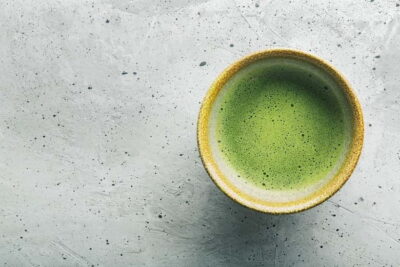
Matcha has a strong, earthy taste that can surprise people who expect ordinary green tea. The seasonal sweet helps balance it. The sweets and tea are praised as delicious, but the main benefit is learning how the two are enjoyed together.
The private format makes this hands-on section easier. You can work at your own pace and ask for clarification without holding up a larger class. It should suit couples, families, and small groups who want to share an activity rather than simply watch one.
You also have time for photographs after the ceremony. Be respectful during the formal movements, then use the later question and photo time to document the room, garden, and tools. That division is useful: it lets you pay attention first and take pictures afterward.
A completely different kind of day out:
- PERFECT KYOTO 1-Day Bus Tour
★ 5.0 · 13,518 reviews - [Kyoto & Nara Day Tour] Sagano Scenic Railway & Nara Park & Fushimi Inari Taisha Thousand Torii Gates & Togetsukyo Bridge & Bamboo Grove & Kimono Forest (Departing from Osaka)
★ 4.9 · 10,942 reviews - Kyoto: Fushimi Inari, Kinkakuji, Bamboo Grove 1 Day Bus Tour
★ 4.8 · 4,316 reviews - Kyoto: Gion Make Your Own Chopsticks with Engraving Option
★ 5.0 · 3,465 reviews
Why privacy changes the experience
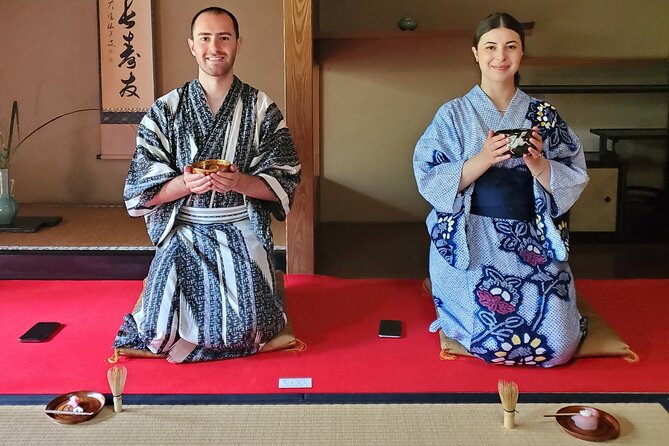
Many tea ceremonies in Kyoto are designed for groups, with several parties seated together. Camellia Garden uses a different approach. The booking is private, and only your party participates.
That privacy has three practical benefits. First, you can ask questions without worrying about interrupting a larger class. Second, the host can give more direct help while you make your matcha. Third, the room can remain quiet and personal, which suits the reflective mood of the ceremony.
This is also a good choice if you are marking a special occasion or simply want a slower hour during a busy Kyoto itinerary. The teahouse offers an escape from the outside world without requiring a long trip outside the city.
There is a tradeoff. A private activity costs more per person than a larger shared session might cost. At $118.60 each, the price makes most sense for people who value privacy, direct instruction, and the historic setting. If your main goal is only to taste matcha, you can likely find a less expensive option elsewhere. If you want to understand the ritual and have the room to yourself, the higher price is easier to justify.
Group discounts are available, so the cost may work better for a small party than for one or two people. Check the final booking price for your group size before deciding.
Comfort, clothing, and practical details
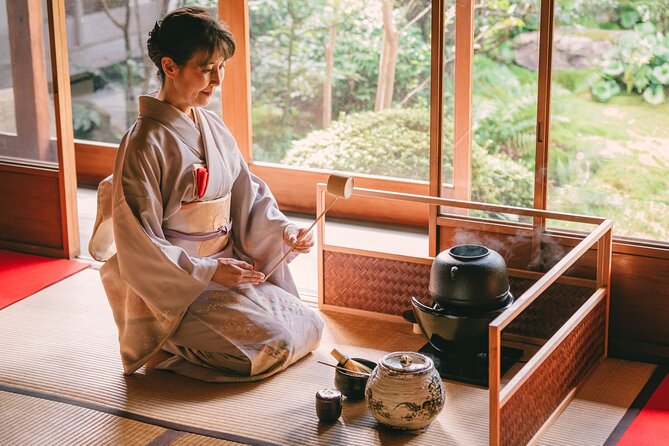
The ceremony can be enjoyed with chairs available for anyone who would rather not sit on the floor. This is an important detail. Traditional tea rooms often involve kneeling or sitting in a formal position, which may be uncomfortable for some people. Ask for a chair when you arrive if needed.
The provided information also mentions a dedicated kimono dresser and suggests contacting the host if you want to dress in kimono. At the same time, the included items state that kimono rental is not available at this location. Because those notes conflict, you should confirm the current clothing arrangements before paying for the experience. Do not assume kimono rental is included.
The meeting point is Camellia GARDEN at 18 Ryōanji Ikenoshitachō, in Kyoto’s Ukyo Ward, postal code 616-8003. The activity begins and ends there. It is near public transportation, and the site is directly across from Ryoan-ji, making it convenient to pair with a visit to that temple.
Allow enough time to find the address and arrive calmly. One person had to change the appointment after running late, and the host was considerate about adjusting the time. That is encouraging, but I would not treat it as a guarantee. A one-hour private session depends on the host and room being ready for your party, so arriving early is the better plan.
Service animals are allowed. Confirmation is provided at booking. The activity requires good weather, and if poor weather causes cancellation, you are offered another date or a full refund.
Free cancellation is available up to 24 hours before the start time. Cancellations made less than 24 hours ahead are not refunded, and changes inside that period are not accepted. Cutoff times use local Kyoto time.
How the one-hour schedule works
The exact timing may vary, but the structure is clear:
- You meet the host at the Camellia Garden property.
- You receive an introduction to Japanese tea culture and matcha in the sofa room.
- You enjoy seasonal sweets from a Kyoto confectioner.
- You move to the tearoom overlooking the main garden.
- You watch the host perform the ceremony.
- You are served tea.
- You prepare your own bowl of matcha with the provided tools.
- You ask questions and take photographs before returning to the meeting point.
The hour is compact, so this fits well before or after sightseeing around Ryoan-ji. I would avoid scheduling another activity with a strict start time immediately afterward. The formal ceremony may be one hour, but walking from the temple or public transportation stop, finding the house, and getting settled require extra time.
Who will enjoy Camellia Garden most?
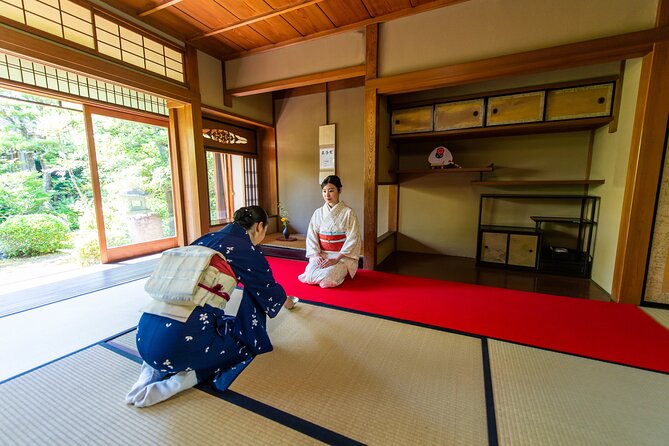
I would recommend this ceremony to you if you want a private cultural activity rather than a quick photo opportunity. It is especially suitable for couples, families, and small groups who enjoy learning by doing.
It should also work well for first-time visitors to Japan. You do not need prior knowledge of tea ceremony, and the host explains the basic ideas before asking you to prepare matcha. The English-language guidance praised in the feedback is another advantage for English-speaking visitors.
People interested in architecture, gardens, Japanese customs, or food will find several points of interest packed into the hour. You get a historic property, two garden views, seasonal sweets, a formal ceremony, and a practical lesson.
I would think twice if you dislike quiet activities or want a long workshop. The pace is deliberately calm, and the formal ritual may feel too slow for someone seeking constant action. The price may also be hard to defend if you are only interested in drinking matcha.
For visitors with mobility concerns, the available chairs make the ceremony more approachable. Still, the supplied information does not describe every feature of the property, so ask the provider about any specific access needs before booking.
Is the $118.60 price worth it?
The price is high for a one-hour activity, but it includes more than a beverage. You are paying for private use of the setting, an instructor-led explanation, seasonal sweets, a performed ceremony, your own matcha-making session, and time for questions.
The strongest value comes from the private format. A shared class might provide similar basic instruction, but it would not offer the same degree of quiet or personal attention. The setting across from Ryoan-ji also saves you from making a separate trip to a distant tea house.
I would call it good value for a special afternoon, a first introduction to tea ceremony, or a small group willing to pay for privacy. I would call it poor value if you are building a low-cost Kyoto itinerary or want a detailed multi-hour course.
The perfect plan is to visit Ryoan-ji before the ceremony, then use the tea house as a calm counterpoint to the temple grounds. That gives the location a stronger connection to your day and makes the price feel less like a standalone purchase.
Should you book Camellia Garden?
Book this experience if you want a calm, personal introduction to Japanese tea ceremony in a traditional setting. The private room, garden views, hands-on matcha lesson, seasonal sweets, and warm instruction make it more meaningful than a simple tea tasting.
I would book it for a couple, family, or small group that values privacy and has room in the budget. I would skip it if $118.60 feels too steep for an hour or if you prefer a larger, more social class.
Before confirming, check the kimono arrangements and choose a time that gives you plenty of room around your Ryoan-ji visit. If you do that, Camellia Garden offers a focused and peaceful hour that can bring a little order to a busy Kyoto day.
FAQ
Where does the tea ceremony take place?
It takes place at Tea Ceremony Camellia GARDEN, 18 Ryōanji Ikenoshitachō, Ukyo Ward, Kyoto, 616-8003, Japan.
Is the activity private?
Yes. Only your party participates in the activity.
How long does the ceremony last?
The experience lasts approximately one hour.
What will I learn?
You will learn about the history and culture surrounding matcha and Japanese tea ceremony rituals. You will also learn how to use a tea bowl, scoop, and whisk to prepare matcha.
Can I make my own matcha?
Yes. Tea bowls, tea scoops, and tea whisks are provided so you can make your own bowl of matcha.
Are sweets included?
Yes. Seasonal sweets from one of Kyoto’s renowned confectioners are included during the opening part of the session.
Are chairs available?
Yes. Chairs are available for people who would prefer not to sit on the floor.
Is kimono rental included?
No. The included information states that kimono rental is not available at this location. Another note mentions a kimono dresser, so contact the provider to confirm the current arrangements before booking.
Can I cancel for a full refund?
Yes, if you cancel at least 24 hours before the experience start time. Cancellations made less than 24 hours before the start time are not refunded.
What happens if bad weather cancels the activity?
If poor weather causes cancellation, you will be offered a different date or a full refund.
Just added in Kyoto
- The “Golden Route” and Ancient Japan by DIAMIR Erlebnisreisen – 14-Day Tour★ 2.0 · 2 reviews
- Japan: Castles & Cuisine by G Adventures – 6-Day Kyoto to Osaka Tour★ 4.5 · 4 reviews
- Cycle Japan by Explore! – 13-Day Kyoto to Tokyo Tour★ 4.7 · 12 reviews
- Cycle Japan by Intrepid Travel – 11-Day Kyoto to Tokyo Tour★ 4.8 · 2 reviews
- Classic Japan by Intrepid Travel – 11-Day Kyoto to Tokyo Tour★ 4.4 · 14 reviews
- Ancient & Modern Japan 14-Day Tour by Exodus Adventure Travels★ 4.4 · 40 reviews
- 5 Day Cultural Adventure of Kyoto, Nara & Osaka by Tourist Journey★ 2.5 · 2 reviews
- 12 Days Kinosaki Onsen Escape: A Journey Through Japan’s Timeless Towns by UME Travel★ 4.8 · 5 reviews
Tea Ceremonies, compared.
Tea Ceremony in a Traditional Tea House in Kiyomizu
Read our review →
World Heritage Kyoto & Nara Uji Authentic Matcha Experience
Read our review →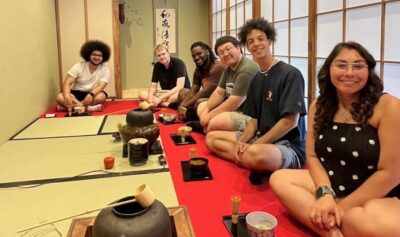
Browse the lists this tour appears in