
Reviewed · TEA CEREMONIES
Traditional Tea Ceremony with Matcha and Sweets in Kyoto
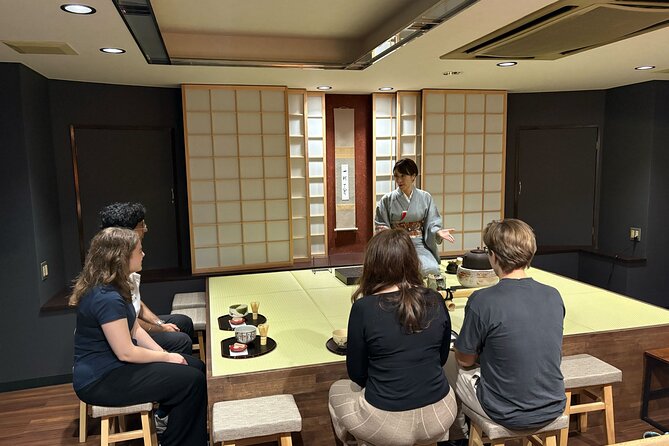
Slow down with a bowl of matcha. This one-hour session in Gion makes Japanese tea culture easy to approach, with chair seating and a hands-on chance to whisk your own tea. I like the friendly setting and the clear explanation of Zen, hospitality, and ceremony customs. The trade-off is that one hour gives you a concise introduction, not a full-length formal tea gathering.
I also like that the tea master demonstrates the movements before you try them yourself. The traditional sweets and premium matcha from a family-run farm add real flavor to the lesson, while guides such as Mitsune and Yuki have earned particular praise for their warm teaching and connection to the ceremony’s philosophy.
The main thing to consider is the short format. If you want a quiet, manageable cultural activity in central Kyoto, this is a strong choice. If you already know chanoyu well or want a long, highly formal ceremony conducted on tatami, this compact session may feel limited.
In This Review
- Key points to know before booking
- Why this Gion tea ceremony works for first-time visitors
- Arriving in Kyoto’s Gion district
- The opening lesson: tea, Zen, and hospitality
- Watching the tea master perform chanoyu
- Traditional sweets and the taste of matcha
- Making your own bowl of matcha
- What the one-hour length means
- Is $22.86 good value?
- Who should book this experience?
- Practical details for a smooth visit
- Should you book the Kyoto tea ceremony?
- FAQ
- How long does the tea ceremony experience last?
- Where does the experience begin?
- Where does the activity end?
- Is the tea ceremony conducted on the floor?
- What is included in the experience?
- How many people can join the activity?
Key points to know before booking
- You sit on chairs instead of the floor: A useful choice for anyone who finds kneeling difficult or simply prefers a more relaxed introduction.
- The session takes place in Gion: You meet at 1 Gion Tanakaya Building, Yamatocho, in Kyoto’s Higashiyama Ward.
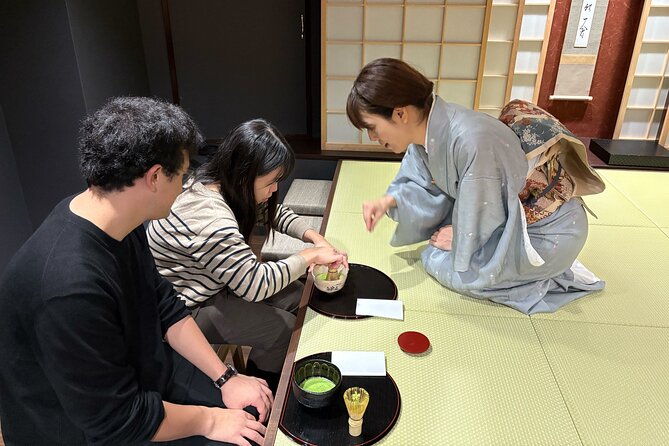
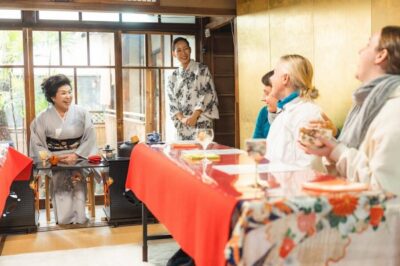
- You watch before you whisk: A tea master demonstrates authentic techniques, then guides you as you prepare your own bowl of matcha.
- Traditional sweets are part of the lesson: The sweets come from long-established artisans and help balance matcha’s sharp, grassy taste.
- The group is capped at 13 people: That keeps the class small enough for questions and personal guidance.
- The price is $22.86 per person: For a one-hour cultural activity with tea, sweets, instruction, and mobile entry, the value is good.
Why this Gion tea ceremony works for first-time visitors
Kyoto offers plenty of polished cultural activities, but some can feel stiff if you do not know the customs. This experience takes a different path. It keeps the beauty and care of chanoyu, the Japanese tea ceremony, while explaining what you are seeing in plain terms.
That matters because tea ceremony is not simply a lesson in making a hot drink. The movements, the way utensils are handled, the greeting, and the attention given to the person receiving the tea all reflect ideas of respect and presence. Without some explanation, you may see only a series of slow gestures. With context, those gestures begin to make sense.
The session introduces the history of tea in Japan and explains how Zen philosophy shaped the ceremony. You also hear about omotenashi, the Japanese idea of wholehearted hospitality. These subjects give the activity more weight than a quick demonstration followed by a cup of matcha.
I especially like the balance between watching and doing. You first see the tea master perform the ceremony up close. Then you prepare matcha yourself. That order helps you notice the details before you try to copy them, and it prevents the lesson from becoming a rushed craft exercise.
More Tea Ceremonies in Kyoto
- Kyoto: Tea Ceremony in a Traditional Tea House in Kiyomizu
★ 4.9 · 3,519 reviews - Kyoto: Tea Ceremony Ju-An at Jotokuji Temple
★ 4.9 · 3,207 reviews - Kyoto: 45-Minute Tea Ceremony Lesson Experience
★ 4.3 · 2,378 reviews
Arriving in Kyoto’s Gion district
The meeting point is at 1 Gion Tanakaya Building on Yamatocho in Kyoto’s Higashiyama Ward, postal code 605-0802. The activity begins and ends at this same location, so you do not need to arrange a second pickup point or find your way across town afterward.
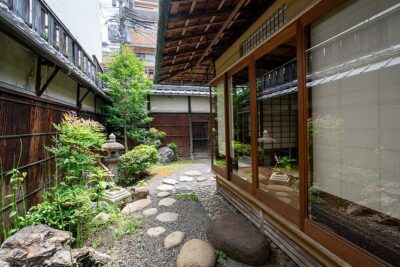
Gion is an apt setting for this kind of lesson. The district is one of Kyoto’s best-known historic areas, and the tea ceremony connects naturally with the city’s long relationship with tea, hospitality, and refined arts. The activity itself is indoors, but its location lets you pair the class with time in Gion before or after your appointment.
You should allow enough time to find the building without arriving breathless. The meeting point is near public transportation, which makes it practical to reach from other parts of Kyoto. Since the supplied details do not specify a particular station exit or walking time, check the exact mobile ticket instructions before setting out.
The mobile ticket is convenient. You can keep the confirmation on your phone rather than handling printed paperwork. Confirmation arrives at booking, so you can plan this activity as part of a Kyoto day with relatively little fuss.
The opening lesson: tea, Zen, and hospitality
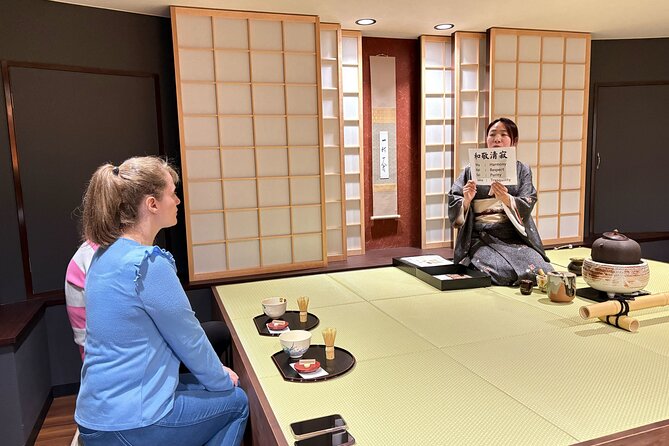
The first part explains the cultural setting behind the ceremony. You learn how tea developed in Japan and why Zen thought became closely linked with the practice. The goal is not to turn you into a tea scholar in an hour. It is to give you enough background to understand the mood and meaning of what follows.
This is where the guide makes a real difference. Mitsune has been praised for making the activity informative and welcoming, while Yuki received special praise for explaining the ceremony’s philosophy with genuine feeling. Those details suggest that the best part of the lesson is not only the script or the setting. It is the human explanation delivered by the instructor.
You may hear about omotenashi, a form of hospitality based on careful attention to another person. In a tea ceremony, that care can appear in small choices: how the host presents the bowl, how the space is prepared, and how the guest is invited to receive the tea. The lesson helps you see that the ceremony is designed around a shared moment, not a performance for its own sake.
The tone is intended to be comfortable rather than solemn. That will suit you if you are curious about Japanese customs but worry that a formal ceremony might demand perfect manners from the start. You can ask questions during the session and use the final Q&A to clear up anything that still seems unfamiliar.
Watching the tea master perform chanoyu
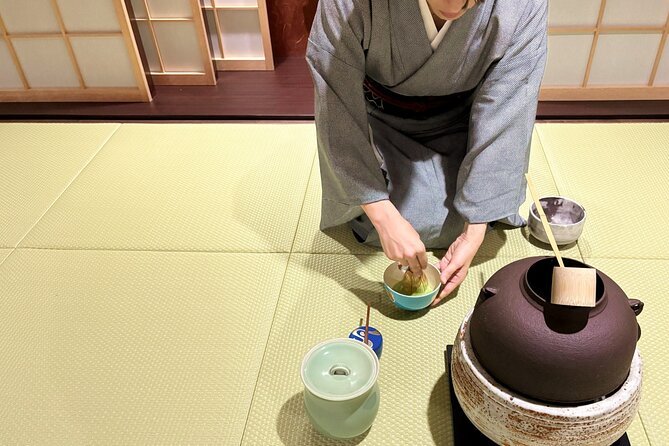
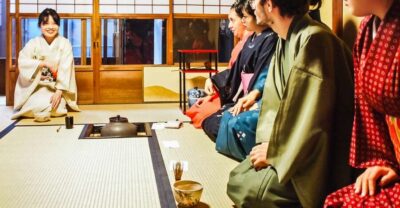
After the introduction, the tea master demonstrates the ceremony. This is the quietest part of the hour, and it rewards attention. You can watch the order of the movements, the handling of the tools, and the way matcha is prepared before you make your own.
The point is not speed. Tea ceremony values deliberate action. A simple movement can carry meaning because it is performed with care. The demonstration gives you a chance to notice that care without also worrying about your own bowl.
You might find the performance more formal than the rest of the session, which is useful. It preserves the ceremony’s sense of discipline while the chair seating and explanations make the activity easier to enter. The result is a short introduction that respects tradition without asking you to already understand every rule.
Do not expect the entire hour to feel like a theatrical show. The emphasis is on instruction and participation. If you want to photograph every movement or treat the ceremony as entertainment, you may miss what makes it valuable. Watch closely, listen to the explanation, and let the slower pace do some of the work.
A completely different kind of day out:
- PERFECT KYOTO 1-Day Bus Tour
★ 5.0 · 13,518 reviews - [Kyoto & Nara Day Tour] Sagano Scenic Railway & Nara Park & Fushimi Inari Taisha Thousand Torii Gates & Togetsukyo Bridge & Bamboo Grove & Kimono Forest (Departing from Osaka)
★ 4.9 · 10,942 reviews - Kyoto: Fushimi Inari, Kinkakuji, Bamboo Grove 1 Day Bus Tour
★ 4.8 · 4,316 reviews - Kyoto: Gion Make Your Own Chopsticks with Engraving Option
★ 5.0 · 3,465 reviews
Traditional sweets and the taste of matcha
The second half includes traditional Japanese sweets selected from long-established artisans. These sweets are not just a snack placed beside the tea. Their sweetness gives your palate a contrast to matcha, which can taste grassy, bitter, or pleasantly sharp depending on how used you are to it.
This pairing is an important part of the experience for beginners. The sweet prepares your mouth for the tea and helps explain why Japanese tea service often includes a confection. It also gives you another small connection to Kyoto’s food culture without requiring a separate meal or a larger food tour.
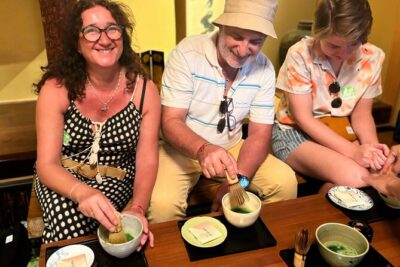
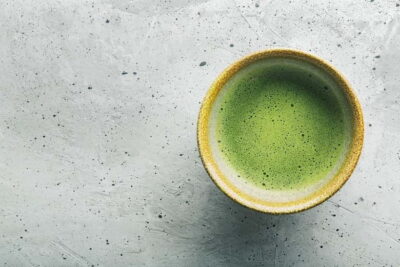
The matcha itself comes from a family-run farm and is described as premium tea. You prepare your own bowl during the hands-on portion, so you are not merely handed a finished drink. You take part in the process and learn how the powder becomes the foamy green tea associated with Japan.
For many people, this will be the most memorable part. There is a small sense of achievement in whisking the tea yourself, even when the goal is not perfect technique. The teacher’s demonstration gives you a model, and the class format lets you try without the pressure of performing in a formal tea room.
Making your own bowl of matcha
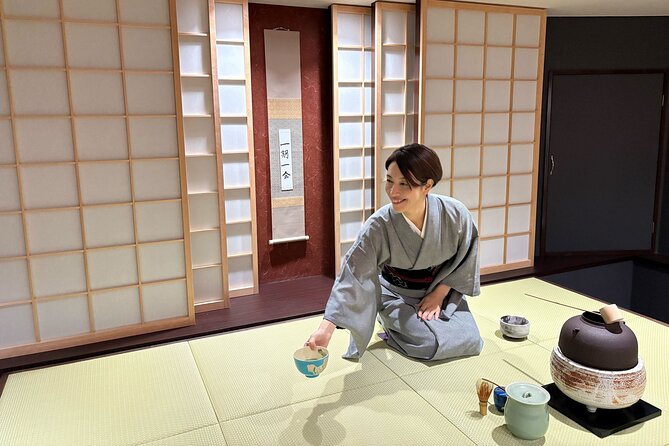
The hands-on section turns a cultural lesson into something you can remember physically. You use the traditional method to prepare your own tea, following the instruction given by the tea master.
You will likely focus on practical questions at first: how to hold the whisk, how vigorously to move it, and when the tea is ready. Those mechanics are useful, but the broader lesson is patience. Matcha preparation asks you to give one small task your full attention.
Because the group can include up to 13 people, the session remains relatively small. That is not the same as a private lesson, but it should offer a better chance to follow the demonstration and ask a question than a very large class. The final Q&A gives you another opening to ask about technique, etiquette, or the ideas behind the ceremony.
The class is conducted with you seated on chairs. This is one of its best practical features. Traditional tea ceremonies often involve floor seating, which can be uncomfortable or impossible for some people. Here, anyone unfamiliar with sitting on the floor can focus on the tea rather than managing sore knees.
The chair setup also makes the session less intimidating. You still see authentic techniques and take part in the preparation, but the physical demands are modest. If floor seating is important to you because you want the most traditional arrangement possible, this modern format may not provide that particular element.
What the one-hour length means
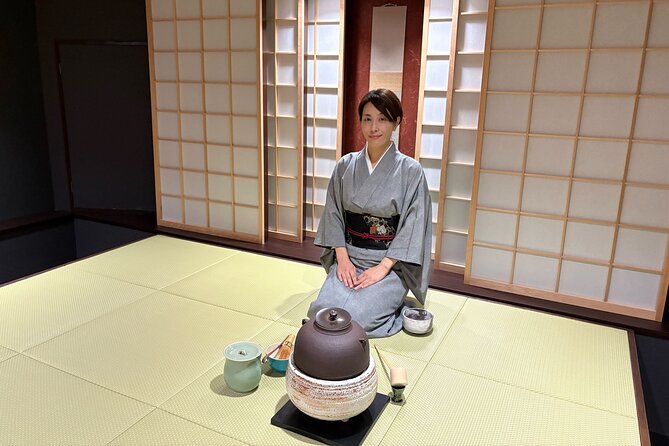
The approximate duration is one hour, including the introduction, demonstration, tasting, matcha preparation, and questions. That is enough time for a meaningful first look at tea ceremony, especially if you are fitting the activity between sightseeing stops in Kyoto.
I see the short length as both a benefit and a limit. It is easy to add to a day in Gion, and you do not need to dedicate half a day to one cultural activity. You can learn the basic ideas, taste the tea and sweets, and leave with a better sense of why the ceremony matters.
At the same time, a one-hour program cannot cover every form of tea practice or every rule of etiquette. The demonstration will be concise, and the Q&A will have a natural time limit. If you want detailed instruction on tea utensils, schools of tea, seasonal symbolism, or advanced preparation, you will need a longer class.
The best approach is to treat this as an introduction, not a final word. It may even make later visits to tea houses, gardens, or cultural sites more rewarding because you will recognize some of the gestures and ideas.
Is $22.86 good value?
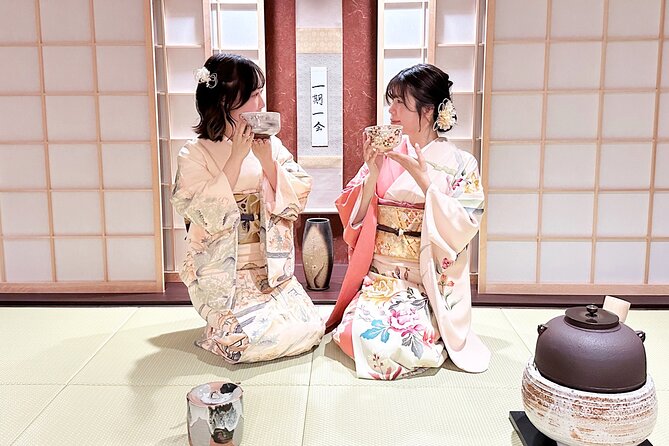
At $22.86 per person, the price is reasonable for a central Kyoto cultural activity. You receive a guided lesson, a tea master’s demonstration, traditional sweets, premium matcha, the chance to make your own bowl, and a Q&A. The group size is limited to 13, which adds value compared with an impersonal large-group presentation.
The cost also includes something difficult to measure but important: explanation. You can drink matcha in many places, but a knowledgeable instructor can show you why the tea is prepared in a particular way and how hospitality shapes the ceremony. That context turns a small tasting into a cultural activity.
I would not book it for the tea alone. If your only goal is to sample matcha, a café may cost less and take less time. Book this class because you want the preparation, the stories, the demonstration, and the chance to participate.
The price is especially fair if you are visiting Kyoto for the first time and want one organized activity that connects food, history, philosophy, and local custom. It also works well for a return visit when you want something quieter than another major sightseeing stop.
Who should book this experience?
I would recommend it to first-time visitors who want an approachable introduction to Japanese culture. The teachers’ friendly style and the chair seating remove two common barriers: uncertainty about etiquette and discomfort with sitting on the floor.
It suits couples, families with older children, and small groups who want a calm activity in Gion. The one-hour format also works for people managing a full sightseeing schedule.
You should consider it if you enjoy learning through food and action. The sweets give you a taste of traditional confectionery, while whisking the matcha gives you something to do with your hands. The combination is more engaging than simply watching a ceremony from a distance.
I would be more cautious if you are looking for a full ceremonial performance with strict formality. This program is designed to be welcoming and accessible, so it intentionally presents tea ceremony in a shorter, modern format. That is a strength for most beginners, but a possible weakness for someone seeking an advanced or highly ceremonial study.
Practical details for a smooth visit
Confirmation is provided when you book, and the activity uses a mobile ticket. Keep the ticket available on your phone when you arrive.
The meeting point is:
- 1 Gion Tanakaya Building
- Yamatocho, Higashiyama Ward
- Kyoto, Japan, 605-0802
The activity ends at the same place. It is near public transportation, and the group size is limited to a maximum of 13 people.
Free cancellation is available if you cancel at least 24 hours before the scheduled start time. A cancellation made less than 24 hours before the start is not refunded, and changes inside that window are not accepted. The cut-off follows Kyoto local time, so check the timing carefully if you are booking from another time zone.
Should you book the Kyoto tea ceremony?
Yes, if you want a friendly and affordable first step into Japanese tea culture. The strongest reasons are the chair seating, clear cultural explanation, skilled demonstrations, traditional sweets, and hands-on matcha preparation. The warm teaching style associated with instructors such as Mitsune and Yuki adds a personal quality that can make the philosophy easier to understand.
The main caution is the one-hour limit. This is a concise introduction, not an exhaustive study or a long formal ceremony. At $22.86, though, it offers solid value and a pleasant way to slow down in Gion. I would book it early in your Kyoto stay, then use what you learn to notice tea customs and hospitality in the rest of Japan.
FAQ
How long does the tea ceremony experience last?
The activity lasts approximately one hour.
Where does the experience begin?
It begins at 1 Gion Tanakaya Building, Yamatocho, in Kyoto’s Higashiyama Ward, postal code 605-0802.
Where does the activity end?
The experience ends back at the meeting point.
Is the tea ceremony conducted on the floor?
No. Participants sit on chairs, making the session easier for people who are unfamiliar with floor seating or have limited mobility.
What is included in the experience?
The session includes an introduction to Japanese tea history and Zen philosophy, a tea master’s demonstration, traditional sweets, premium matcha from a family-run farm, hands-on matcha preparation, and a Q&A.
How many people can join the activity?
The maximum group size is 13 people.
More Dessert Tours in Kyoto
- Kyoto: Japanese Traditional Sweets Making and Tea Ceremony
★ 4.4 · 314 reviews - Kyoto Wagashi(Japanese sweets) Cooking Class near Fushimiinari
★ 5.0 · 60 reviews - Kyoto: Wagashi (Japanese sweets) Cooking near Fushimiinari
★ 5.0 · 40 reviews - Kyoto: Traditional Tea Ceremony with Matcha & Sweets in Gion
★ 4.9 · 27 reviews
Just added in Kyoto
- The “Golden Route” and Ancient Japan by DIAMIR Erlebnisreisen – 14-Day Tour★ 2.0 · 2 reviews
- Japan: Castles & Cuisine by G Adventures – 6-Day Kyoto to Osaka Tour★ 4.5 · 4 reviews
- Cycle Japan by Explore! – 13-Day Kyoto to Tokyo Tour★ 4.7 · 12 reviews
- Cycle Japan by Intrepid Travel – 11-Day Kyoto to Tokyo Tour★ 4.8 · 2 reviews
- Classic Japan by Intrepid Travel – 11-Day Kyoto to Tokyo Tour★ 4.4 · 14 reviews
- Ancient & Modern Japan 14-Day Tour by Exodus Adventure Travels★ 4.4 · 40 reviews
- 5 Day Cultural Adventure of Kyoto, Nara & Osaka by Tourist Journey★ 2.5 · 2 reviews
- 12 Days Kinosaki Onsen Escape: A Journey Through Japan’s Timeless Towns by UME Travel★ 4.8 · 5 reviews
Tea Ceremonies, compared.
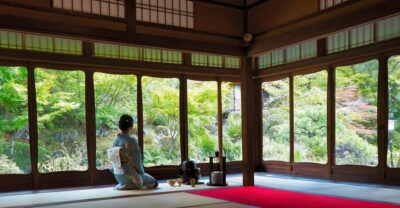
Tea Ceremony in a Traditional Tea House in Kiyomizu
Read our review →
World Heritage Kyoto & Nara Uji Authentic Matcha Experience
Read our review →
Browse the lists this tour appears in