
Reviewed · TEA CEREMONIES
Making Japanese desserts Nerikiri & drinking matcha in Tokyo
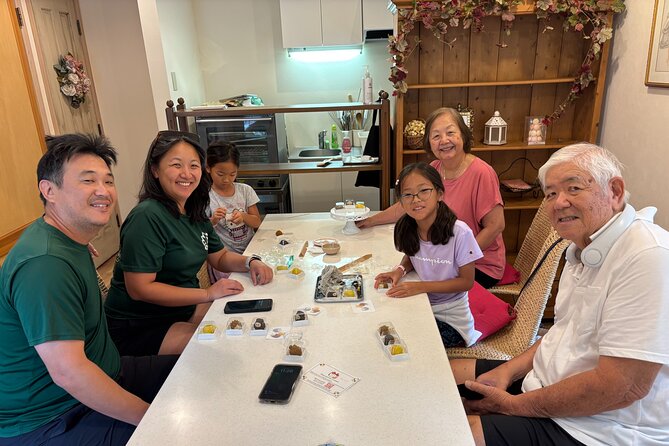
Sweet-making with a Japanese twist. This 90-minute class turns seasonal nerikiri confectionery into a hands-on lesson, with an instructor guiding you as you shape three delicate sweets and enjoy matcha afterward. I like the small maximum of eight people, which should leave room for help at the worktable, and I like that you can eat your creations immediately or pack them for later. The main point to watch is the location, since the class is usually in Shimokitazawa but may move to Toritsu Daigaku Station.
I also like the way this experience connects food with season and custom. You are not simply assembling a sugary snack. You learn how the dough is made, shape it with your own hands, and sample the result with powdered green tea. At $65.69 per person, it is not a bargain snack stop, but the instruction, ingredients, tools, matcha, and cultural context make it a fair choice for a short Tokyo activity.
In This Review
- Key points to know before booking
- Why nerikiri makes a good Tokyo food class
- The 90-minute class in three stages
- Seasonal designs make each visit different
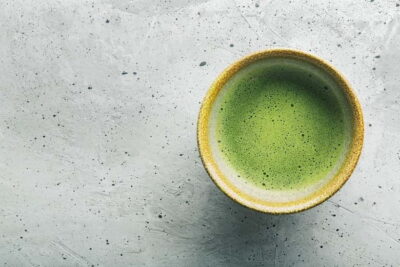
- Matcha gives the sweets a proper finish
- Shimokitazawa adds value before and after class
- What the small group changes
- Is $65.69 a fair price?
- Who should book this experience
- Booking and cancellation advice
- FAQ
- How long does the nerikiri and matcha class last?
- Where does the class meet?
- Can the class location change?
- How many people can join the class?
- What will I make?
- Can I request an owl or needle mouse design?
- Is matcha included?
- Can I take the nerikiri home?
- Should you book it?
Key points to know before booking
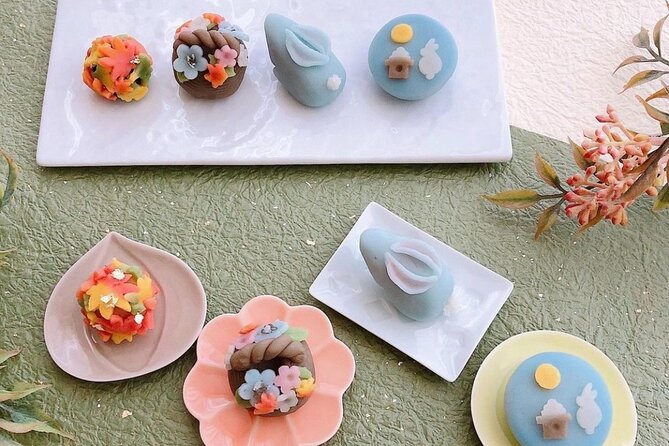
- You make three seasonal nerikiri sweets: The exact designs change with the season, so the class has a fresh feel at different times of year.
- The class is limited to eight people: This is a useful size for personal help, especially if you have never worked with nerikiri before.
- Matcha is prepared after the making session: You can enjoy your sweets on the spot with powdered green tea.
- Take-home packets are provided: If you prefer to save your creations, you can carry them away rather than eating them immediately.
- The usual setting is Shimokitazawa: The class begins at 3-chōme-20-4 Kitazawa, Setagaya City, though Toritsu Daigaku Station may be used if the kitchen is unavailable.
- Special designs require an early request: You may ask about making an owl and a needle mouse, but the request is not guaranteed.
Why nerikiri makes a good Tokyo food class
Nerikiri is a traditional Japanese sweet made from kneaded dough, commonly shaped into seasonal flowers, plants, animals, or other small forms. Its appeal is visual as well as culinary. Each piece is designed to suggest something from the season, so the sweet on your plate can feel like a tiny edible decoration.
That makes this class different from a standard cooking demonstration. You do not sit back while someone else does the important work. You handle the dough, follow the shaping process, and see how a plain mixture becomes a carefully formed dessert. For beginners, that physical step matters. You leave with a clearer sense of the patience and precision behind Japanese confectionery.
The class also gives you a small window into Japanese food culture without requiring a full day. You learn through eating, making, and drinking rather than through a long lecture. That format suits me because the information has a practical anchor: you can understand the lesson by holding the dough and tasting the finished sweet.
More Tea Ceremonies in Tokyo
- Matcha Making Class in Tokyo with Authentic Japanese Sweets Set
★ 5.0 · 744 reviews - Tokyo: Traditional Tea Ceremony with a Tea Master
★ 5.0 · 528 reviews - Tokyo: Matcha Making Experience with Mochi Sweets in Asakusa
★ 4.9 · 388 reviews
The 90-minute class in three stages
The experience lasts about one hour and 30 minutes. The supplied ingredients and tools are included, so you do not need to bring cooking equipment or shop for specialty items before arriving.
The first part focuses on the nerikiri process. The instructor explains how the confectionery is made, then demonstrates the steps before you try them yourself. You will make three types of seasonal kneaded dough, with the designs shaped according to the time of year.
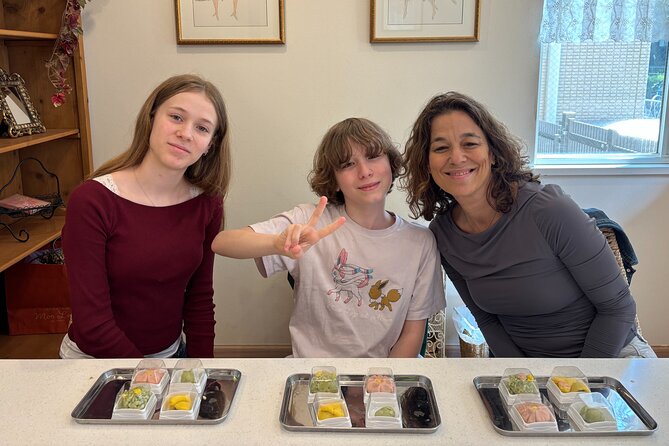
The second part is the hands-on work. This is where the small group becomes important. With no more than eight people, you should have a better chance of receiving direct help than in a large demonstration class. Nerikiri can look simple when finished, but small changes in pressure and shape affect the final form. A little guidance can save you from turning a flower into an uncertain blob.
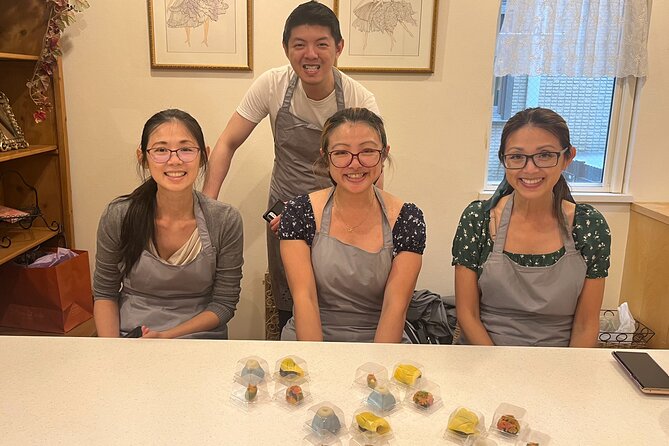
The final part brings out the matcha. The instructor prepares powdered green tea, and you can eat the nerikiri you made during the class. Take-home packets are also supplied, so you can carry the sweets with you if you want to save them or share them later.
At 90 minutes, the schedule is compact. You get enough time for instruction, making, and tasting, but this is not an extended culinary workshop. If you want a detailed professional pastry course, this will feel brief. If you want a focused cultural activity that fits neatly into a Tokyo day, the length works well.
Seasonal designs make each visit different
The class does not promise one fixed set of shapes all year. Instead, you make seasonal kneaded sweets, which gives the activity a direct connection to the calendar. That is one of its strongest features because Japanese food often changes with the season, and nerikiri makes that idea easy to see.
The exact designs are not specified in advance, so you should arrive ready for the instructor’s seasonal selection. That uncertainty is part of the charm, but it may matter if you have your heart set on one particular shape.
You can ask about making an owl and a needle mouse by contacting the instructor through email. The request must be made in advance, and it may not be possible depending on the timing of your application. Treat those designs as a request rather than a promise. If you do not ask, the class will generally follow the seasonal designs planned for that date.
Matcha gives the sweets a proper finish
The matcha portion is more than a drink added at the end. Nerikiri is sweet, while matcha has a strong, earthy bitterness. Tasting them together helps explain why they are traditionally paired. The tea gives the dessert a sharper counterpoint, so the final part feels like a complete Japanese confectionery experience rather than a simple sugar-making exercise.
You may eat your sweets immediately after making them, which lets you see how they taste at their freshest. Or you may place them in the provided packets and take them home. That choice is handy if you want to photograph them first, if you are already full, or if you have another meal planned soon afterward.
Do keep in mind that the focus is on making and tasting nerikiri, not on a full tea ceremony. The supplied information promises prepared matcha, but it does not describe a formal tea ritual. Book this for a practical confectionery class with tea, not for a ceremonial performance.
A completely different kind of day out:
- Tokyo Disney Resort – Tokyo Disneyland & Tokyo DisneySea Park Tickets
★ 4.8 · 99,488 reviews - SHIBUYA SKY Ticket
★ 4.7 · 46,509 reviews - JR Whole Japan Rail Pass
★ 4.8 · 29,150 reviews - Mt Fuji and Hakone 1-Day Bus Tour Return by Bullet Train
★ 5.0 · 26,383 reviews
Shimokitazawa adds value before and after class
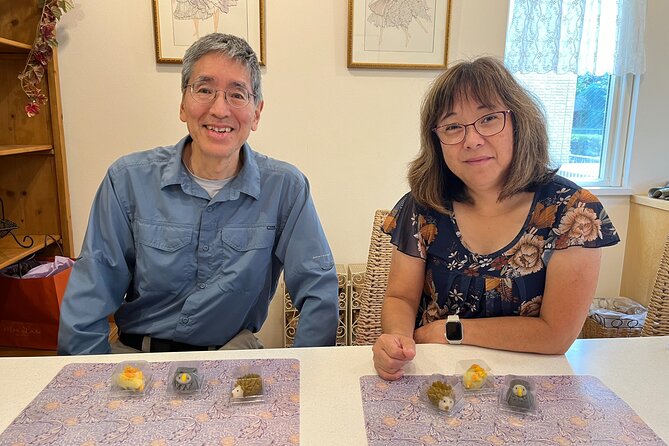
The usual class location is a kitchen in Shimokitazawa, in Setagaya-ku. The meeting point is listed at 3-chōme-20-4 Kitazawa, Setagaya City, Tokyo 155-0031, and the activity finishes back at the meeting point.
Shimokitazawa is useful as a base because you can pair the class with time in the surrounding district. The activity itself does not include a neighborhood tour, meals, or additional sightseeing, but you can explore nearby after you finish. That makes the class easier to fit into a flexible Tokyo itinerary than an experience in a remote destination.
There is one practical wrinkle. Because the class uses a rental kitchen, the location may shift to Toritsu Daigaku Station if the Shimokitazawa space is unavailable. The instructor sends the event details by email after you reserve, and should contact you if the location changes.
I would not head to the first address without checking the final message. Build a little flexibility into your plans, especially if you have a tight restaurant reservation or a timed ticket immediately afterward. The change is not necessarily a problem, but it means you should confirm the exact meeting place before leaving for class.
What the small group changes
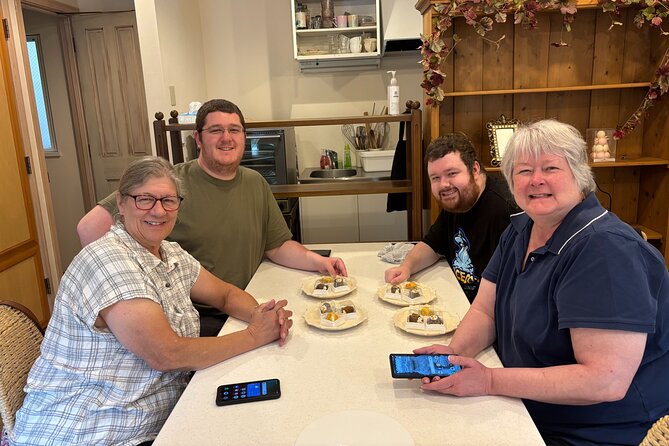
A maximum of eight people is one of the clearest reasons to choose this activity. Nerikiri is a hands-on craft, and the instructor can offer more useful help when the group is small. You can watch a demonstration, try the same movement, and ask for clarification without competing with a large crowd.
The format is especially suitable for first-timers. One published rating describes the activity as beginner-friendly and fun, with a strong recommendation for friends and families. That matches the design of the class: you learn a new skill, but you are not expected to arrive with pastry training.
Families should consider the age and patience of the children in their group, since the supplied information does not give a minimum age or specific child policy. The same applies to anyone with food allergies or dietary restrictions. The class includes ingredients, but no ingredient list is provided, so you should ask the provider before booking if that information matters to you.
The class has received a 4.9 rating from 20 reviews, with 100 percent recommended shown in the supplied details. That is a small sample, but it supports the idea that the personal, beginner-friendly format is working well.
Is $65.69 a fair price?
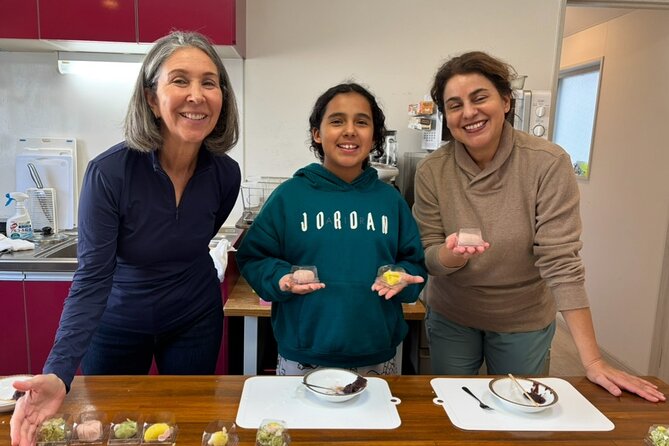
At $65.69 per person, this is a paid activity rather than a quick dessert purchase. The price covers the instructor’s time, all ingredients, the tools you use, the three seasonal sweets, matcha, and take-home packaging.
The best value comes from the participation. You are paying to learn and make the sweets, not simply to receive a plate of nerikiri. If you enjoy food classes, cultural workshops, or activities that give you something to do with your hands, the cost is easier to justify.
The value is weaker if you only want to taste Japanese sweets. You could spend less on a confectionery purchase elsewhere, but that would not include the instruction or the chance to shape the desserts yourself. I would compare this with the cost of another short Tokyo activity, not with the price of a single snack.
Group discounts are available, though the amount is not stated. If you are traveling with friends or family, check the final price for your party. Sharing the class can also make the small-group format more enjoyable, particularly when everyone’s finished sweets look slightly different.
The activity is booked, on average, 34 days ahead. That suggests you should not leave it until the last day of a Tokyo trip, especially if your dates are fixed. Confirmation is sent within 48 hours of booking, subject to availability.
Who should book this experience
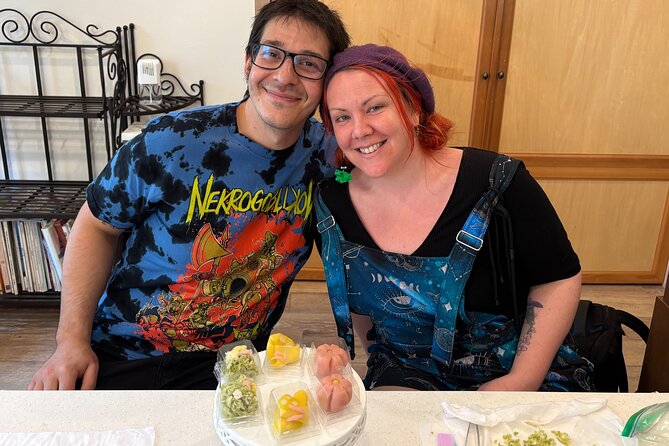
I would recommend this class to you if you want a short activity with a strong local food connection. It suits first-time makers, couples, families who enjoy creative activities, and friends looking for something beyond temples and shopping streets.
It is also a good choice for repeat visitors to Tokyo. You do not need another standard city sightseeing stop, and the seasonal designs give the activity a different character at different times of year.
The class may not suit you if you want a formal tea ceremony, a large meal, or an advanced pastry lesson. It is also not the best fit for a rigid itinerary unless you can allow for the possible move from Shimokitazawa to Toritsu Daigaku Station.
The experience ends where it begins, and its short duration makes it easy to combine with nearby Setagaya-ku plans. Just remember that the exact setting is confirmed by email, not guaranteed solely by the first address shown at booking.
Booking and cancellation advice
Free cancellation is available if you cancel at least 24 hours before the local start time. Cancellations made less than 24 hours ahead are not refunded, and changes within that window are not accepted.
Since the activity is often reserved well in advance, I would book once your Tokyo dates are stable. Then read the instructor’s email carefully for the final location and any preparation details. If you want to request the owl or needle mouse designs, send that request early rather than waiting until the class begins.
FAQ
How long does the nerikiri and matcha class last?
The class lasts approximately 1 hour and 30 minutes.
Where does the class meet?
The usual meeting point is 3-chōme-20-4 Kitazawa, Setagaya City, Tokyo 155-0031, Japan. The class generally takes place in a kitchen in Shimokitazawa.
Can the class location change?
Yes. Because a rental kitchen is used, the class may be held near Toritsu Daigaku Station if the Shimokitazawa space is unavailable. The instructor will provide details by email.
How many people can join the class?
The maximum group size is eight people.
What will I make?
You will make three types of seasonal kneaded dough used for nerikiri sweets. The designs depend on the season.
Can I request an owl or needle mouse design?
You can contact the instructor by email to request those designs. The request may not be possible depending on when you apply.
Is matcha included?
Yes. After the making session, the instructor prepares matcha, or powdered green tea, for you to drink with the sweets.
Can I take the nerikiri home?
Yes. You may eat the sweets during the class or take them home. Packets are provided.
Should you book it?
Book this class if you want to make something distinctly Japanese, learn a small food craft, and finish with matcha in a friendly group of no more than eight. The seasonal designs, take-home packets, and chance to explore Shimokitazawa afterward give the 90-minute activity more substance than a simple tasting.
Skip it if your priority is a formal tea ceremony or a full cooking lesson. For everyone else, the $65.69 price is reasonable when you value instruction and participation. Confirm the location by email, request any special design early, and leave enough room in your schedule for a possible meeting point near Toritsu Daigaku Station.
Just added in Tokyo
- A One-of-a-Kind Sushi Experience in a Special Place of Japan★ 5.0 · 15 reviews
- Tokyo Cute Bento Cooking Class – Make a Kawaii Character Lunchbox★ 5.0 · 126 reviews
- Japanese Home Cooking Class & Walk in Todoroki Temple Tokyo★ 5.0 · 88 reviews
- Japan Tokyo Tower Observatory Deck E-Ticket★ 4.0 · 34 reviews
- Catch a Baseball Game in Tokyo with a Local – Tickets Included★ 5.0 · 24 reviews
- Japan Classic 10 Day – One Life Adventures★ 5.0 · 129 reviews
- JDM Experience with Fast&Furious RX-7 (English speaking Driver)★ 5.0 · 57 reviews
- Tokyo Private Day Tour by Car with English speaking Driver Guide★ 4.0 · 29 reviews
Tea Ceremonies, compared.
Tea Ceremony in a Traditional Tea House in Kiyomizu
Read our review →
World Heritage Kyoto & Nara Uji Authentic Matcha Experience
Read our review →
Browse the lists this tour appears in