
Reviewed · TEA CEREMONIES
2 Hours Mochi &Nerikiri Making & Matcha Class in Bunkyo
Make sweets, then drink tea in a Tokyo home. This two-hour Bunkyo class offers a close look at Japanese wagashi, with hands-on practice rather than a simple demonstration. I like the private, one-table format, and I like that bilingual instructor Yuko explains both technique and cultural meaning. The main consideration is the price: at $78.83 per person, it costs more than a casual sweets stop, though the personal teaching helps justify it.
The class suits families, couples, solo visitors, and anyone with a sweet tooth. You choose from a mochi and dango course, a nerikiri course, or a combination course. Because it takes place in Yuko’s home, the setting feels personal and relaxed, but the intimate space may not suit you if you prefer a large, energetic cooking studio.
In This Review
- Key points at a glance
- Why a Bunkyo home is the right setting
- Choosing between mochi, dango, and nerikiri
- The 10:00 am lesson, step by step
- What makes the teaching work
- A warm choice for families and solo visitors
- The value of a $78.83 private class
- Practical planning for your Tokyo day
- The small drawbacks to consider
- Should you book this wagashi class?
- FAQ
- How long does the mochi and nerikiri class last?
- Where does the class meet?
- What time does the class begin?
- Which sweets can I learn to make?
- Do I need previous Japanese cooking experience?
- Is the class private?
Key points at a glance
- Private instruction with Yuko: You receive step-by-step help in a small home setting, with the whole table focused on your group.
- Three course choices: Pick mochi and dango, nerikiri, or the combination course covering all three sweets.
- More than a cooking lesson: Yuko explains Japanese food customs, seasonal meanings, and the place of wagashi in tea culture.
- A practical two-hour format: The morning start at 10:00 am fits neatly into a day of sightseeing in Tokyo.
- Good for first-time cooks: The recipes are presented as approachable, and you do not need prior Japanese cooking experience.
- Easy central Tokyo location: The class meets at 1-chōme-27-8 Sekiguchi in Bunkyo City and finishes at the same address.
Why a Bunkyo home is the right setting
Tokyo has no shortage of polished cooking schools, but this class takes a different route. You enter a Japanese home rather than a commercial kitchen, sit at one table, and work directly with your instructor. That changes the mood from formal workshop to welcoming visit.
Yuko is a native Japanese teacher who has trained with the Wagashi Association of Japan. She also teaches in English, so you can ask questions about ingredients, methods, and customs as you work. Her calm, patient approach is one of the strongest reasons to choose this class.
The home setting also gives the lesson a cultural layer. You are not only shaping sweets. You are hearing why certain treats appear at New Year, special events, or tea ceremonies. Several people have especially appreciated the homely atmosphere, the chance to talk with Yuko, and the feeling of being welcomed into her kitchen and dining room.
That personal tone is valuable in a city where many food activities take place in busy, commercial venues. You get a quieter window into daily Japanese hospitality. The tradeoff is that the space is intimate, so you should expect a close, small-scale lesson rather than a spacious classroom with multiple stations.
More Tea Ceremonies in Tokyo
- Matcha Making Class in Tokyo with Authentic Japanese Sweets Set
★ 5.0 · 744 reviews - Tokyo: Traditional Tea Ceremony with a Tea Master
★ 5.0 · 528 reviews - Tokyo: Matcha Making Experience with Mochi Sweets in Asakusa
★ 4.9 · 388 reviews
Choosing between mochi, dango, and nerikiri
The class offers three formats, and your choice affects the character of the lesson.
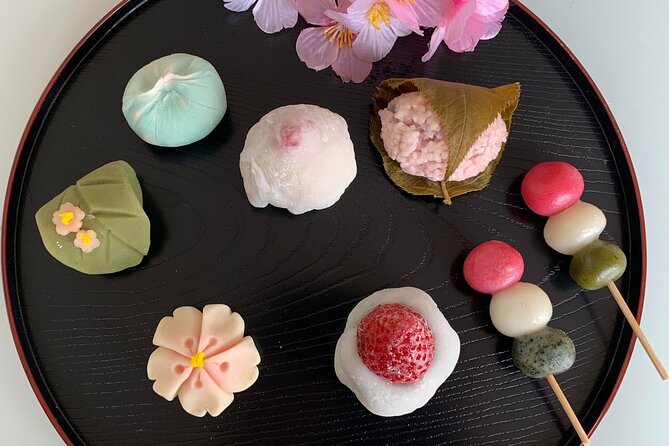
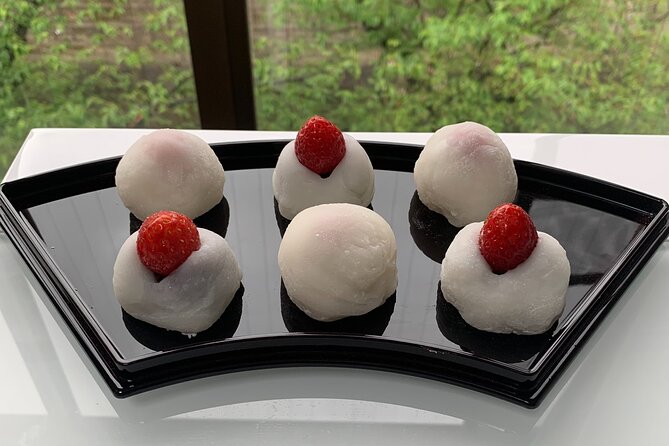
The mochi and dango course focuses on familiar Japanese sweets made from rice-based ingredients. Mochi is soft and elastic, while dango has a firmer, chewier texture and is often linked with festivals or special occasions. This option works well if you want a focused introduction to sweets you may already recognize from Japanese shops and restaurants.
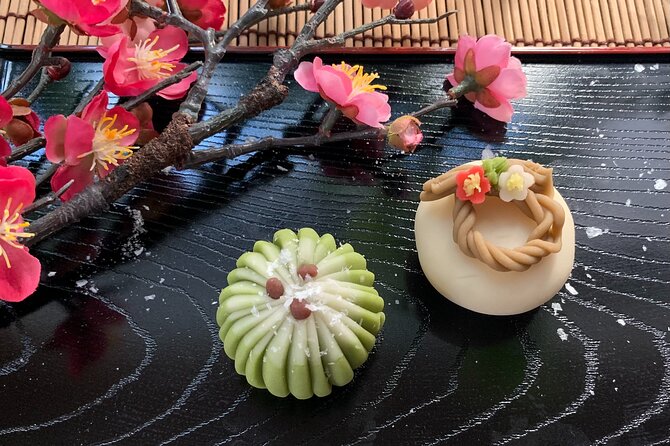
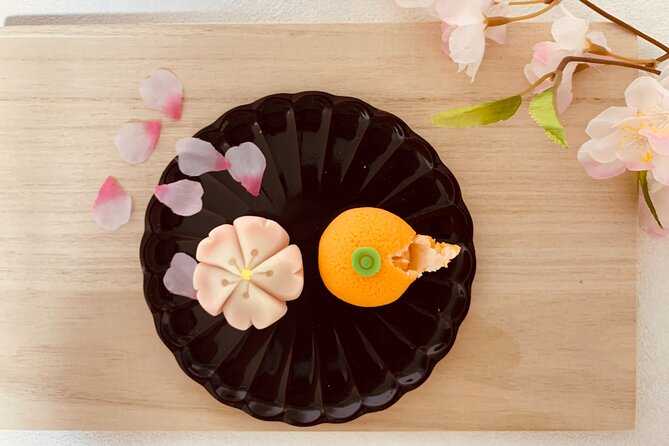
The nerikiri course is more about delicate shaping and visual design. Nerikiri is associated with tea ceremony settings, where seasonal forms and careful presentation matter as much as sweetness. You learn to turn the dough into small decorative sweets, and the process gives you a feel for the fine hand skills behind wagashi.
The combination course covers mochi, dango, and nerikiri. It is the broadest choice and probably the best pick if this is your only Japanese sweets class in Tokyo. You will handle different textures and techniques, and you will leave with a clearer sense of how wagashi changes from simple everyday treats to highly styled tea sweets.
The exact designs can vary. Past participants have made several creative shapes, including a Halloween ghost, and have praised the chance to create sweets that look surprisingly polished. You should not expect every piece to come out perfectly on your first try, but that is part of the fun. Yuko demonstrates each step, then lets you imitate it while offering corrections.
The 10:00 am lesson, step by step
The class begins at 10:00 am at 1-chōme-27-8 Sekiguchi, Bunkyo City, Tokyo 112-0014. The address is near public transportation, and the activity ends back at the meeting point. Since this is a home class, allow a little time to locate the correct entrance and arrive ready for a punctual start.
The opening usually sets a relaxed tone. One participant described beginning with tea, followed later by matcha, which gives the class a pleasant rhythm. Rather than rushing directly into preparation, you get a little context and time to settle in.
Yuko then introduces traditional Japanese sweets and explains how they connect with Japanese occasions. Mochi may relate to New Year or new births, dango can appear at special events, and nerikiri is closely tied to tea ceremony culture. These details help you see wagashi as more than a sugary snack.
Next comes the demonstration. Yuko shows the movements slowly, with attention to texture, shaping, and presentation. You then make the sweets yourself. The lesson is hands-on, so you are not standing behind a crowd trying to see a distant instructor.
The one-table format matters here. You can stop Yuko when you need clarification, and she can watch your technique closely. People who have taken the class describe her as attentive, kind, and patient, particularly when showing the process step by step.
The final part includes matcha and time to appreciate what you have made. Depending on your selected course and the pace of your group, you may work through several designs and techniques during the two-hour session. The class is short enough to fit into a busy Tokyo itinerary but long enough to feel like a real activity rather than a quick tourist photo stop.
What makes the teaching work
Wagashi looks simple until you try to shape it. A small difference in pressure can change the form, and neat presentation takes practice. That is why direct instruction makes such a difference here.
Yuko’s teaching style appears especially well suited to beginners. You get a model to follow, then a chance to repeat the movement with help nearby. You do not need experience preparing Japanese food, and the recipes are intended to be practical enough to try again at home.
I also like the cultural explanations woven into the lesson. A class that only teaches you to mix and shape dough would be enjoyable, but it would miss the reason wagashi matters. Here, you learn how sweets can mark the calendar, accompany ceremonies, or express seasonal ideas.
The language element is another practical strength. Yuko is bilingual, and her English communication has helped visitors understand how to reach the class and what to expect. If you have questions about ingredients or traditions, you can ask as they arise instead of waiting for a translated handout.
The best part may be the human scale. Solo participants have felt comfortable at the table, while families have enjoyed working together. The lesson can therefore feel social without forcing you into a large group.
A completely different kind of day out:
- Tokyo Disney Resort – Tokyo Disneyland & Tokyo DisneySea Park Tickets
★ 4.8 · 99,488 reviews - SHIBUYA SKY Ticket
★ 4.7 · 46,509 reviews - JR Whole Japan Rail Pass
★ 4.8 · 29,150 reviews - Mt Fuji and Hakone 1-Day Bus Tour Return by Bullet Train
★ 5.0 · 26,383 reviews
A warm choice for families and solo visitors
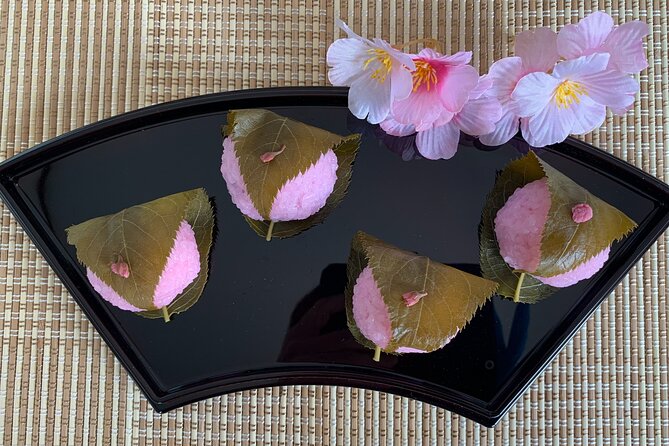
Families are a particularly good match for this class. Children and adults can work side by side, and the sweets offer an immediate reward at the end. One family described the visit as special and memorable, while another enjoyed relaxing with Yuko and taking in the view from the dining area.
Parents should keep in mind that this is still a real food-making lesson. Young children may need help with delicate shaping, and the private format means your group shares the full responsibility for staying engaged. That can be a benefit, since you are not competing with a room full of other participants.
Solo visitors also fit comfortably here. The small setting gives you plenty of direct contact with Yuko, and you will not be placed into an unfamiliar large group. If you enjoy learning through conversation, this may be one of the more personable food activities you can add to a Tokyo visit.
Couples and friends get a similar advantage. You can compare your creations, laugh at the imperfect ones, and learn at your own speed. The activity is participatory without being physically demanding, making it an easy addition to a day of sightseeing.
The value of a $78.83 private class
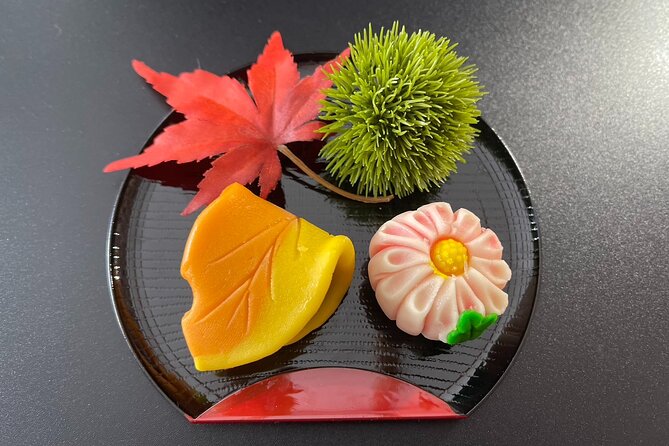
At $78.83 per person, this is not the cheapest way to eat Japanese sweets. If your only goal is to taste mochi, you can spend far less at a department-store food hall or neighborhood shop.
You are paying here for instruction, privacy, cultural background, ingredients, and time with a trained teacher. The class does not simply hand you a sweet and explain its name. You learn techniques that you can practice later, and you get a personal introduction to wagashi from a Japanese teacher in her own home.
That value improves if you choose the combination course, since you cover three types of sweets in one sitting. It also makes more sense for families or couples who want a shared activity rather than separate sightseeing stops.
The price may feel high if you are on a strict budget, dislike sweets, or prefer watching professionals do the work. But for food-focused visitors, this is a reasonable splurge, especially if you want something more personal than a standard group workshop.
The activity is commonly booked about 38 days ahead, which suggests that you should not leave it until the last minute if your Tokyo dates are fixed. Confirmation arrives when you book, and free cancellation is available up to 24 hours before the start time. Cancellations or changes inside that 24-hour window are not refunded or accepted.
Practical planning for your Tokyo day
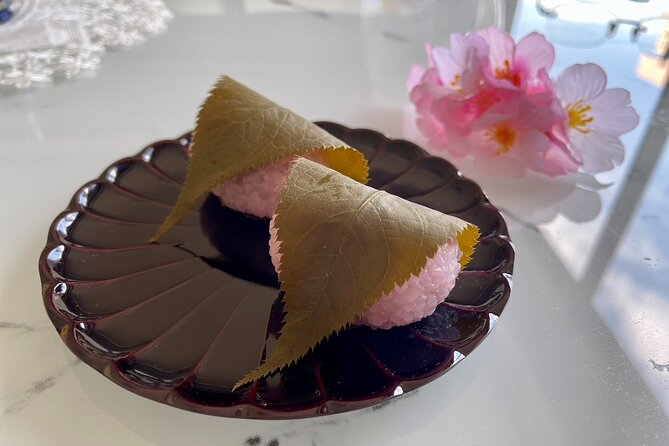
The class starts in Bunkyo, a central Tokyo neighborhood with public transportation nearby. Since the activity begins at a private residence, check the address carefully and follow any arrival instructions provided after booking.
The two-hour length is useful. You can schedule it into a morning without giving up an entire day, then continue to another part of Tokyo afterward. The meeting point is also the end point, so you do not need to arrange a separate return transfer.
Wear something you can work comfortably in and keep your schedule calm enough to arrive on time. The supplied information does not specify a dress code, food allergy policy, or exact take-home amount, so contact the provider before booking if those points matter to you.
The experience is delivered with a mobile ticket. Keep the booking confirmation accessible on your phone, especially if you are navigating to a residential address.
You should also think about your preferred sweets before reserving. If you are most interested in the visual art of Japanese confections, choose nerikiri. If you want familiar chewy treats and practical recipes, mochi and dango may be the better fit. If you want the widest introduction, choose the combination course.
The small drawbacks to consider
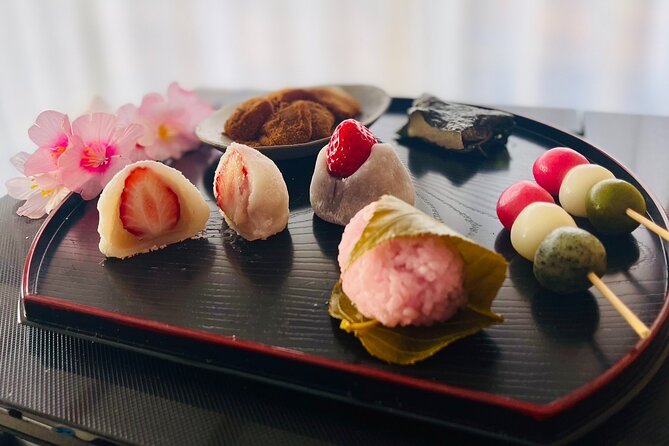
The private home setting is the central strength, but it may not suit everyone. You will not get the polished scale, spacious counters, or broad equipment selection of a professional cooking school.
The class also centers on sweets. If you are looking for a full Japanese meal, knife skills, sushi preparation, or savory cooking, this is the wrong activity. The focus is narrow, though it explores that subject with care.
The $78.83 price is another possible barrier. A solo visitor may find it easier to justify than a large family paying for several places. Still, the private format means you are purchasing personal attention rather than a seat in a crowded workshop.
Finally, wagashi demands patience. Shaping small sweets can be fiddly, and your first designs may look less tidy than Yuko’s examples. Go in expecting to learn, not to produce shop-window perfection. The process is the point, and the edible results help.
Should you book this wagashi class?
Book it if you want a personal Japanese food experience with direct instruction, cultural context, and time to make the sweets yourself. It is especially well suited to families, solo visitors, couples, and anyone who enjoys traditional crafts as much as eating.
Choose the combination course if you want the fullest introduction in two hours. Pick nerikiri for delicate designs and tea culture, or mochi and dango for a simpler focus on chewy rice sweets.
Skip it if you only want a cheap snack, dislike sweet foods, or prefer a large commercial kitchen. For everyone else, Yuko’s patient teaching, the one-table setting, and the chance to make several traditional treats make this a memorable use of a morning in Tokyo.
FAQ
How long does the mochi and nerikiri class last?
The class lasts approximately two hours.
Where does the class meet?
It meets at 1-chōme-27-8 Sekiguchi, Bunkyo City, Tokyo 112-0014, Japan. The activity ends back at the same meeting point.
What time does the class begin?
The scheduled start time is 10:00 am.
Which sweets can I learn to make?
You can choose a mochi and dango course, a nerikiri course, or a combination course covering mochi, dango, and nerikiri.
Do I need previous Japanese cooking experience?
No. The recipes are described as simple, and the class is designed for participants without prior experience preparing Japanese food.
Is the class private?
Yes. Only your group participates in the activity, and instruction is provided in a private home setting.
Just added in Tokyo
- Private homevisit for whole cultual experience, 20min from Tokyo★ 5.0 · 20 reviews
- Yanaka and Asakusa Walk around DOWNTOWN TOKYO like a local★ 5.0 · 36 reviews
- Yokohama/Kamakura Private Tour by Car- English speaking Driver★ 5.0 · 15 reviews
- Yanaka Historical Walking Tour in Tokyo’s Old Town★ 5.0 · 182 reviews
- 3-Hour Tokyo Pub Crawl Nightlife Welcome Guided Tour in Shibuya★ 5.0 · 209 reviews
- Official Japan Go-Kart Through Shibuya / Shinjuku (IDP Required)★ 5.0 · 92 reviews
- Tokyo private transfer from/to Tokyo Ports★ 4.5 · 26 reviews
- Exclusive Sumo Morning Practice in Tokyo with Photo Opportunity★ 5.0 · 68 reviews
Tea Ceremonies, compared.
Tea Ceremony in a Traditional Tea House in Kiyomizu
Read our review →
World Heritage Kyoto & Nara Uji Authentic Matcha Experience
Read our review →
Browse the lists this tour appears in